AI for E-commerce: The Complete Guide for 2026
AI for e-commerce in 2026 — product descriptions, visuals, social content and personalization, plus the best tools (Describely, Pixelcut, getimg.ai).
Key takeaways
- AI helps e-commerce across the board — writing product descriptions at scale, creating product visuals, generating social content, and personalizing.
- The biggest wins are content at scale: descriptions and visuals for large catalogues that are impractical to do by hand.
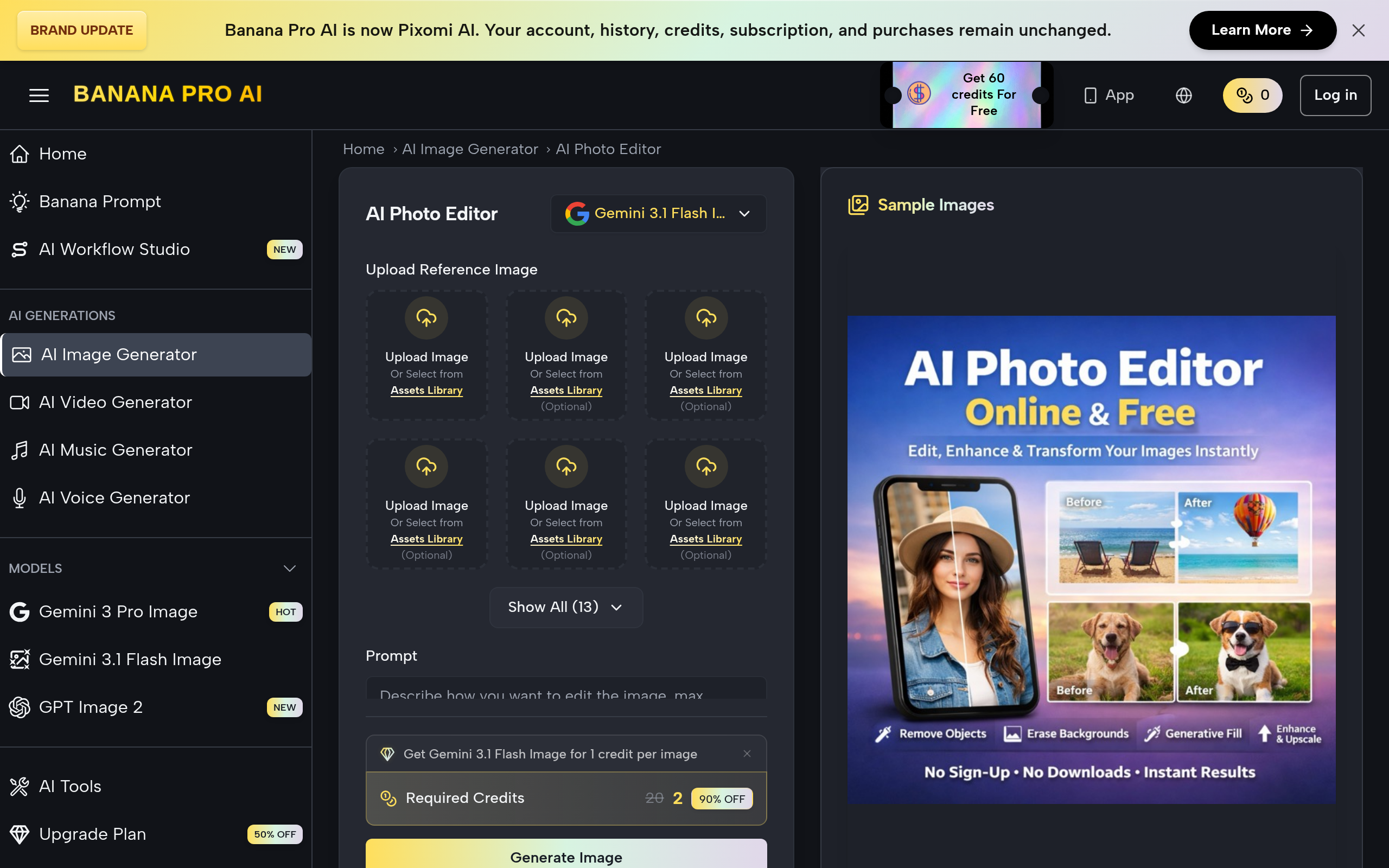
- Best tools: Describely for product descriptions, Pixelcut and getimg.ai for product visuals, Predis.ai for social, AI Photo Editor Online Free for quick edits.
- AI scales the content; you still own brand voice, accuracy and the customer experience.
- Always check facts and product details — wrong descriptions or specs erode trust and cause returns.
AI helps e-commerce stores across the whole operation — it writes product descriptions at scale, creates and edits product visuals, generates social and ad content, and powers personalization — turning tasks that were impractical for large catalogues into near-automated steps. The defining challenge of e-commerce is content at scale: a store with hundreds or thousands of products needs a description, photos and marketing for each, and doing that by hand is slow and expensive. AI changes the maths, letting even small stores produce professional content across a big catalogue. This guide covers where AI helps in e-commerce, the best tools, and how to keep quality and trust high.
Where AI helps in e-commerce
AI touches nearly every part of running a store. Product content — generating unique, on-brand descriptions for every product, including SEO-friendly copy, at a speed no copywriter could match. Visuals — creating and editing product photos, removing backgrounds, generating lifestyle shots and social graphics. Marketing — drafting social posts, ads and email campaigns to drive traffic. Personalization — tailoring recommendations and experiences to each shopper. And support — AI chatbots answering customer questions. The common thread is scale: AI lets a small team produce the volume of content and the level of personalization that big retailers field, leveling the playing field.
AI for product descriptions and visuals (the biggest win)
Two tasks dominate e-commerce workload, and AI transforms both. Product descriptions — writing a unique, accurate, persuasive description for every SKU is brutal at scale, and generic manufacturer copy hurts SEO and conversions. AI generates tailored descriptions in bulk, which you refine, turning a months-long copywriting backlog into an afternoon. Product visuals — professional photography for every product is expensive, but AI can edit photos, remove and replace backgrounds, generate clean product and lifestyle images, and produce social graphics. Together, descriptions and visuals are where AI delivers the most value for online stores, because they are exactly the high-volume, high-impact content that gates growth.
Best AI e-commerce tools in 2026
| Job | Best tool |
|---|---|
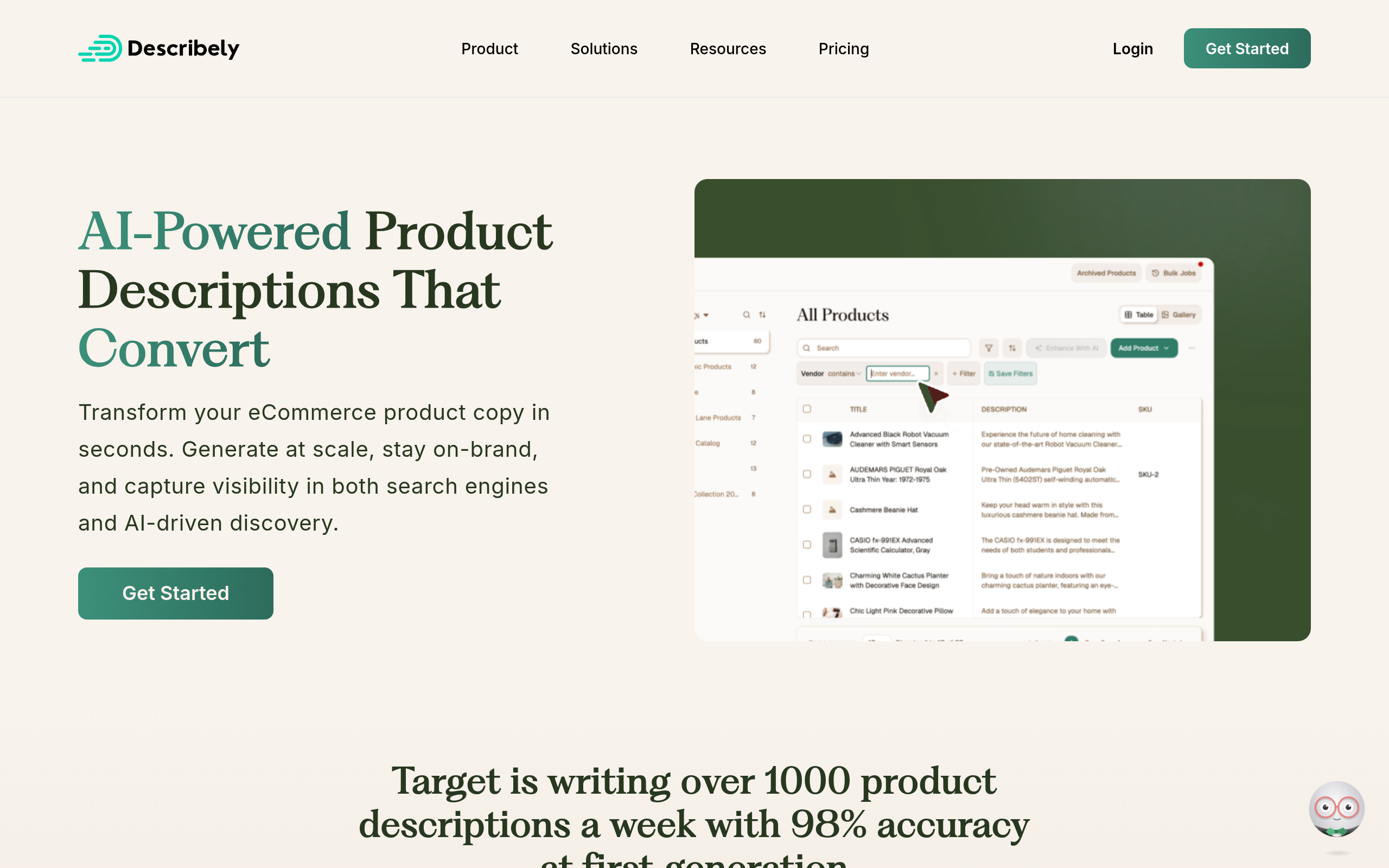
| Product descriptions at scale | Describely |
| Product & social visuals | Pixelcut |
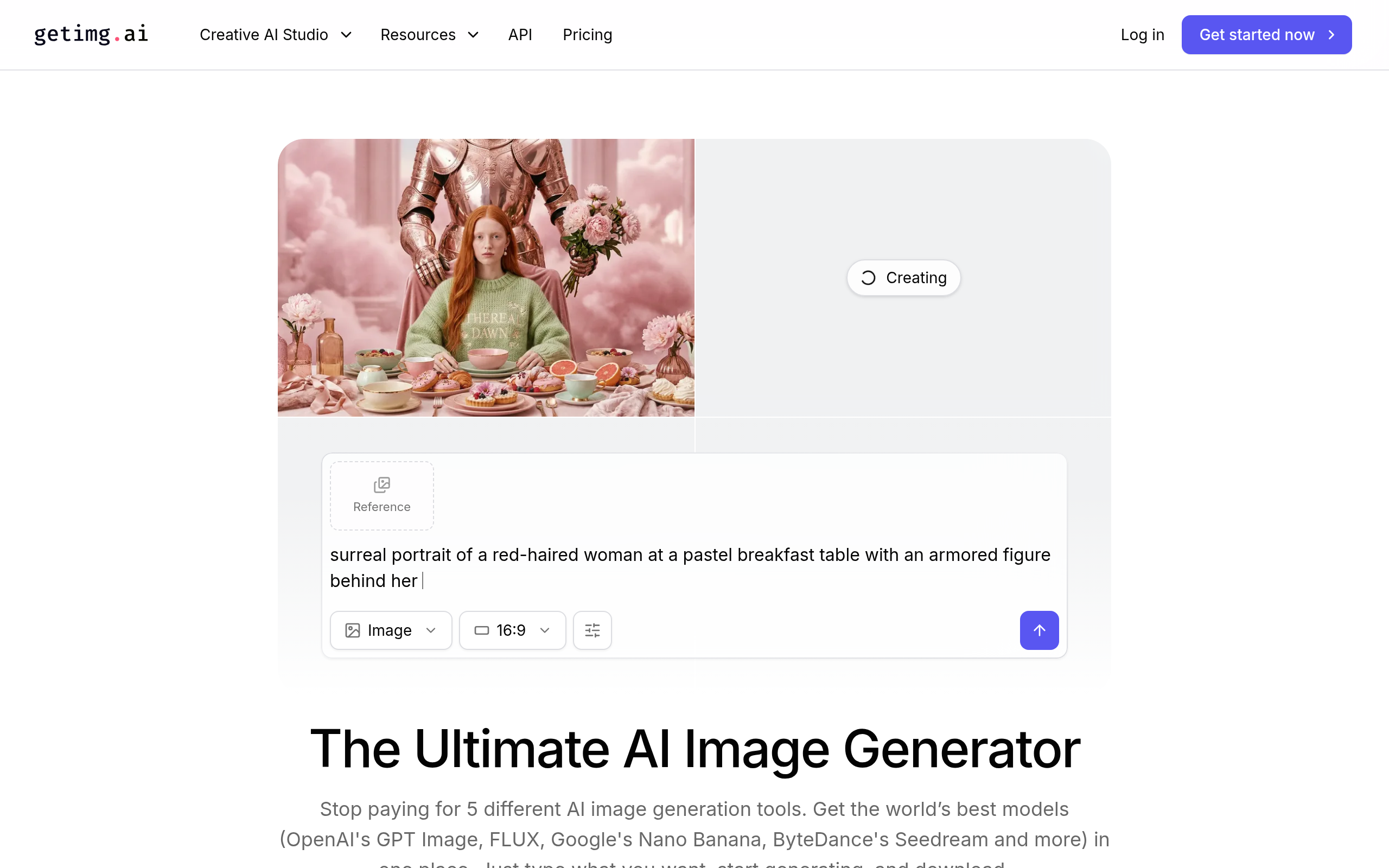
| Custom image generation | getimg.ai |
| Social content | Predis.ai |
| Quick free photo edits | AI Photo Editor Online Free |
For generating product descriptions in bulk, Describely is purpose-built. For fast product and social visuals — clean shots, backgrounds, graphics — Pixelcut is a strong fit, with getimg.ai for custom image generation and editing. For social content to drive traffic, Predis.ai generates posts including video, and for quick, free photo fixes, AI Photo Editor Online Free. Compare more in our AI image generation guide, AI copywriting guide, and the image and writing categories.
How to use AI in your store (step by step)
- Start with your biggest bottleneck — usually product descriptions or visuals for a large catalogue.
- Generate descriptions in bulk with Describely, then edit for brand voice and accuracy.
- Create product visuals with Pixelcut or getimg.ai — clean shots, backgrounds, lifestyle images.
- Drive traffic with social content from Predis.ai and AI-assisted ads and email.
- Verify every product detail — wrong specs or claims cause returns and erode trust.
- Personalize the shopping experience as you scale.
Keeping quality and trust high
E-commerce lives and dies on trust, and AI introduces a specific risk: getting product details wrong. An AI-generated description that overstates a feature, lists the wrong specification, or invents a benefit does not just hurt conversions — it causes returns, complaints and lost trust. So the non-negotiable rule is to verify accuracy on every product, especially specs, sizes, materials and claims. Beyond accuracy, keep your brand voice consistent (generic AI copy blends into the noise) and review AI visuals for the artefacts and errors image tools still produce. Used with that discipline, AI scales your store's content without compromising the trust that keeps customers buying and returning.
Why AI levels the e-commerce playing field
For years, large retailers held a structural advantage in online selling: they could afford teams of copywriters, professional photography, dedicated marketers and sophisticated personalization engines, while small stores made do with manufacturer descriptions, phone photos and generic marketing. That gap in content quality and personalization translated directly into a gap in conversions and trust. AI is closing it. A solo founder can now generate professional product descriptions for a thousand SKUs, produce clean product visuals without a photographer, run AI-assisted social and email campaigns, and offer personalized recommendations — all things that previously required a department. The result is that the quality of a store's content and customer experience is becoming less about budget and more about how well the owner uses the available tools. For small and mid-sized stores, this is one of the most consequential shifts in years: the things that used to require scale are now available to anyone.
Where stores get AI wrong
The fastest way to undermine AI's benefits in e-commerce is to forget that trust is the currency of online retail. Two mistakes recur. The first is publishing AI product content without verifying accuracy — a description that overstates a feature, lists a wrong dimension, or invents a benefit does not just dent conversions, it generates returns, complaints and chargebacks that cost far more than the time saved. The second is letting everything sound generic: when every product on every store uses similar AI copy, nothing stands out, and your brand blends into the noise. The stores that win with AI treat it as a powerful drafting and production engine while keeping firm human ownership of accuracy and brand voice — verifying every spec and claim, and editing copy so it sounds like them. Get that balance right and AI is pure upside; ignore it and you scale your way into returns and sameness.
The bottom line
AI is a genuine equaliser for e-commerce — it lets small stores produce the product content, visuals, marketing and personalization that big retailers field, at a fraction of the cost. Use Describely for descriptions, Pixelcut and getimg.ai for visuals, Predis.ai for social, and AI Photo Editor Online Free for quick edits. Just keep ownership of what AI cannot give you: accurate product details, a consistent brand voice, and a trustworthy customer experience. Scale the content with AI, guard the trust yourself, and your store can punch far above its size — competing on the quality of content and customer experience that, until recently, only the biggest retailers with the deepest budgets and largest teams could ever realistically afford to design, produce and consistently deliver at meaningful scale across an entire catalogue.
Disclaimer: Inaccurate AI-generated product content causes returns and erodes trust. Always verify product details, specs and claims, and review AI visuals before publishing.
Tools mentioned in this guide


Pricing, features and model availability can change over time. Always verify current details on each tool's official website before deciding.
Frequently Asked Questions
How is AI used in e-commerce?
How is AI used in e-commerce?
What is the best AI tool for product descriptions?
What is the best AI tool for product descriptions?
Can AI create product photos?
Can AI create product photos?
What are the best AI tools for an online store?
What are the best AI tools for an online store?
What is the risk of using AI for product content?
What is the risk of using AI for product content?
Can AI personalize the shopping experience?
Can AI personalize the shopping experience?
Don't just pick a tool — get the whole workflow
Tell Comparee your goal and get a complete step-by-step AI workflow with the right tool for every step.