AI Copywriting: The Complete Guide for 2026
AI copywriting in 2026 — how to use it well, what it is great (and bad) at, the best tools, and how to keep content high-quality and on-brand.
Key takeaways
- AI copywriting uses AI to draft marketing copy, content and emails fast — turning a blank page into a starting point in seconds.
- It is best as a drafting and ideation partner; the human edit is what makes the output good, accurate and on-brand.
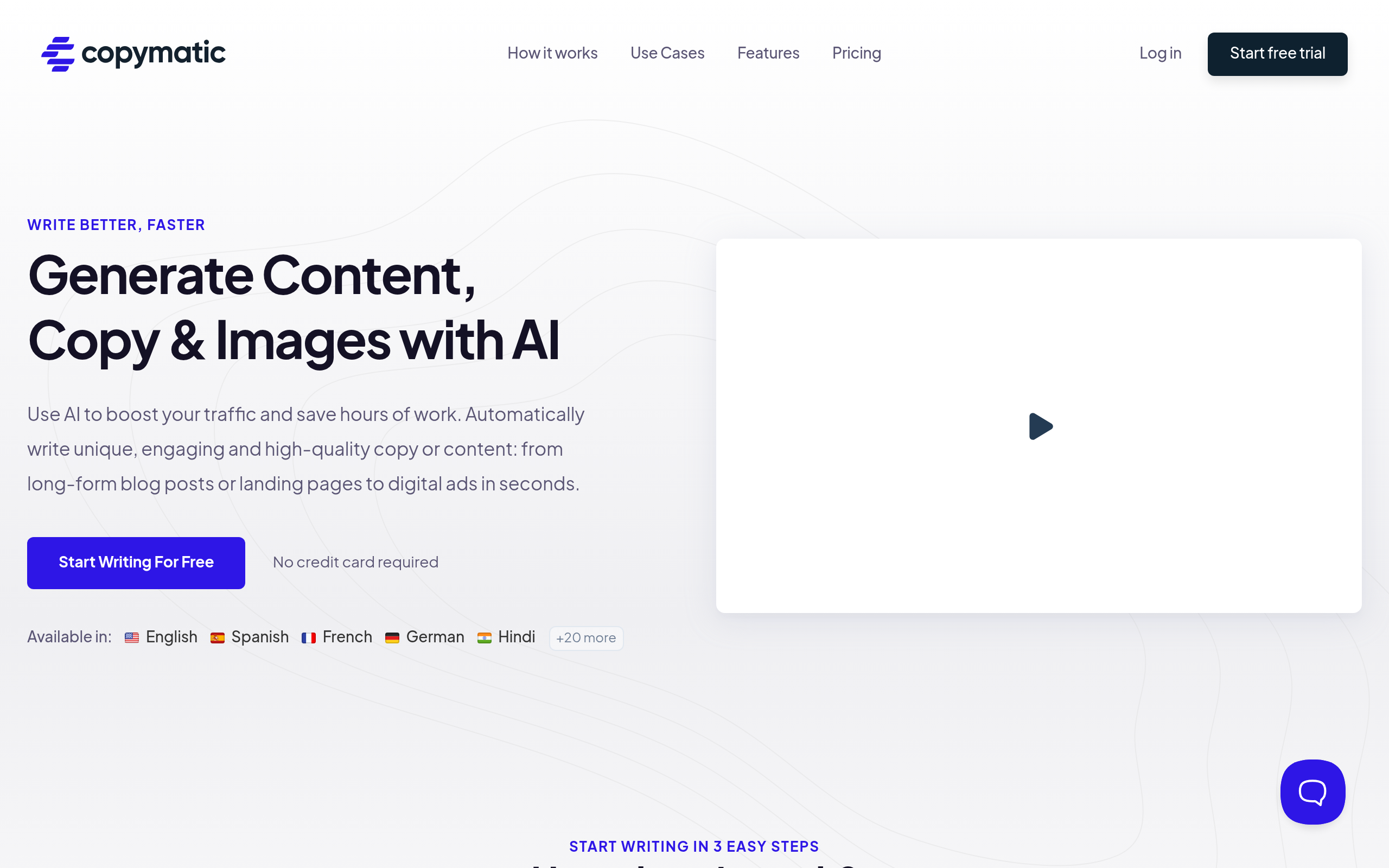
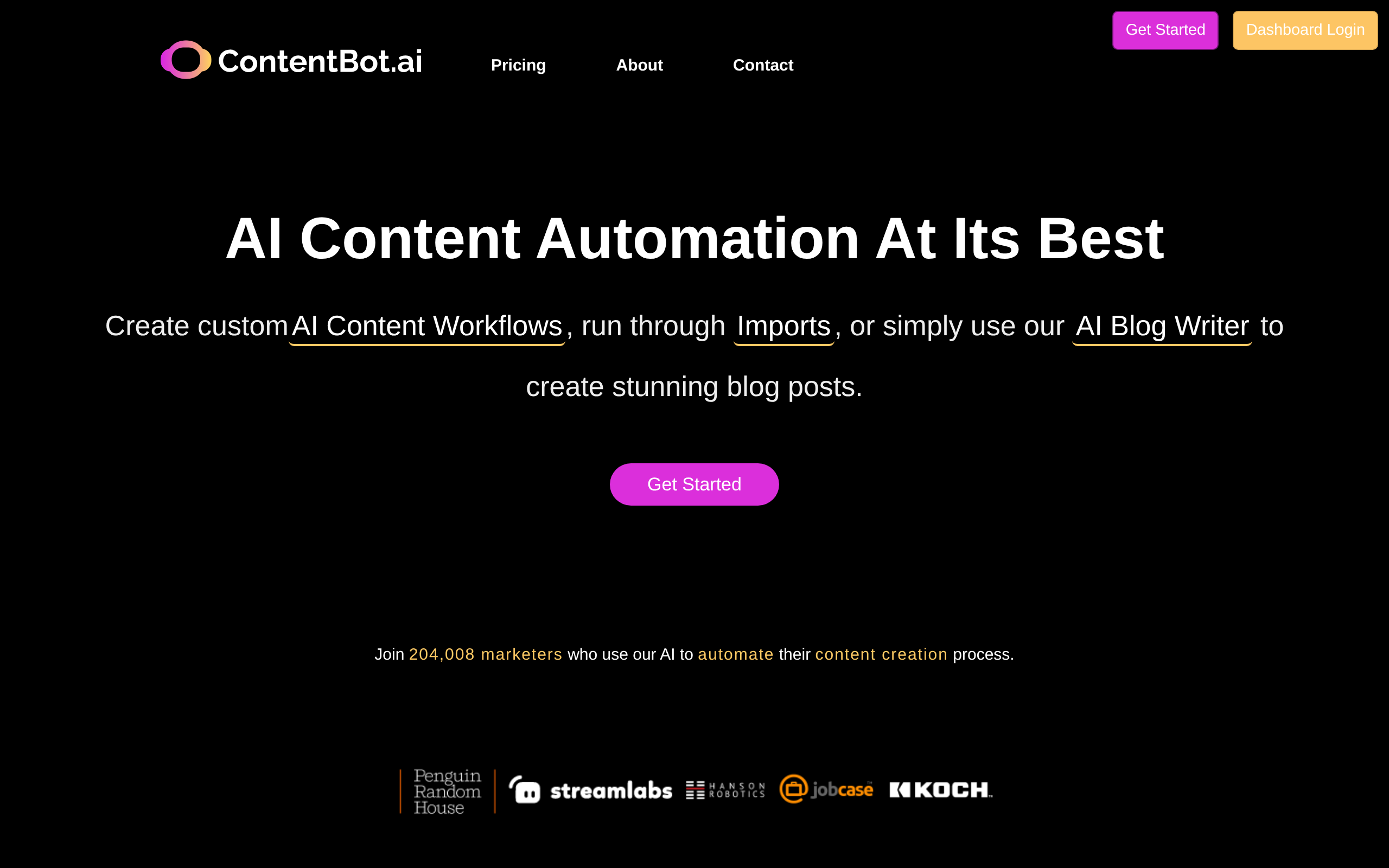
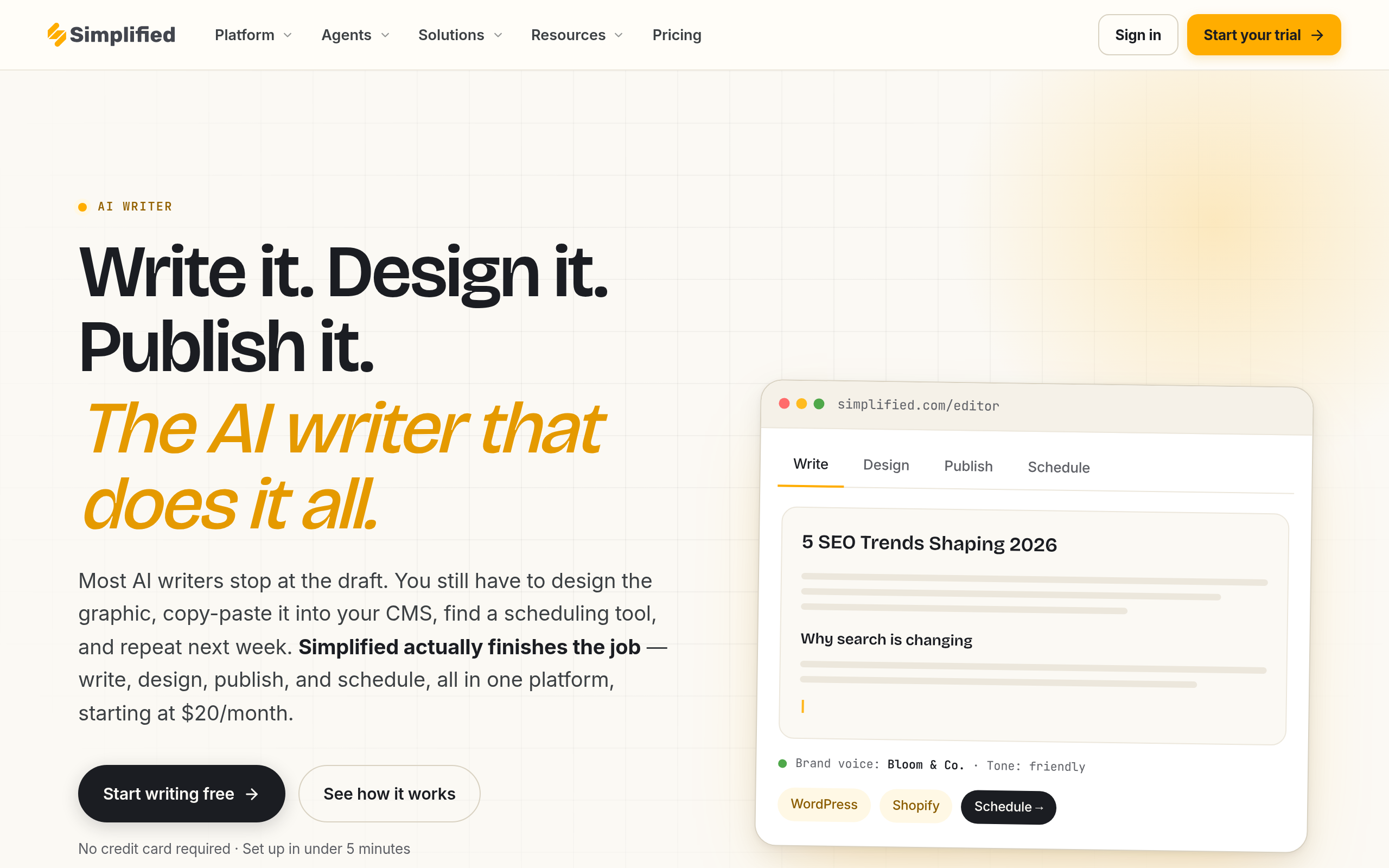
- Best tools by job: Copymatic for marketing copy, ContentBot.ai for blogs, Simplified AI Writer for all-round, NeuralText for SEO, Hoppy Copy for email.
- Always edit and fact-check — AI can be confidently wrong and sound generic without your input.
- Match the tool to your content type; specialists beat generalists at specific jobs.
AI copywriting uses artificial intelligence to generate marketing copy, content and emails from a prompt — turning a blank page into a usable first draft in seconds, which you then edit for accuracy, voice and impact. Used well, it is a genuine productivity multiplier: it kills writer's block, produces variations to test, and handles the repetitive first-draft work so you spend your time on strategy and polish. Used badly — publishing unedited, generic output at scale — it produces forgettable content that no one reads and search engines ignore. This guide shows how to use AI copywriting well, where it shines and struggles, the best tools, and how to keep quality high.
What is AI copywriting?
AI copywriting is the use of large language models to write or assist with copy — ads, landing pages, blog posts, product descriptions, emails and social content. You give the tool a prompt (a topic, a brief, a few key points), and it generates draft text you can use as-is or, far better, refine. The technology has made decent first-draft writing nearly instant and free, which is exactly why the value has shifted: when anyone can generate text, the edge belongs to whoever adds the most human value on top — the angle, the accuracy, the voice, the proof.
What AI copywriting is great (and bad) at
AI excels at first drafts, ideation and variations (ten subject lines, five angles), repetitive copy (product descriptions at scale), and reformatting (turn this into a tweet thread). It struggles with original thinking, genuine expertise and accuracy (it will confidently invent facts), distinctive brand voice without guidance, and anything that needs real experience or emotional nuance. The practical takeaway: let AI do the parts that are fast and mechanical, and keep the parts that require judgement, truth and personality firmly human. The best AI copy is a collaboration, not an outsourcing.
How to use AI copywriting well (step by step)
- Give a strong brief — audience, goal, key points, tone and any facts. Generic input yields generic output.
- Generate options, not one draft — AI is great at producing variations to choose from.
- Edit ruthlessly — cut filler, fix every fact, and rewrite anything that sounds generic.
- Inject your angle and proof — the insight, example or data only you have. This is what makes it worth reading.
- Match your brand voice — adjust until it sounds like you, not like AI.
- Fact-check before publishing — never trust AI-stated facts, prices or claims unverified.
Best AI copywriting tools in 2026
| Content type | Best tool |
|---|---|
| Marketing & ad copy | Copymatic |
| Blogs & long-form content | ContentBot.ai |
| All-round content (with design) | Simplified AI Writer |
| SEO content | NeuralText |
| Email marketing | Hoppy Copy |
Pick by what you write most. For marketing and ad copy, Copymatic is fast and focused; for blogs and longer content, ContentBot.ai; for all-round content alongside visuals and social, Simplified AI Writer; for content built to rank, NeuralText adds SEO research; and for newsletters and campaigns, Hoppy Copy specialises in email. Compare more in our Copy.ai alternatives and Writesonic alternatives guides and the writing & content category.
Keeping quality high (and SEO-safe)
The biggest risk with AI copywriting is scale without quality — publishing mountains of generic text because it is cheap. Search engines and readers both punish this, so treat AI as a way to do your best work faster, not to do more mediocre work. Three habits keep you safe: always edit so the final piece carries a human angle and voice; always fact-check, because AI invents convincing falsehoods; and write for the reader's intent, not just keywords, because a page that does not actually help no longer ranks. Do these and AI copywriting is a clear advantage; skip them and it becomes a liability that erodes your brand and your search visibility.
Why AI copywriting changed the economics of content
Writing used to be a bottleneck: every blog post, email and landing page cost real hours, so teams rationed content carefully. AI collapsed that cost, making a first draft nearly instant and free. But the same force that helped everyone also flooded the internet with generic, low-effort text — and readers and search engines responded by valuing genuine quality more, not less. The result is a new equation: AI lowers the cost of producing words, which raises the premium on everything words alone cannot provide — original insight, real expertise, a distinctive voice, and trustworthy accuracy. The teams that win are not the ones generating the most AI text; they are the ones using AI to produce their best work faster, then investing the saved time in the human value that makes content actually land. AI is leverage, and leverage amplifies whatever you point it at — including mediocrity, if you are not careful.
Building an AI copywriting workflow that scales
A workflow that scales without sacrificing quality treats AI as one stage, not the whole process. Begin with a clear brief and let AI generate several angles and drafts — this is where it saves the most time. Then bring a human editor to choose the strongest direction, fix every fact, cut the filler, and rewrite anything that sounds like AI. Add the proof and the angle only you have, and tune the voice until it sounds like your brand. Finally, review for the reader's actual intent, not just keyword coverage. This pattern — AI drafts, human refines and verifies — lets a small team produce far more high-quality content than they could by hand, while avoiding the trap of publishing fast, forgettable text. The discipline is simple: never let the speed of generation tempt you into skipping the edit, because the edit is the whole point.
The bottom line
AI copywriting in 2026 is a powerful drafting and ideation partner — but the value lives in the human edit. Brief it well, generate options, then edit hard for accuracy, voice and a unique angle. Choose by content type: Copymatic for copy, ContentBot.ai for blogs, Simplified AI Writer for all-round, NeuralText for SEO, and Hoppy Copy for email. Used this way, you write faster and ship more without sacrificing the quality that makes content actually work. The tool is only ever as good as the brief you give it and the edit you apply afterward — get those two right, and treat the AI as a fast, tireless first-draft partner rather than a replacement for thinking, and AI copywriting becomes one of the highest-leverage skills a marketer or founder can have in 2026.
Disclaimer: AI can state false facts and produce generic copy. Always edit, fact-check, and add genuine human value before publishing AI-assisted content.
Tools mentioned in this guide

Pricing, features and model availability can change over time. Always verify current details on each tool's official website before deciding.
Frequently Asked Questions
What is AI copywriting?
What is AI copywriting?
What is the best AI copywriting tool?
What is the best AI copywriting tool?
How do I use AI for copywriting well?
How do I use AI for copywriting well?
Will AI copywriting hurt my SEO?
Will AI copywriting hurt my SEO?
Can AI write a whole blog post?
Can AI write a whole blog post?
Is there an AI writer just for email?
Is there an AI writer just for email?
Don't just pick a tool — get the whole workflow
Tell Comparee your goal and get a complete step-by-step AI workflow with the right tool for every step.