AI Tools for Marketers: The Complete Guide for 2026
The best AI tools for marketers in 2026 — for content, social, email, SEO and visuals — and how to build an AI marketing stack that works.
Key takeaways
- AI now touches every marketing discipline — content, social, email, SEO, visuals and analytics — letting small teams do the work of big ones.
- The winning approach is a stack of specialists, not one tool: pick the best AI for each job.
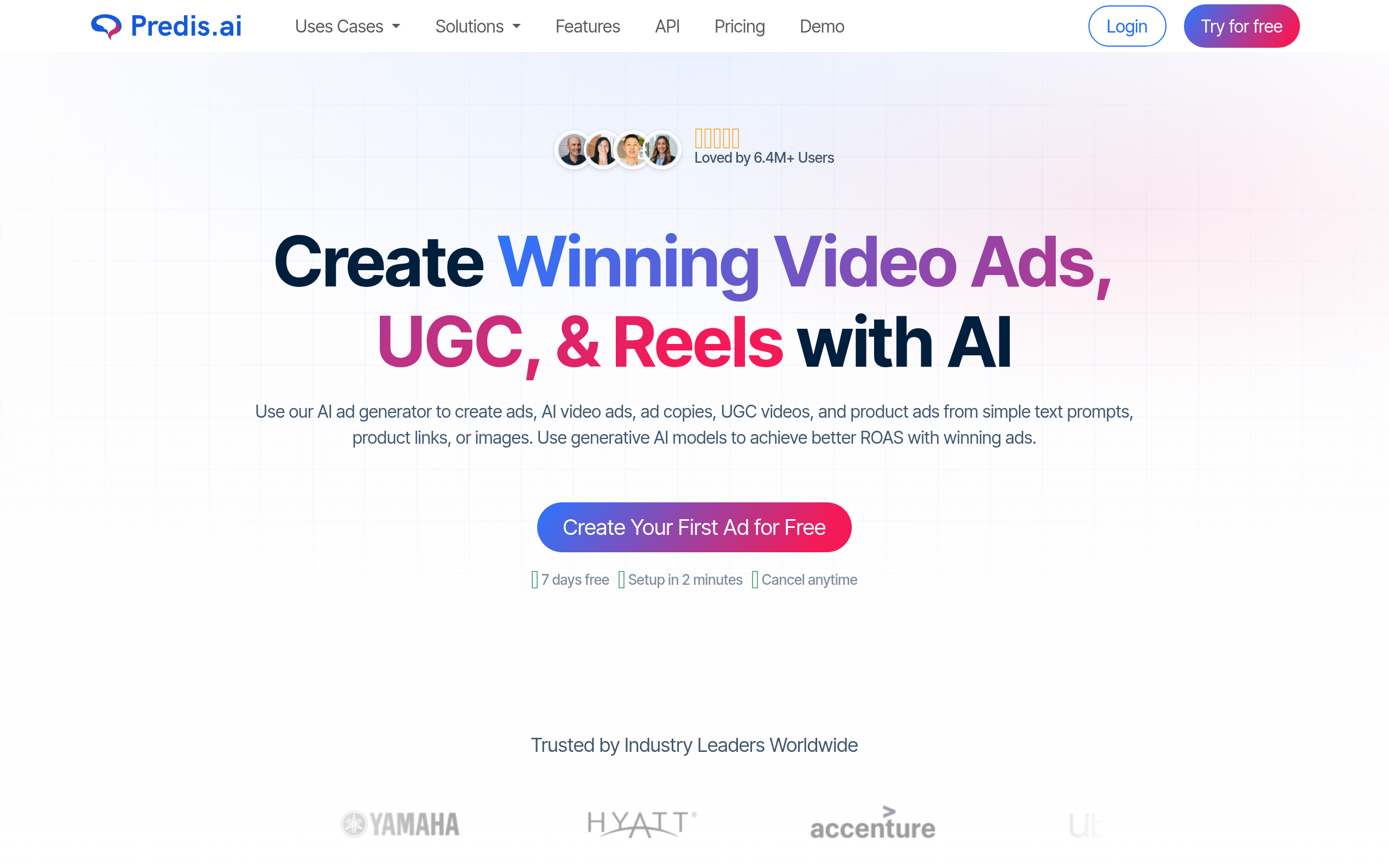
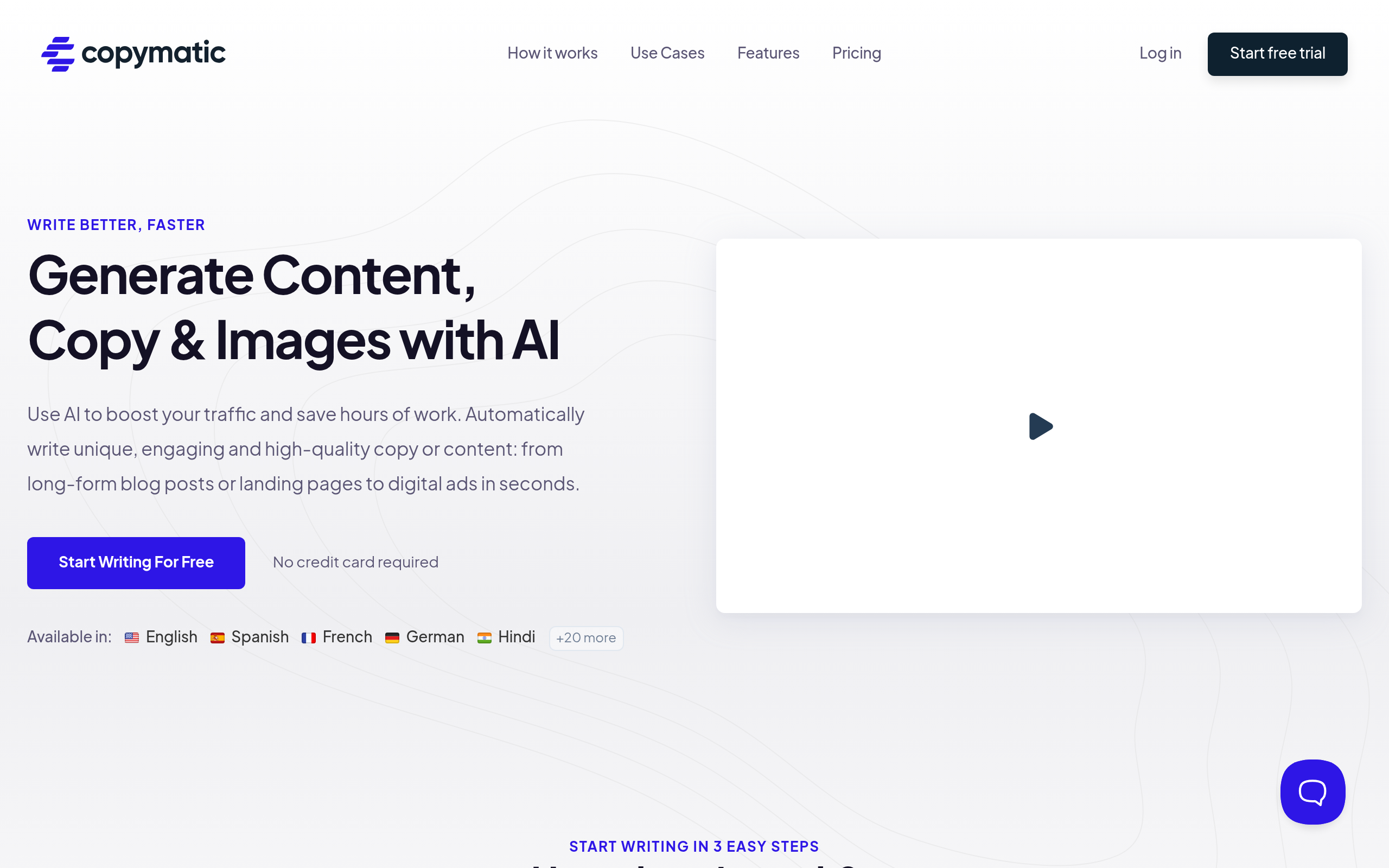
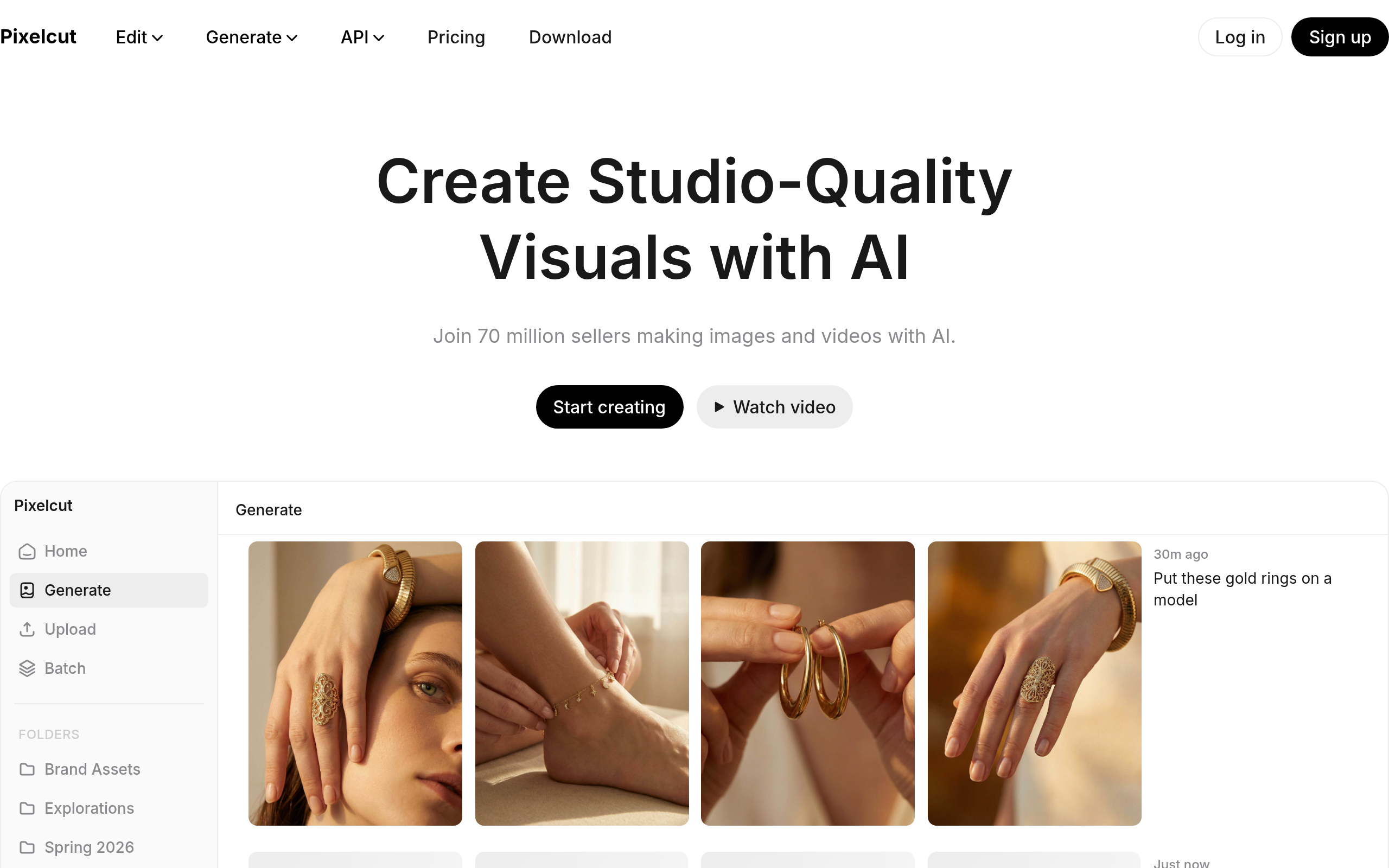
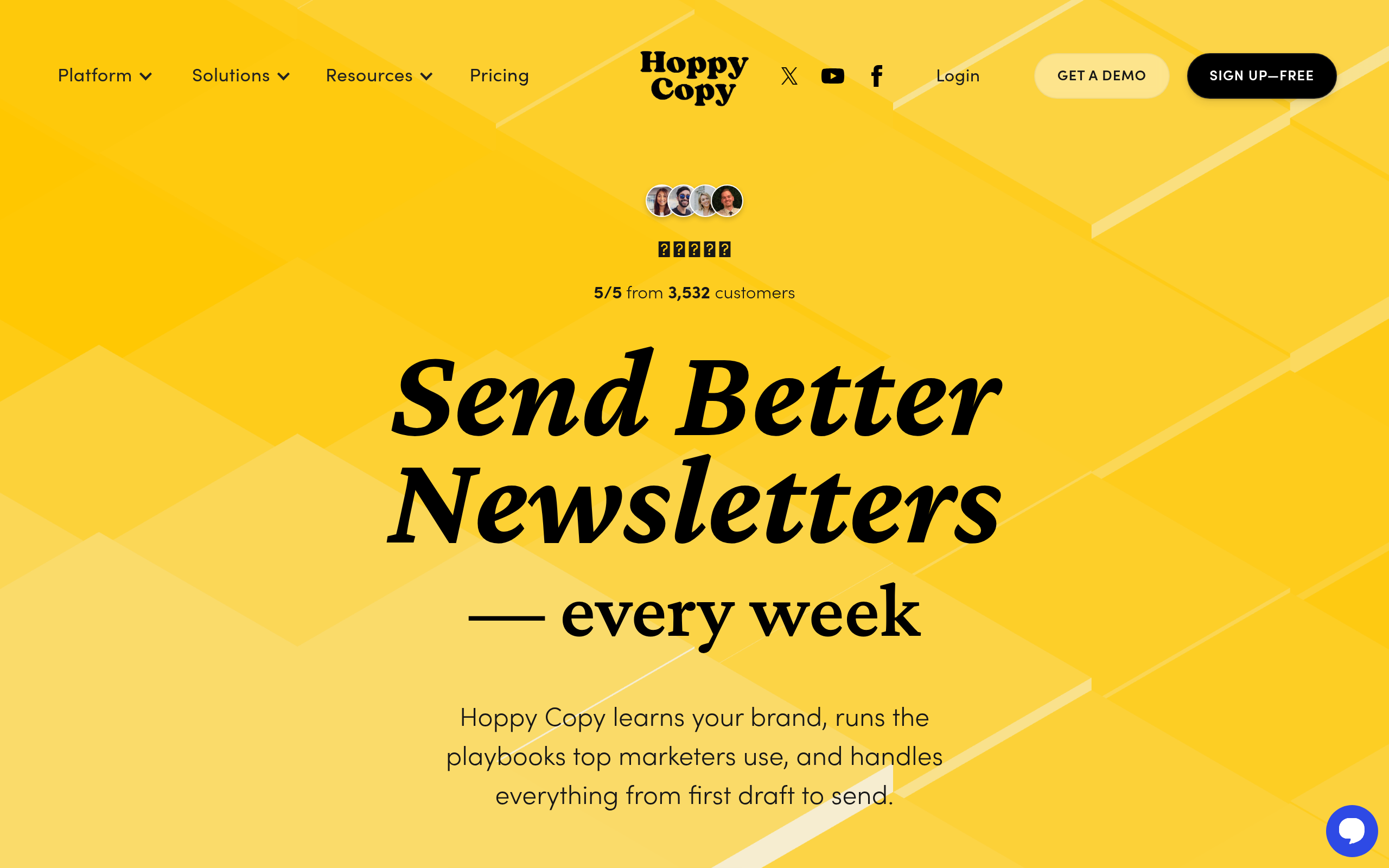
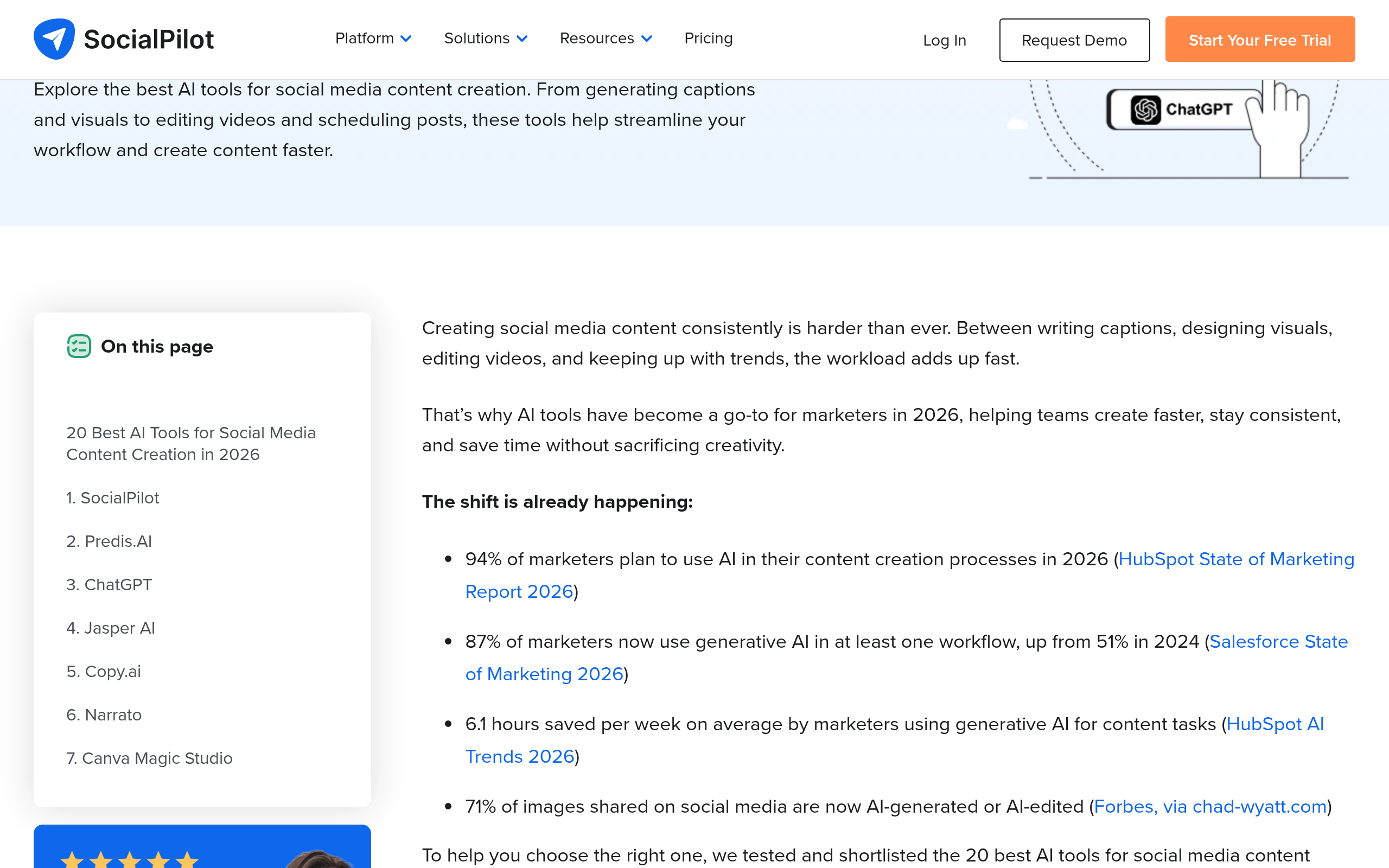
- Core stack: Copymatic for copy, SocialPilot and Predis.ai for social, Hoppy Copy for email, NeuralText for SEO, Pixelcut for visuals.
- AI gives you speed and scale; strategy, brand voice and judgement stay human.
- Start with your biggest bottleneck, add tools as you go, and edit everything AI produces.
AI tools for marketers now span every discipline — content, social media, email, SEO, visuals and analytics — letting a small team produce the volume and quality of marketing that used to require a department. The shift is profound: tasks that ate days (writing copy, designing graphics, building campaigns) now take minutes, freeing marketers to focus on strategy and creativity. But there is no single "AI marketing tool" that does it all well — the winning approach is a stack of specialists, each best at one job. This guide covers the best AI tools for marketers across every channel, how to assemble a stack, and how to use AI without losing the strategy and brand voice that make marketing work.
How AI is changing marketing
AI has moved from a curiosity to the operating system of modern marketing. It writes copy, blogs and ads; it designs images and social graphics; it personalizes email and experiences at scale; it optimises content for search and increasingly for AI answer engines; and it analyses performance to tell you what to do more of. The cumulative effect is leverage — a solo marketer or small team can now field campaigns across many channels that previously needed specialists for each. What AI does not do is decide your strategy, define your brand, or replace the judgement that separates marketing that resonates from marketing that gets ignored. The marketers who win treat AI as a force multiplier on top of clear thinking, not a substitute for it.
The best AI tools by marketing job
| Marketing job | Best AI tools |
|---|---|
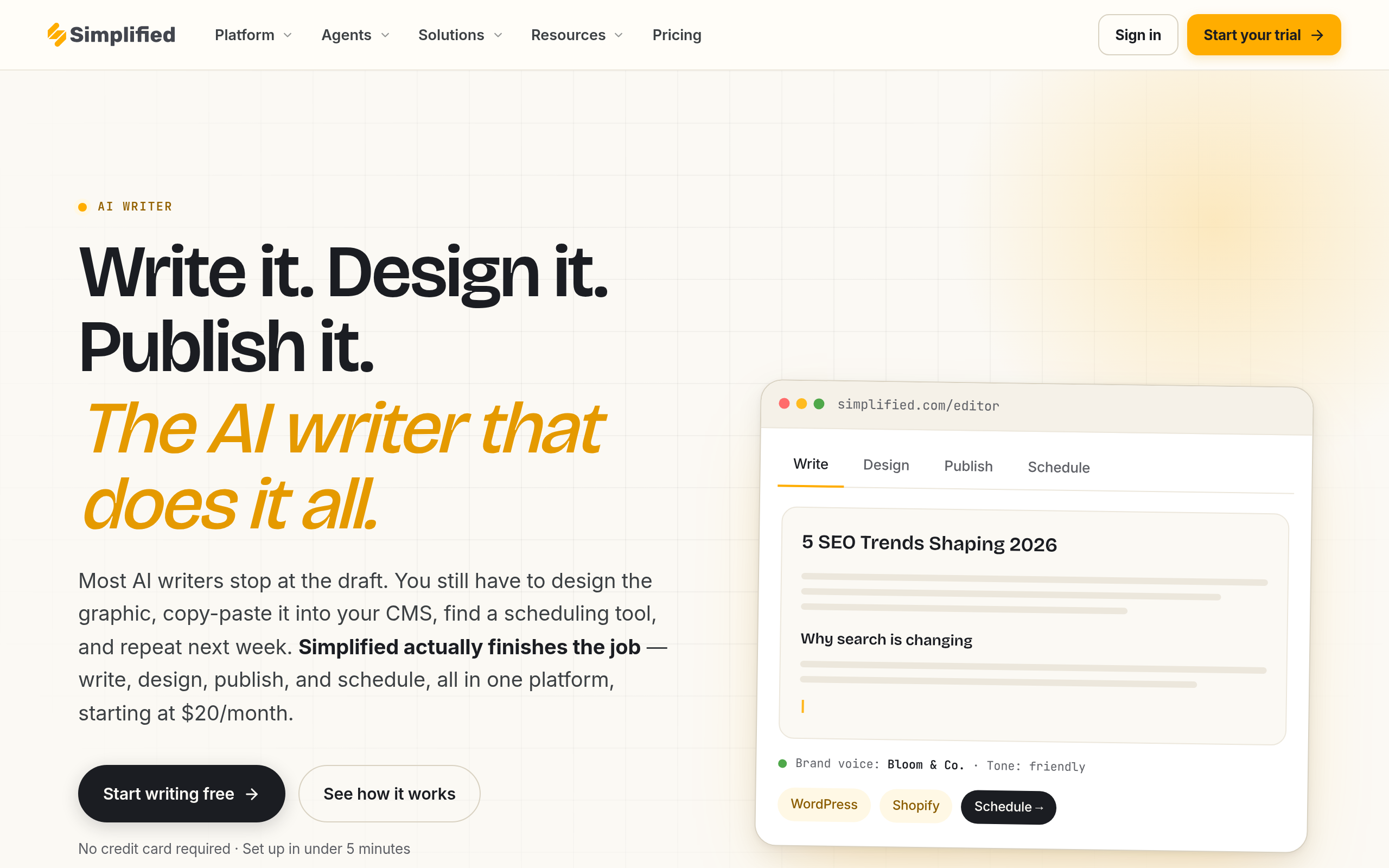
| Copywriting & content | Copymatic, Simplified AI Writer |
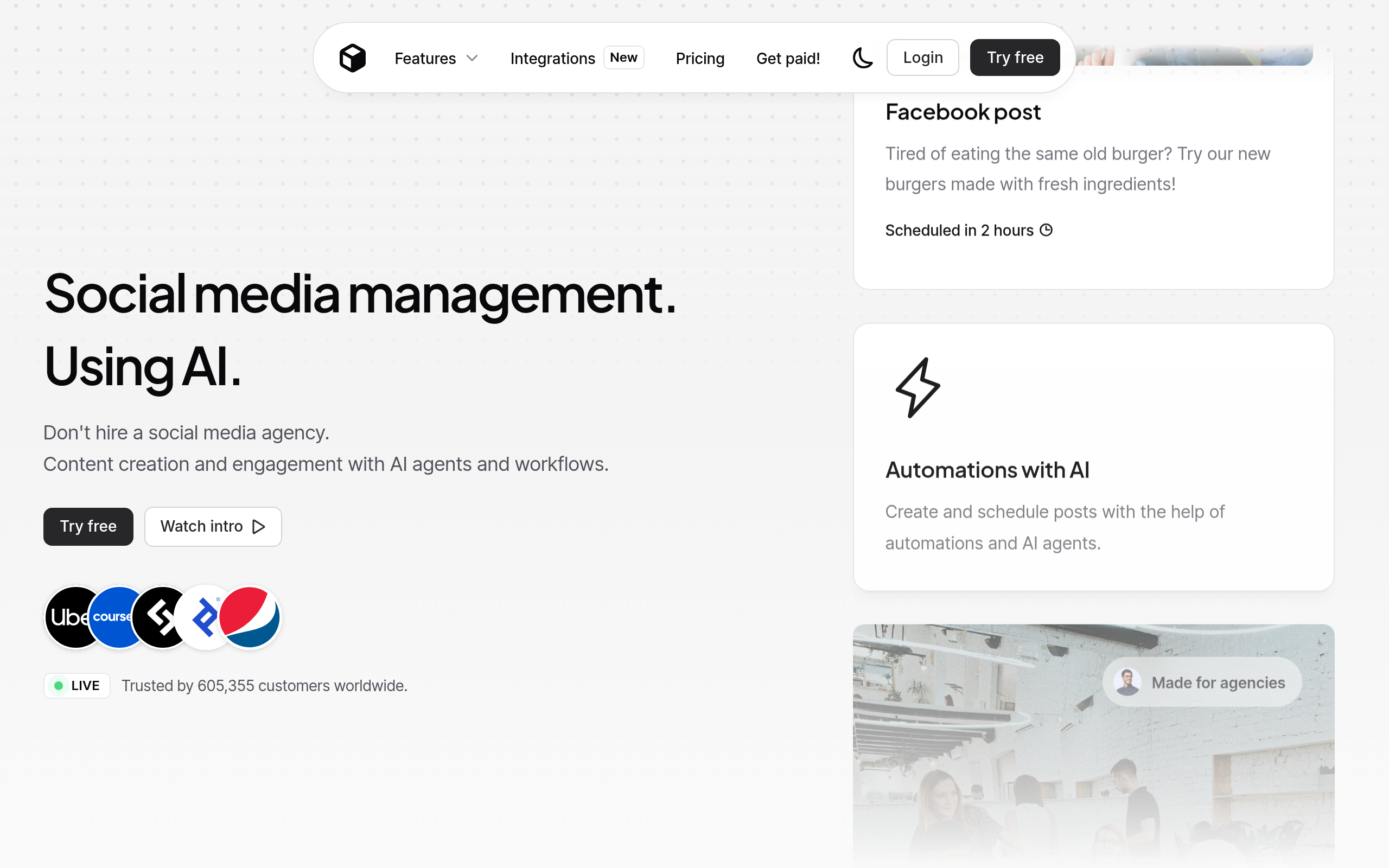
| Social media | SocialPilot, Predis.ai, Ocoya |
| Email marketing | Hoppy Copy |
| SEO & content optimization | NeuralText |
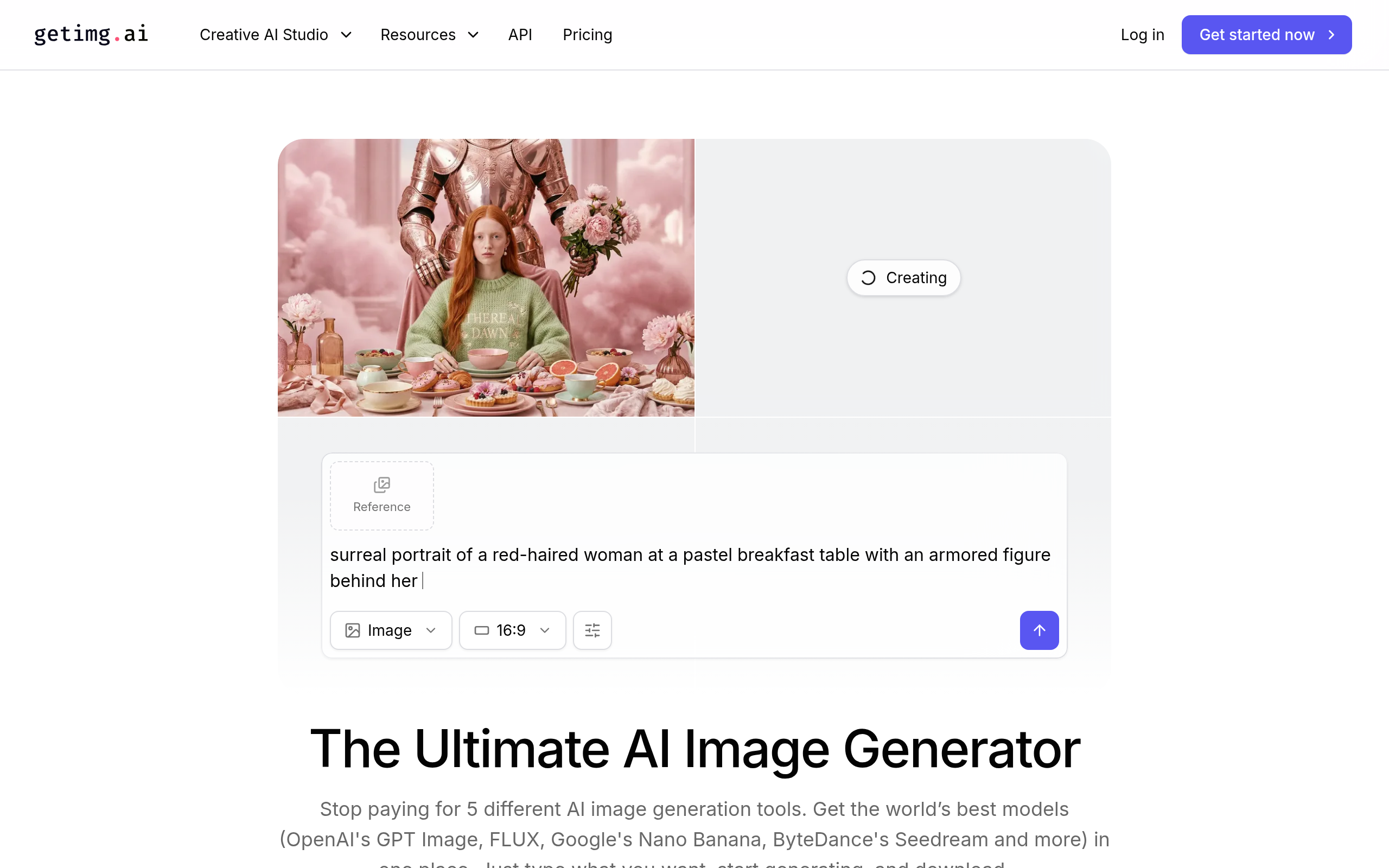
| Visuals & graphics | Pixelcut, getimg.ai |
For copy and content, Copymatic generates marketing copy and ads fast, with Simplified AI Writer for all-round content alongside design. For social, SocialPilot handles affordable scheduling while Predis.ai and Ocoya generate AI content including video. For email, Hoppy Copy specialises in campaigns and sequences. For SEO, NeuralText builds content designed to rank. And for visuals, Pixelcut and getimg.ai produce graphics and custom images. Explore deeper in our guides to AI copywriting, AI for social media, AI for email and AI for SEO.
How to build your AI marketing stack (step by step)
- Start with your biggest bottleneck — the channel or task eating the most time. Solve that first.
- Pick the specialist for that job rather than a do-everything tool that does nothing well.
- Integrate into your workflow — the tool should fit how you already work, not the other way around.
- Edit everything AI produces — for brand voice, accuracy and a human angle.
- Add tools as needs appear — build the stack incrementally rather than adopting ten at once.
- Measure impact — keep what moves the needle, drop what does not.
Using AI without losing your brand
The biggest risk in AI marketing is sameness. When every brand uses the same tools to generate similar content, the output blends into noise — and audiences tune out generic, obviously-AI marketing fast. The marketers who stand out treat AI as a starting point and add what only they can: a distinct voice, a real point of view, genuine expertise, and authentic moments. Practically, that means briefing AI well with your brand and angle, editing output so it sounds like you, and mixing AI-assisted content with human creativity. AI handles the volume and the grunt work; you supply the personality and judgement that make marketing actually connect. Get that balance right and AI is a decisive advantage; get it wrong and you simply produce more forgettable content faster.
Common mistakes marketers make with AI
The first mistake is chasing tools instead of strategy — adopting AI everywhere without a clear plan, which produces busy work, not results. The second is publishing unedited AI output, which is generic and sometimes wrong, eroding trust. The third is ignoring measurement, so you cannot tell which tools actually help. And the fourth is letting AI flatten your brand voice into something indistinguishable from competitors. Avoid these by leading with strategy, editing everything, measuring impact, and protecting your brand voice — and AI becomes the leverage that lets a small marketing team compete with a much larger one.
Why AI changed marketing economics
Marketing has always been resource-bound — producing enough content, across enough channels, with enough personalization to compete required teams and budgets that smaller players simply did not have. AI rewrote that equation almost overnight. A solo marketer can now generate a week of social content, draft an email sequence, design graphics and optimise a blog post in the time it once took to write a single article. The strategic consequence is significant: the competitive moat that came from sheer marketing output has largely evaporated, because output is now cheap and fast for everyone. What is left as the real differentiator is strategy, creativity and brand — the things AI amplifies but cannot originate. The marketers who understand this stop competing on volume alone and start competing on the quality of their thinking, using AI to execute that thinking at a scale that used to be impossible for a small team.
How to choose marketing AI tools without overspending
The temptation with AI marketing tools is to subscribe to everything, ending up with a sprawl of overlapping subscriptions you barely use. The disciplined approach is the opposite. Start by identifying the single channel or task that is most constrained — the thing you cannot keep up with — and solve only that with the best specialist tool. Use it long enough to see real impact, then move to your next bottleneck. Most tools offer free tiers, so trial before you commit, and judge each on whether it measurably improves output or results, not on how impressive its feature list looks. This incremental approach keeps your stack lean and your spending tied to value. A focused set of three or four tools you use well beats a dozen you half-use, both for your budget and for the quality of what you produce.
The bottom line
AI tools for marketers are no longer optional — they are how lean teams compete across every channel. Build a stack of specialists: Copymatic for copy, SocialPilot and Predis.ai for social, Hoppy Copy for email, NeuralText for SEO, and Pixelcut for visuals. Start with your biggest bottleneck, add tools incrementally, and keep strategy, brand voice and judgement firmly human. Do that, and AI gives you the speed and scale to do the work of a much bigger team — without sacrificing the creativity that makes marketing work.
Disclaimer: AI marketing tools produce drafts that can be generic or inaccurate. Always edit for brand voice and accuracy, and keep strategy and judgement human.
Tools mentioned in this guide
Pricing, features and model availability can change over time. Always verify current details on each tool's official website before deciding.
Frequently Asked Questions
What are the best AI tools for marketers?
What are the best AI tools for marketers?
How do I build an AI marketing stack?
How do I build an AI marketing stack?
Will AI replace marketers?
Will AI replace marketers?
How do I keep AI marketing content on-brand?
How do I keep AI marketing content on-brand?
Can AI do SEO marketing?
Can AI do SEO marketing?
Are AI marketing tools expensive?
Are AI marketing tools expensive?
Don't just pick a tool — get the whole workflow
Tell Comparee your goal and get a complete step-by-step AI workflow with the right tool for every step.