AI for Newsletters: The Complete Guide for 2026
AI for newsletters in 2026 — write, grow and automate a newsletter, with consent and deliverability caveats and the best tools (Hoppy Copy, Smartlead).
Key takeaways
- AI for newsletters speeds up the whole job — writing issues, designing posts, growing the list and automating delivery — so a small team can run a serious newsletter.
- It does not buy you permission to email people or guarantee the inbox — consent and deliverability are rules you cannot automate away.
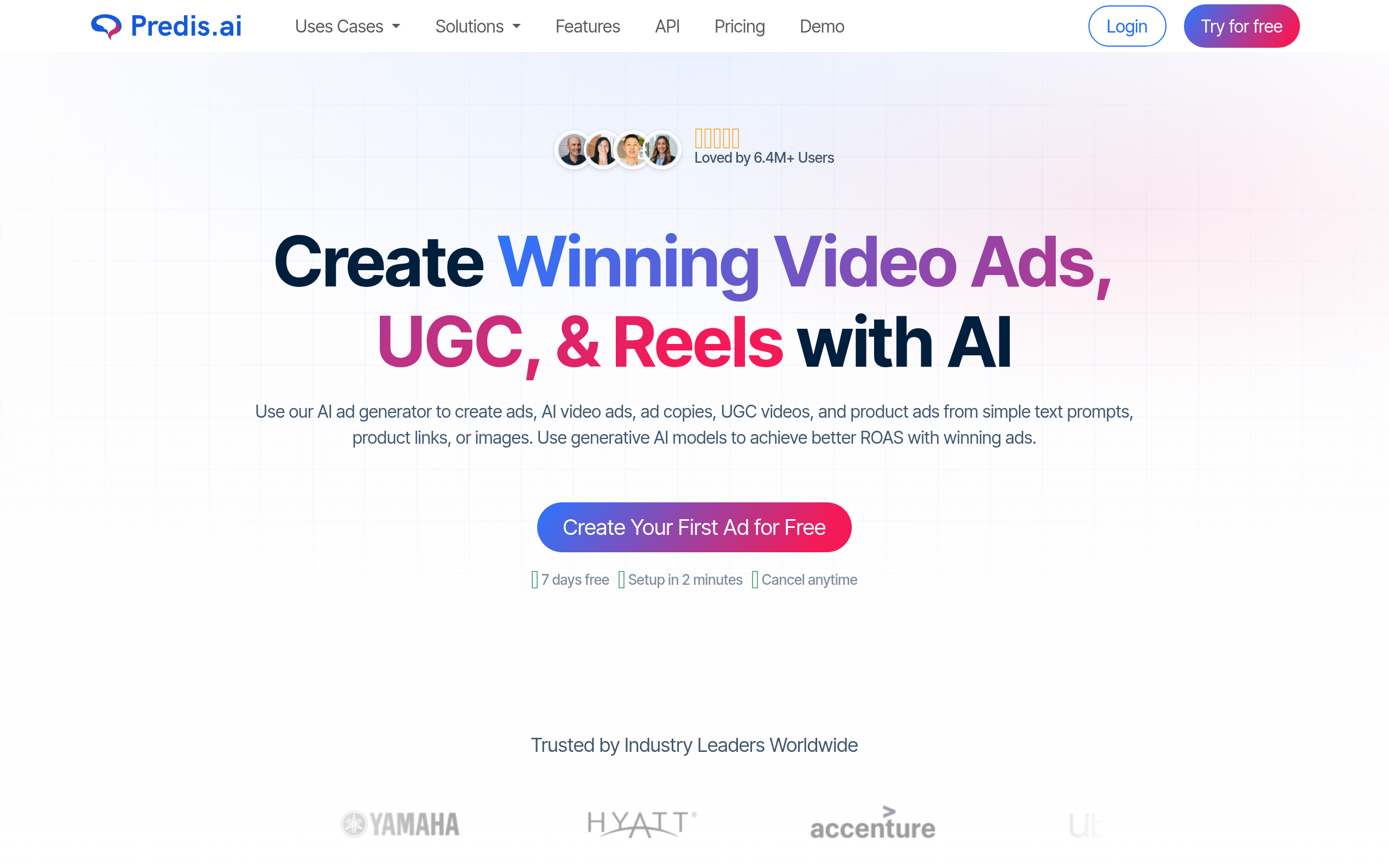
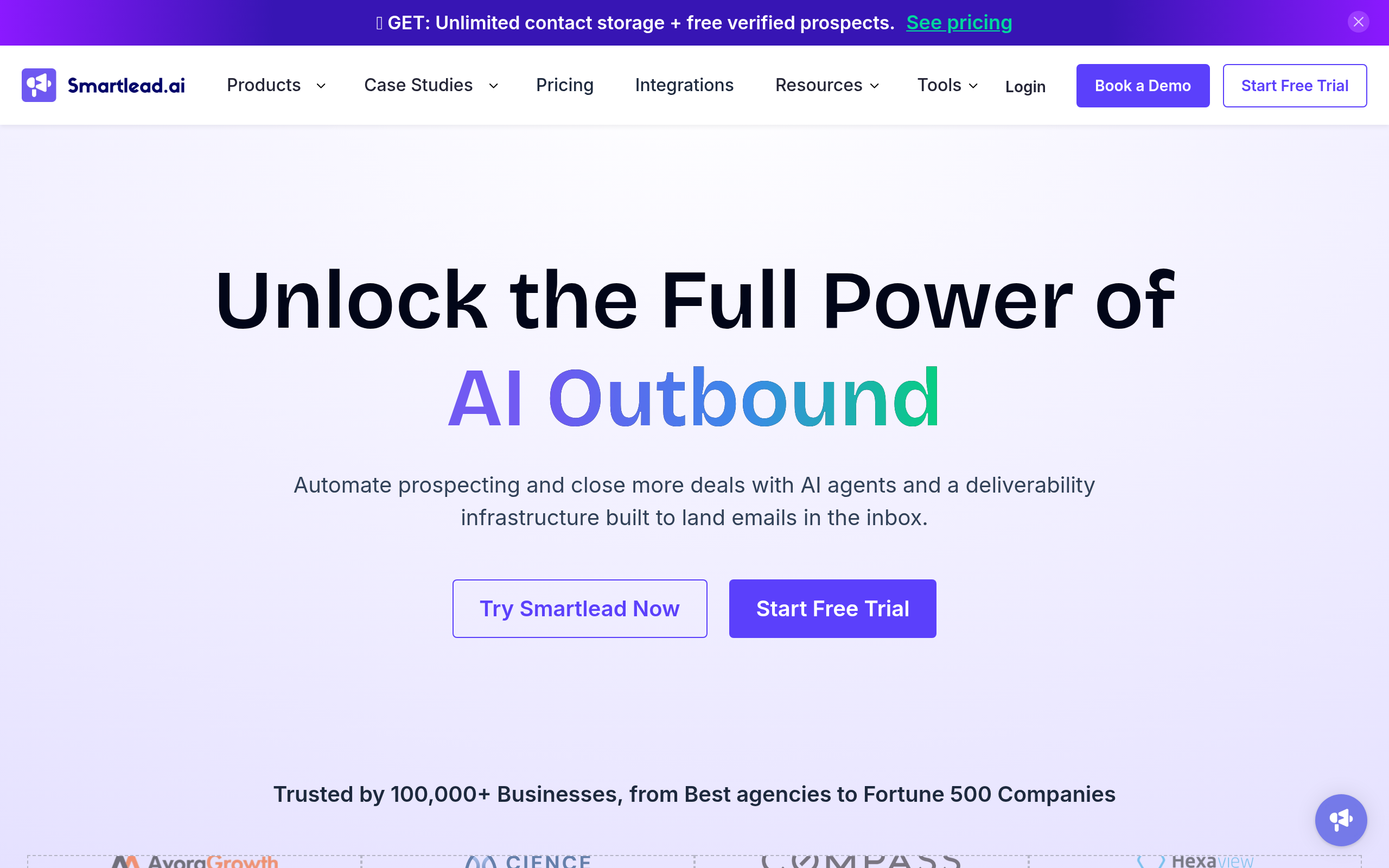
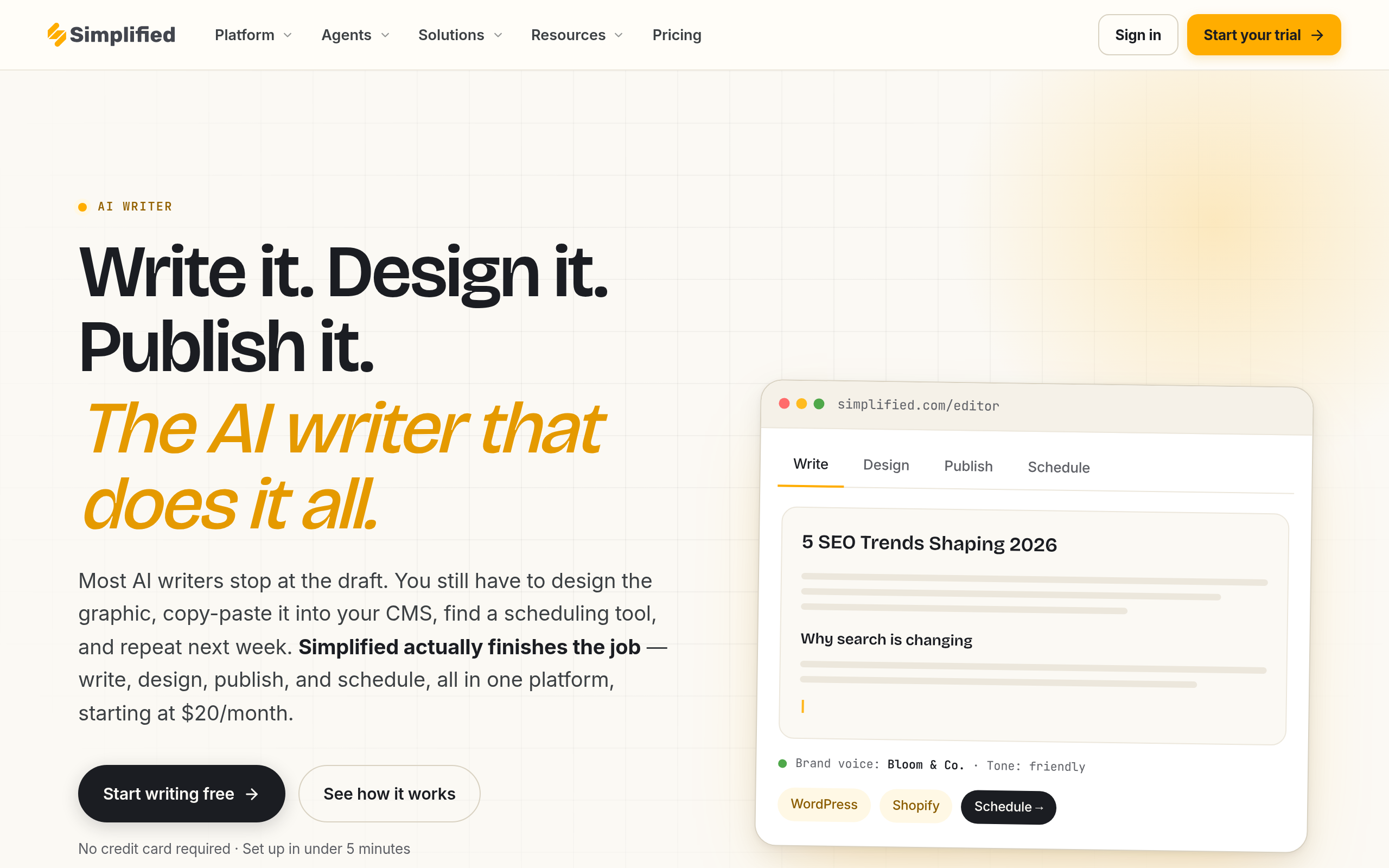
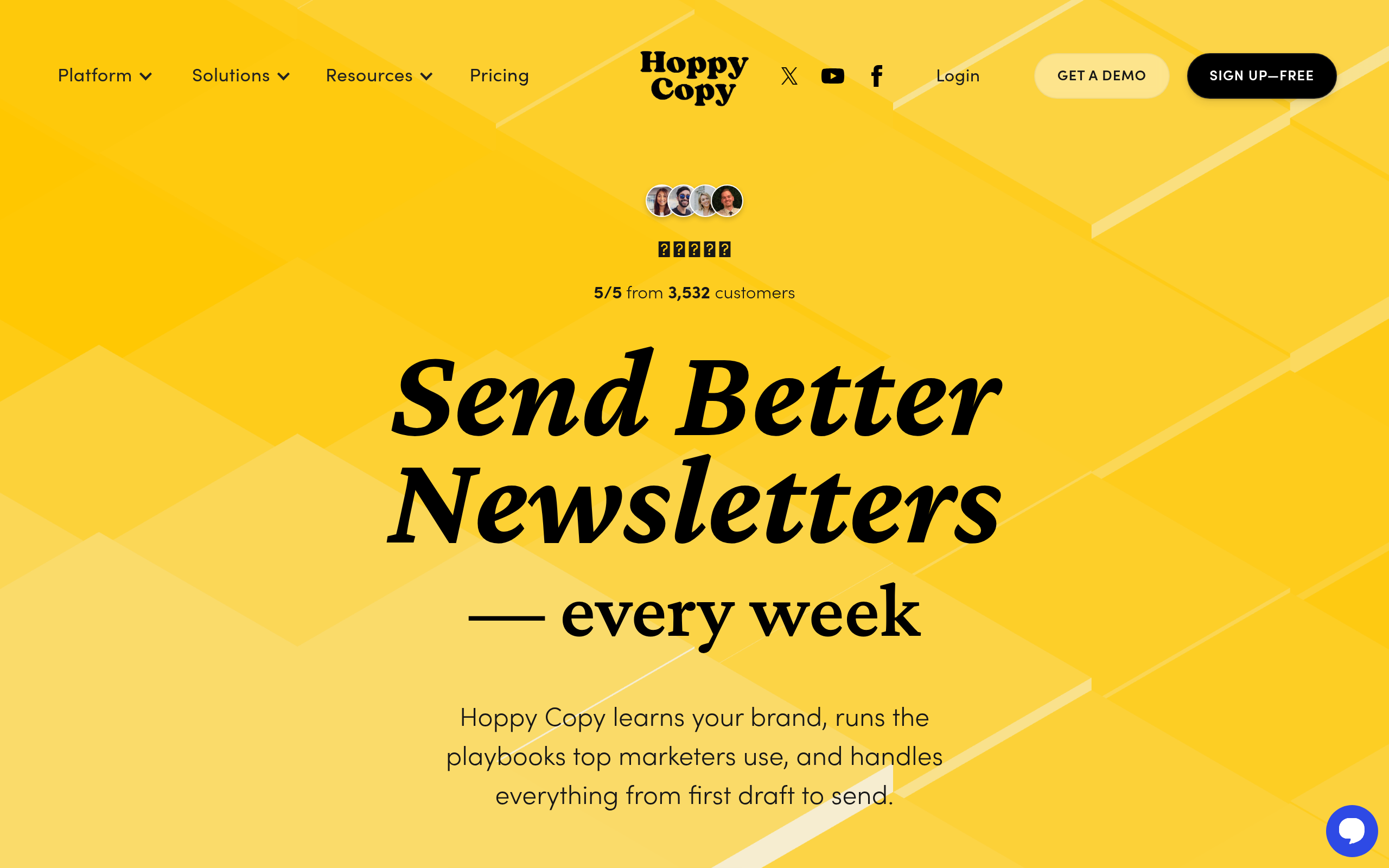
- Best tools: Hoppy Copy for AI newsletter and email writing, Simplified AI Writer for fast content drafting, Smartlead for sending, deliverability and automation, Predis.ai for social posts that grow the list.
- Always email only people who consented, honour unsubscribes, and protect deliverability — AI volume is worthless if it lands in spam.
- Use AI to write and scale; keep the consent clean, the value real and the sender reputation healthy.
AI for newsletters uses AI to speed up every part of running a newsletter — drafting issues, polishing the writing, creating social content to grow the list, and automating the sending — so one person or a small team can produce and distribute a quality newsletter consistently instead of burning out. A newsletter is one of the most durable assets in marketing because you own the relationship with your audience, but it is relentless: every issue has to be written, the list has to keep growing, and the emails have to actually reach inboxes. AI takes a large share of that workload off your plate. What it cannot do is grant you permission to email people or guarantee delivery — consent and deliverability are rules, not features. This guide covers what AI does for newsletters, how to write, grow and automate one, the caveats that protect you, and the best tools in 2026.
What is AI for newsletters?
AI for newsletters is the use of AI tools across the full lifecycle of a newsletter. It covers several jobs. Writing — drafting issues, subject lines, intros and sections, so a blank page becomes an editing task and you can ship consistently. Repurposing — turning one issue into social posts, snippets and threads that promote it and pull in new subscribers. Growth — creating the promotional content across channels that grows the list. And automation and delivery — managing sequences, scheduling, and the technical side of getting email reliably into inboxes. The point is sustainability: most newsletters die not because the idea was bad but because the relentless cadence of writing and promoting wore the creator down. AI lowers the effort of each issue and each promotion enough that a small operation can keep going, keep growing, and keep the quality up — provided the underlying value to the reader stays real and the rules around email are respected.
Writing and growing a newsletter with AI
The two hardest parts of running a newsletter are writing it consistently and growing the list, and AI helps materially with both. On writing, AI turns the blank-page problem into an editing problem: it can draft an issue from your notes, generate subject-line options, tighten your prose, and suggest structure, so producing a polished issue takes a fraction of the time. That consistency matters enormously, because a newsletter only builds an audience if it actually arrives on schedule. On growth, the list rarely grows from the newsletter alone — it grows from promotion, and that means a steady stream of social content pointing people to subscribe. AI makes that sustainable by drafting posts, repurposing each issue into multiple formats, and keeping your channels active without you designing everything by hand. The combination is powerful: AI helps you ship reliably and promote constantly, which are exactly the two behaviours that separate newsletters that grow from those that quietly fade. The one thing AI cannot manufacture is genuine value — readers subscribe and stay for content worth their inbox space, so the human job is making sure each issue earns its place.
Best AI newsletter tools in 2026
| Need | Best tool |
|---|---|
| AI newsletter & email writing | Hoppy Copy |
| Fast content drafting | Simplified AI Writer |
| Sending, deliverability & automation | Smartlead |
| Social posts to grow the list | Predis.ai |
For AI newsletter and email writing, Hoppy Copy is purpose-built for email — drafting issues, subject lines and sequences with email best practices baked in. For fast general content drafting to support your issues and repurposing, Simplified AI Writer produces copy quickly across formats. For sending, deliverability and automation — the technical engine that gets email into inboxes reliably and runs your sequences — Smartlead handles delivery and automation at scale. And for social posts that grow your list, Predis.ai creates the post copy and creatives that point new subscribers to your signup. To go deeper on the whole channel, see our guide to AI for email marketing.
How to run an AI-powered newsletter (step by step)
- Build a consented list — only add people who opted in, and use a clear signup that sets expectations.
- Draft each issue with AI using Hoppy Copy or Simplified AI Writer, then edit for real value and accuracy.
- Set up reliable delivery with Smartlead so issues and sequences reach inboxes, not spam.
- Promote every issue with Predis.ai social posts to keep growing the list.
- Honour unsubscribes instantly and keep your list clean to protect deliverability.
- Watch the metrics — opens, clicks, spam complaints and bounces — and adjust before problems compound.
The consent and deliverability caveat (read this)
This is the part you cannot automate away, and it is where careless newsletter operators get themselves in real trouble. Two rules govern everything. First, consent: you may only email people who have given you permission, and that permission has to be genuine — laws like GDPR in the EU and CAN-SPAM in the US, among others, require a lawful basis to email, clear and honest signups, and an easy, immediate way to unsubscribe that you always honour. Buying lists, scraping addresses, or adding people who never asked is both illegal in many places and self-defeating, because it destroys the trust and the metrics your newsletter runs on. Second, deliverability: writing more issues with AI is worthless if they land in spam, and the spam folder is exactly where sloppy senders end up. Deliverability depends on sender reputation, which you build by emailing engaged people who actually want your content and protect by keeping complaints and bounces low. AI can help you write more and send more, but it does not improve — and can actively harm — your standing if you use that capacity to blast a poorly consented list. The discipline is simple to state and essential to follow: email only people who consented, make every issue worth opening, honour unsubscribes without fail, and watch your deliverability metrics so you catch a reputation problem before it buries you in spam.
Keeping quality and trust as you scale with AI
AI makes it easy to send more, but a newsletter is a trust relationship with an inbox, and that relationship is fragile in a way that volume alone can never fix. The reason newsletters are such a valuable channel is precisely that subscribers chose to let you into their inbox, and they can revoke that choice instantly by unsubscribing or, worse, marking you as spam — which damages your sender reputation and your delivery to everyone else. So scaling with AI has to be paired with protecting the thing that makes the channel work. That means every issue still has to earn its place: AI can draft it, but a human should ensure it is genuinely useful, accurate, and worth the reader's time, because a stream of thin AI-generated filler trains subscribers to ignore or unsubscribe. It means sending at a cadence your audience actually wants rather than the maximum AI makes possible. And it means treating engagement metrics as a feedback loop — falling opens and rising complaints are your readers telling you the value has slipped, and the right response is better content, not more of it. Used well, AI lets you sustain a quality newsletter you could not produce alone; used as a volume machine, it quietly erodes the trust and deliverability the whole channel depends on. The winners use AI to be more consistent and more useful, not merely more frequent.
The bottom line
AI for newsletters speeds up the whole job — writing issues, repurposing them into social content, growing the list and automating delivery — so a small team can run a serious newsletter without burning out. Use Hoppy Copy for AI newsletter and email writing, Simplified AI Writer for fast content drafting, Smartlead for sending, deliverability and automation, and Predis.ai for social posts that grow your list. But remember what AI cannot do: it cannot grant consent or guarantee the inbox. Email only people who opted in, honour unsubscribes, protect your deliverability, and keep every issue genuinely valuable. Use AI to write and scale while keeping the consent clean and the sender reputation healthy, and you build the durable, owned audience that makes newsletters worth running in the first place.
Disclaimer: This is general information, not legal advice. Email is governed by consent and anti-spam laws such as GDPR and CAN-SPAM — only email people who opted in, honour unsubscribes, and protect deliverability. AI content can contain errors; review every issue for accuracy and value before sending.
Tools mentioned in this guide
Pricing, features and model availability can change over time. Always verify current details on each tool's official website before deciding.
Frequently Asked Questions
What is AI for newsletters?
What is AI for newsletters?
What are the best AI tools for newsletters?
What are the best AI tools for newsletters?
Can I email anyone if AI writes my newsletter?
Can I email anyone if AI writes my newsletter?
Does AI help with newsletter deliverability?
Does AI help with newsletter deliverability?
How do I grow a newsletter with AI?
How do I grow a newsletter with AI?
Will AI-written newsletters hurt my subscriber trust?
Will AI-written newsletters hurt my subscriber trust?
Don't just pick a tool — get the whole workflow
Tell Comparee your goal and get a complete step-by-step AI workflow with the right tool for every step.