Best AI Voice Generators and Voice Cloning Tools in 2026
The best AI voice generators and voice cloning tools in 2026, compared by use case — narration, voice cloning, transcription, music and localization. Comparee's
Key takeaways
- AI voice tools split into TTS/voiceover, voice cloning, transcription and music — the best pick depends on which you need.
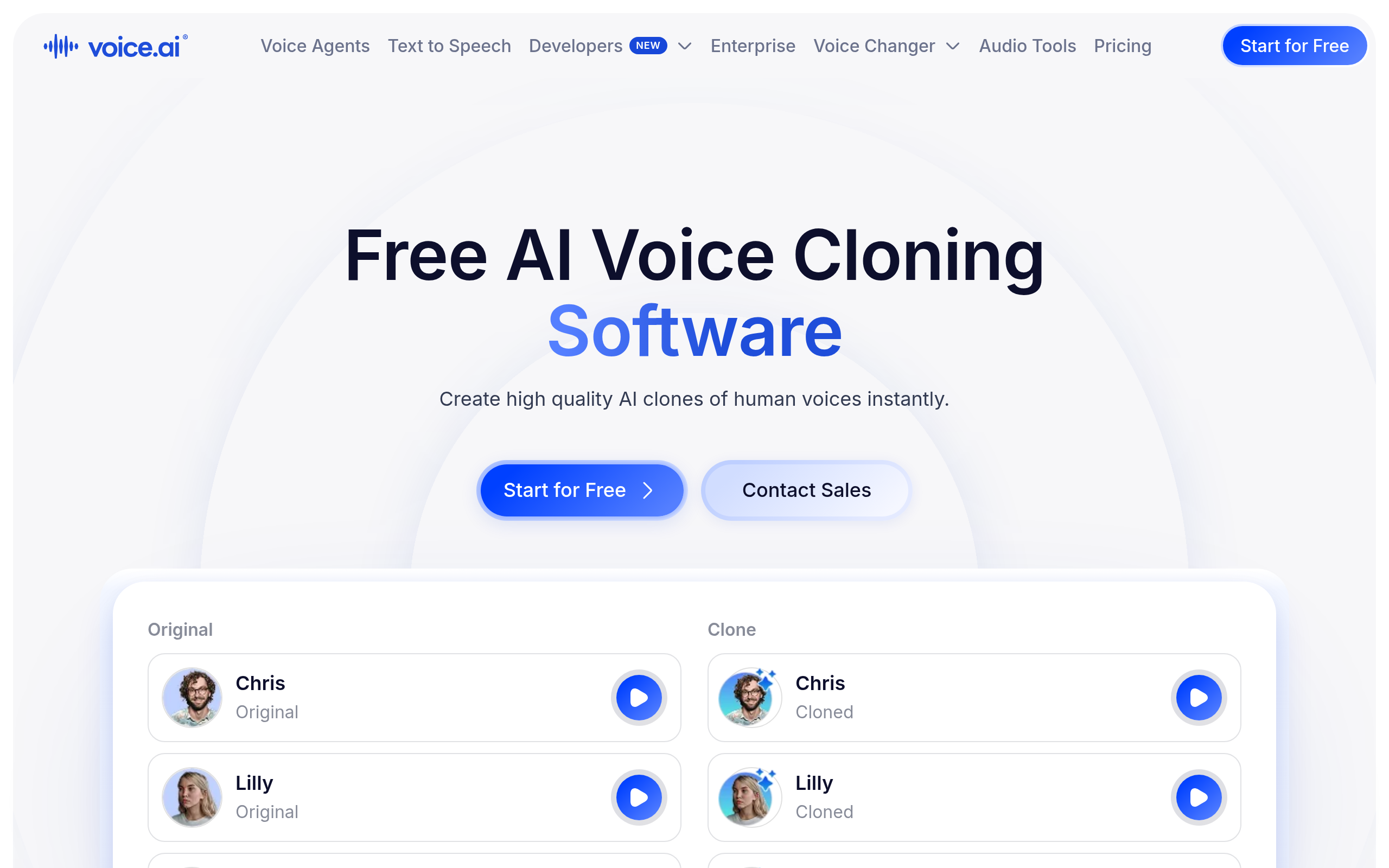
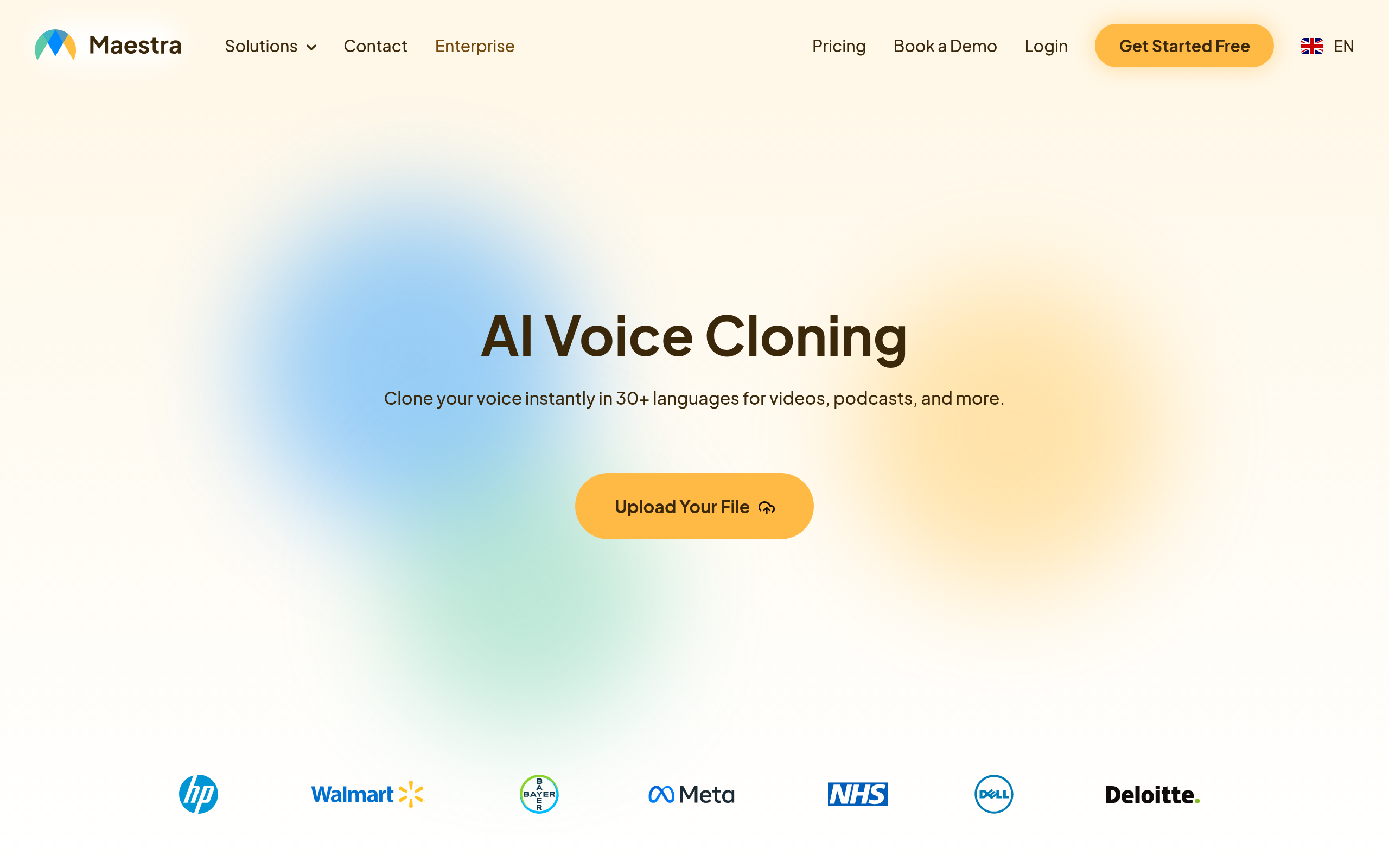
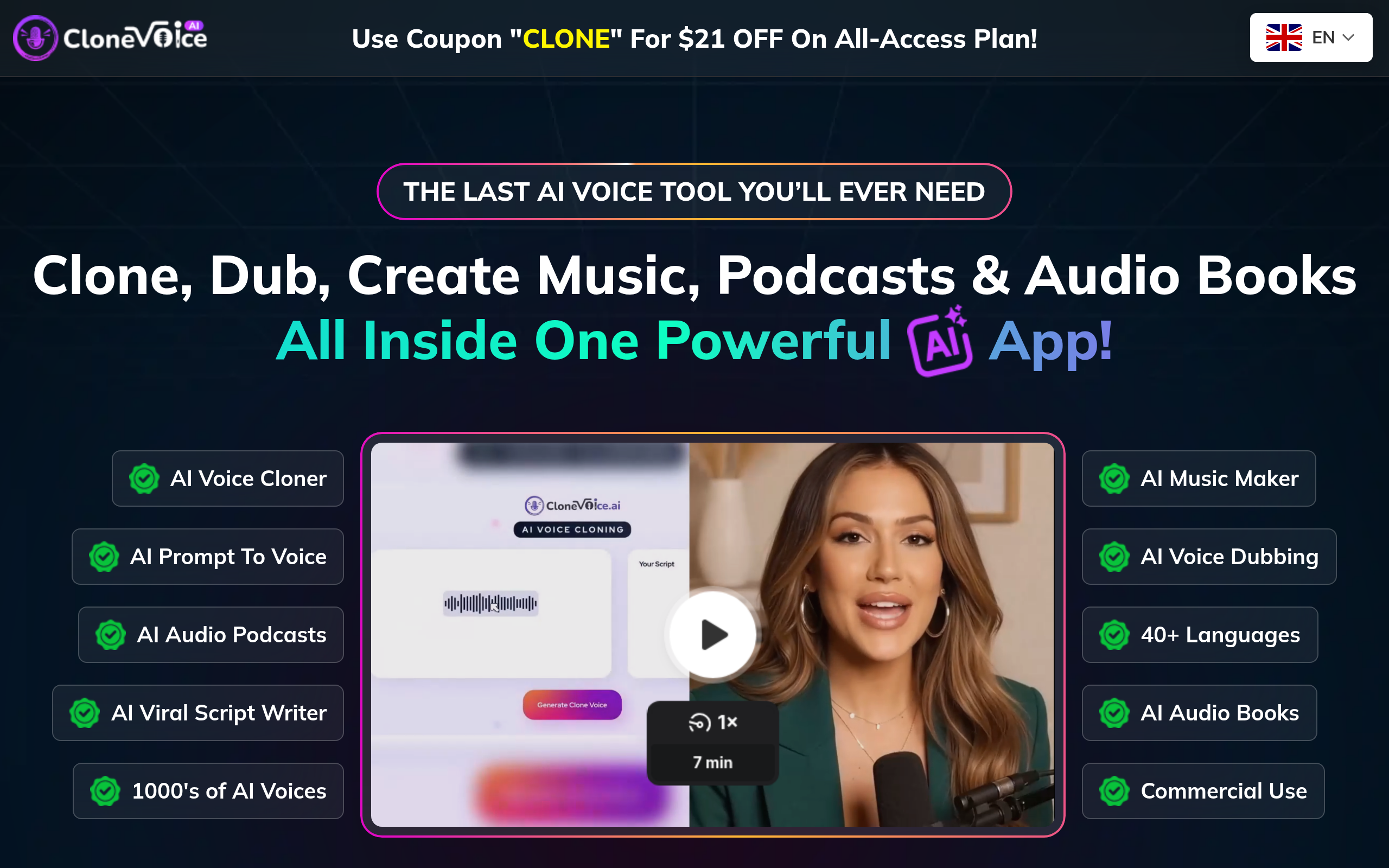
- For general voice/TTS, Voice.ai; for voice cloning, Maestra AI Voice Cloning and CloneVoiceAI.
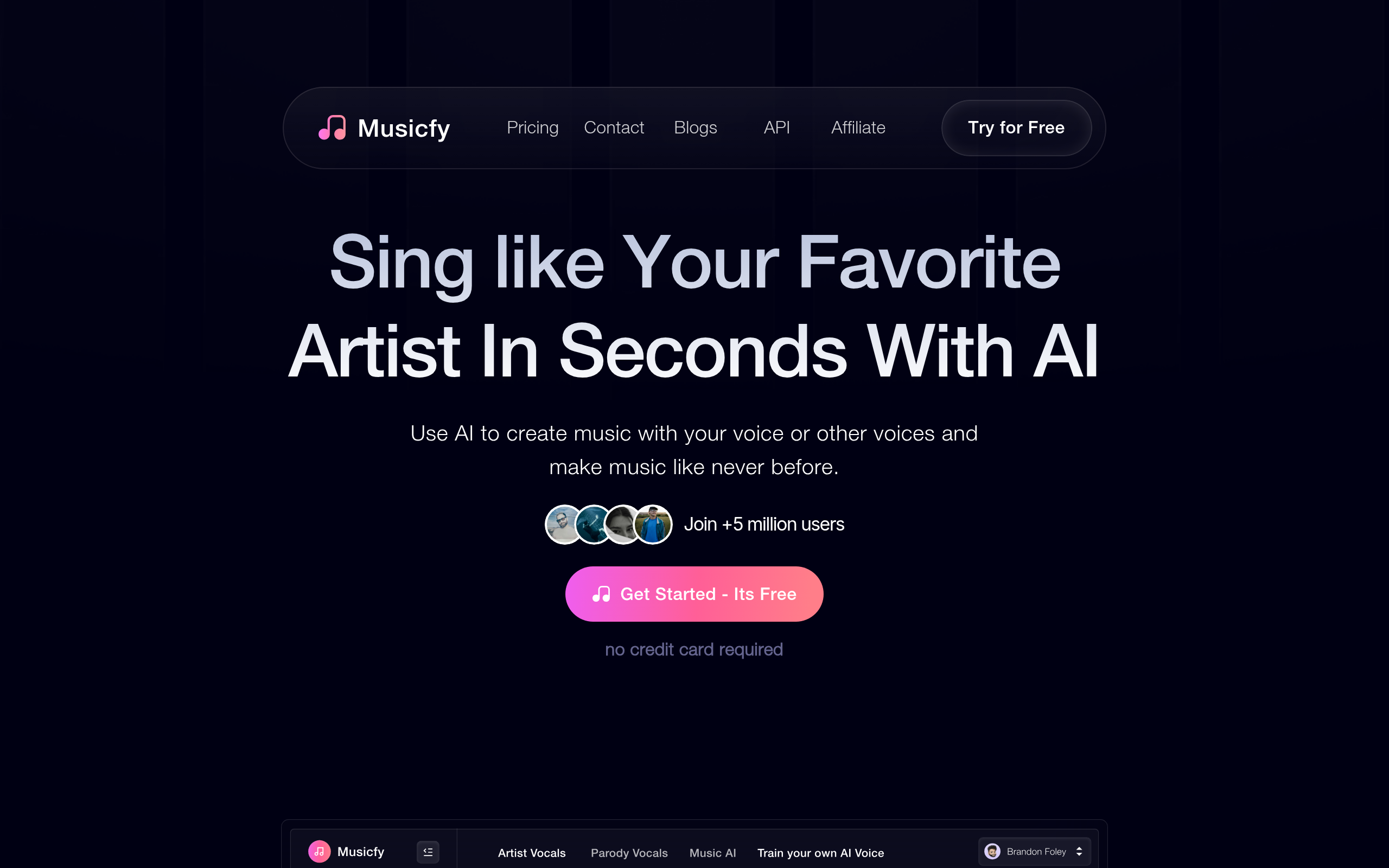
- For transcription/APIs, Deepgram; for AI music/singing, Soundverse AI and Musicfy AI.
- Always review pronunciation — names and brand terms are where AI voices slip.
"AI voice generator" is an umbrella over several different jobs: text-to-speech and voiceover, voice cloning, transcription, and AI music. The right tool depends on which you need — a voiceover tool isn't a cloning tool, and a music generator isn't a transcription engine. This guide compares the best AI voice tools in 2026 by use case, using real tools from the Comparee catalog.
It helps to remember that "AI voice" is not one technology but several that happen to share a category page. Turning text into a spoken voiceover, copying a specific person's voice, transcribing speech into text, and generating music or singing are different problems solved by different models — and a tool that excels at one is often unremarkable at another. That's the most common source of disappointment: someone picks a music generator expecting clean narration, or a transcription API expecting expressive voiceover. The table below sorts the tools by the actual job so you can match the technology to what you need rather than to a label.
The short answer
For general voice and text-to-speech, Voice.ai is a strong starting point. For cloning a specific voice, Maestra AI Voice Cloning and CloneVoiceAI are purpose-built. For transcription and developer APIs, Deepgram. And for AI music and singing voices, Soundverse AI and Musicfy AI.
Best AI voice tools by use case
| Use case | Best pick | Why |
|---|---|---|
| General voice / TTS | Voice.ai | Versatile text-to-speech and voice changing |
| Voice cloning | Maestra AI Voice Cloning / CloneVoiceAI | Clone a specific voice |
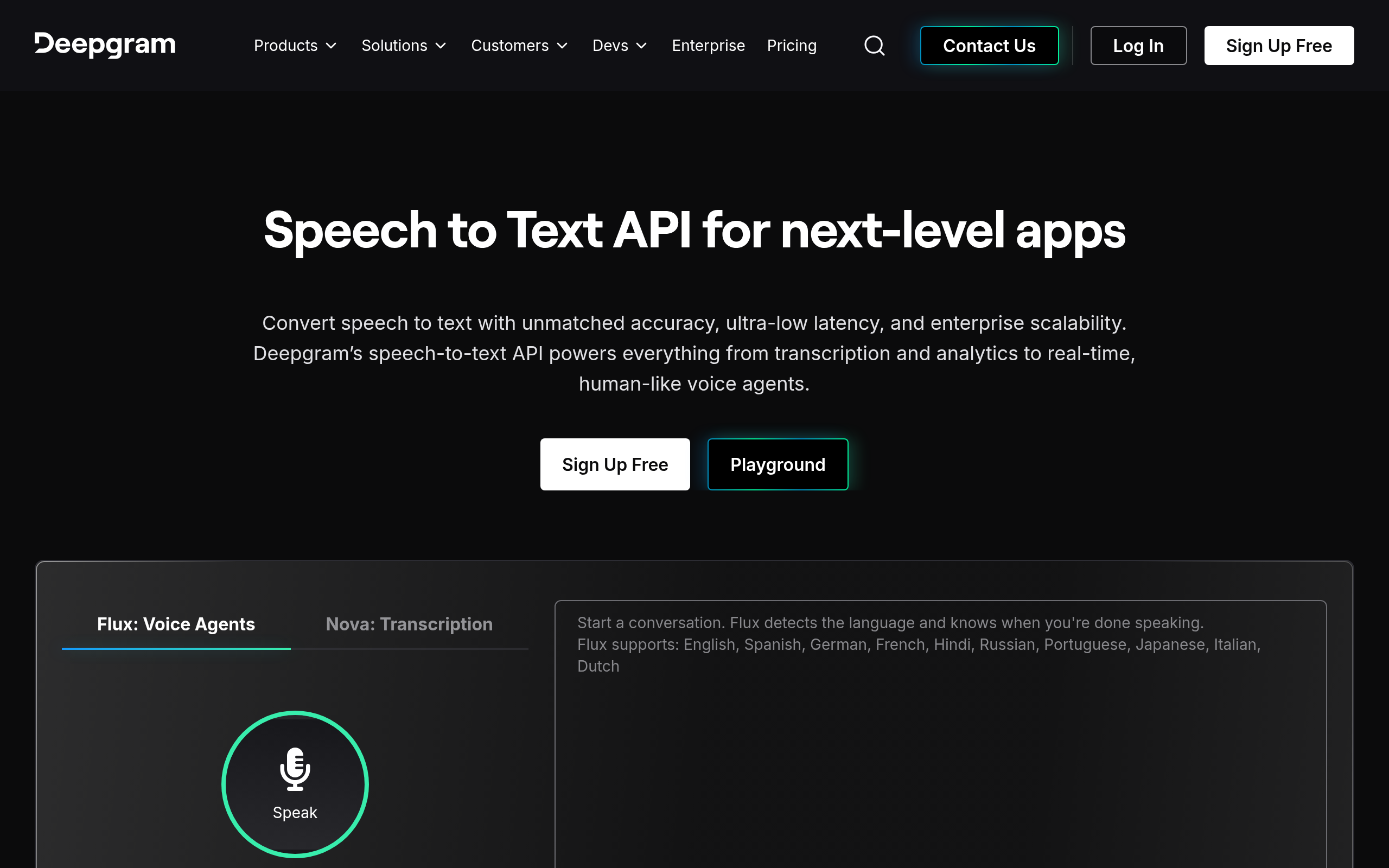
| Transcription / API | Deepgram | Speech-to-text for developers |
| AI music / singing | Soundverse AI / Musicfy AI | Generate music and vocals |
| Meeting / live audio | KUDO / Rezo.ai | Live interpretation / voice AI |
Best for voiceover and cloning: Voice.ai, Maestra and CloneVoiceAI
Voice.ai is a flexible pick for general text-to-speech and voice changing, useful for content, gaming and quick narration. When you need a specific voice reproduced, Maestra AI Voice Cloning and CloneVoiceAI are built for cloning — the same voice across many scripts without re-recording. Cloning raises consent questions, so only clone voices you have the right to use.
Best for transcription and music: Deepgram, Soundverse and Musicfy
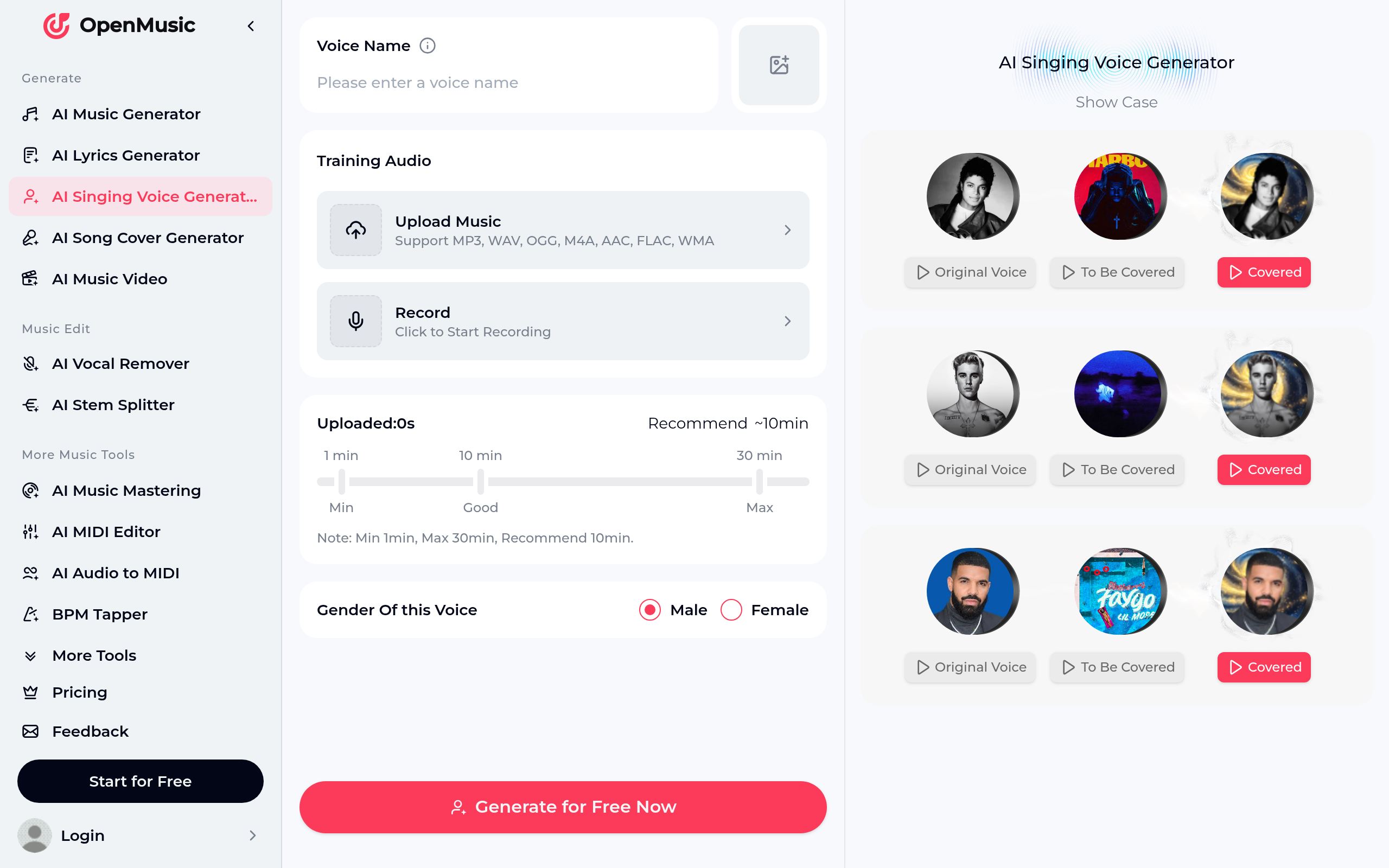
For turning speech into text — captions, search, analytics — Deepgram is a developer-focused speech-to-text API that handles scale. On the creative side, Soundverse AI generates AI music and Musicfy AI focuses on AI vocals and singing voices, which are a different category from spoken-word TTS. OpenMusic AI Singing Voice Generator is another option for singing specifically.
Best for live and meetings: KUDO and Rezo.ai
For live scenarios, KUDO handles live interpretation across languages, and Rezo.ai applies voice AI to customer interactions. These are real-time tools, distinct from generating a voiceover file — choose them when the audio is happening live rather than being produced in advance.
How to choose, and a quality note
Name the job first: produce a voiceover (Voice.ai), reproduce a known voice (Maestra, CloneVoiceAI), transcribe speech (Deepgram), or generate music (Soundverse, Musicfy). The categories don't overlap, so picking by job avoids the common mistake of expecting a music tool to narrate well. Whatever you pick, always review pronunciation — names, brand terms, numbers and acronyms are where AI voices stumble, and a quick human pass is the difference between a clip that sounds professional and one that feels off.
Comparee recommendation
- Voiceover / TTS? → Voice.ai.
- Voice cloning? → Maestra AI Voice Cloning or CloneVoiceAI.
- Transcription? → Deepgram.
- Music / vocals? → Soundverse AI or Musicfy AI.
Choose by the job, and review the output before you ship it. Compare the options in the top voice tools and the voice & audio category on Comparee.
How to get the best results from AI voice
The quality of AI audio is decided mostly by your inputs and your review. For voiceover, write for the ear, not the eye — short sentences, natural phrasing, and punctuation that signals pauses, because a tool like Voice.ai reads what you give it. For cloning with Maestra AI Voice Cloning or CloneVoiceAI, clean source audio produces a clean clone; noisy input produces an off-sounding voice. For transcription with Deepgram, audio quality and clear speech drive accuracy. And across all of them, give the tool context where you can — a list of names, brand terms and technical words prevents the most common and most noticeable errors. The single step people skip and regret is the pronunciation review: names, numbers, dates and acronyms are where AI voices slip, so a quick listen-through on exactly those elements is the difference between professional and amateur.
Ethics, consent and cost
Voice cloning raises real consent questions — only clone voices you own or have explicit permission to use, and be transparent when audio is AI-generated, because misuse of someone's voice is both a trust and a legal problem. On cost, most of these tools offer free tiers or trials that are enough to judge quality before paying; voiceover and music generators in particular let you test the output on a real script or track first. Upgrade when you need higher-quality voices, longer output, commercial rights or cloning features, and pay for the one tool that fits your main job rather than collecting several. Used responsibly, AI voice turns hours of recording or hiring into minutes — but the review pass and the consent check are what keep the result trustworthy.
As AI voices get more convincing, the responsibility that comes with them grows too. A cloned voice is powerful for legitimate uses — accessibility, localisation, scaling a creator's content — and harmful when used without consent. Treating that line seriously isn't just ethics, it's brand protection: audiences trust creators who are transparent about AI audio and lose trust fast when they feel deceived. Pick the tool that fits the job, review the output for pronunciation, and be honest about what's synthetic. Done that way, AI voice is a genuine superpower for anyone producing audio at scale.
A practical first step is to run the same short script through two candidates in your shortlist and listen back-to-back — the right tool for your voice, language and tone is usually obvious within a minute, and far clearer than any spec comparison. Trust your ear, then check the pronunciation of your specific terms before you commit.
As the technology keeps improving, the tools will only get more capable — but the fundamentals stay the same: clean input, the right tool for the job, a careful review of names and terms, and clear consent when you reproduce a real voice. Get those right and the output will sound professional regardless of which tool you choose.
The bottom line
The best AI voice tool depends on whether you need voiceover, cloning, transcription or music. Voice.ai covers general TTS, Maestra and CloneVoiceAI handle cloning, Deepgram does transcription, and Soundverse and Musicfy generate music. Test on real content, always review pronunciation, and respect consent when cloning voices.
Tools mentioned in this guide
Pricing, features and model availability can change over time. Always verify current details on each tool's official website before deciding.
Frequently Asked Questions
What is the best AI voice generator in 2026?
What is the best AI voice generator in 2026?
What is the best AI voice cloning tool?
What is the best AI voice cloning tool?
Can AI transcribe audio to text?
Can AI transcribe audio to text?
Is AI voice good enough for professional use?
Is AI voice good enough for professional use?
Are AI voice tools free?
Are AI voice tools free?
Don't just pick a tool — get the whole workflow
Tell Comparee your goal and get a complete step-by-step AI workflow with the right tool for every step.