Best AI Tools for Making Song Covers & Remixes in 2026
Compare the top AI tools for song covers and remixes in 2026 — voice cloning, style transfer, pricing, and the legal and ethical rules you need to know.
- The best AI tools for song covers use either voice conversion (real-time swap) or voice cloning (trained model) — the distinction matters for choosing the right platform.
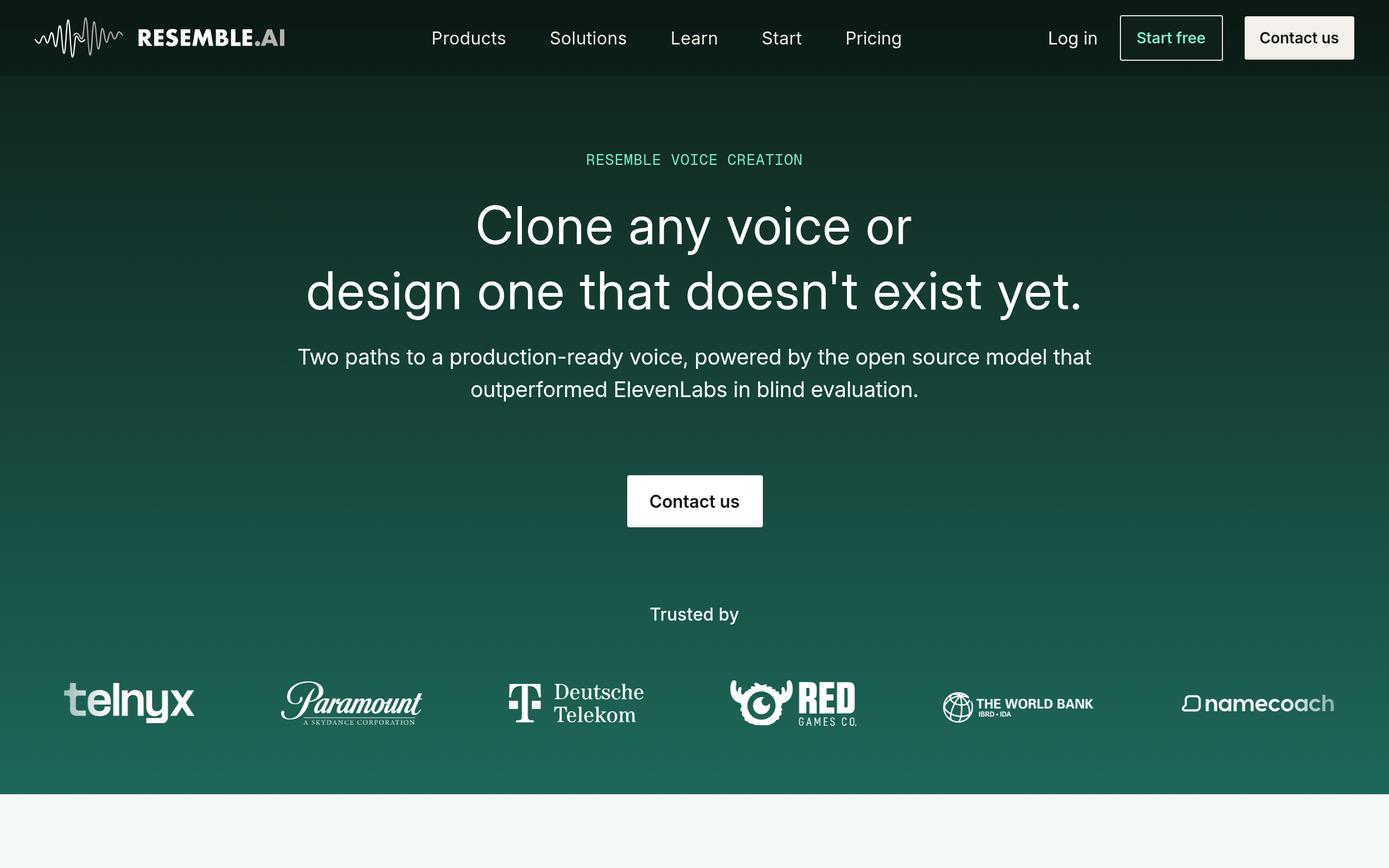
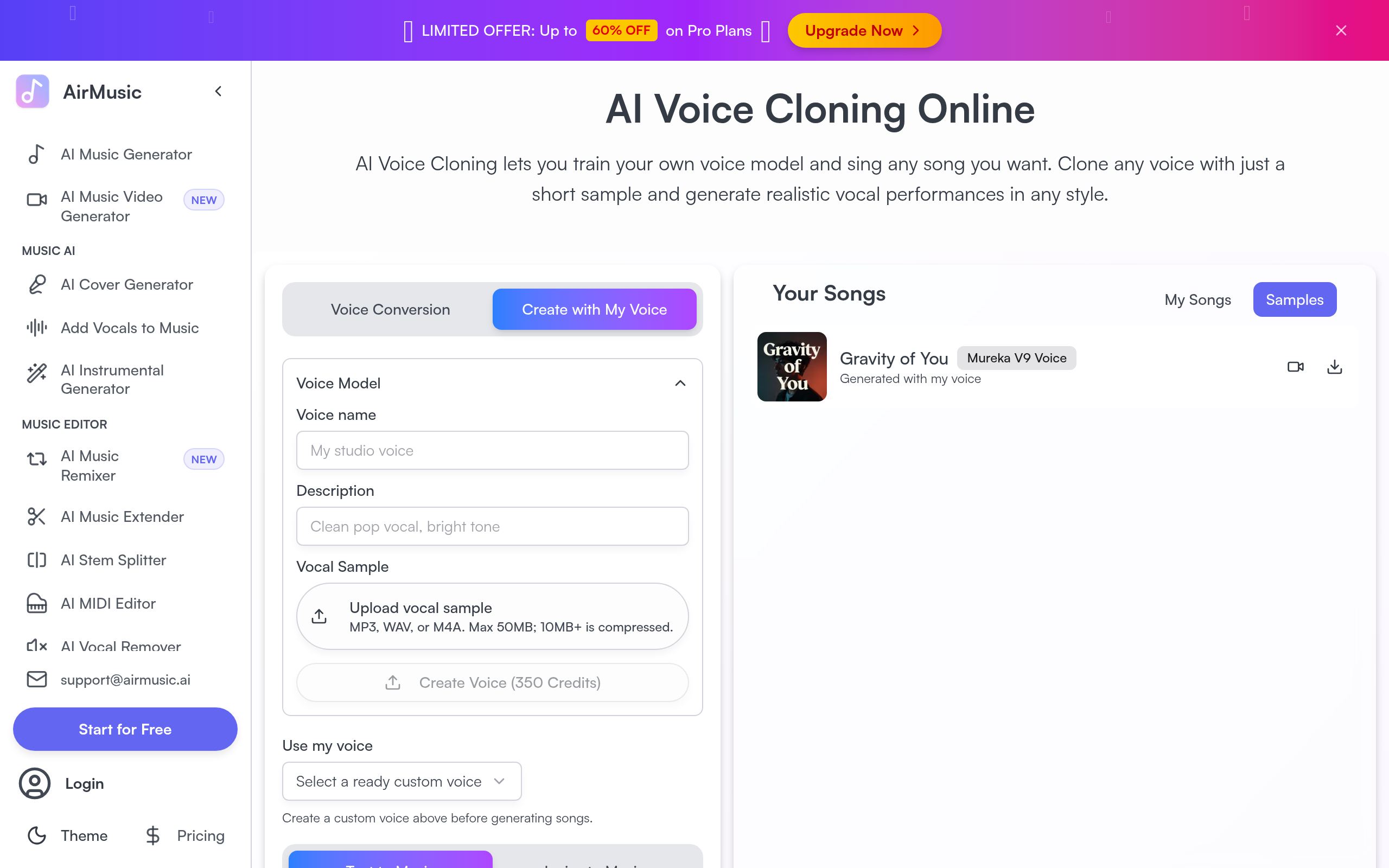
- Resemble AI Voice Creation and AirMusic Voice Cloning lead the Comparee catalog for cover-specific voice work; AIVA is the top pick for original remix instrumentals.
- Free tiers let you experiment, but commercial distribution almost always requires a paid plan plus a mechanical license for the underlying composition.
- Cloning a living artist's voice without explicit consent is ethically wrong and legally risky — several major labels are actively pursuing enforcement in 2026.
- Real-time voice conversion (Voice.ai) suits live streamers and performers; API-driven cloning (Resemble AI Voice Creation) suits studios and developers.
- Always secure a mechanical license before distributing any cover commercially, regardless of how it was produced.
The short answer: Resemble AI Voice Creation and AirMusic Voice Cloning are the strongest picks for AI-powered song covers in 2026, while AIVA is the clear choice for generating original backing tracks and remix arrangements. Which tool actually fits your project depends on whether you need voice cloning, real-time conversion, or fresh composition — and whether you have the rights to distribute what you make.
What Are the Best AI Tools for Song Covers and Remixes in 2026?
The table below is the quick-verdict matrix for the tools in this guide. All are available in the Voice, Audio & Music Comparee category (except AIVA, which sits in Writing & Content Creation) and all offer at least a free tier.
| Tool | Best For | Comparee Score | Free Tier |
|---|---|---|---|
| Resemble AI Voice Creation | Studio-quality voice cloning, developer API, professional covers | 94 | Yes |
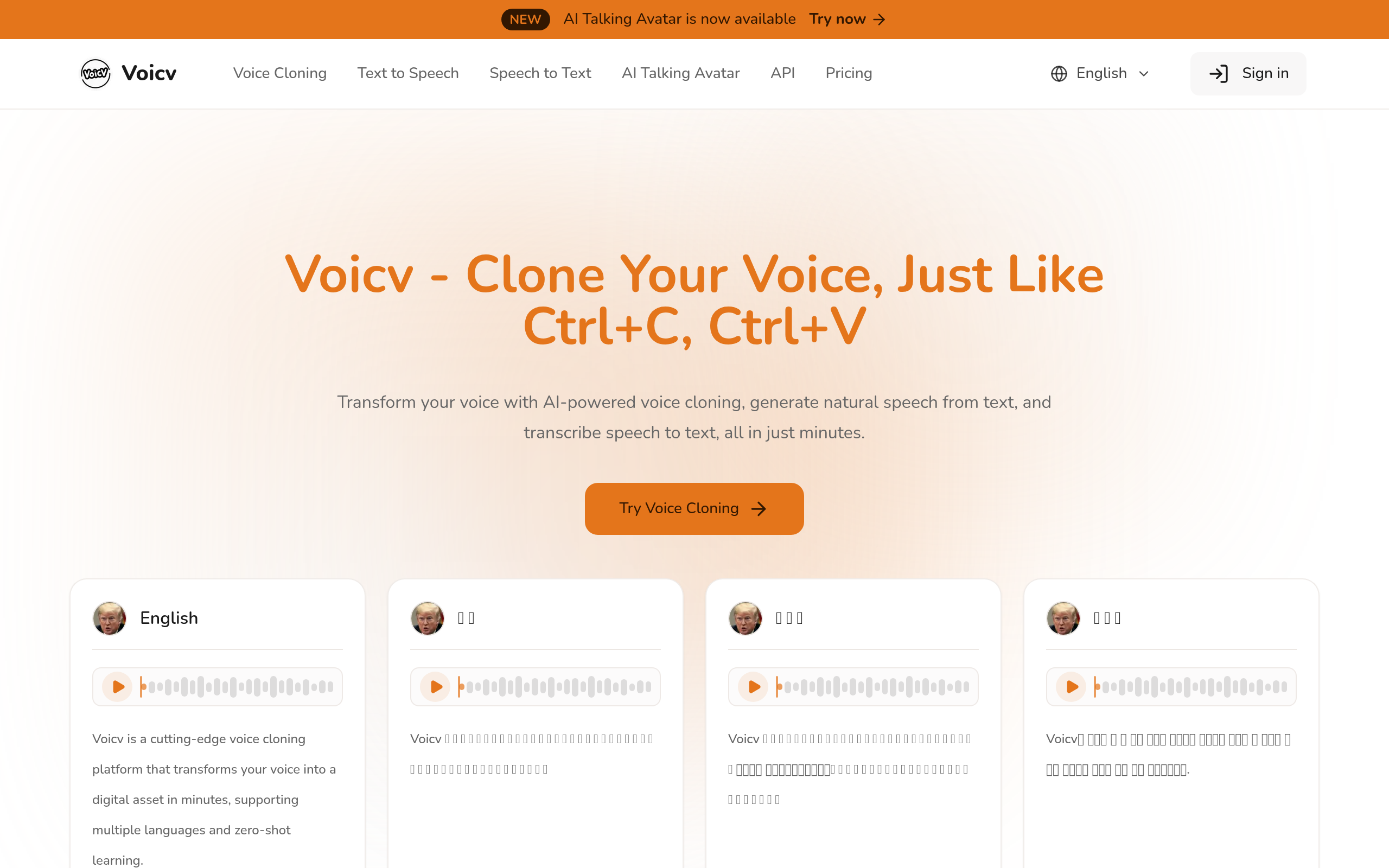
| Voicv | Fast voice conversion, accessible interface, quick demos | 94 | Yes |
| AirMusic Voice Cloning | Music-specific voice cloning, song-cover workflow | 83 | Yes |
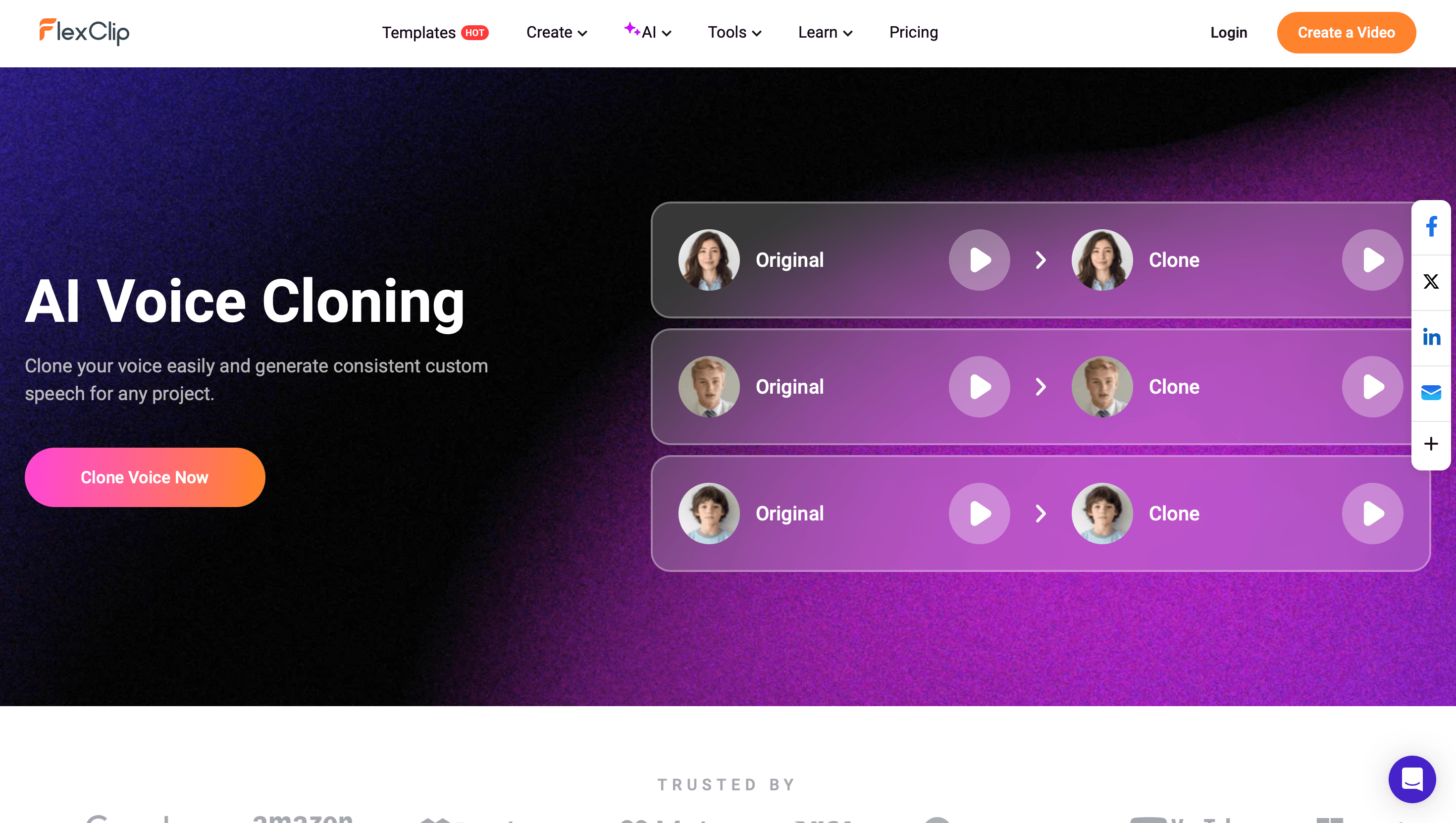
| AI Voice Cloning | General-purpose cloning, cover experimentation | 83 | Yes |
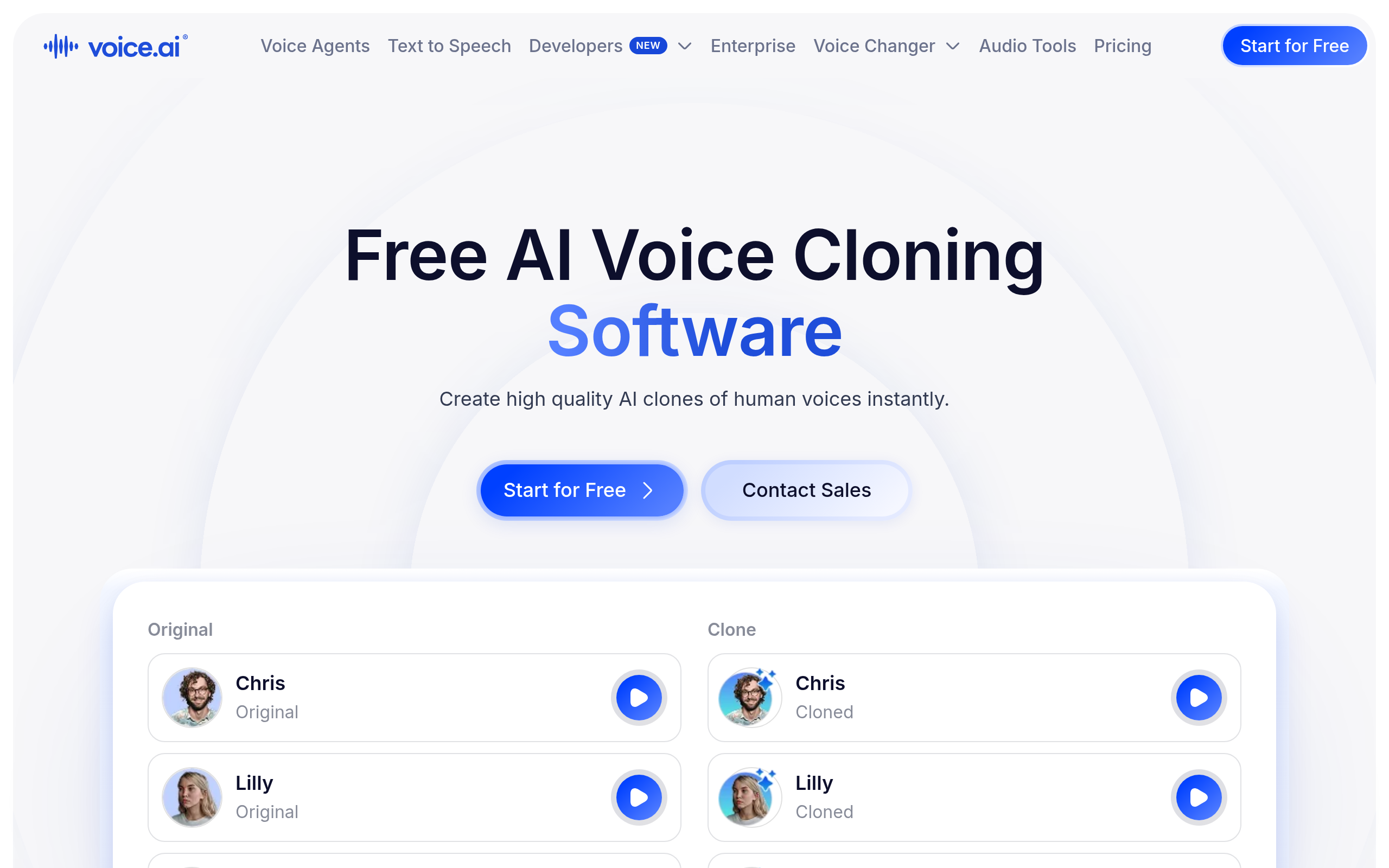
| Voice.ai | Real-time voice conversion, live streaming, live performance | 83 | Yes |
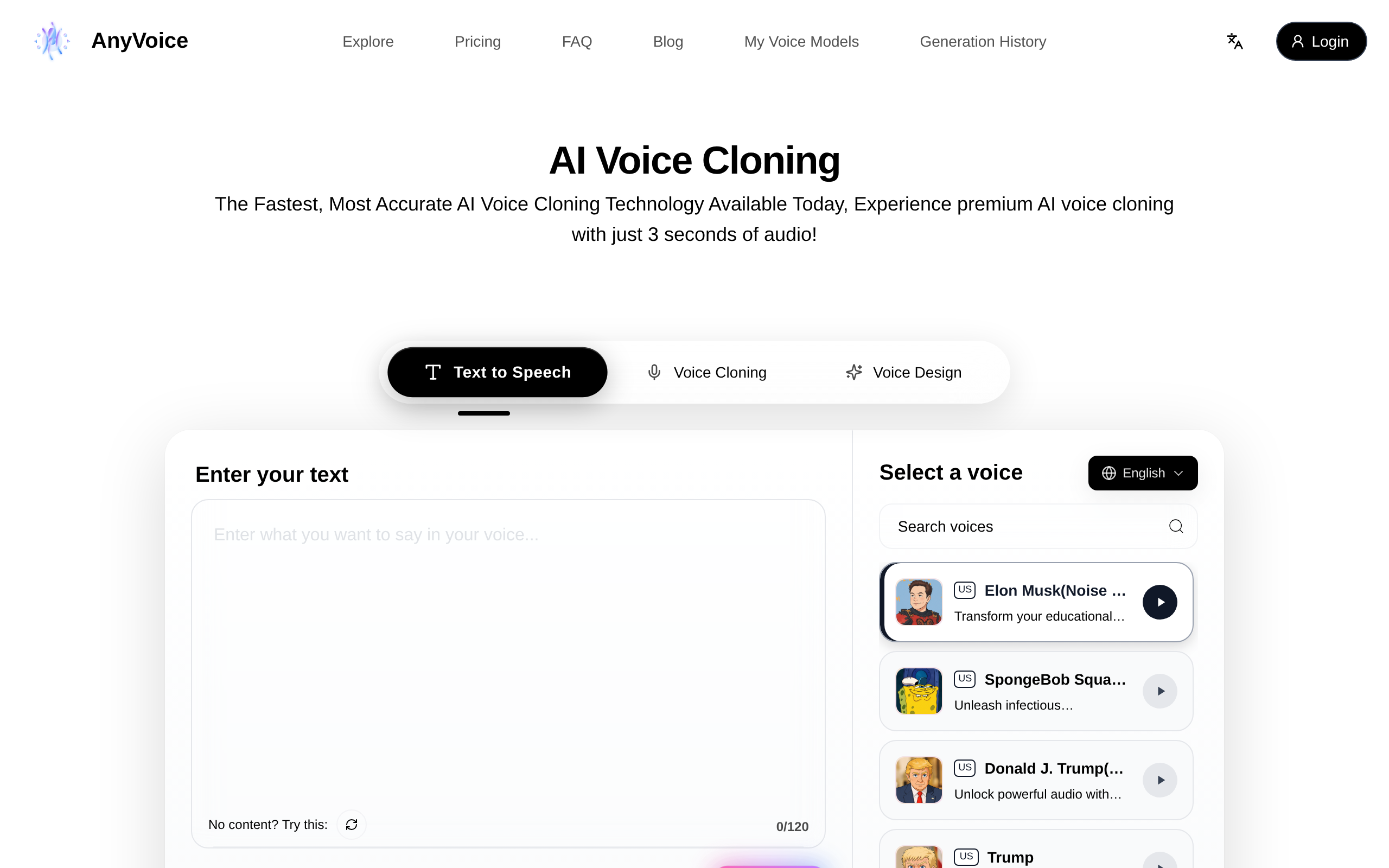
| AnyVoice | Multi-voice experimentation, A/B testing vocal styles | 83 | Yes |
| AIVA | AI-composed original backing tracks, remix arrangements | 83 | Yes |
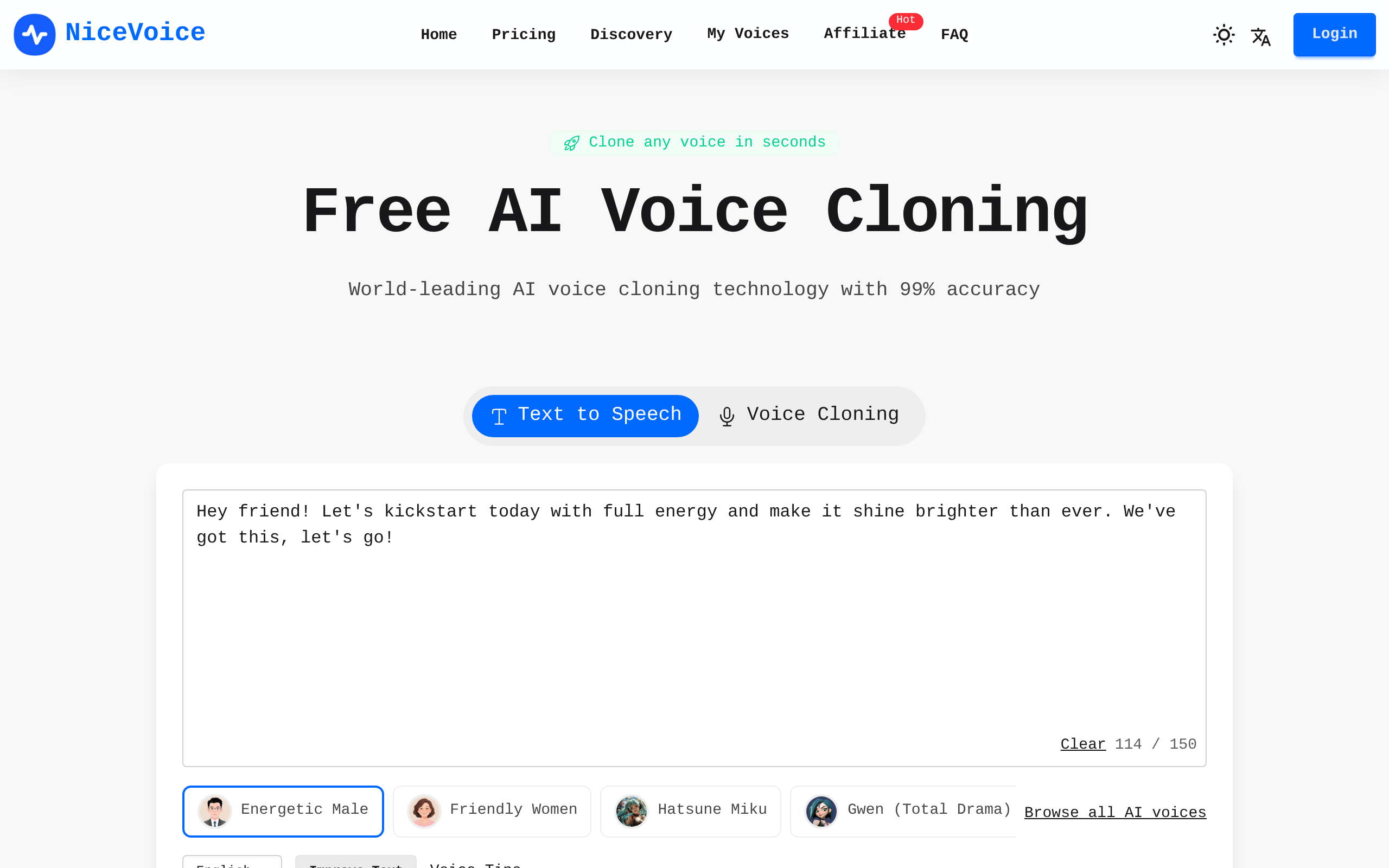
| NiceVoice | Clean voice output, beginner-friendly cover projects | 83 | Yes |
How Do AI Song Cover and Remix Tools Actually Work?
Two distinct technologies get lumped under "AI song covers," and confusing them leads to choosing the wrong tool:
- Voice conversion: Takes an existing vocal performance and maps it onto a different voice model — in real time or near-real time. You sing (or use an existing recording) and the model changes the timbre, style, and character to match the target voice. Voice.ai and Voicv work this way. Low setup, fast output, but quality depends on how well the source and target voices align.
- Voice cloning + synthesis: A model is trained on audio samples of a specific voice, then used to synthesize new vocal audio from text or MIDI input. Resemble AI Voice Creation operates at a professional level here; AirMusic Voice Cloning applies this specifically to musical contexts. Higher quality ceiling, but requires more preparation and data.
For remixes, the workflow is different again. Stem separation — splitting a mixed track into vocals, drums, bass, and instrumentation — comes first, then you apply effects, change key or tempo, or feed stems into a new arrangement. AIVA skips the stem-separation step entirely: it generates original music from style descriptors, giving you a clean instrumental you can layer vocals over with full ownership.
Knowing which approach fits your goal saves significant time. Voice conversion is fast and requires minimal setup; voice cloning produces more realistic singing results but needs clean training data and more time investment.
Which AI Tool Is Best for Voice Cloning on Song Covers?
Cover-quality voice cloning depends on three things: how much audio you feed into training, the model's pitch accuracy across the vocal range, and whether it handles the dynamics and breath patterns of singing (not just speech). Most tools are originally built for text-to-speech and repurposed for music — which is why AirMusic Voice Cloning stands out: it is specifically designed around song-cover use cases.
| Tool | Training Data Needed | Inference Speed | Pitch Accuracy (Singing) | API / Integration | Music-Specific Mode |
|---|---|---|---|---|---|
| Resemble AI Voice Creation | Minutes to hours of audio | Fast | High | Yes (REST API) | Partial |
| AirMusic Voice Cloning | Short clip (tool-dependent) | Medium | High | Limited | Yes |
| AI Voice Cloning | Short clip | Fast | Medium–High | Limited | No |
| AnyVoice | Short clip | Fast | Medium | No | No |
| Voicv | Short clip | Very fast | Medium | Limited | No |
| NiceVoice | Short clip | Fast | Medium | No | No |
Resemble AI Voice Creation is the standout for developers and studios that need programmatic access — the REST API lets you embed voice synthesis directly in a production pipeline, making it the right choice if you're building a cover-generation product rather than doing one-off covers manually. AirMusic Voice Cloning is the obvious pick for musicians whose workflow centers on song-cover production: the music-specific pipeline handles pitch consistency and melismatic runs better than generic TTS-first systems.
For quick demos or personal projects where you just want to hear what a cover would sound like, Voicv and NiceVoice provide the lowest barrier to entry. Expect to do some pitch cleanup on challenging vocal passages, but for testing an idea before investing in a full production, they are more than adequate.
What Are the Best AI Tools for Remixes and Style Transfer?
A remix is not the same as a cover. A cover re-records or re-voices a song; a remix restructures the existing audio — changing tempo, key, instrumentals, or the genre feel. The tool that fits your use case depends on which layer of the track you are working on.
| Use Case | Recommended Tool | Notes |
|---|---|---|
| Original remix instrumental | AIVA | Generates fully original music you can own; free plan available with attribution requirement |
| Voice swap on existing backing track | AirMusic Voice Cloning | Music-focused pipeline handles pitch better than speech-first cloners |
| Real-time voice conversion | Voice.ai | Low latency, integrates with streaming setups, broad model library |
| Studio-quality cover with API workflow | Resemble AI Voice Creation | Best output quality for professional releases; usage-based pricing above free tier |
| Quick demo / personal project | Voicv or NiceVoice | Fast output, free tier sufficient for testing; limited commercial use |
| A/B testing vocal styles on one track | AnyVoice | Flexible multi-voice swapping useful during creative development |
One approach gaining popularity for remixes: generate a fresh original instrumental with AIVA, which removes copyright risk from the backing track entirely, then layer a voice using AI Voice Cloning or AirMusic Voice Cloning. The composition is original, so you own it fully — and the vocal layer, if it's your own voice, adds no rights complications. This is the cleanest production path for independent artists.
For reference, well-known tools like Suno AI and Udio (outside the Comparee catalog) generate full songs from text prompts and are worth evaluating if you want complete original generation. However, for the voice-on-a-track workflow that defines most cover projects, the catalog tools above are more targeted.
Is It Legal to Make AI Song Covers? Copyright, Consent, and Ethics
This section matters more than the tool comparison. Get this wrong and your cover — regardless of how good it sounds — gets taken down, and you may face legal exposure.
The two copyright layers in every song
Most popular songs have two separate rights layers: the composition (melody and lyrics, controlled by the publisher and songwriter) and the master recording (the specific recorded version, controlled by the label or artist). An AI cover creates a new master recording — so you may not infringe the master rights — but it absolutely uses the composition. That means you almost certainly need a mechanical license to distribute a cover commercially, whether it was recorded by a human or generated by AI.
Mechanical licensing services handle this in most markets. In the US, DistroKid's built-in cover licensing, Songtrust, Songfile, or Easy Song Licensing are standard routes. Without a mechanical license, distributing a commercial cover — even one with a radically different vocal or sound — is a DMCA takedown waiting to happen.
Voice cloning and artist consent
Cloning a real artist's voice — even when training the model on publicly available recordings — raises serious consent issues that go beyond what any tool's terms of service resolves for you. Multiple major label groups have already sent cease-and-desist letters to platforms hosting unauthorized AI covers using specific artist voice models. In 2026, the industry norm is moving firmly toward requiring explicit consent and revenue-sharing agreements with artists before any AI-cloned voice can be distributed publicly.
The ethical standard is unambiguous: do not clone a living artist's voice without their explicit, documented consent, regardless of what a platform technically permits. This applies with double force to any commercial use. Voice cloning without consent is not a gray area — it is a consent violation that also carries real legal risk as courts develop precedent in this space.
What is safe to do in 2026
- Your own voice, your own model — fully safe; no third-party consent issues.
- AI-composed original instrumentals (e.g., via AIVA) — safe; no existing composition rights involved.
- Licensed covers with mechanical license — safe for distribution; instrumental must not reproduce the original master.
- Public-domain compositions (pre-1928 in the US) — the composition is free to use; watch for master rights if you also use a specific recording.
- Covers made with documented artist consent — safe; get it in writing and keep it.
Cover licensing requirements apply equally to AI-generated and human-recorded covers. The technology does not change the underlying rights framework — it only adds the additional consent layer for cloned voices. Plan your licensing before you start production, not after.
How Much Do These AI Cover Tools Cost?
Pricing changes frequently in this space, so the table below describes model types. Verify current pricing directly on each tool's site before committing.
| Tool | Free Tier | Paid Model | Commercial Use on Free Plan? |
|---|---|---|---|
| Resemble AI Voice Creation | Yes (limited minutes/month) | Usage-based + subscription tiers | No — requires paid plan |
| Voicv | Yes | Subscription | Check current terms |
| AirMusic Voice Cloning | Yes | Subscription or credits | Check current terms |
| AI Voice Cloning | Yes | Subscription | Check current terms |
| Voice.ai | Yes | Subscription | Check current terms |
| AnyVoice | Yes | Subscription or credits | Check current terms |
| AIVA | Yes (attribution required) | Subscription | No on free — attribution required; paid plan removes restriction |
| NiceVoice | Yes | Subscription | Check current terms |
The pattern is consistent across all tools: free tiers are for experimentation and personal projects; commercial distribution — streaming platforms, YouTube monetization, paid downloads, sync licensing — requires a paid plan. Build this into your project budget before starting.
Which AI Cover Tool Is Right for You? Comparee's Verdict
Comparee's verdict by creator profile:
- Independent musician making personal YouTube covers: Comparee's verdict: AirMusic Voice Cloning is the best choice for music-focused voice swaps on original recordings of your own voice. Pair with a mechanical license for any copyrighted song. The free tier covers experimentation; upgrade when you're ready to monetize.
- Developer building a cover-generation product: Comparee's verdict: Resemble AI Voice Creation is the best choice — the REST API depth, output quality, and usage-based pricing model are purpose-built for production pipelines at scale.
- Producer creating AI-assisted remix instrumentals: Comparee's verdict: AIVA is the best choice for generating original arrangements you fully own. Combine it with a recorded or AI-generated vocal layer for a complete, rights-clean track.
- Live streamer or performer wanting real-time voice effects: Comparee's verdict: Voice.ai is the best choice — low latency, broad model library, and solid integration with common streaming setups make it the practical pick for live contexts.
- Beginner experimenting with AI covers for the first time: Comparee's verdict: Voicv or NiceVoice are the best starting points — minimal setup, free tiers, fast results. Test the concept before committing to a paid plan or full production workflow.
Whichever tool you use, treat the copyright and consent requirements as non-negotiable. The technology makes song covers easier than ever — the legal and ethical framework around them has not changed to match. Start with your own voice, licensed compositions, or original AI instrumentals, and you can build a legitimate cover or remix practice without legal exposure. Browse the full Voice, Audio & Music catalog on Comparee to compare all tools in this space side by side.
Tools mentioned in this guide

Pricing, features and model availability can change over time. Always verify current details on each tool's official website before deciding.
Frequently Asked Questions
Can I legally upload an AI song cover to YouTube or Spotify?
Can I legally upload an AI song cover to YouTube or Spotify?
Is it legal to use a real artist's voice model to make a song cover?
Is it legal to use a real artist's voice model to make a song cover?
What is the difference between voice conversion and voice cloning for covers?
What is the difference between voice conversion and voice cloning for covers?
How much audio do I need to clone a voice for a song cover?
How much audio do I need to clone a voice for a song cover?
Can I make money from AI-generated song covers?
Can I make money from AI-generated song covers?
What is a mechanical license and why do I need one for covers?
What is a mechanical license and why do I need one for covers?
How do I make an AI remix without needing the original stems?
How do I make an AI remix without needing the original stems?
Will AI song covers be detectable in 2026?
Will AI song covers be detectable in 2026?
Don't just pick a tool — get the whole workflow
Tell Comparee your goal and get a complete step-by-step AI workflow with the right tool for every step.