AI Voice Cloning: How It Works + Best Tools (2026 Guide)
AI voice cloning explained for 2026 — how it works, real use cases, consent and ethics, and the best tools like LOVO, Murf and CloneVoiceAI.
Key takeaways
- AI voice cloning creates a synthetic copy of a specific voice from a short audio sample, then generates new speech in that voice.
- Legitimate uses: a consistent brand voice, scaling narration, dubbing, accessibility, and recreating your own voice for content.
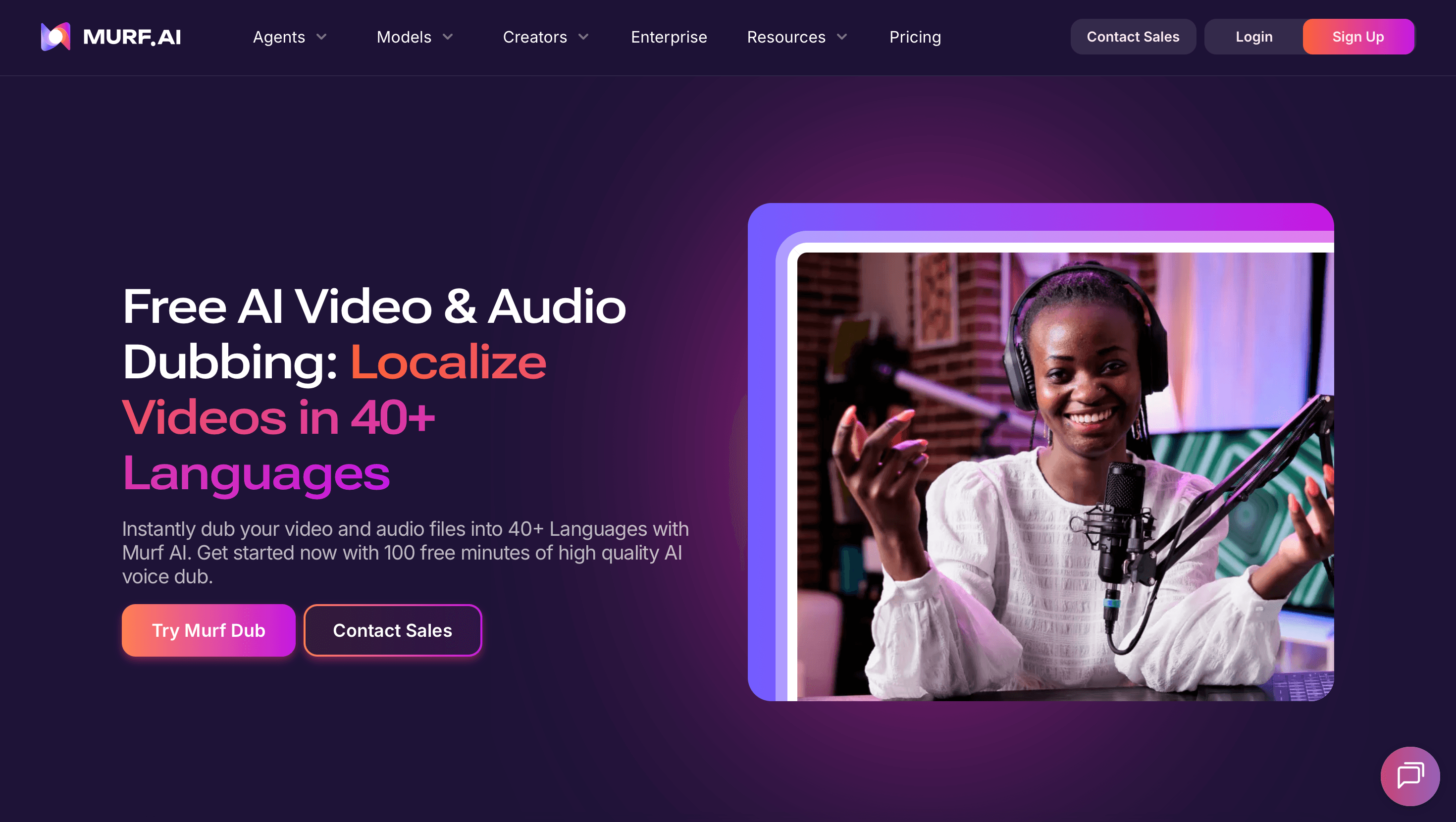
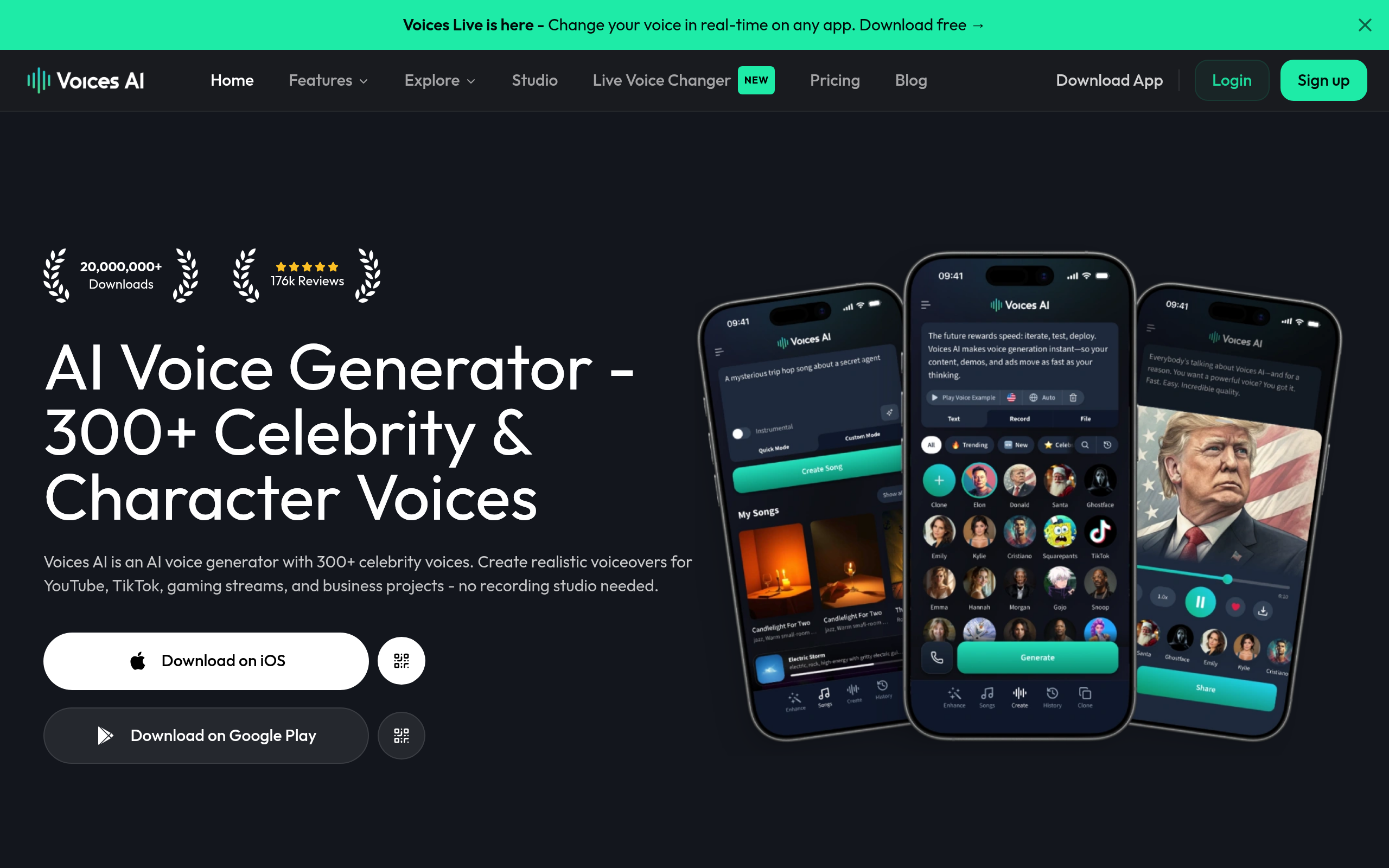
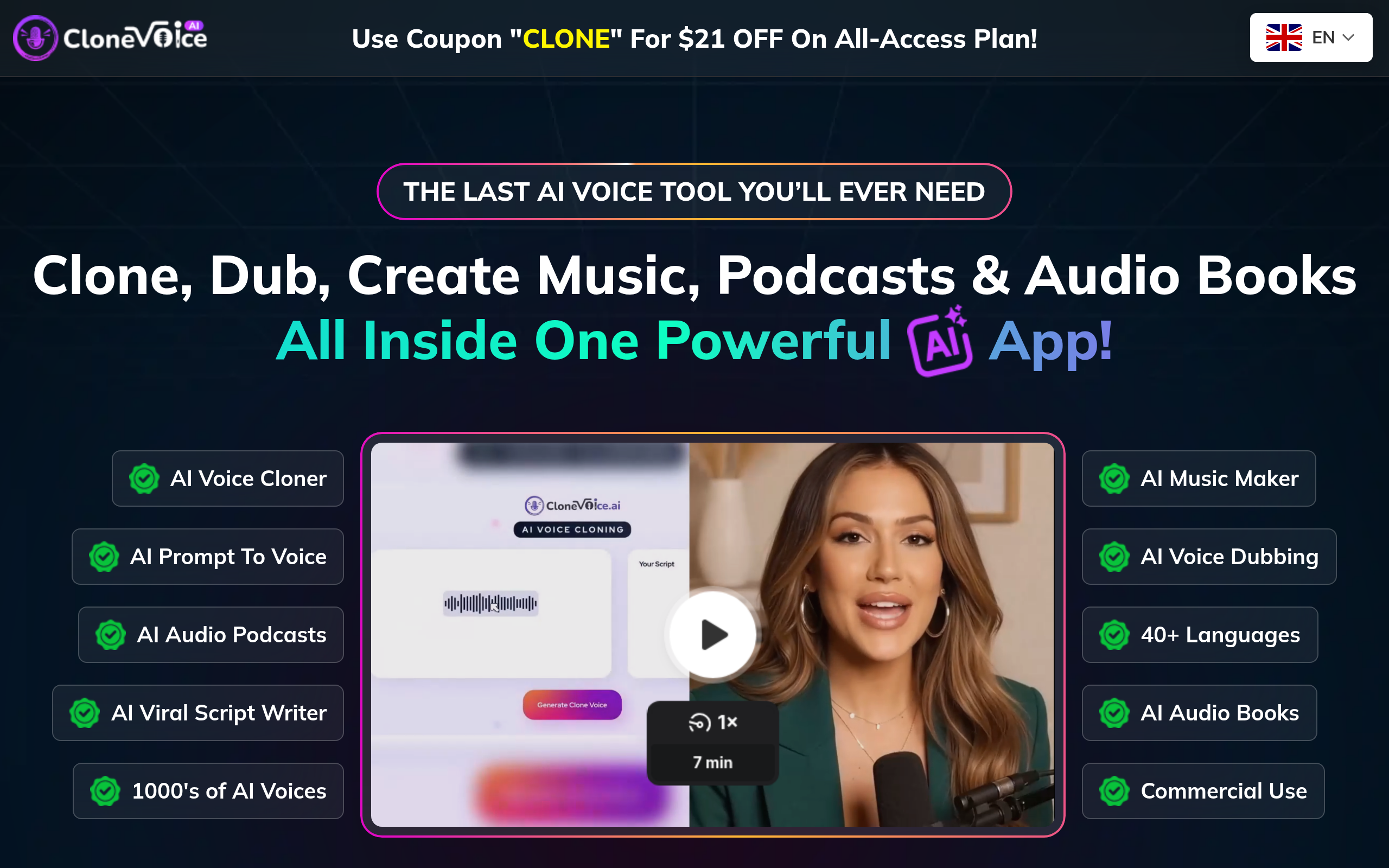
- Best tools include CloneVoiceAI and Voices AI for cloning; LOVO and Murf AI Dubbing for voiceover; Soundverse AI for music.
- Consent is non-negotiable — never clone a real person's voice without explicit permission.
- Always disclose synthetic voices where it matters and check each tool's licensing for commercial use.
AI voice cloning uses AI to create a synthetic replica of a specific voice from a short audio sample, then generates brand-new speech in that voice from any text. It is one of the most useful — and most ethically sensitive — branches of AI audio. Used responsibly, it lets you keep a consistent brand voice, scale narration without re-recording, dub content into new languages, and recreate your own voice for content at scale. Used carelessly, it raises real consent and misuse risks. This guide explains how voice cloning works, where it genuinely helps, the rules you must follow, and the best tools in 2026.
What is AI voice cloning?
AI voice cloning (also called voice synthesis or voice replication) is the process of training an AI model on a recording of a particular voice so it can produce new, natural-sounding speech in that same voice. The model learns the timbre, accent, rhythm and intonation that make a voice recognisable, then applies those characteristics to whatever text you provide. Modern systems can produce a usable clone from a surprisingly short sample, and the output has become good enough that, in many contexts, it is hard to tell from a real recording. That realism is exactly why the technology is powerful and why it must be used with care.
It is worth separating two related ideas. Text-to-speech (TTS) generates speech in a library of generic AI voices. Voice cloning generates speech in a specific target voice. Many tools do both, but the consent and ethics considerations apply specifically to cloning a real, identifiable voice.
How does voice cloning work?
At a high level, the process has three stages. First, you provide a sample — a recording of the voice you want to clone. Second, the AI analyses and models that sample, learning the acoustic fingerprint of the voice. Third, you give the system text, and it generates new audio that sounds like the cloned voice speaking those words. Better tools add controls for emotion, pacing and emphasis, so the output does not sound flat. The quality of the clone depends heavily on the quality and length of the sample: clean, clear audio produces a far better clone than a noisy phone recording.
Legitimate use cases
Voice cloning has many genuinely valuable, above-board uses. Content creators clone their own voice so they can produce narration without re-recording every script — a huge time saver for video, podcasts and courses. Businesses maintain a consistent brand voice across all their audio, so every video and IVR prompt sounds the same. Teams use cloning for dubbing and localization, keeping a recognisable voice across languages. It also supports accessibility — for example, people who are losing their voice to illness can bank a clone of it. And it powers scale: generating large volumes of consistent narration that would be impractical to record manually. The common thread in every legitimate case is consent — the voice being cloned belongs to someone who has agreed to it.
Best AI voice cloning and voice tools in 2026
The right tool depends on whether your priority is cloning, general voiceover, dubbing or music:
| Need | Best tools |
|---|---|
| Voice cloning | CloneVoiceAI, Voices AI |
| Voiceover / TTS | LOVO, Murf AI Dubbing |
| Dubbing into languages | Murf AI Dubbing |
| AI music & singing voices | Soundverse AI |
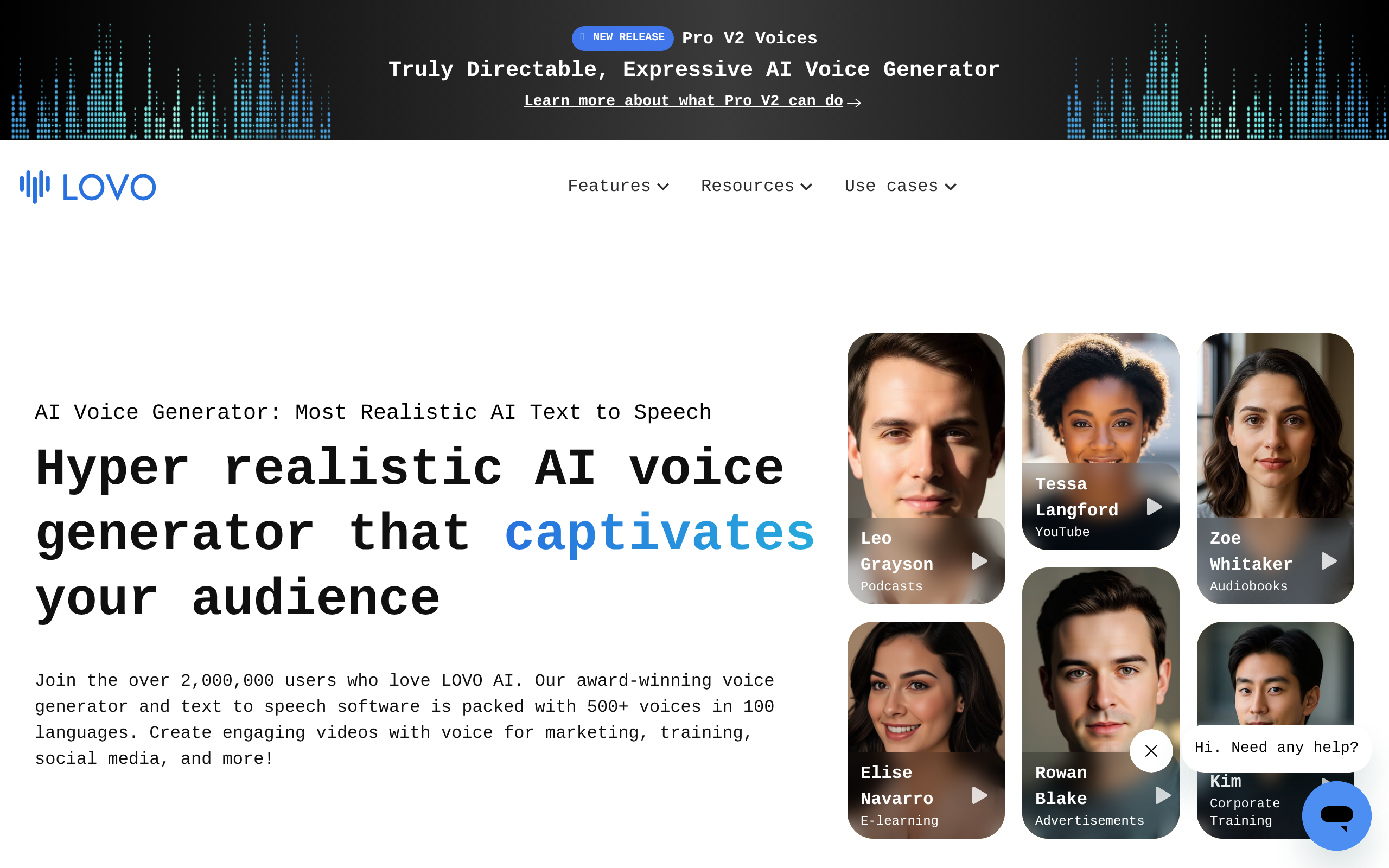
For cloning specifically, CloneVoiceAI focuses on replicating a target voice, and Voices AI offers flexible generation and cloning together. For polished voiceover and text-to-speech across videos, ads and e-learning, LOVO and Murf AI Dubbing are strong all-rounders, with Murf also covering dubbing into other languages. And if your audio needs extend to soundtracks or singing, Soundverse AI generates AI music and vocals. Compare more in the voice & audio category and our ElevenLabs alternatives and Speechify alternatives guides.
The ethics and rules you must follow
This is the part you cannot skip. The single most important rule is consent: never clone a real, identifiable person's voice without their explicit, informed permission. Cloning someone's voice to impersonate them — for fraud, fake endorsements, or deception — is harmful and, in many places, illegal. Beyond consent, three practices keep you on the right side of the line. Disclose synthetic voices where a listener would reasonably want to know they are not hearing a real recording. Check licensing for commercial use, which can be nuanced. And secure your voice models so they cannot be misused. The technology itself is neutral; the responsibility lies entirely in how it is used.
How to get a high-quality clone (tips)
Quality starts with the sample. Record in a quiet room with a decent microphone, speak naturally, and provide a clean, sufficiently long sample — the model cannot invent clarity that is not in the source. When generating, use the tool's controls for emotion and pacing rather than accepting flat output, and listen critically: even good clones occasionally mispronounce names or stumble on unusual words, so review before publishing. For anything high-stakes, do a careful pass exactly as you would with a human recording. The difference between an obviously synthetic result and a convincing one is almost always in the input quality and the review, not the tool.
Why voice cloning is taking off
Audio is everywhere — videos, podcasts, courses, ads, IVR systems, accessibility features — and recording it the traditional way is slow and inconsistent. Every re-record means booking time, matching the original tone, and re-editing. Voice cloning removes that friction: once you have a clone of a consenting voice, generating new lines or whole scripts is a matter of typing, and every output sounds the same. That consistency is valuable on its own — brands spend real money keeping their visual identity consistent, and audio identity matters just as much. Add localization, where one recognisable voice can now speak a dozen languages, and accessibility, where someone can preserve their own voice, and it is clear why the technology has moved from novelty to a practical tool. The quality leap of the last couple of years is what tipped it over: clones that sounded obviously robotic are now, in many contexts, hard to distinguish from a real recording — which is precisely why responsible, consent-based use matters so much.
The bottom line
AI voice cloning is a genuinely useful technology for anyone who needs consistent, scalable voice content — from creators cloning their own voice to businesses maintaining a brand sound and localizing across languages. The best tools depend on your goal: CloneVoiceAI and Voices AI for cloning, LOVO and Murf AI Dubbing for voiceover and dubbing, and Soundverse AI for music. Whatever you choose, treat consent as non-negotiable, disclose synthetic voices where it matters, and check licensing — and you can unlock real value without crossing any lines.
Disclaimer: Cloning a real person's voice without explicit consent is unethical and often illegal. Always obtain permission, disclose synthetic voices where appropriate, and confirm commercial licensing.
Tools mentioned in this guide
Pricing, features and model availability can change over time. Always verify current details on each tool's official website before deciding.
Frequently Asked Questions
What is AI voice cloning?
What is AI voice cloning?
How does voice cloning work?
How does voice cloning work?
Is AI voice cloning legal?
Is AI voice cloning legal?
What is the best AI voice cloning tool?
What is the best AI voice cloning tool?
How much audio do I need to clone a voice?
How much audio do I need to clone a voice?
Can I use a cloned voice commercially?
Can I use a cloned voice commercially?
Don't just pick a tool — get the whole workflow
Tell Comparee your goal and get a complete step-by-step AI workflow with the right tool for every step.