AI Music Generation: The Complete Guide for 2026
AI music generation in 2026 — how it works, use cases for creators and businesses, licensing and ethics, and the best tools like Soundverse AI.
Key takeaways
- AI music generation creates original music — and increasingly vocals — from text prompts or simple inputs, in seconds.
- Great for creators needing soundtracks for video, podcasts and content without licensing headaches or a composer.
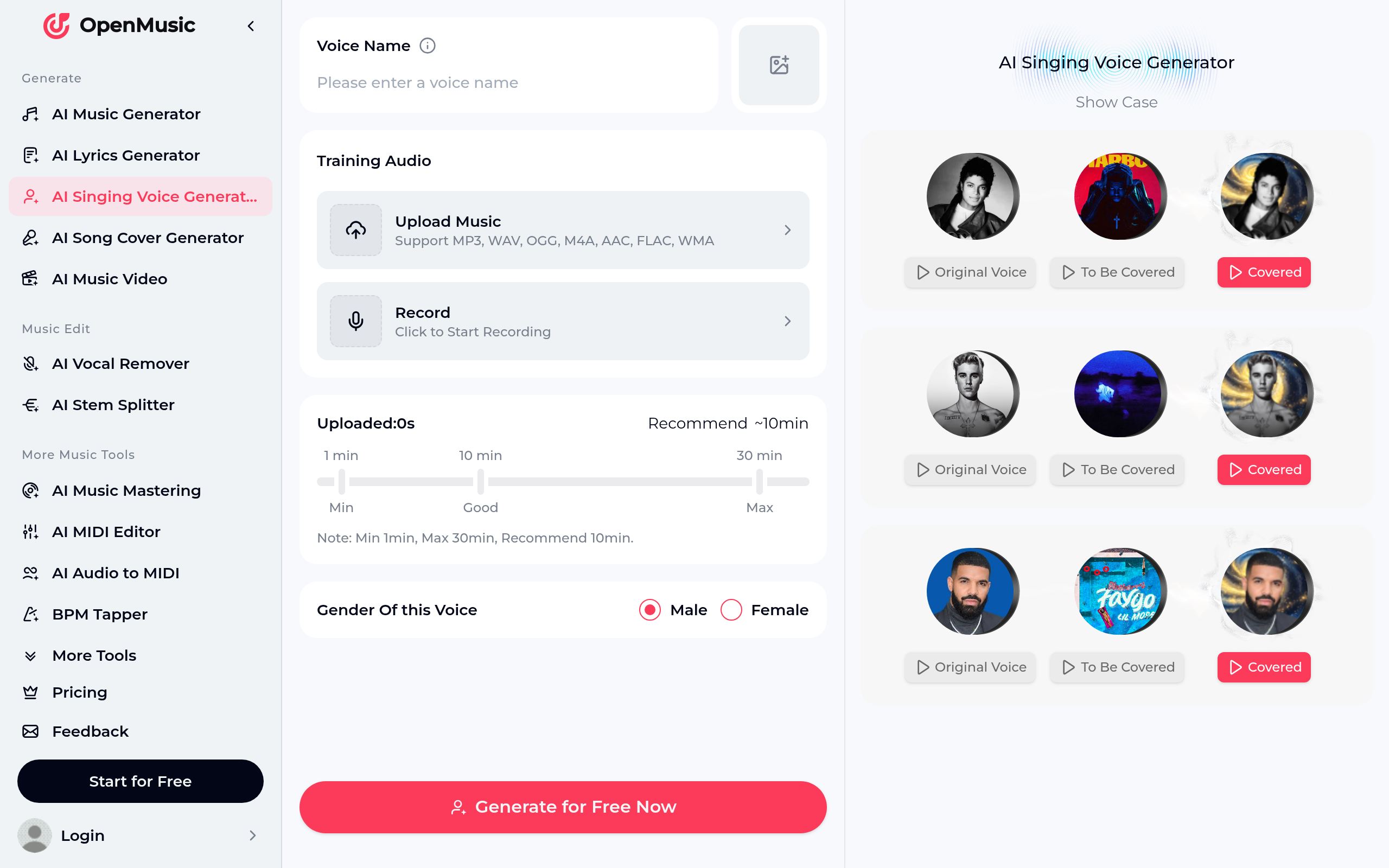
- Best tools include Soundverse AI for music generation and OpenMusic AI Singing Voice Generator for AI vocals.
- Check licensing carefully — usage and ownership rights for AI music vary by tool and matter for commercial use.
- Use AI music as a tool for creators, and respect the ethics around style and artist imitation.
AI music generation uses AI to create original music — and increasingly singing vocals — from text prompts or simple inputs, producing usable tracks in seconds without a composer, instruments or licensing headaches. For creators, this solves a persistent problem: video, podcasts and content need music, but licensing tracks is expensive and risky, and composing is out of reach for most. AI generates royalty-friendly, custom music on demand. But the space comes with real questions around licensing and ethics that you need to understand. This guide covers how AI music works, where it helps, the licensing you must check, and the best tools in 2026.
What is AI music generation?
AI music generation uses models trained on music to produce original audio from inputs — typically a text prompt describing the genre, mood, instruments or use ("upbeat corporate background", "lo-fi study beat"), and increasingly the lyrics for AI-generated vocals. The output is a new track you can use, generated in seconds. Some tools focus on instrumental background music, others on full songs with AI singing voices, and others on specific elements like vocals or stems. The appeal is the same across all of them: custom music on demand, without the cost, time or licensing complexity of traditional options.
Real use cases
AI music is most valuable wherever content needs a soundtrack but a custom composition is impractical. Video — background music for YouTube, ads, explainers and social, without copyright strikes. Podcasts — intros, outros and beds tailored to the show. Content at scale — unique music for many pieces, where licensing each would be prohibitive. Games and apps — adaptive or background audio. And creators experimenting with full songs and vocals. The recurring theme is removing the friction — cost, licensing risk, and skill — that previously stood between a creator and good, original-feeling music for their work.
Best AI music tools in 2026
| Need | Best tool |
|---|---|
| AI music generation | Soundverse AI |
| AI singing voices / vocals | OpenMusic AI Singing Voice Generator |
For generating original music and soundtracks, Soundverse AI creates AI music and extends into vocals, making it a strong all-rounder for creators who need custom audio. For AI-generated singing voices specifically, OpenMusic AI Singing Voice Generator focuses on vocals. The category is evolving quickly, so it is worth trying a tool on your actual use case — a background track for a real video, say — to judge quality and fit. Explore more in the voice, audio & music category and our AI voice cloning guide for the voice side of AI audio.
Licensing and ethics: read before you publish
This is the part that matters most for anyone using AI music commercially. Licensing and ownership rights vary significantly by tool — some grant broad commercial rights to what you generate, others restrict use or retain rights, so always read the specific terms before you build a business or a monetized video on AI music. There are also ethical questions around AI trained on existing artists' work and tools that imitate a specific artist's style or voice, which sit in contested legal and moral territory. The responsible approach: use AI music as a creative tool for original-feeling content, check the licensing for your use case, and avoid passing off AI imitations of real artists as something they are not.
How to use AI music well (step by step)
- Define the brief — genre, mood, tempo, length and where it will be used.
- Generate options with a tool like Soundverse AI and pick the best fit.
- Refine — many tools let you adjust or regenerate; the first result is rarely the final.
- Check the licence for your use case before publishing or monetizing. This is essential.
- Match the music to the content — the right track elevates a video; the wrong one distracts.
Why AI music is a creator's unlock
Music has always been one of the trickiest pieces of content production. Creators need it constantly — for video intros, backgrounds, podcast beds, ads — yet the options were all painful: license commercial tracks at real cost and risk copyright strikes, use the same overused royalty-free libraries everyone else does, or hire a composer that few can afford. AI music generation cuts through all of it by producing custom, original-feeling tracks on demand, tailored to the mood and length you need, without the licensing minefield. For a creator publishing regularly, that removes a recurring headache and a recurring cost. It also opens creative doors that were previously closed — experimenting with full songs, vocals, and bespoke soundtracks that match content exactly rather than approximately. The category is young and evolving fast, but the core value is already clear: good music, made for your specific use, in seconds, is a genuine unlock for anyone producing content at volume.
The one thing to get right: licensing
If there is a single point to internalise about AI music, it is that licensing is not a footnote — it is the whole ballgame for commercial use. The terms vary dramatically between tools: some grant you broad rights to use what you generate however you like, others restrict commercial use, retain ownership, or carry conditions that could matter if your content makes money. Building a monetized YouTube channel, an ad campaign, or a product on AI music without reading those terms is a genuine risk, because the consequences of getting it wrong — takedowns, demonetization, or worse — land after you have already invested in the content. The discipline is simple: before you publish or monetize anything that uses AI music, confirm the licence actually permits your use. Do that one check and AI music is a clean, affordable creative tool; skip it and you are gambling with content you may not have the right to use.
The bottom line
AI music generation gives creators and businesses custom, royalty-friendly music on demand — solving the cost, licensing and skill barriers that used to stand between content and a good soundtrack. Use Soundverse AI for music and OpenMusic AI Singing Voice Generator for vocals. The one rule you cannot skip is licensing: rights vary by tool and matter enormously for commercial use, so always check the terms before you publish. Used as a creative tool, with the licensing understood and the ethics respected, AI music is a genuine unlock for anyone who makes content — removing one of the last expensive, friction-heavy pieces of production and putting a tailored soundtrack within reach of every creator, instantly and on demand.
Disclaimer: Licensing and ownership rights for AI-generated music vary by tool and are essential to check for commercial use. Respect the ethics around imitating real artists' style or voice.
Tools mentioned in this guide
Pricing, features and model availability can change over time. Always verify current details on each tool's official website before deciding.
Frequently Asked Questions
What is AI music generation?
What is AI music generation?
What is the best AI music generator?
What is the best AI music generator?
Can I use AI-generated music commercially?
Can I use AI-generated music commercially?
Is AI music royalty-free?
Is AI music royalty-free?
What can I use AI-generated music for?
What can I use AI-generated music for?
Is AI music ethical?
Is AI music ethical?
Don't just pick a tool — get the whole workflow
Tell Comparee your goal and get a complete step-by-step AI workflow with the right tool for every step.