Best AI Voice Cloning Tools in 2026: Creators, Dubbing and Dev
The best AI voice cloning tools in 2026 by use case — creators, dubbing/localization, music and developer APIs. With a voice consent and ethics disclaimer.
Key takeaways
- AI voice cloning splits by use — creators, dubbing/localization, music and developer APIs.
- For direct voice cloning, CloneVoiceAI; for dubbing and localization, Maestra AI Voice Cloning; for general voice work, Voice.ai.
- For creative voice generation, Uberduck; for developer speech APIs, Deepgram.
- Only clone voices you own or have explicit permission to use — consent and ethics come first.
AI voice cloning reproduces a specific voice from a sample, so you can generate new speech in that voice without re-recording — powerful for creators, localization, and accessibility. It also raises real consent and ethics questions, which this guide takes seriously. Below are the best AI voice cloning tools in 2026 by use case, using real tools from the Comparee catalog, with the responsible-use rules that should come with any of them.
Voice cloning has crossed the line from novelty to genuinely useful — it lets a creator scale narration, a company localise content across languages, and accessibility tools speak in a familiar voice. But it's also the AI capability with the sharpest ethical edge, because a voice is personal and a convincing clone can be misused. That's why this guide treats consent as a hard requirement rather than a footnote: the technology is powerful, and using it responsibly is what separates a legitimate workflow from a liability. The comparison below sorts the tools by the actual job — cloning, dubbing, general voice work, creative voices, developer APIs — so you match the technology to your need, and the responsible-use rules apply to all of them equally.
The short answer
For direct voice cloning, CloneVoiceAI is purpose-built. For dubbing and localization workflows, Maestra AI Voice Cloning. For general voice work and voice changing, Voice.ai. For creative and character voices, Uberduck. And for developers who need a speech API, Deepgram.
Best AI voice cloning tools by use case
| Use case | Best pick | Why |
|---|---|---|
| Direct voice cloning | CloneVoiceAI | Clone a specific voice |
| Dubbing / localization | Maestra AI Voice Cloning | Cloned voice across languages |
| General voice / changing | Voice.ai | Versatile voice tool |
| Creative / character voices | Uberduck | Creative voice generation |
| Developer / API | Deepgram | Speech API for builders |
Best for creators: CloneVoiceAI and Voice.ai
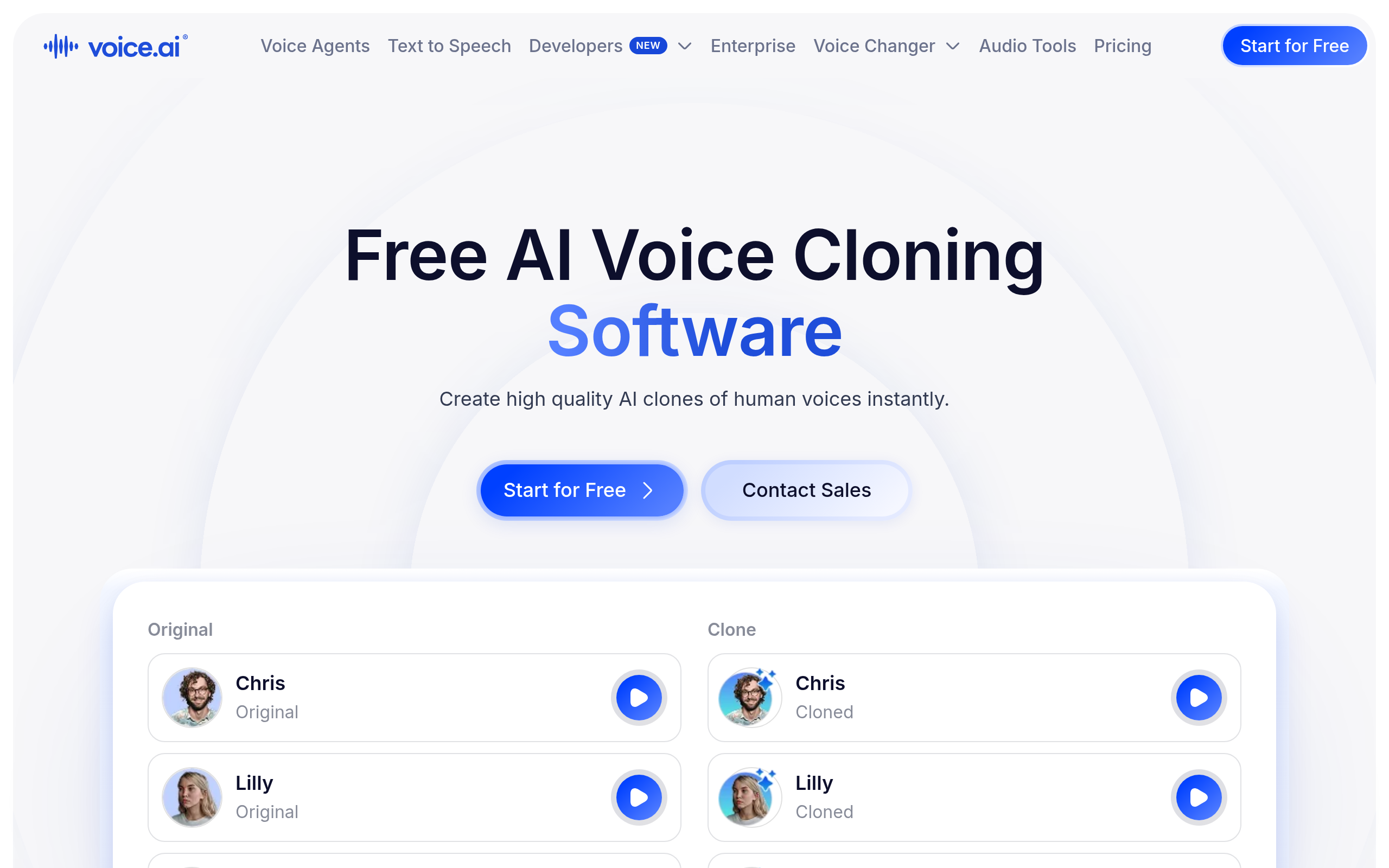
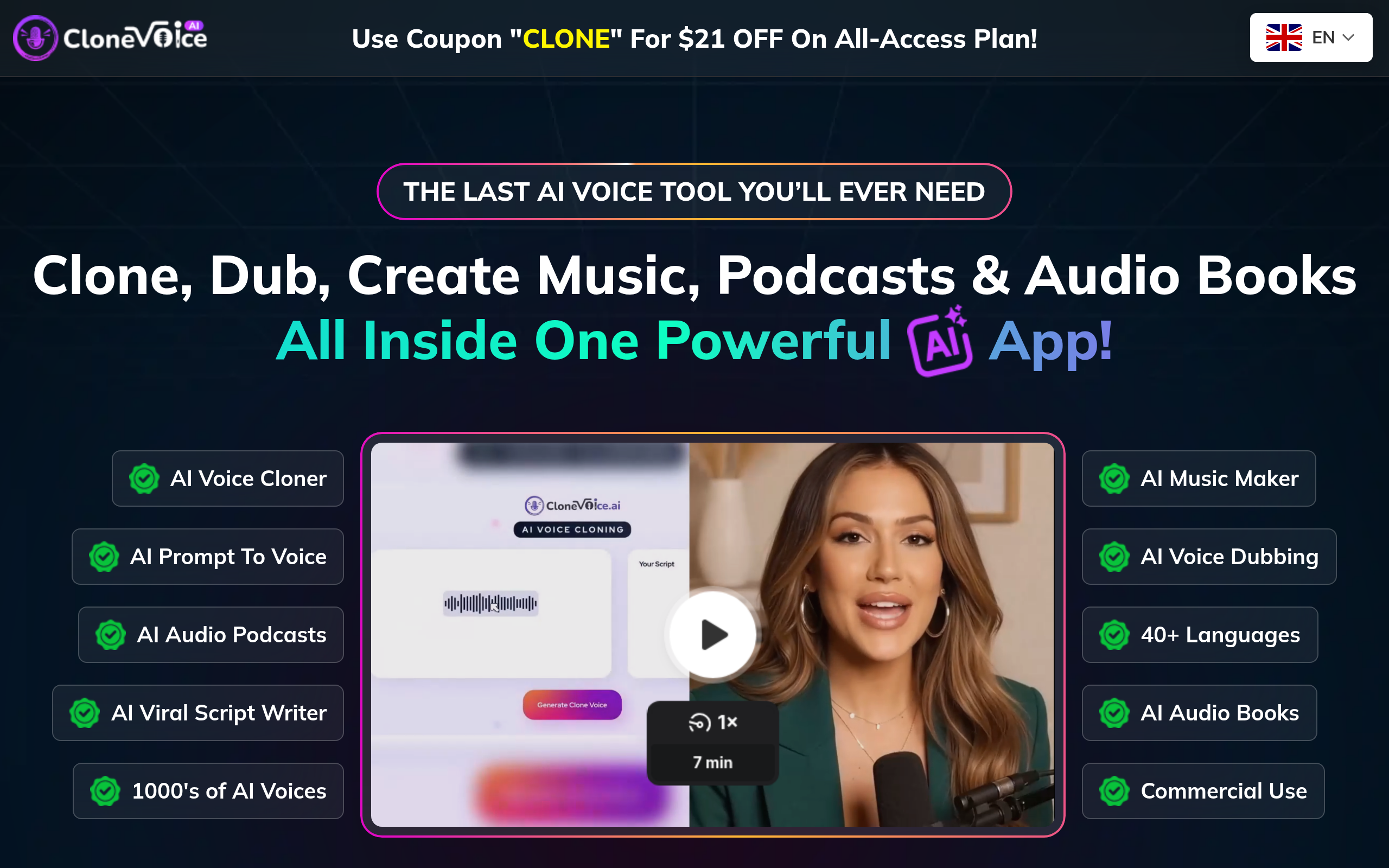
If you want to reproduce a specific voice — your own, across many scripts, without re-recording — CloneVoiceAI is built for cloning and is the most direct route. For broader voice work, including voice changing and general text-to-speech, Voice.ai is a flexible all-rounder that suits content, gaming and quick narration. Creators who produce a lot of audio benefit most: clone once, then generate consistent voiceover on demand. Just make sure the voice you clone is yours or one you're clearly allowed to use.
Best for dubbing and localization: Maestra AI Voice Cloning
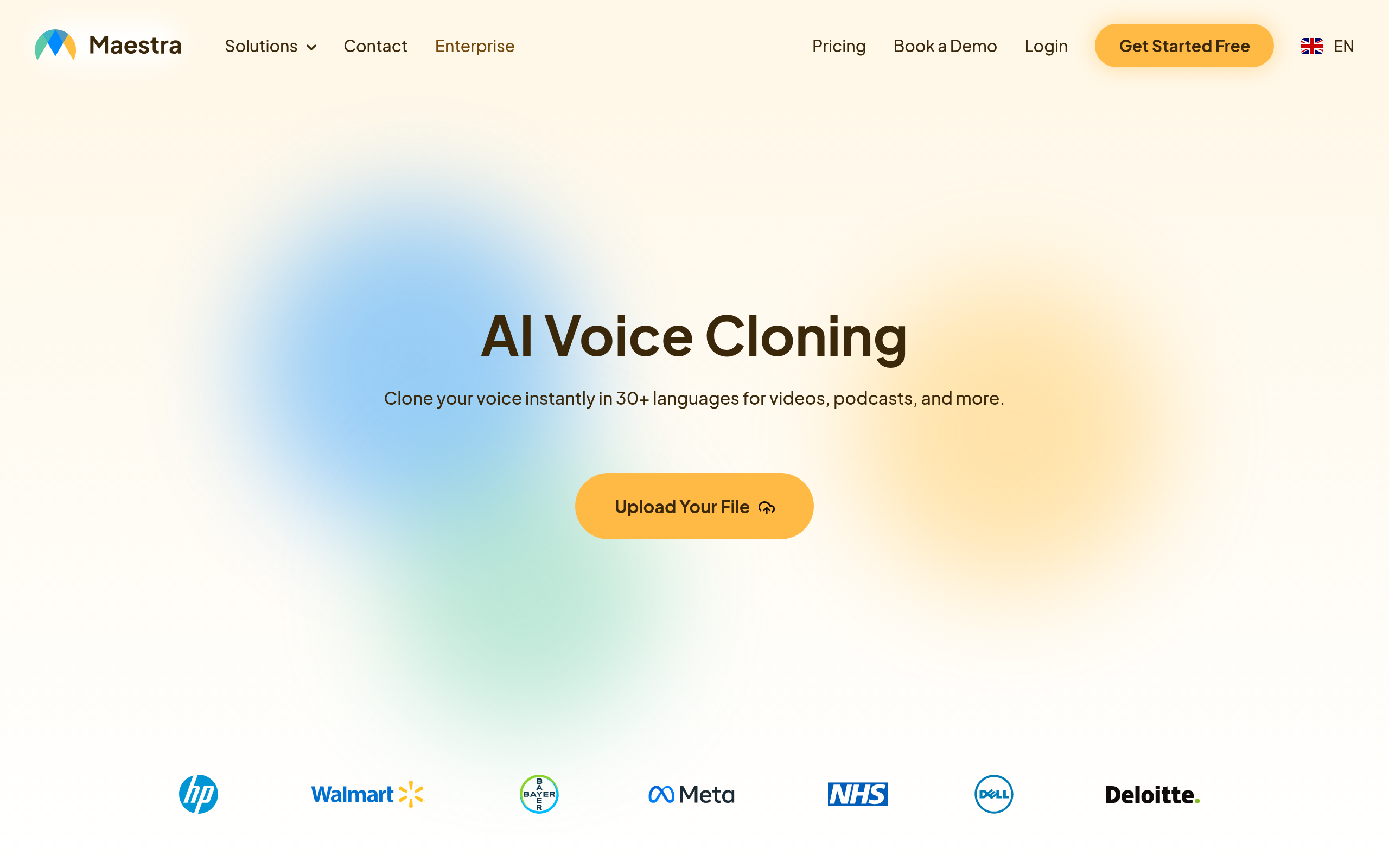
Reaching a global audience means producing the same content in many languages — and keeping the voice consistent. Maestra AI Voice Cloning is built around localization and dubbing workflows, letting a cloned voice carry across languages so your content sounds like the same speaker everywhere. For creators and teams scaling content internationally, this is the use case where voice cloning pays off most clearly, turning expensive re-recording into a repeatable step.
Best for creative voices and developers: Uberduck and Deepgram
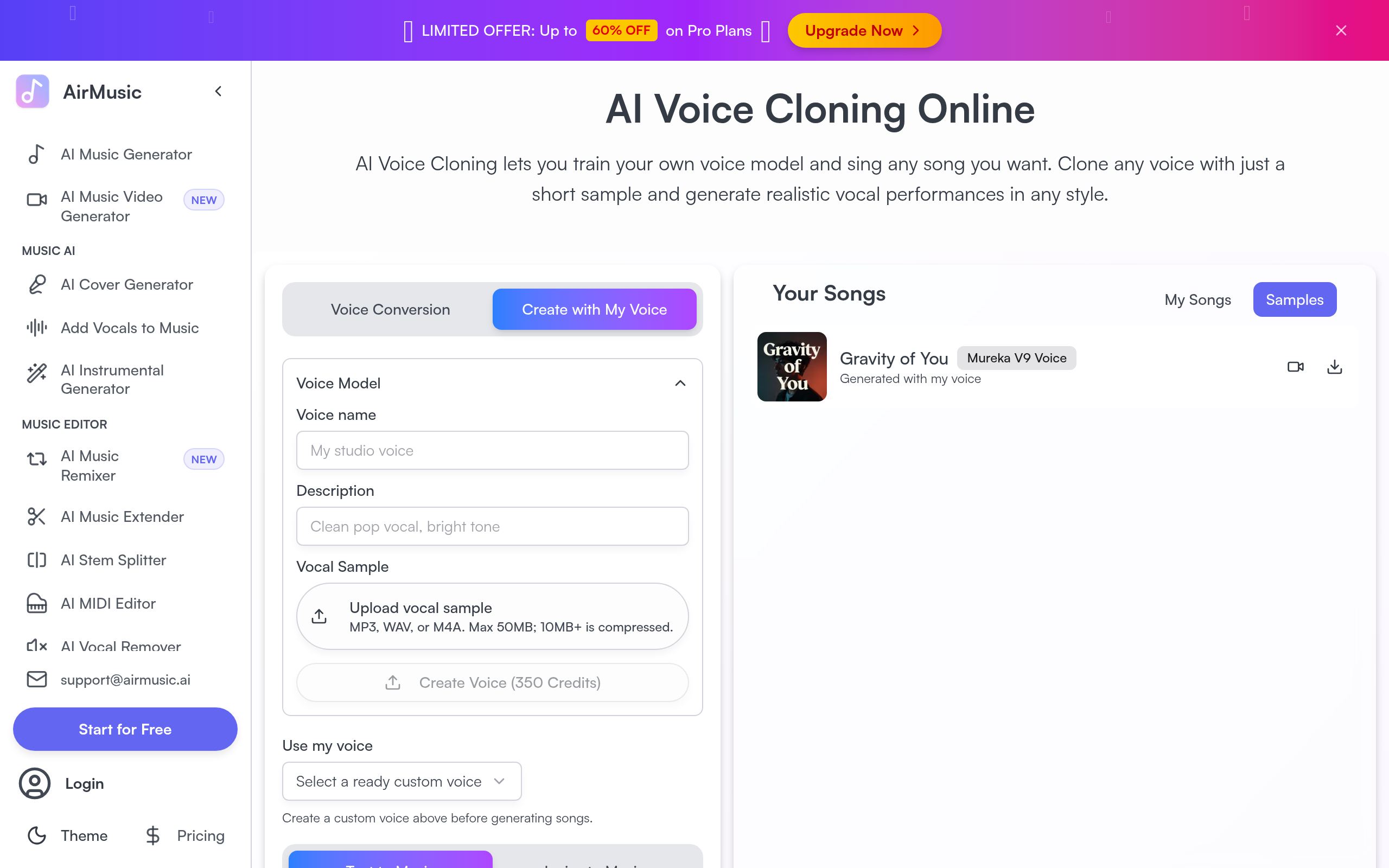
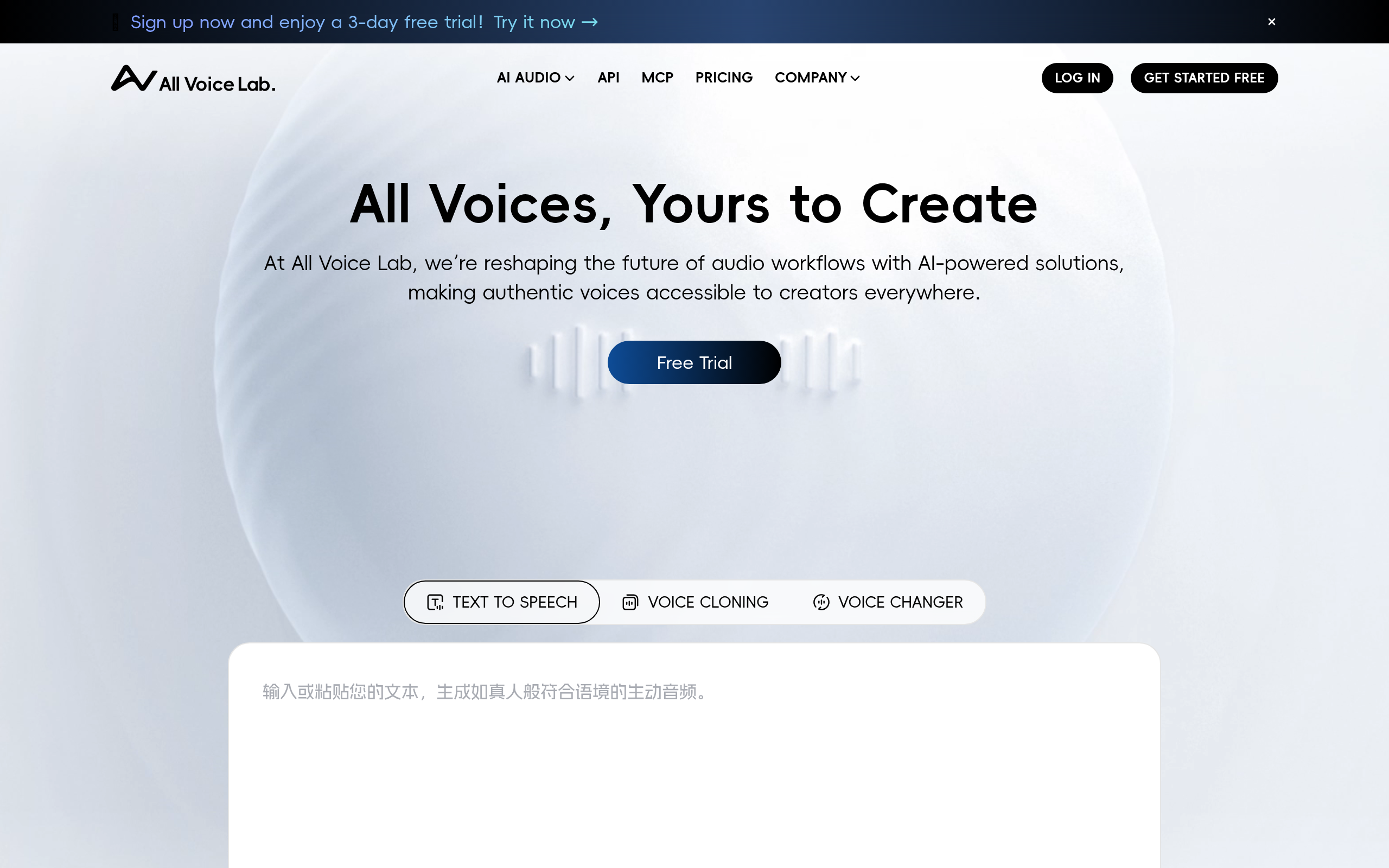
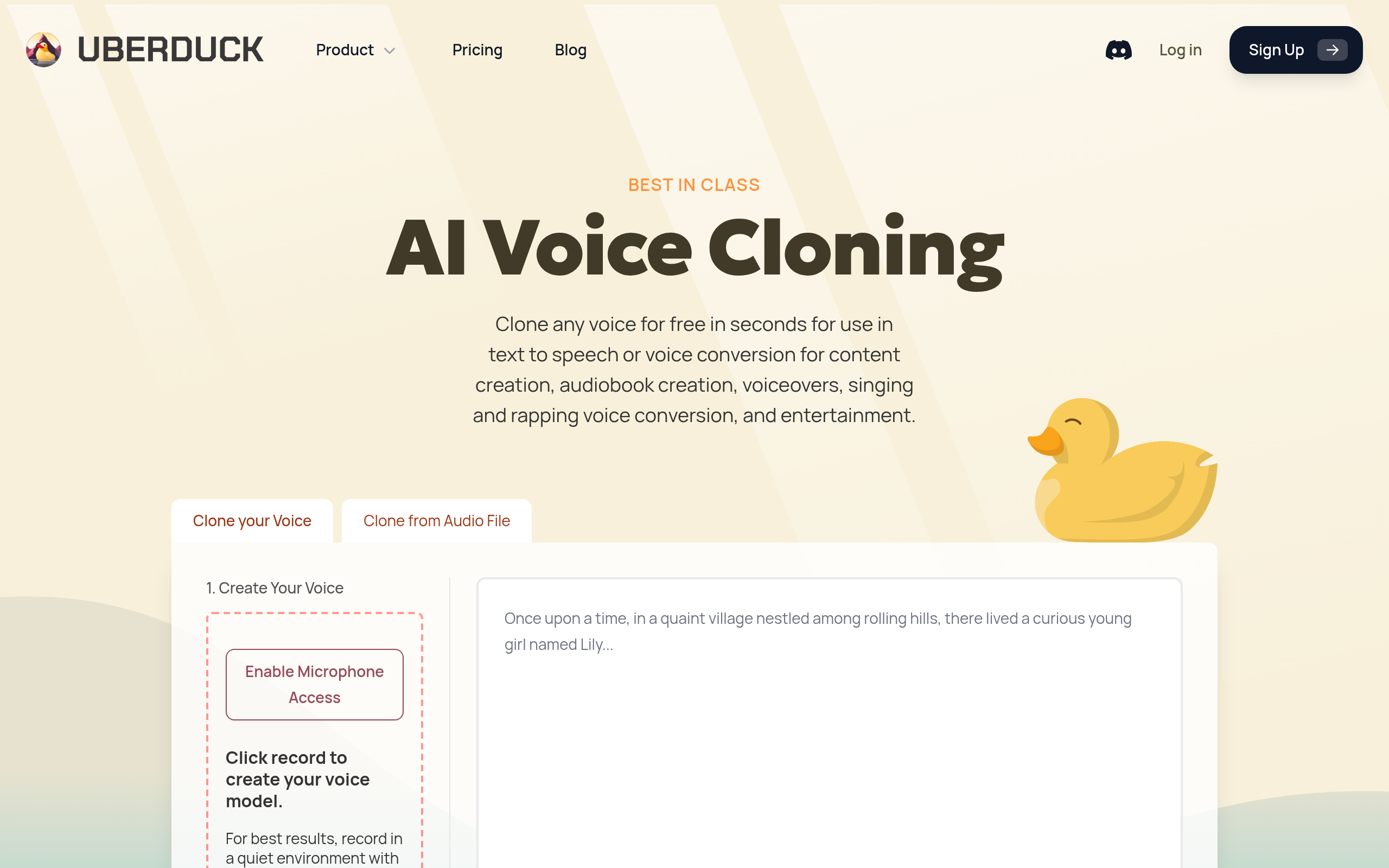
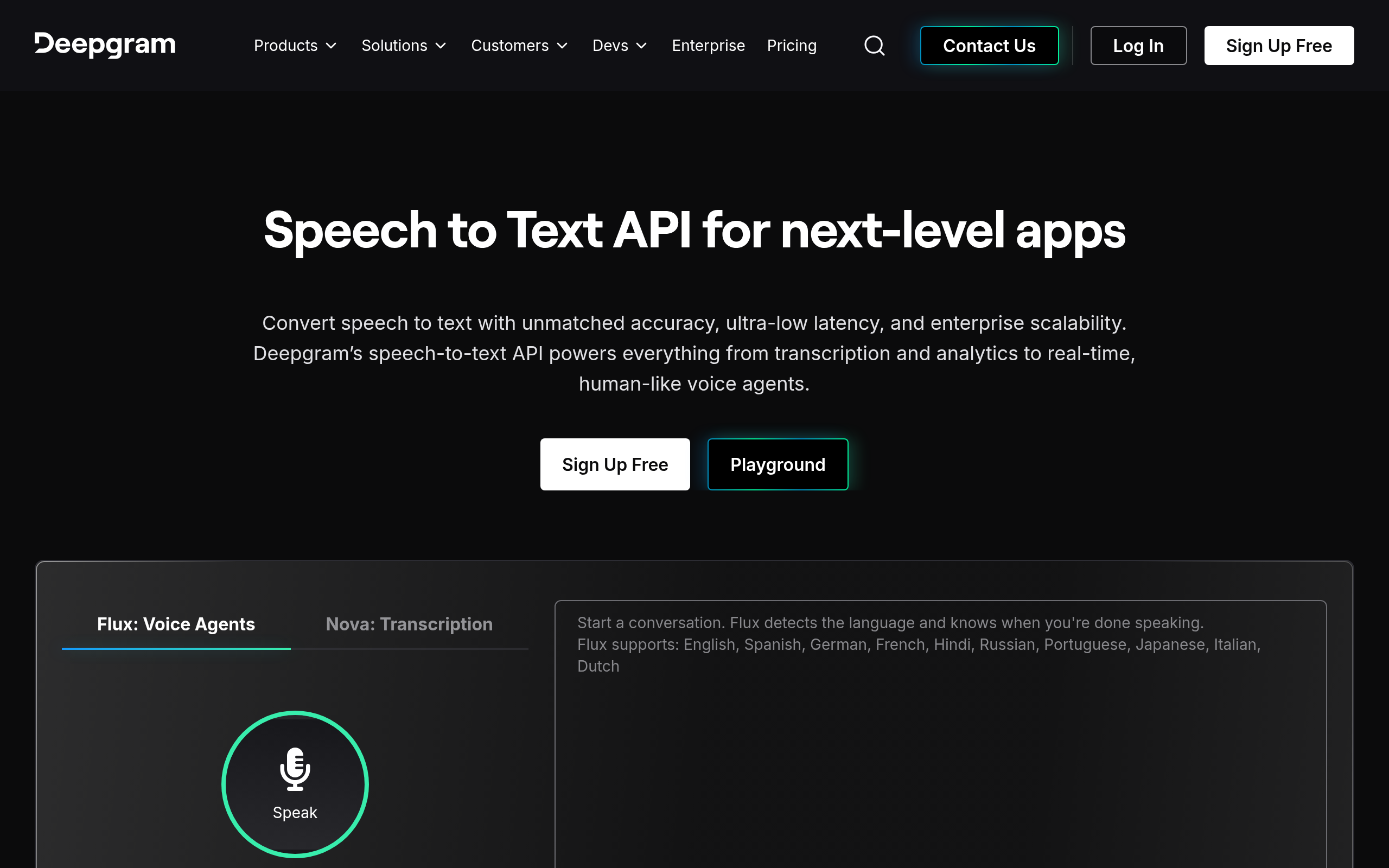
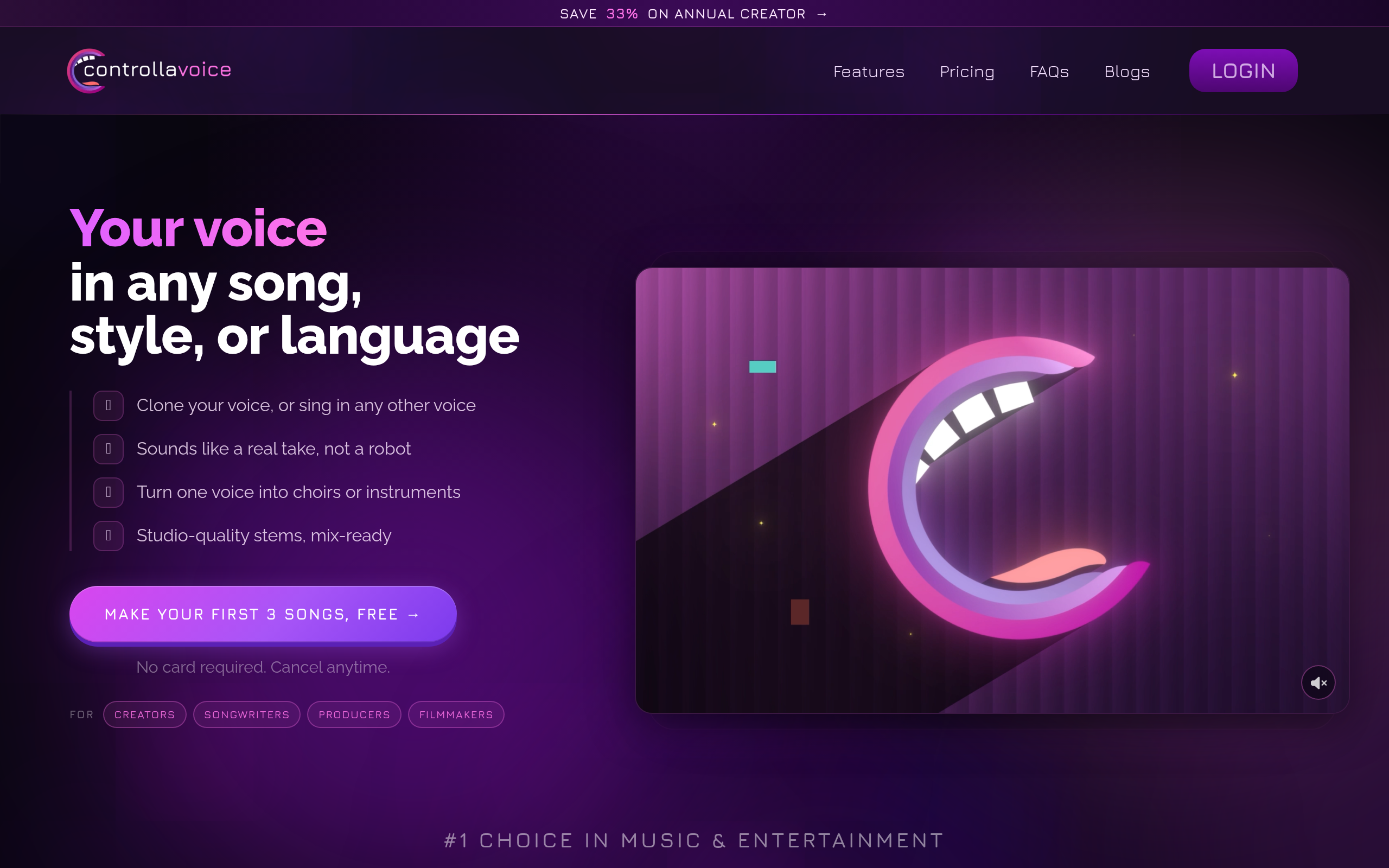
For playful, character and creative voices, Uberduck leans into voice generation for content and music. For builders, Deepgram is a developer-focused speech API — more about turning speech into text and powering voice features in apps than consumer cloning, but essential if you're building voice into a product. Tools like All Voice Lab, Controlla Voice and AirMusic Voice Cloning round out the creative and music-oriented side depending on your project.
Consent, ethics and how to choose
Pick by the job — clone a known voice (CloneVoiceAI), localize content (Maestra), general voice work (Voice.ai), creative voices (Uberduck), or build voice features (Deepgram). But before any of that, the rule that matters most: only clone voices you own or have explicit, documented permission to use. Cloning someone's voice without consent is a serious ethical and legal problem, and deepfake misuse damages trust fast. Be transparent when audio is AI-generated, and treat consent as a hard requirement, not a nice-to-have.
Comparee recommendation
- Clone a specific voice? → CloneVoiceAI.
- Dubbing / localization? → Maestra AI Voice Cloning.
- General voice work? → Voice.ai. Creative voices? → Uberduck.
- Developer / API? → Deepgram.
Choose by the job — and clone only with consent. Compare the options in the top voice tools and the voice & audio category on Comparee.
Common mistakes with AI voice cloning
The first and most important mistake is cloning a voice without consent. Only clone voices you own or have explicit, documented permission to use — anything else is an ethical and legal minefield, and misuse damages trust instantly. The second mistake is feeding the tool poor source audio: CloneVoiceAI and Maestra AI Voice Cloning produce a clean clone from clean input, and a noisy sample produces an off-sounding voice. The third is shipping without a review pass — names, numbers and brand terms are where cloned voices slip, so always listen through before publishing. And don't expect a developer API like Deepgram to be a consumer cloning tool; they solve different problems.
How to use voice cloning responsibly
Begin with your own voice and a clear use case — a creator cloning their voice with CloneVoiceAI to scale narration, or a team using Maestra AI Voice Cloning to dub content across languages. Get explicit permission for any voice that isn't yours, and be transparent with your audience when audio is AI-generated; honesty protects the trust your brand depends on. Use Voice.ai for general voice work and Uberduck for creative voices, and always do a pronunciation review before publishing. Most tools offer trials, so test quality on a real script first. Used with consent and a review pass, voice cloning turns hours of recording into minutes — without the ethical and legal risks that careless use invites.
As cloned voices get more convincing, the responsibility that comes with them grows too. The creators and companies who use this technology well are transparent about it and scrupulous about consent — and that openness, far from being a constraint, is what protects the trust their audiences place in them. Pick the tool that fits the job, review every output, clone only with permission, and AI voice becomes a real superpower for anyone producing audio at scale.
Test quality on a short real script first, get explicit permission for any voice that isn't yours, and always do a final pronunciation pass before publishing — those three habits keep voice cloning both professional and ethical.
Choose the tool that fits your specific job, treat consent and transparency as non-negotiable, and a review pass as standard — do that, and AI voice cloning is one of the most genuinely useful creative capabilities available today.
The bottom line
The best AI voice cloning tool depends on the use: CloneVoiceAI for direct cloning, Maestra for dubbing and localization, Voice.ai for general work, Uberduck for creative voices, and Deepgram for developers. Used responsibly — with consent and transparency — voice cloning is a genuine superpower for anyone producing audio at scale.
Disclaimer: Only clone voices you own or have explicit permission to use. Cloning a person's voice without consent raises serious ethical and legal issues, including deepfake misuse. Be transparent when audio is AI-generated.
Tools mentioned in this guide
Pricing, features and model availability can change over time. Always verify current details on each tool's official website before deciding.
Frequently Asked Questions
What is the best AI voice cloning tool in 2026?
What is the best AI voice cloning tool in 2026?
What is the best AI voice cloning tool for dubbing?
What is the best AI voice cloning tool for dubbing?
Is AI voice cloning legal?
Is AI voice cloning legal?
Can I clone my own voice for content?
Can I clone my own voice for content?
Are AI voice cloning tools free?
Are AI voice cloning tools free?
Don't just pick a tool — get the whole workflow
Tell Comparee your goal and get a complete step-by-step AI workflow with the right tool for every step.