Best AI Automation Tools and AI Agents in 2026
The best AI automation tools and AI agents in 2026, compared by use case — no-code workflows, technical teams, enterprise RPA, AI agents and spreadsheet/data au
Key takeaways
- There are four different things here — workflow automation, AI agents, RPA and integrations — and the best tool depends on which you need.
- For flexible workflow automation, n8n leads; for building AI agents, StackAI; for lightweight team automation, Relay.app.
- For enterprise, Automation Anywhere (RPA) and Workato Enterprise MCP (integrations); for spreadsheet/data, Coefficient and DataSnipper.
- Match the tool to the job — a no-code workflow tool is not the same as an enterprise RPA platform.
"AI automation" covers four different things that are easy to confuse: workflow automation (connect apps and trigger steps), AI agents (tools that reason and act), RPA (robots that mimic clicks for legacy systems), and integrations (move data between enterprise systems). The best tool depends entirely on which of these you need. This guide compares the best AI automation tools and AI agent platforms in 2026 by use case, using real tools from the Comparee catalog.
The reason this market is confusing is that vendors all market themselves as "AI automation", even though they solve genuinely different problems. A tool that connects your CRM to your email is not the same kind of product as one that reasons over a document or one that operates a legacy banking system, yet all three claim the same label. That's why the single most useful thing you can do before comparing tools is to classify your own need — and why the table below is organised by problem type rather than by brand. Get the category right and almost any leading tool in it will work; get it wrong and even the best tool will frustrate you.
The short answer
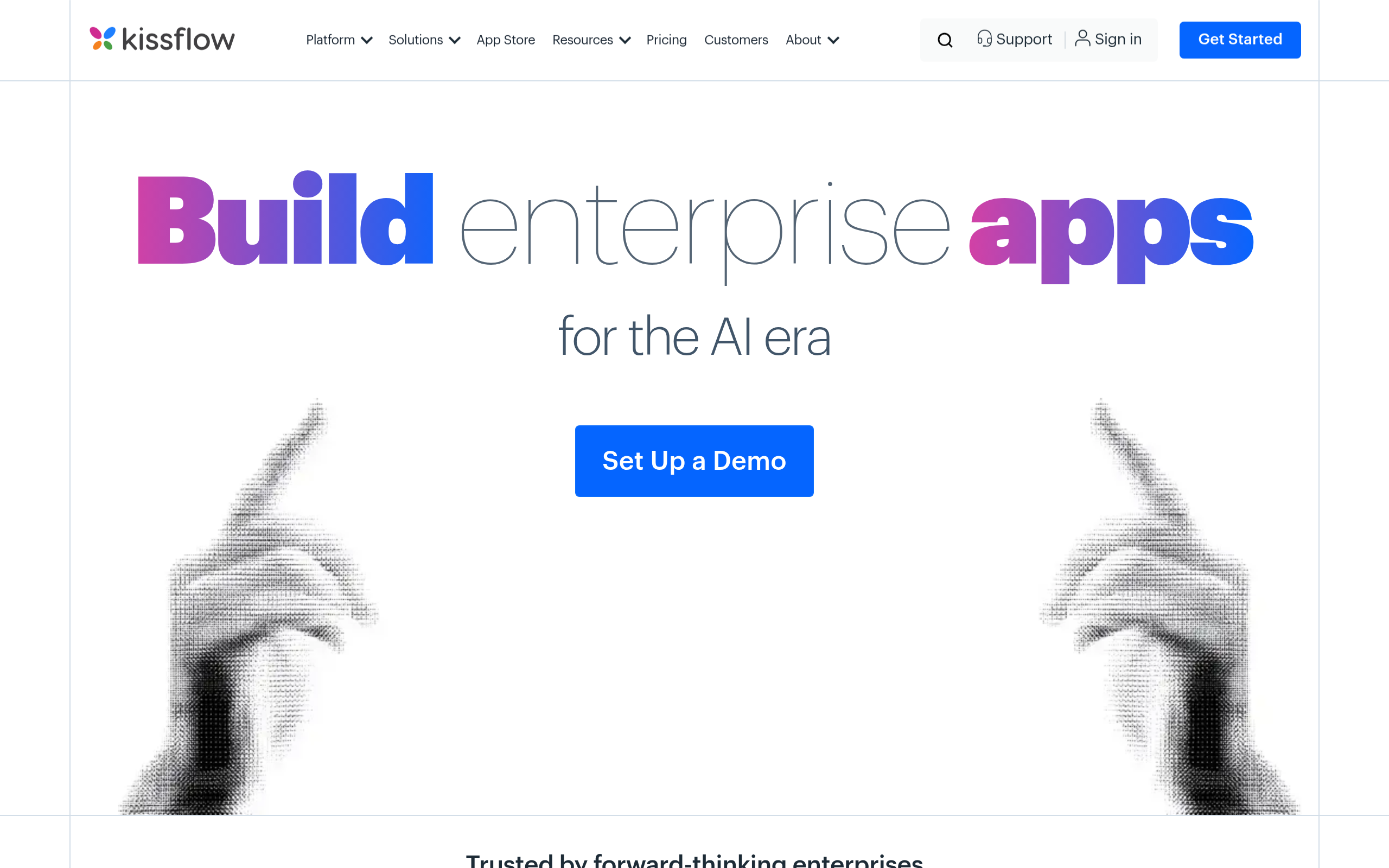
For flexible, no-code-to-code workflow automation, n8n is the standout. To build AI agents and agentic workflows, StackAI is purpose-made. For lightweight team automation without complexity, Relay.app. And for enterprise, the answer splits: Automation Anywhere for RPA, Workato Enterprise MCP for integrations, and Kissflow for business process automation.
Workflow automation vs AI agents vs RPA vs integrations
| Need | Best pick | What it is |
|---|---|---|
| Flexible workflow automation | n8n | Connect apps, build workflows, self-host |
| Build AI agents | StackAI | Agentic workflows with LLMs |
| Lightweight team automation | Relay.app | Simple, human-in-the-loop automations |
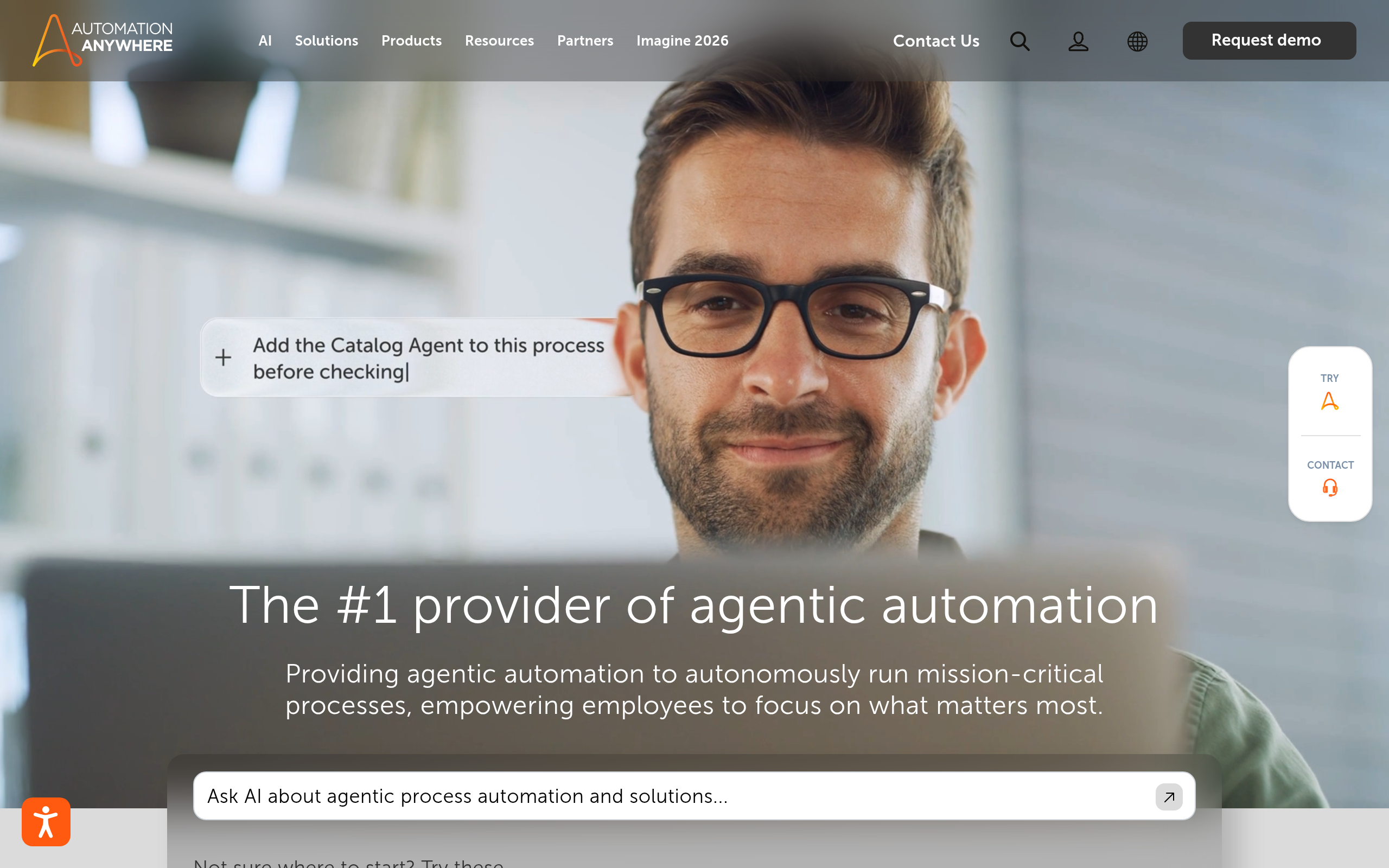
| Enterprise RPA | Automation Anywhere | Robots for legacy/click-based tasks |
| Enterprise integrations | Workato Enterprise MCP | Connect enterprise systems |
| Business process automation | Kissflow | Workflows, forms, approvals |
| Spreadsheet / data workflows | Coefficient | Live data into spreadsheets |
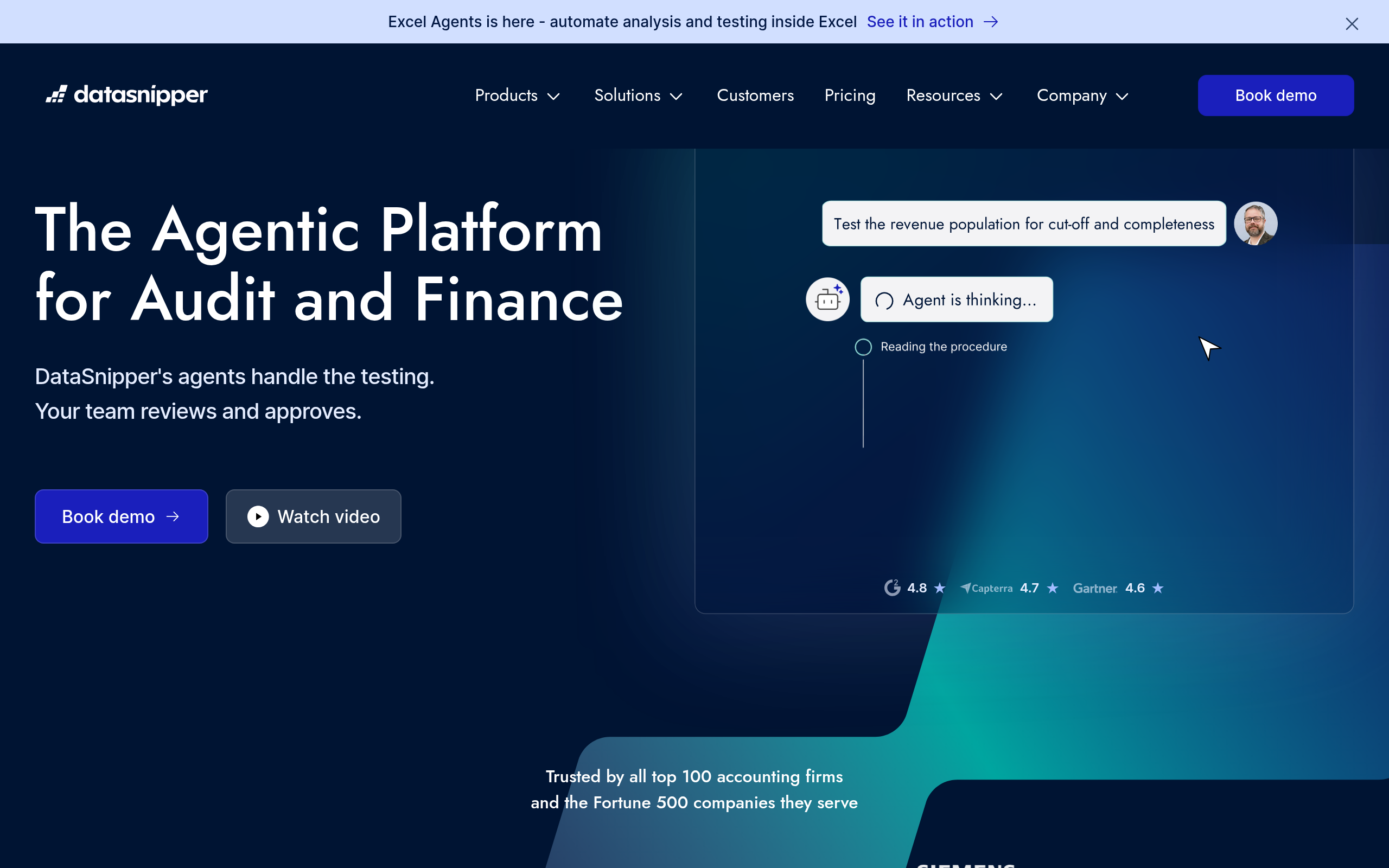
| Audit / accounting automation | DataSnipper | Document data extraction |
Best for no-code workflows: n8n and Relay.app
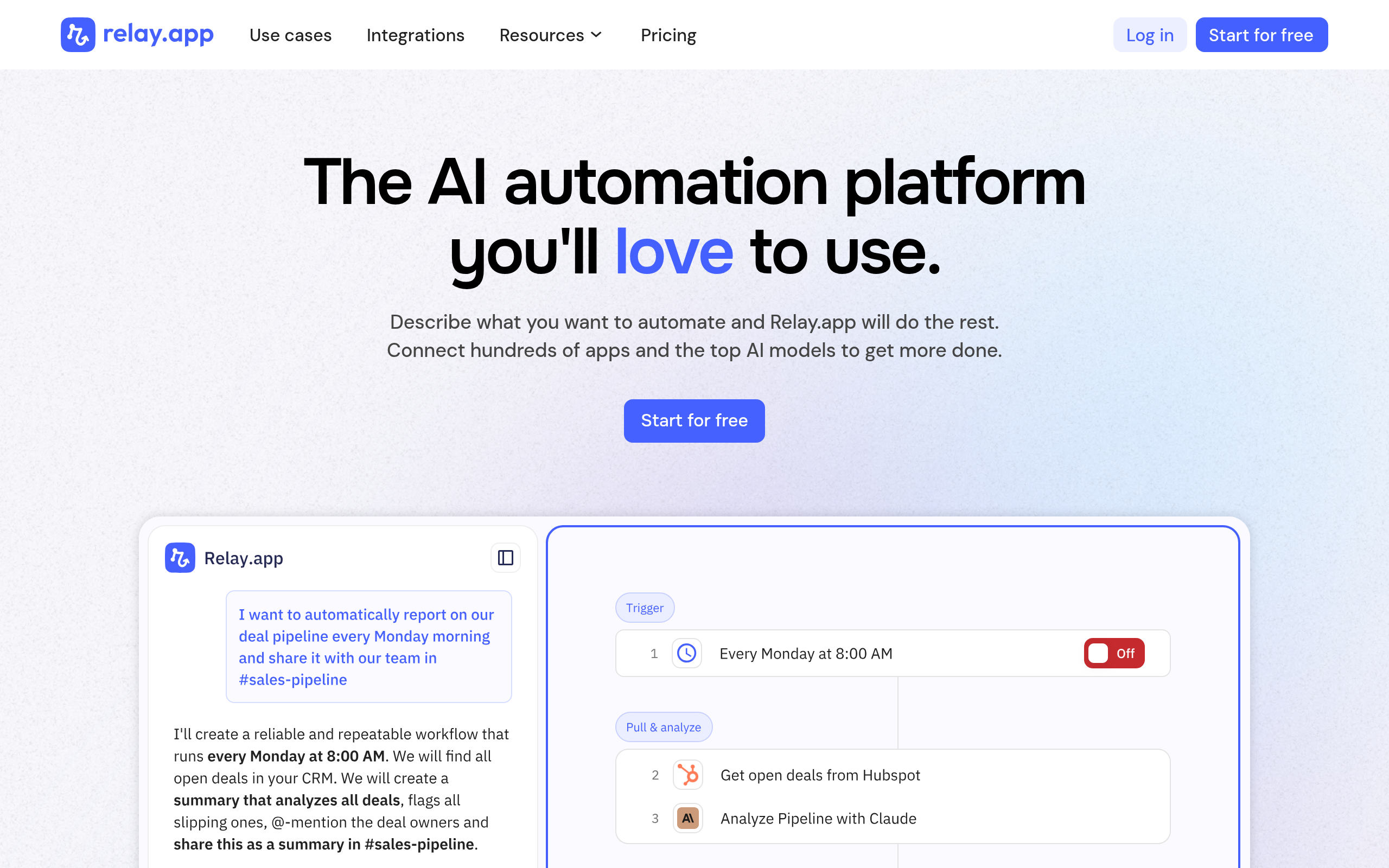
n8n is the most flexible workflow automation tool here — it connects hundreds of apps, lets you add code when you need it, and can be self-hosted, which matters for teams with data or cost constraints. For something simpler, Relay.app focuses on lightweight team automations with human-in-the-loop steps, so it fits teams that want automation without a steep learning curve.
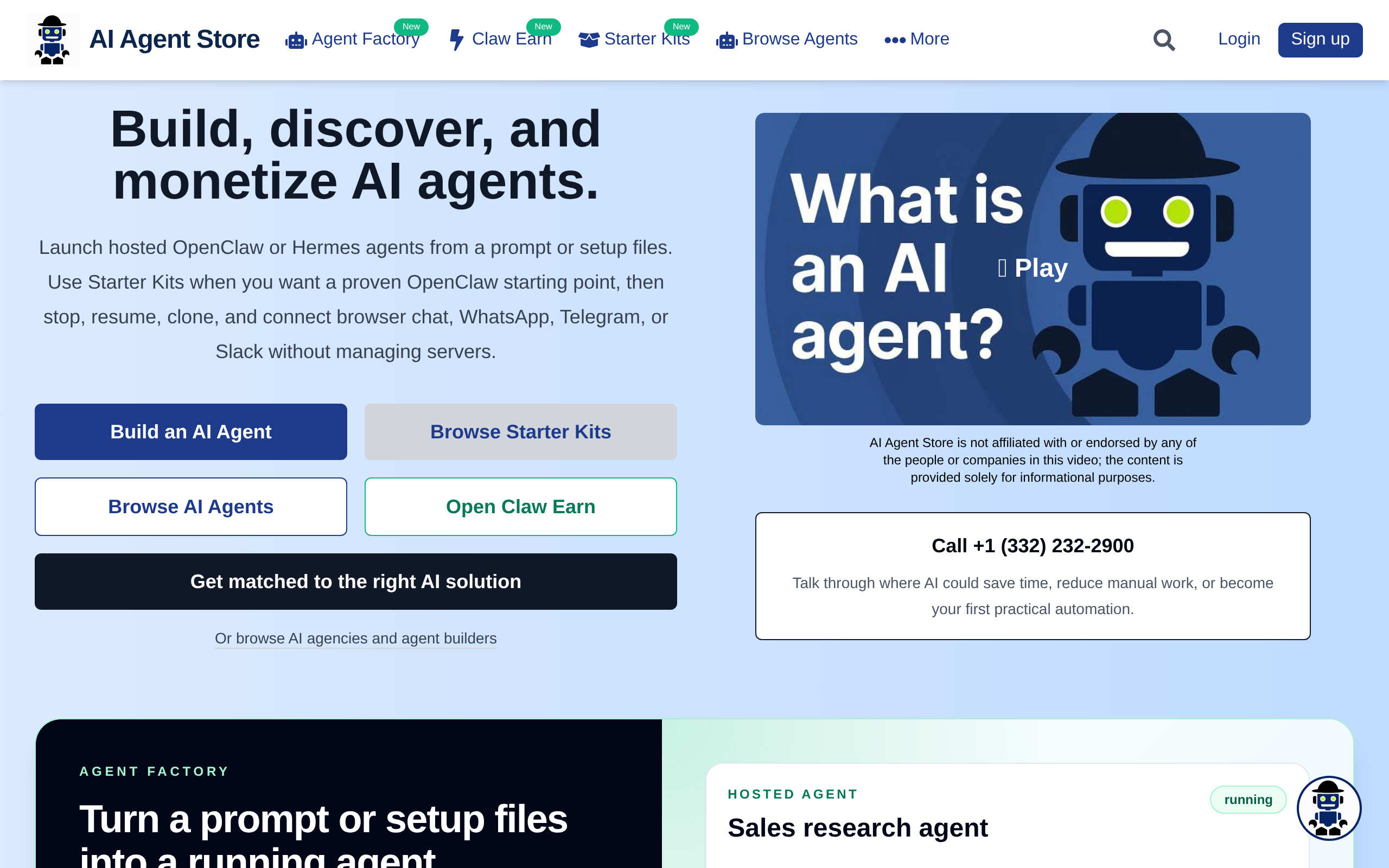
Best for AI agents: StackAI and AI Agent Store
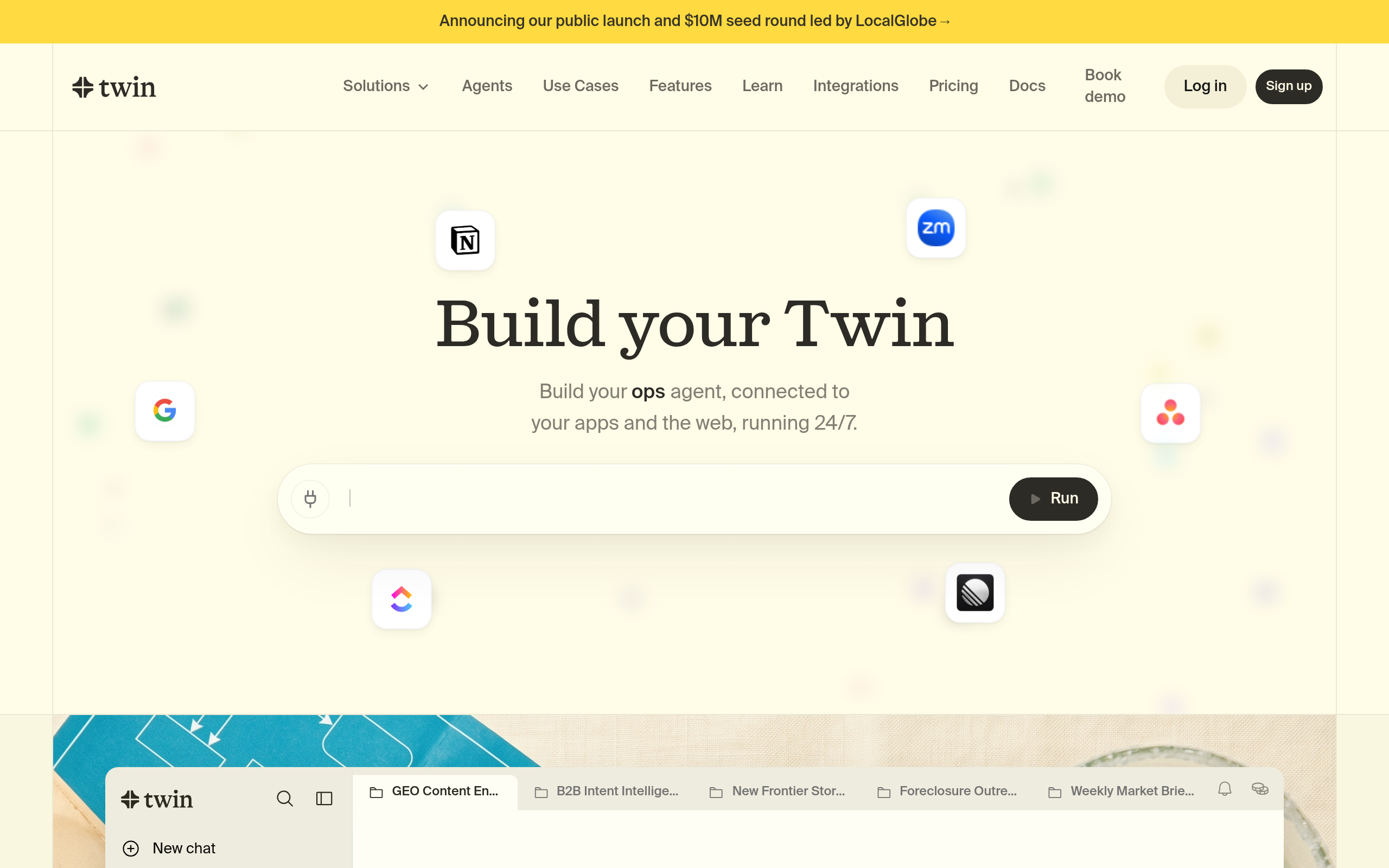
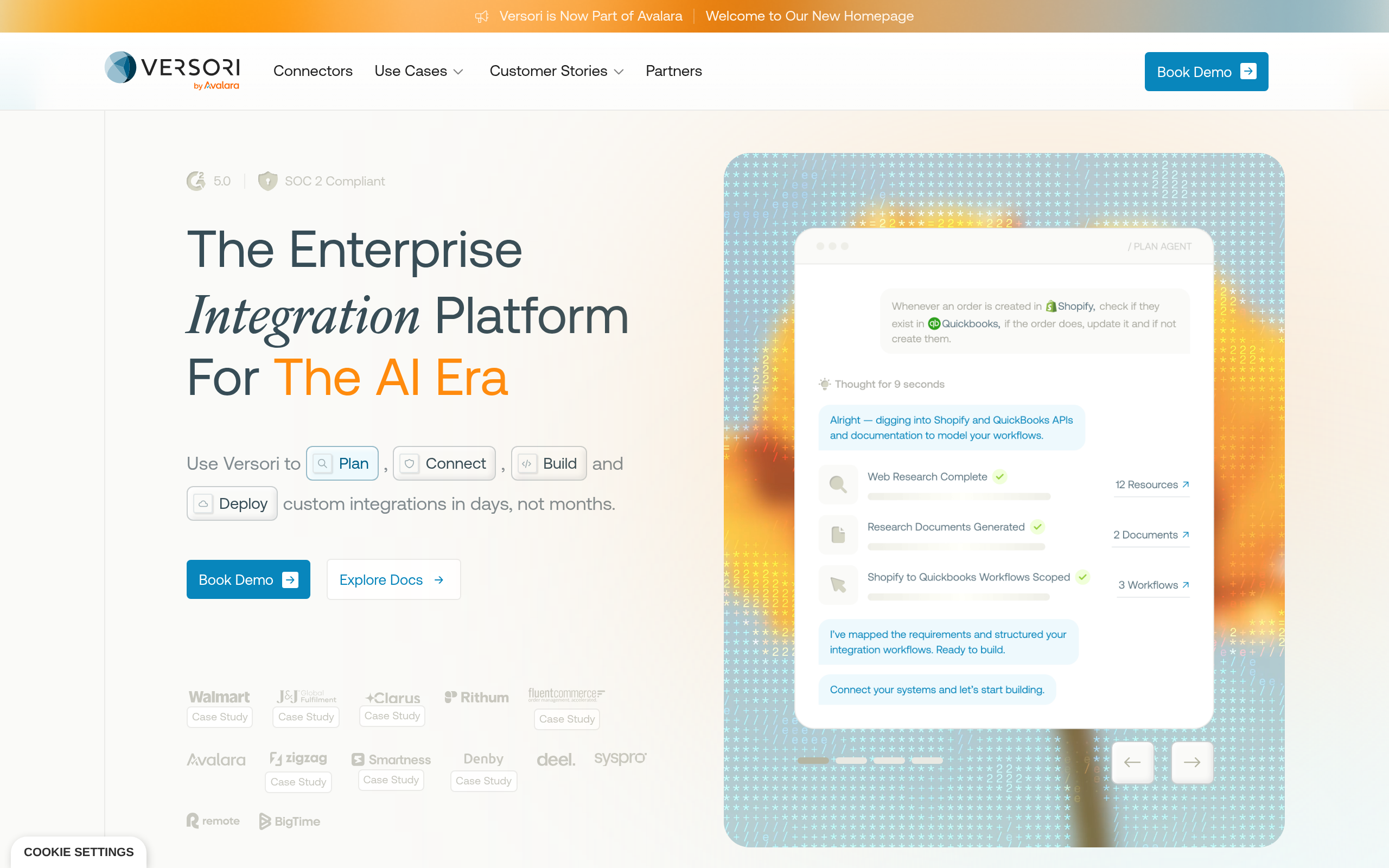
If you want to build agents that reason and take actions rather than just move data, StackAI is built for agentic workflows with LLMs. AI Agent Store is useful for discovering ready-made agents instead of building from scratch. These are a different category from classic automation — they make decisions, not just transfers. Versori and Twin sit nearby for integration- and agent-style automation, worth a look if their fit matches your stack.
Best for enterprise: Automation Anywhere, Workato and Kissflow
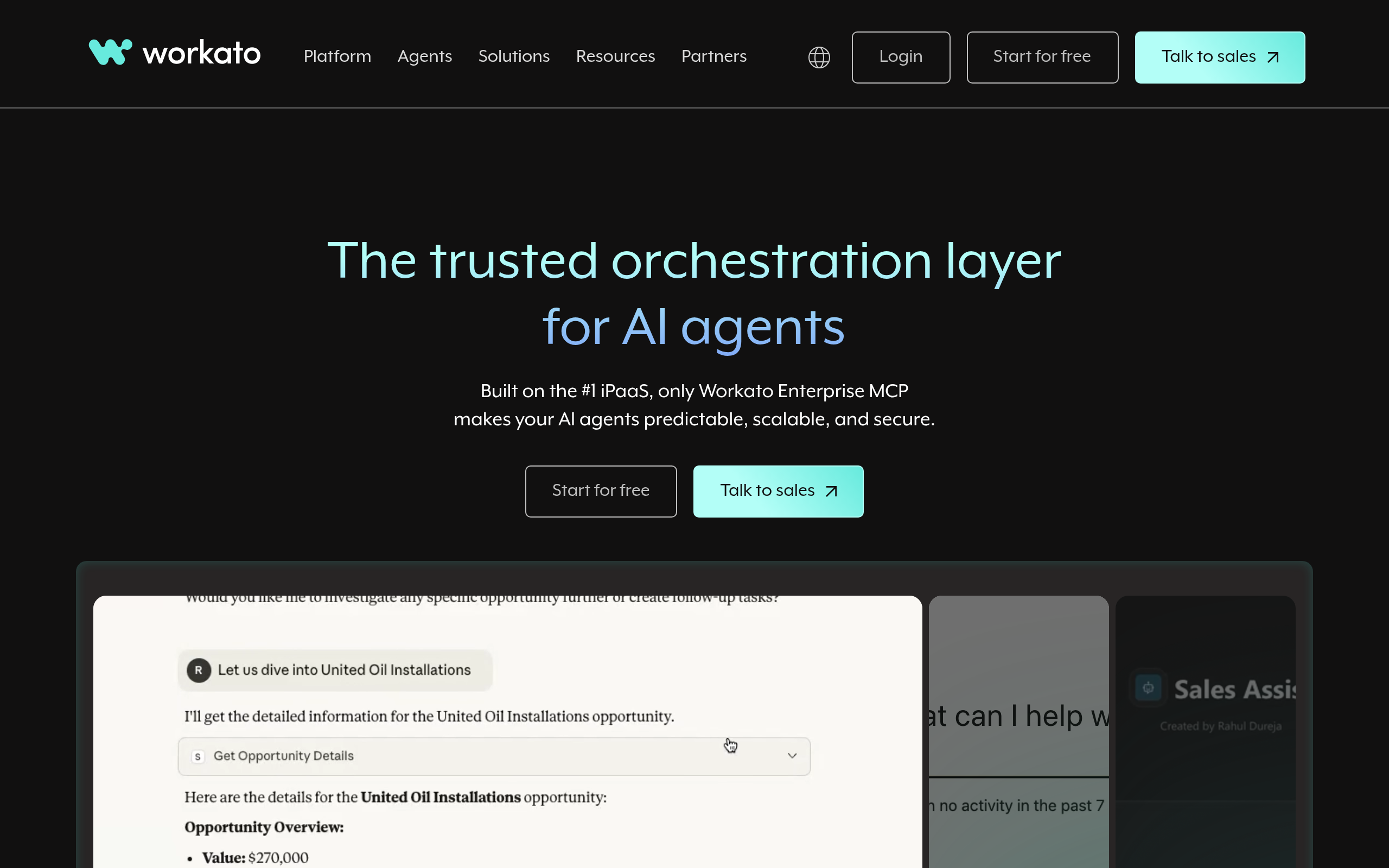
At enterprise scale the needs split. Automation Anywhere is RPA — robots that operate legacy and click-based systems where APIs don't exist. Workato Enterprise MCP handles the integration layer, connecting enterprise systems reliably. Kissflow covers business process automation — forms, approvals and workflows that run a company's operations. These solve different problems, so larger organisations often run more than one.
Best for data and spreadsheets: Coefficient and DataSnipper
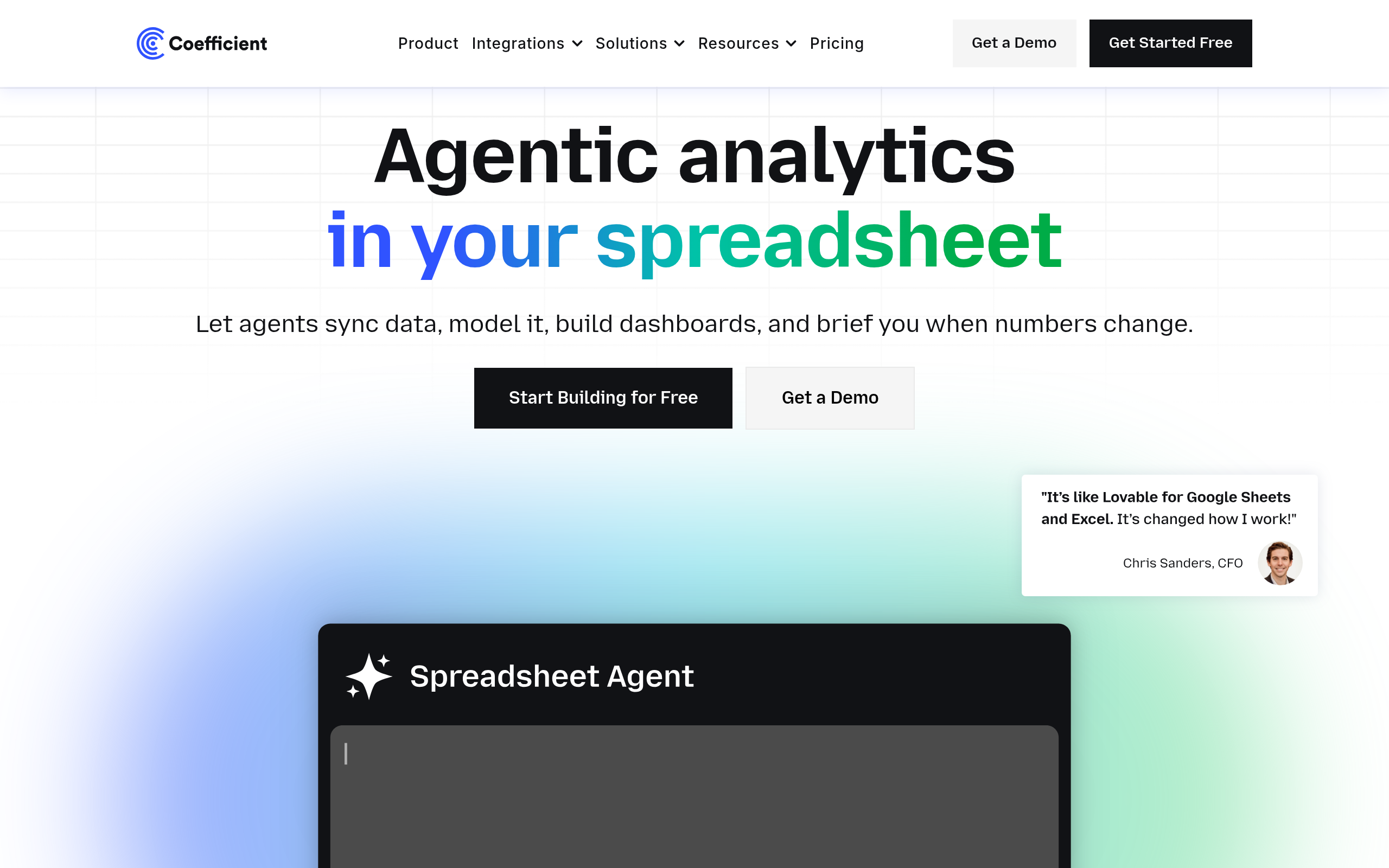
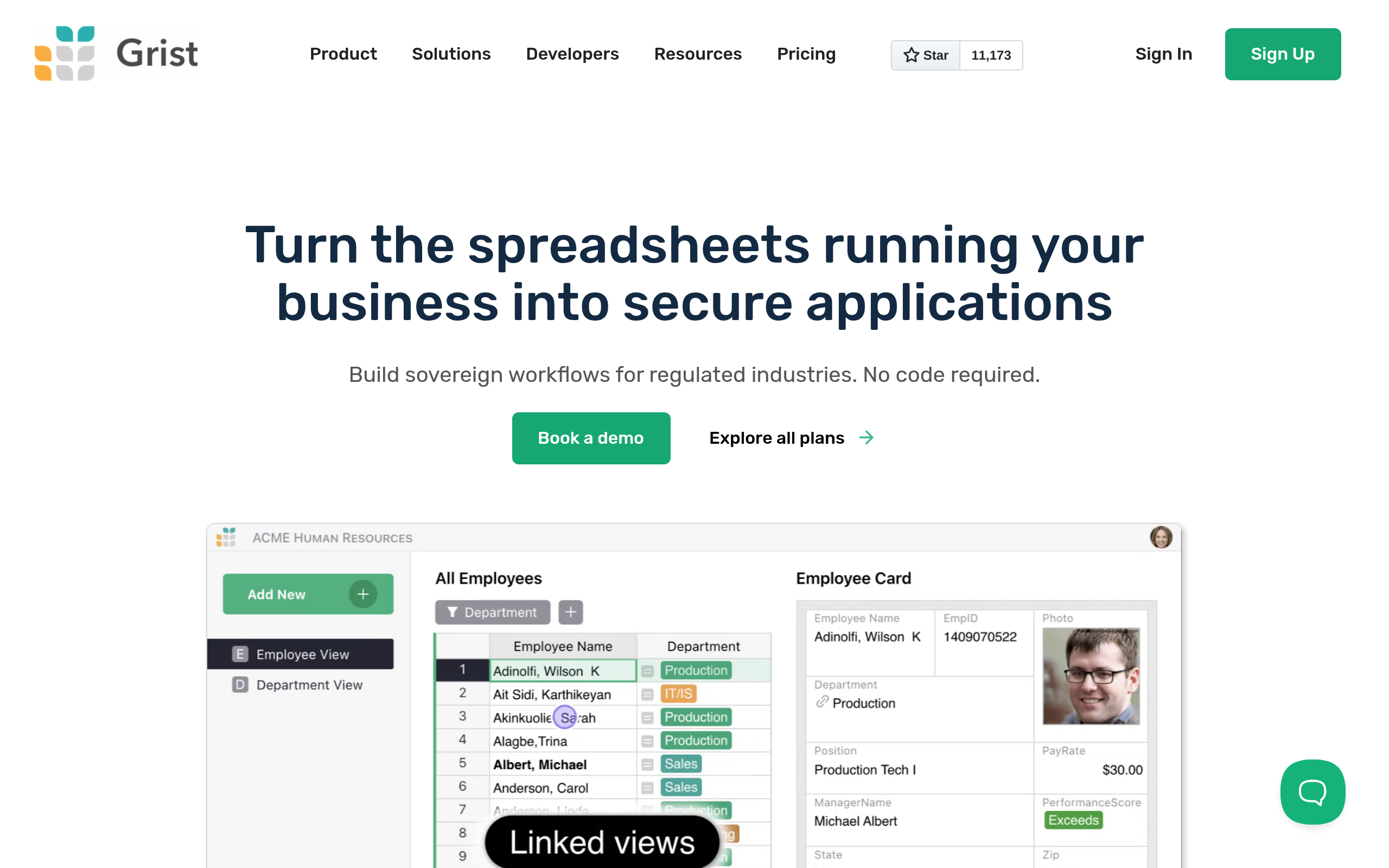
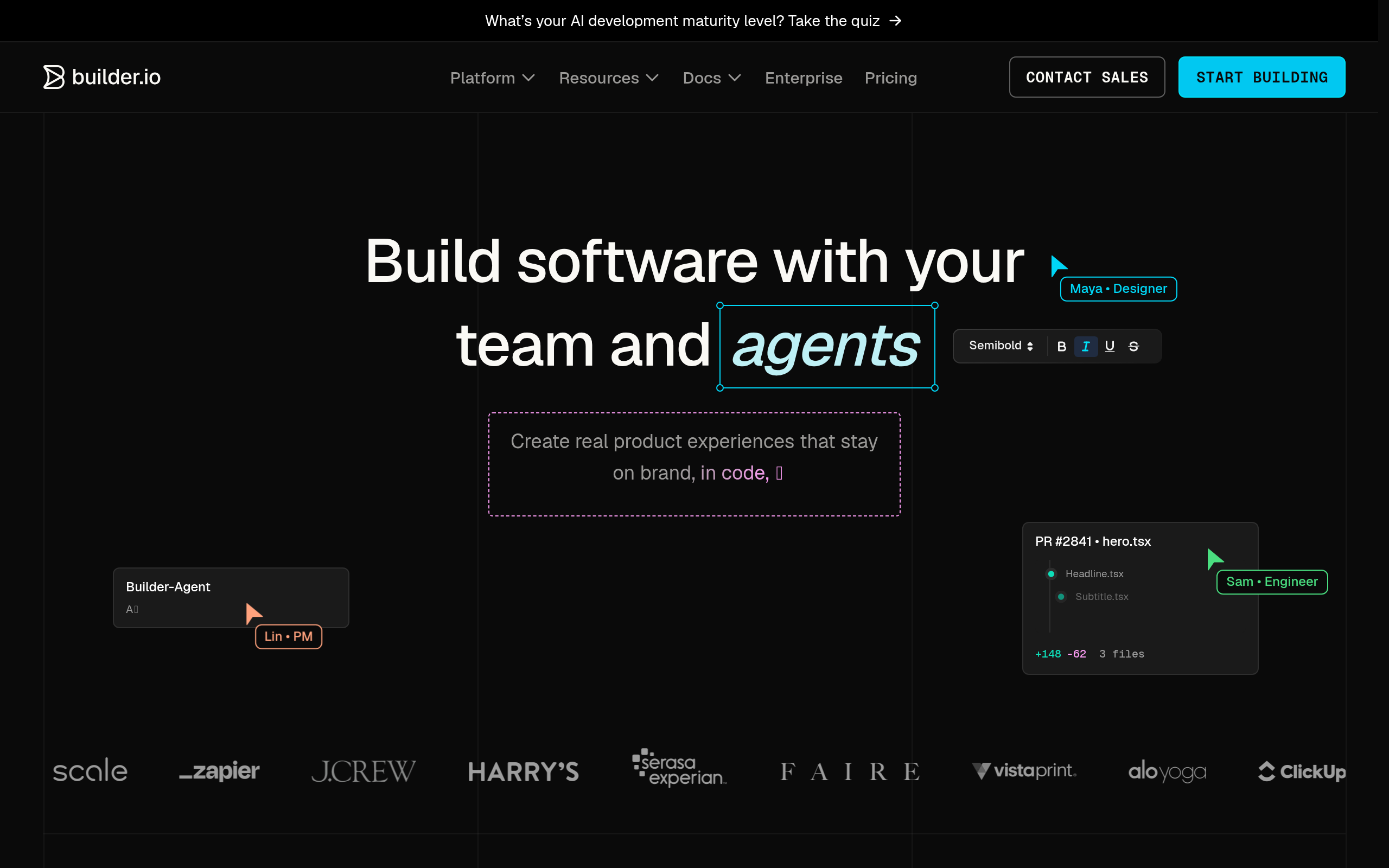
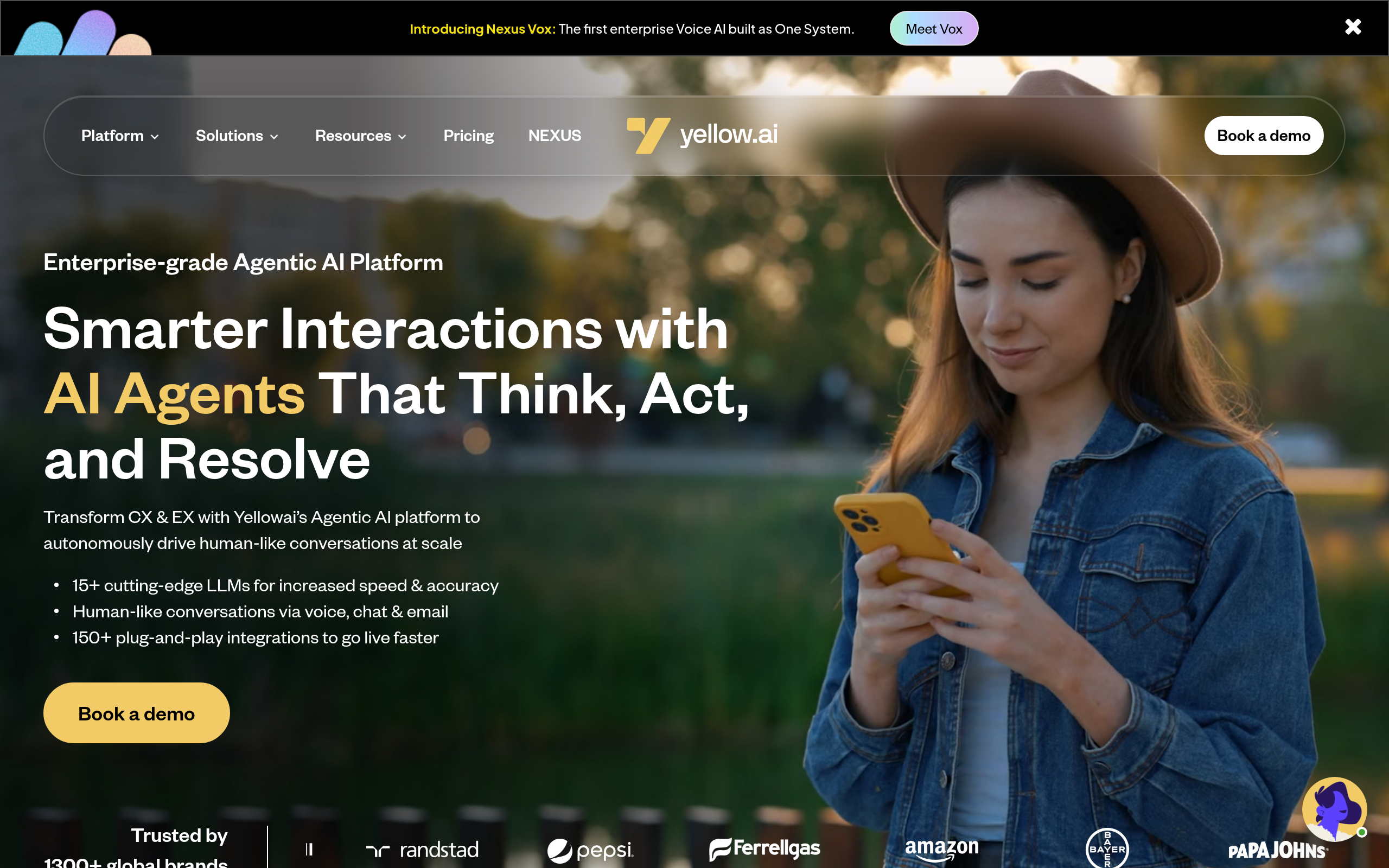
For teams that live in spreadsheets, Coefficient pulls live data into Google Sheets and Excel so reports update themselves. DataSnipper automates document-heavy work like audit and accounting by extracting and matching data. Grist and Builder.io round out the data/app-building side. Yellow.ai is relevant when your automation is conversational/customer-facing.
How to choose
Name the problem first. If you are connecting SaaS apps and triggering steps, you want workflow automation (n8n, Relay.app). If you want a system that reasons and acts, you want an agent platform (StackAI). If you are automating a legacy desktop system with no API, you need RPA (Automation Anywhere). And if you are wiring together enterprise systems, you need an integration platform (Workato). Picking the wrong category is the most common and expensive mistake — a workflow tool can't replace RPA, and an agent platform isn't an integration bus.
Comparee recommendation
- No-code workflows? → n8n; for something simpler, Relay.app.
- AI agents? → StackAI.
- Enterprise automation? → Automation Anywhere (RPA) + Workato Enterprise MCP (integrations).
- Spreadsheet/data? → Coefficient; for documents, DataSnipper.
Choose by which of the four problems you actually have. Compare the platforms in the top automation tools and the AI agents & automation category on Comparee.
Common mistakes when choosing automation tools
The most expensive mistake is buying the wrong category, and it happens constantly. A team picks a slick AI agent platform when all they needed was to connect two apps, or they try to force a no-code workflow tool to operate a legacy desktop system that really needs RPA. Name the problem in plain words first — "move data between SaaS apps", "make decisions on incoming tickets", "operate a system with no API", "wire enterprise systems together" — and the right category becomes obvious. The second mistake is over-automating too early: automating a broken or unclear process just makes the mess run faster. Map and stabilise the process first, then automate it. The third is skipping monitoring; an automation that runs unattended will eventually hit an edge case, and without alerts you find out when something downstream breaks loudly.
How to start with AI automation
Start with one painful, repetitive, well-understood task — not your most complex process. Build it end to end in a flexible tool like n8n, add a human review step where mistakes are costly, and run it on real data for a week before trusting it. This proves the value, surfaces the edge cases, and builds the skills you'll reuse on the next workflow. Cost-wise, several of these tools have free or self-hosted options (n8n can be self-hosted), so you can prototype cheaply before committing to enterprise platforms like Automation Anywhere or Workato Enterprise MCP. The teams that win with automation don't buy the biggest platform first — they automate one task well, learn from it, and expand. Momentum from small, reliable wins beats a stalled enterprise rollout every time.
One last point worth internalising: the goal of automation is not to remove people but to remove the dull, repetitive parts of their work so they can spend time on judgement, relationships and the decisions that genuinely need a human. The teams that get this right end up with happier staff and more reliable operations, not a hollowed-out org chart. Start where the pain is obvious, keep a person in the loop on anything risky, and let the wins build trust in the system. Automation adopted that way compounds quietly until a meaningful share of routine work simply runs itself.
The bottom line
"Best AI automation tool" only makes sense once you know whether you need workflow automation, an AI agent, RPA or integrations. n8n leads no-code workflows, StackAI builds agents, Automation Anywhere and Workato cover enterprise, and Coefficient and DataSnipper handle data. Identify the category, then test the leader in it — most offer free or trial tiers.
Tools mentioned in this guide
Pricing, features and model availability can change over time. Always verify current details on each tool's official website before deciding.
Frequently Asked Questions
What is the best AI automation tool in 2026?
What is the best AI automation tool in 2026?
What is the difference between AI automation and AI agents?
What is the difference between AI automation and AI agents?
What is the best no-code automation tool?
What is the best no-code automation tool?
What is RPA and when do I need it?
What is RPA and when do I need it?
Are these automation tools free?
Are these automation tools free?
Don't just pick a tool — get the whole workflow
Tell Comparee your goal and get a complete step-by-step AI workflow with the right tool for every step.