Best Make.com Alternatives in 2026: Visual Automation Tools
Best Make.com alternatives in 2026 — visual workflow automation. n8n, Relay.app, StackAI and more compared by use case.
Key takeaways
- Make.com is great for visual automation, but alternatives add flexibility, AI or self-hosting.
- For flexible, self-hostable automation, n8n; for AI workflows, StackAI and Relay.app.
- For integrations and web tasks, Versori and Twin.
- Pick by whether you want self-hosting, AI steps, or integration breadth.
Make.com (formerly Integromat) is loved for its visual, flexible automation builder. But as needs grow, some teams want self-hosting, AI-native workflows, or a different pricing model. This guide compares the best Make.com alternatives in 2026 and who each one suits.
Why look for Make alternatives?
People look for Make.com alternatives to gain self-hosting and data control, to build AI-driven workflows natively, to fit a different pricing model, or to handle automation types Make is less suited to. Each alternative below leans into one of these, so you can match it to the reason you are looking.
The short answer
For the most flexible, self-hostable automation, n8n. For AI-native workflows and agents, StackAI and Relay.app. For integration-heavy projects and web task automation, Versori and Twin.
| Alternative | Best for |
|---|---|
| n8n | flexible, self-hostable automation |
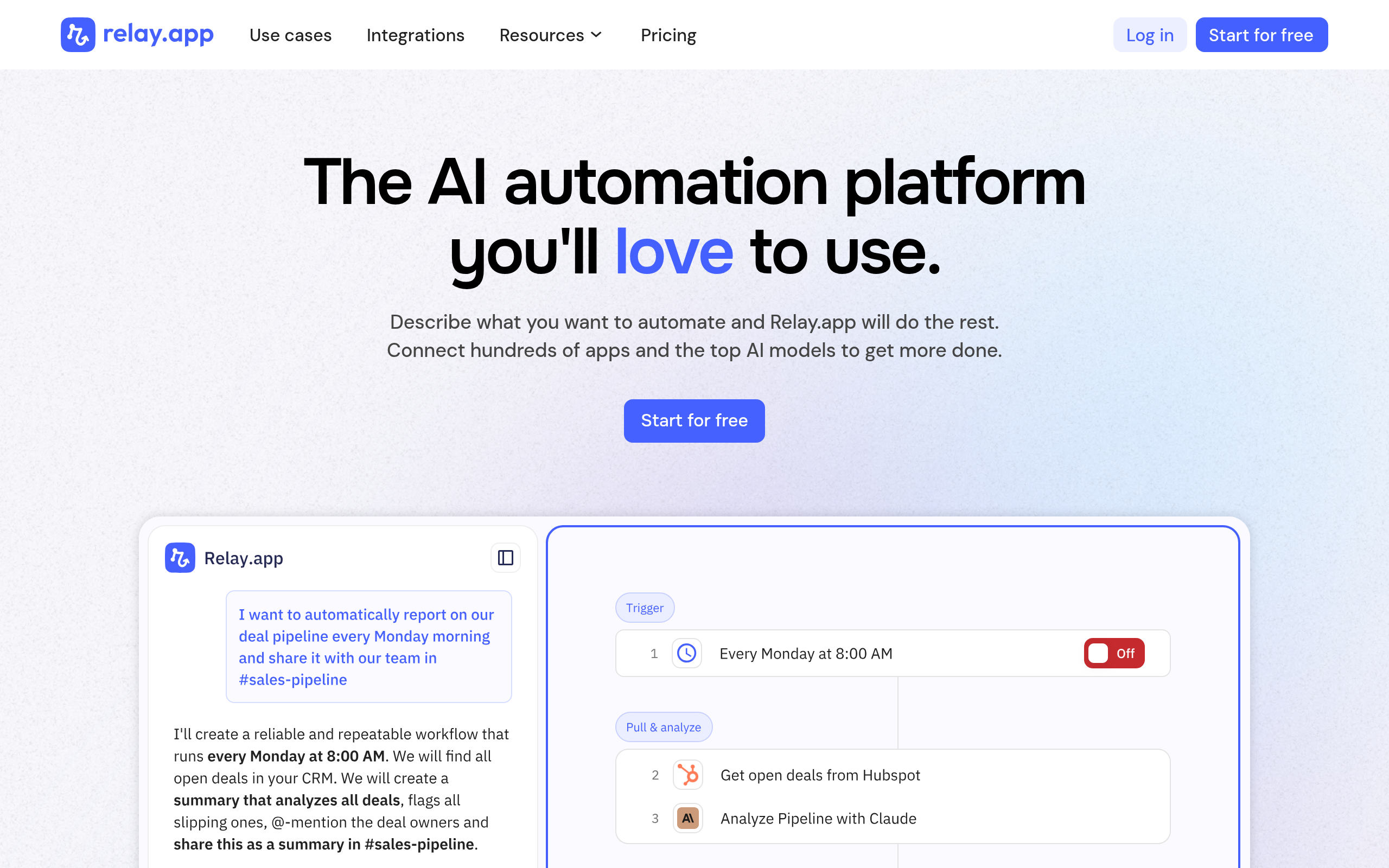
| Relay.app | AI and human-in-the-loop workflows |
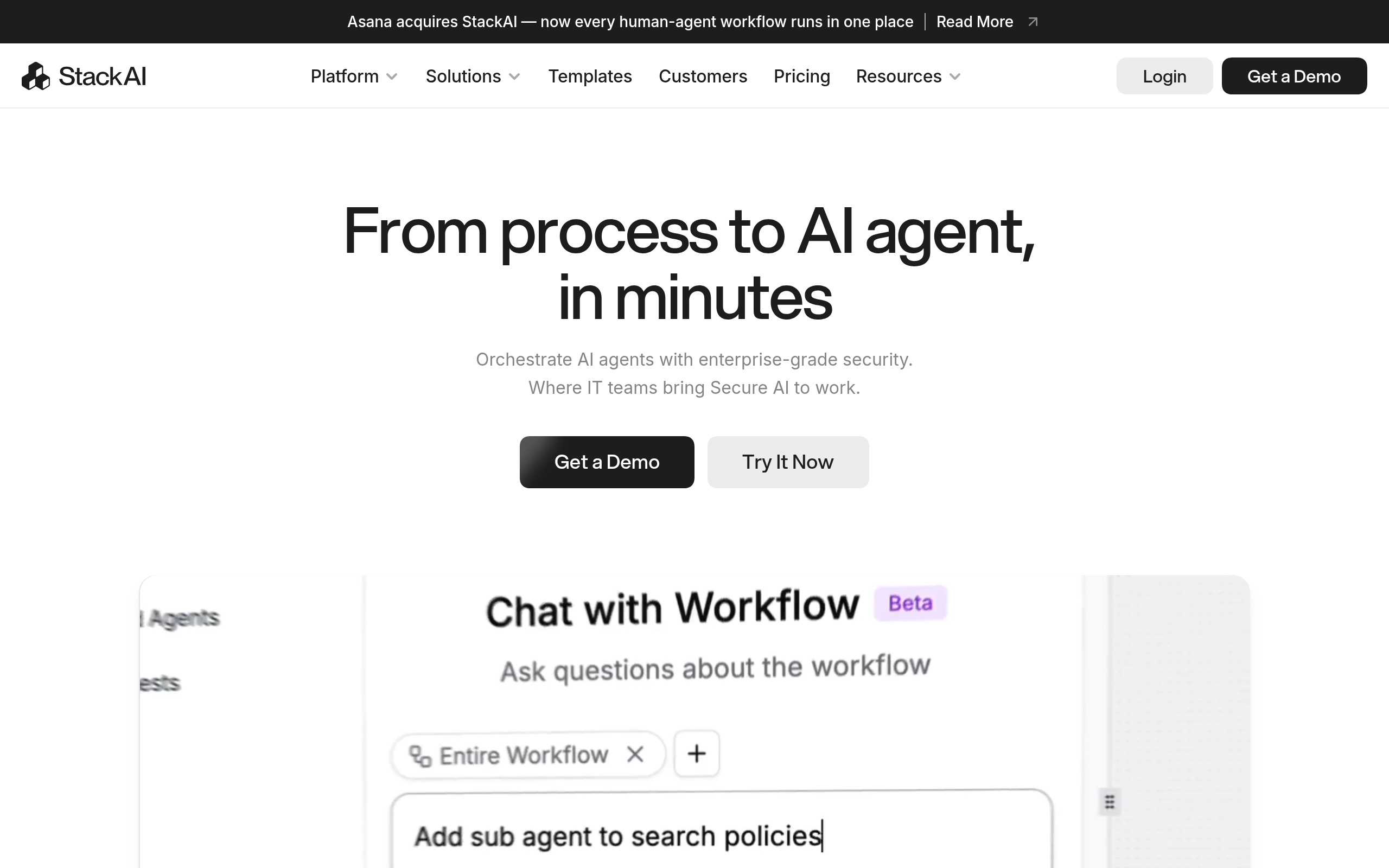
| StackAI | AI agents and LLM workflows |
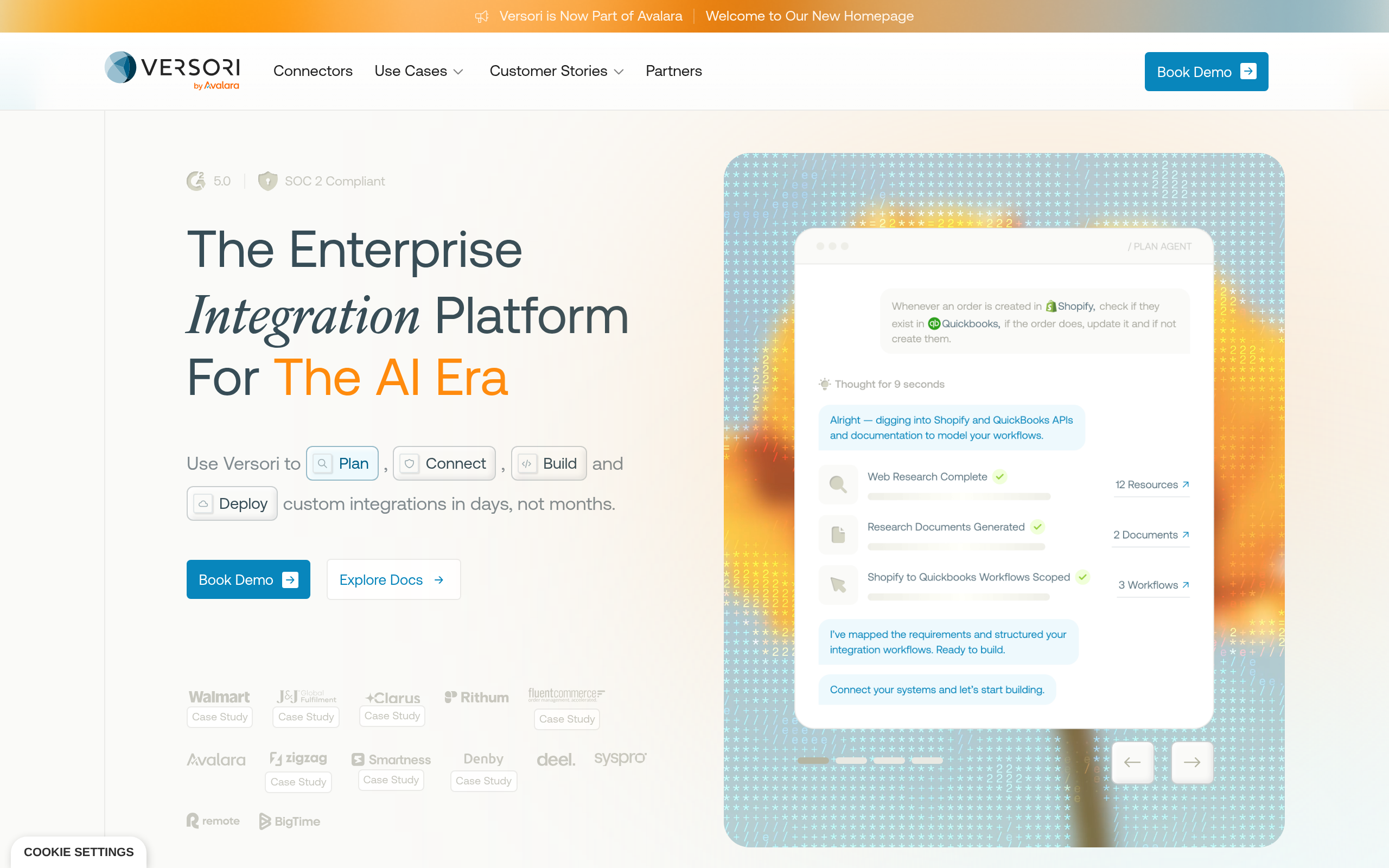
| Versori | integration-heavy projects |
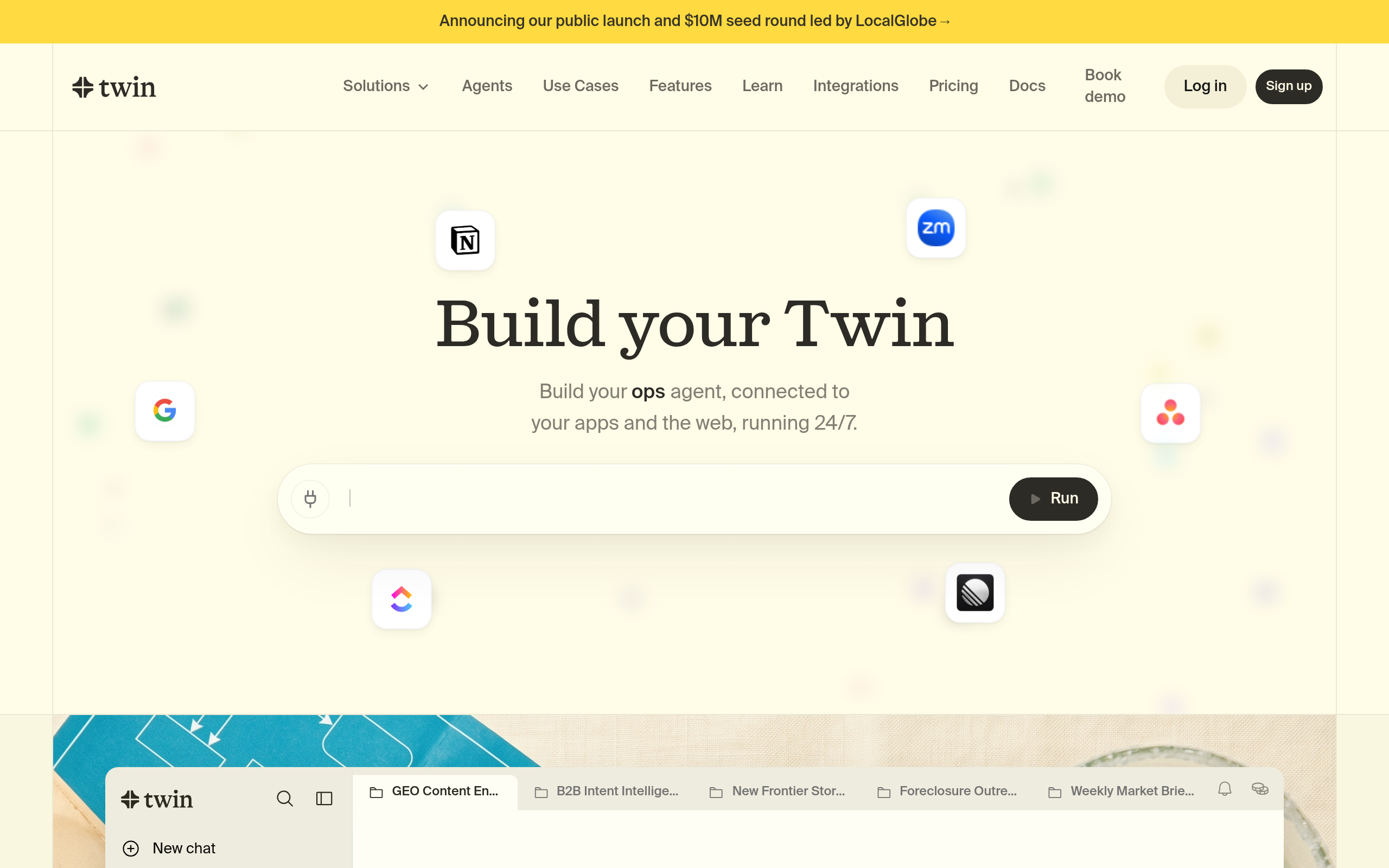
| Twin | automating repetitive web tasks |
The best Make alternatives
n8n
n8n is the standout Make.com alternative for teams who want flexibility and control — it handles complex workflows, lets you add code, and can be self-hosted to avoid usage pricing and keep data in-house. If you have outgrown Make on cost or control, n8n is the natural step.
Relay.app
Relay.app blends AI and human approval steps into automations, suiting processes that need judgement or review rather than pure automation. For modern, AI-assisted workflows, it is a fresh alternative.
StackAI
StackAI centres on AI-powered workflows and agents — ideal when your automations apply AI to documents, requests or decisions rather than just connecting apps. For AI-first automation, it is purpose-built.
Versori
Versori focuses on connecting many systems reliably, a fit for teams whose core need is integration breadth. For stitching a complex stack together, it offers a dedicated approach.
Twin
Twin automates repetitive, browser-based work that falls outside neat API integrations. If much of your manual work happens in a browser, it complements or replaces traditional automation.
How to choose a Make alternative
Start with your reason for leaving Make. Want self-hosting and flexibility? → n8n. Building AI or human-in-the-loop workflows? → StackAI or Relay.app. Need integration breadth or web-task automation? → Versori or Twin. The best Make.com alternative is the one that addresses your specific limitation.
What to look for when switching
When comparing automation platforms, check app and integration coverage for your stack, the pricing model versus your automation volume, whether it can express the complexity your workflows need, and self-hosting if data control matters. Rebuild your most important automation first and test it on real data before trusting it.
Comparee recommendation
- n8n — flexible, self-hostable automation.
- Relay.app — AI and human-in-the-loop workflows.
- StackAI — AI agents and LLM workflows.
- Versori — integration-heavy projects.
- Twin — automating repetitive web tasks.
Compare more options in the AI automation category and the wider AI Tools, Comparisons & Workflows hub on Comparee.
Is switching from Make worth it?
Switching tools always has a cost — learning a new interface, migrating your work, getting your team on board — so it is only worth it when an alternative genuinely solves a problem Make does not. The options here (n8n, Relay.app, StackAI, Versori, Twin) each have a clear strength, so the decision is rarely "is this better than Make at everything" but rather "does this fix the specific thing that frustrated me". If you have a concrete reason to switch — cost, a missing feature, or the wrong focus for your work — then one of these AI automation alternatives is very likely a better fit. If Make is working fine for you, there is no need to move for its own sake.
Free and paid Make alternatives
Budget often drives the search for a Make alternative, and there is good news on both ends. If cost is your main reason for switching, start with the most accessible options like n8n, which let you get real value without a big commitment, and note that most paid tools here offer free trials so you can test before you buy. Rather than choosing on price alone, weigh what each tool does well against what you will actually use — the cheapest tool is no bargain if it does not fit your workflow, and a slightly pricier one that nails your core AI automation need usually pays for itself in saved time. Trial your top one or two picks on a real task before deciding.
How to switch from Make smoothly
Once you have picked an alternative, switch in a low-risk way rather than all at once. Start by recreating one real, important workflow in the new tool and run it alongside Make for a short period to compare. Bring your team in early if they will use it, since adoption matters as much as features. Keep your Make data exported and backed up until you are confident, and only fully cut over once the alternative has proven itself on your actual work. Tools like n8n and Relay.app reward this deliberate approach — test on something that matters, not a toy example, and the right choice becomes obvious.
What makes a good Make alternative?
It helps to be clear about what you are actually comparing. A good Make alternative is not simply "cheaper" or "newer" — it is one that does the specific job you need better or more affordably than Make does for you. That is why this guide sorts the options by use case rather than ranking them one to five: n8n may be the obvious pick for one team and the wrong one for another with different priorities. The strongest signal is fit. Look at the kind of work you do most, find the alternative built for exactly that, and weight it above flashy features you will rarely touch. It is also worth remembering that the best-known tool is not automatically the best for you — the right-sized, well-fitting option usually beats the most famous one on the things that matter day to day. Take the shortlist here (n8n, Relay.app, StackAI, Versori, Twin), narrow it to the one or two that match your main use case, and trial those properly. That focused approach gets you to a confident decision far faster than trying to evaluate everything at once, and it is how most teams end up genuinely happy with the switch. One last tip: write down the single reason you started looking for a Make alternative before you begin testing, and judge each option against that reason first. It is easy to get distracted by features a tool markets well but that you will never use, and the clearest path to a good decision is to keep measuring every candidate against the specific problem that sent you searching in the first place.
The bottom line
Make.com is a strong visual automation tool, but alternatives go further for specific needs: n8n for flexible self-hosting, StackAI and Relay.app for AI workflows, and Versori and Twin for integrations and web tasks. Pick by the reason you are switching.
Disclaimer: features and pricing change frequently — confirm current details on each tool's official site before deciding. This is an independent guide based on each tool's general positioning, not a substitute for your own evaluation.
Tools mentioned in this guide
Pricing, features and model availability can change over time. Always verify current details on each tool's official website before deciding.
Frequently Asked Questions
What is the best Make.com alternative?
What is the best Make.com alternative?
Is n8n better than Make.com?
Is n8n better than Make.com?
What is a good Make.com alternative for AI workflows?
What is a good Make.com alternative for AI workflows?
Can I self-host a Make.com alternative?
Can I self-host a Make.com alternative?
Don't just pick a tool — get the whole workflow
Tell Comparee your goal and get a complete step-by-step AI workflow with the right tool for every step.