Best AI Writing Tools in 2026 for Blogs, Marketing and SEO
The best AI writing tools in 2026, compared by use case — blogs, marketing copy, SEO content, product descriptions and research. Comparee's verdict.
Key takeaways
- The best AI writing tool depends on what you write — long-form blogs, short marketing copy, SEO content or product descriptions each have a better-fit tool.
- For marketing copy, Copymatic and Simplified AI Writer; for content + social, Ocoya.
- For e-commerce, CopyMonkey; for SEO content, NeuralText and ContentBot.ai; for research-backed writing, Sourcely and AnswerThis.
- Match the tool to the format — a product-description generator is not a long-form blog writer.
"Best AI writing tool" depends entirely on what you write. A long-form blog, a batch of product descriptions, an SEO brief and a social caption all reward different tools. This guide skips the generic ranking and gives you the best AI writing tool for each real use case, using tools from the Comparee catalog, so you pick by your format rather than by hype.
The temptation with AI writing is to judge tools by how human the raw output sounds. That's the wrong test, because every modern tool can produce fluent text — the difference that matters is how well a tool fits the specific writing job and how little editing its drafts need for your format. A blog writer optimised for long-form structure is wasted on bulk product listings, and a listing generator is painful for a thought-leadership post. So the comparison below is by format and job, because that's what actually determines whether a tool saves you time or just gives you more to rewrite.
The short answer
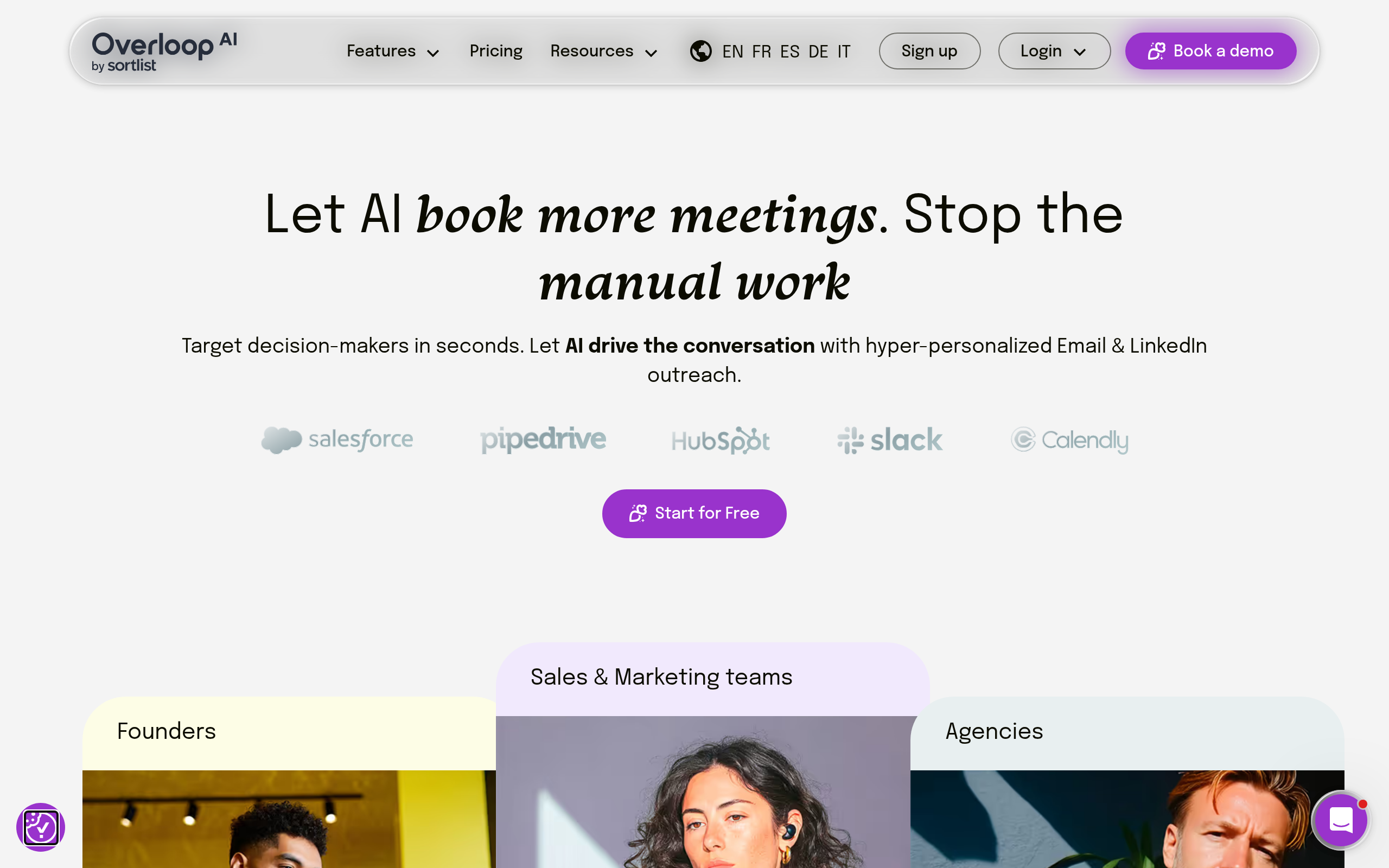
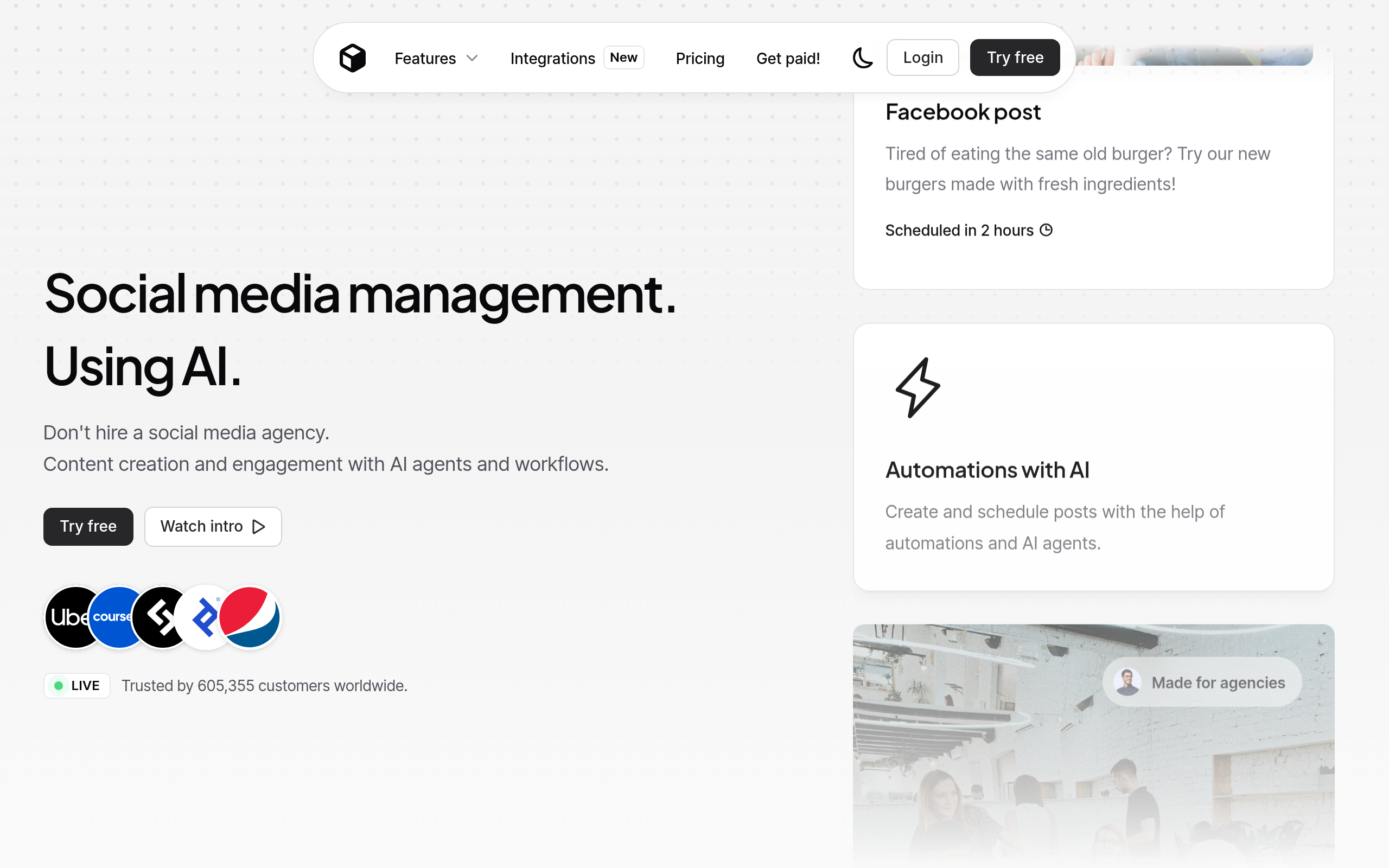
For general marketing copy, Copymatic and Simplified AI Writer are fast and versatile. For content plus social scheduling, Ocoya combines writing and posting. For e-commerce, CopyMonkey generates product listings at scale. For SEO-focused content, NeuralText and ContentBot.ai. And for research-backed writing, Sourcely and AnswerThis bring sources into the process.
Best AI writing tools by use case
| Use case | Best pick | Why |
|---|---|---|
| General marketing copy | Copymatic / Simplified AI Writer | Fast, versatile, many formats |
| Content + social | Ocoya | Write and schedule in one place |
| E-commerce product copy | CopyMonkey | Bulk product descriptions |
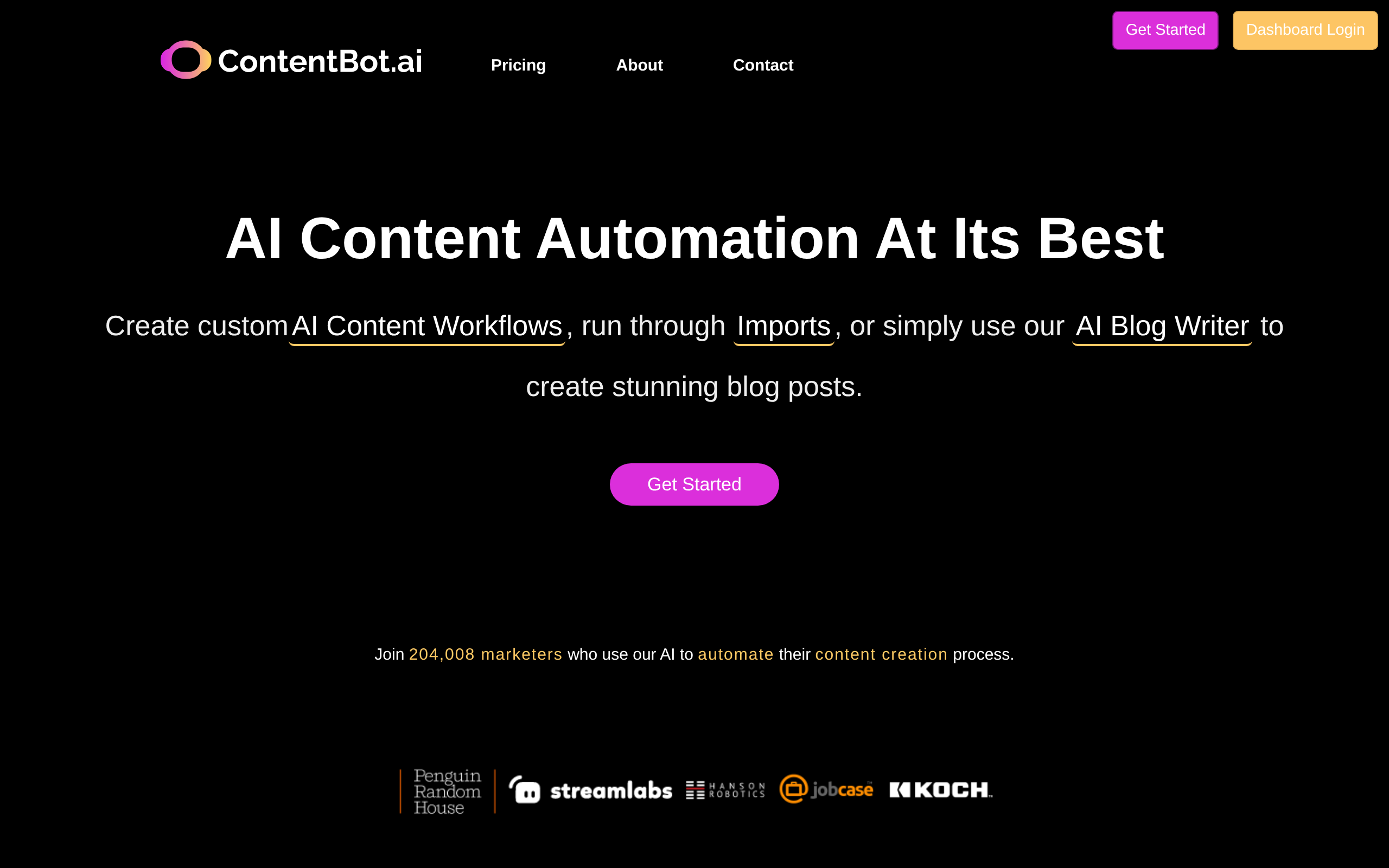
| SEO content | NeuralText / ContentBot.ai | SEO-aware drafting |
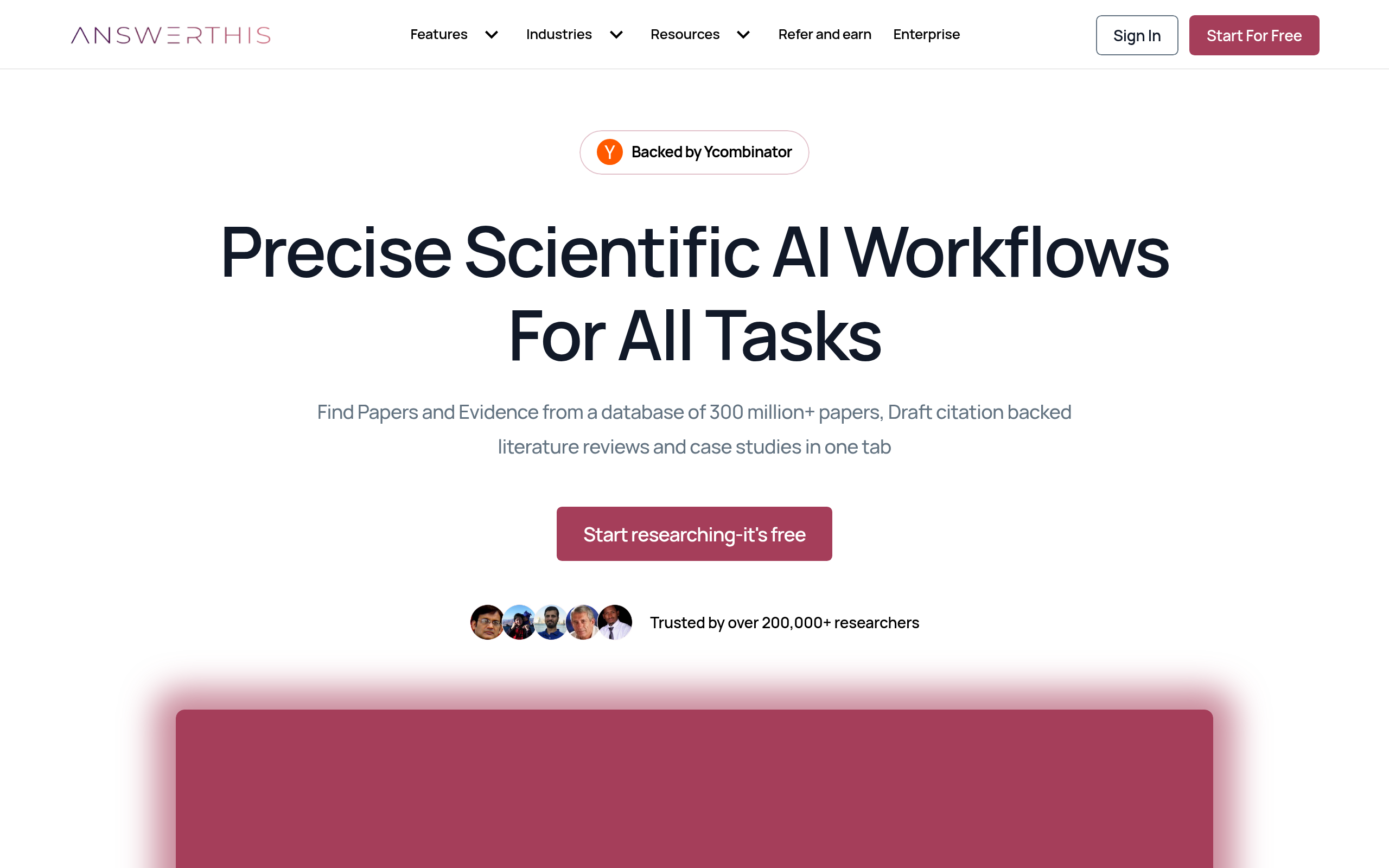
| Research-backed writing | Sourcely / AnswerThis | Citations and sources |
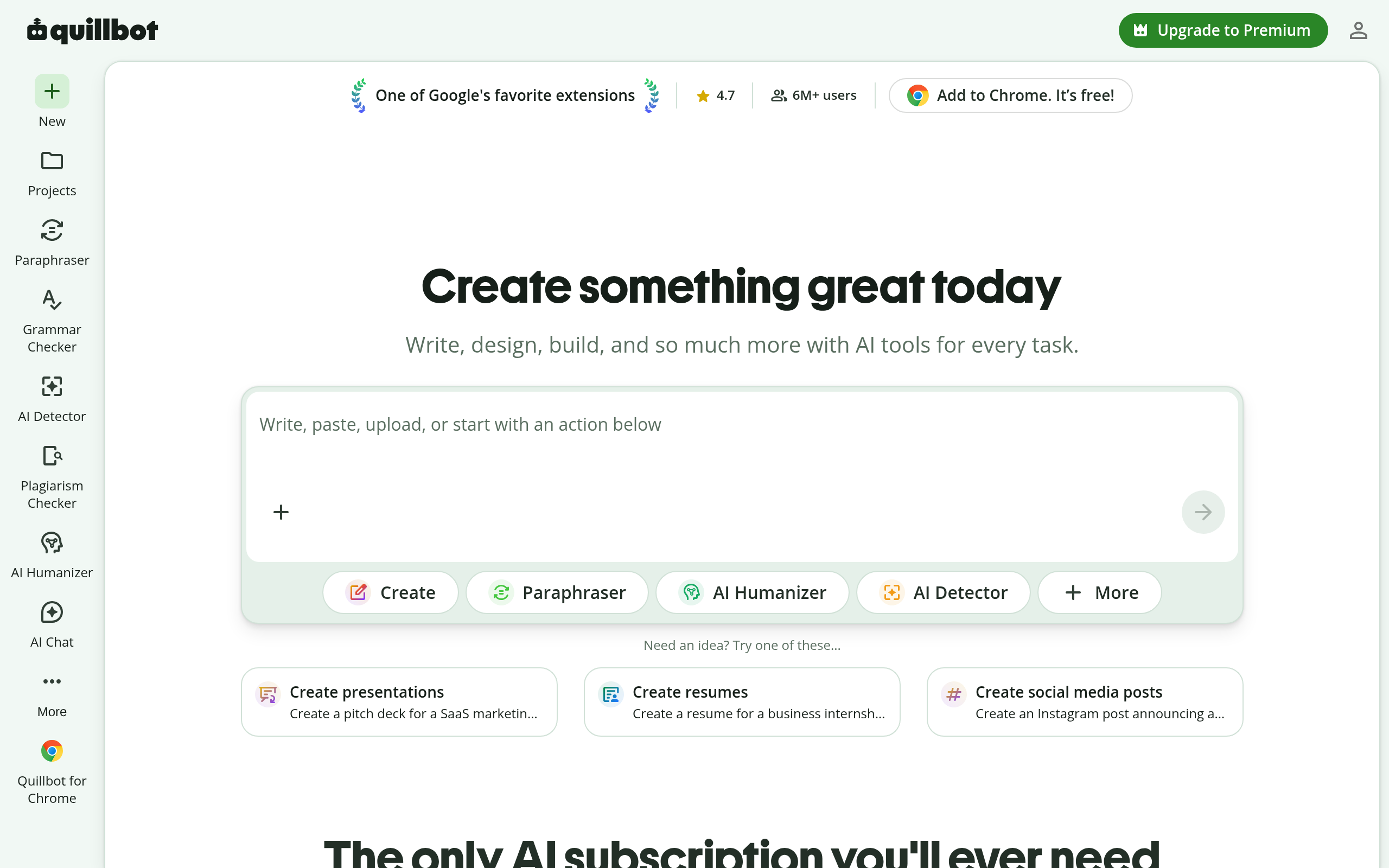
| Paraphrasing / editing | Quillbot | Rewrite and refine |
| Email / outreach copy | Hoppy Copy / Overloop AI | Campaign and outreach text |
Best for marketing copy: Copymatic, Simplified and Ocoya
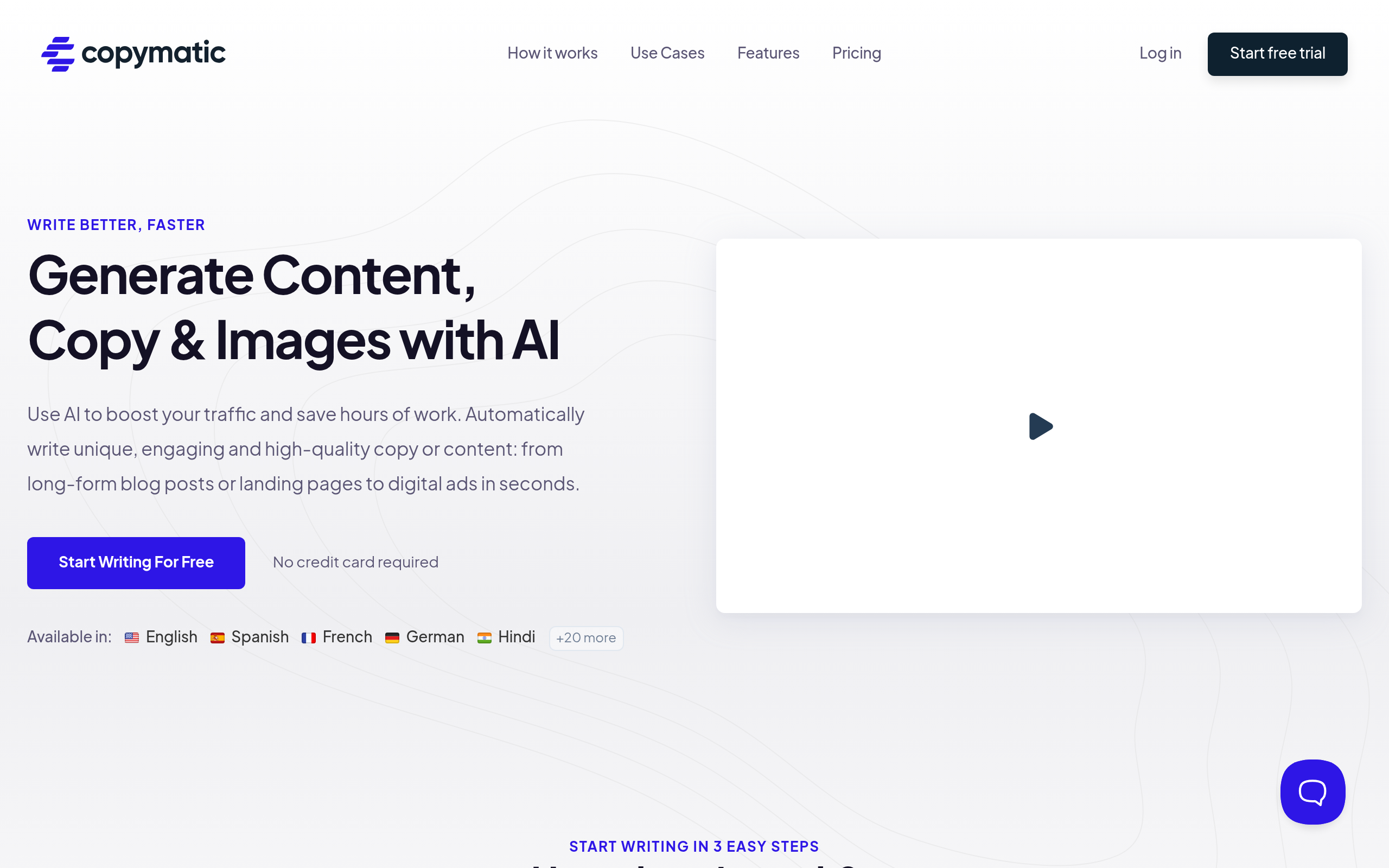
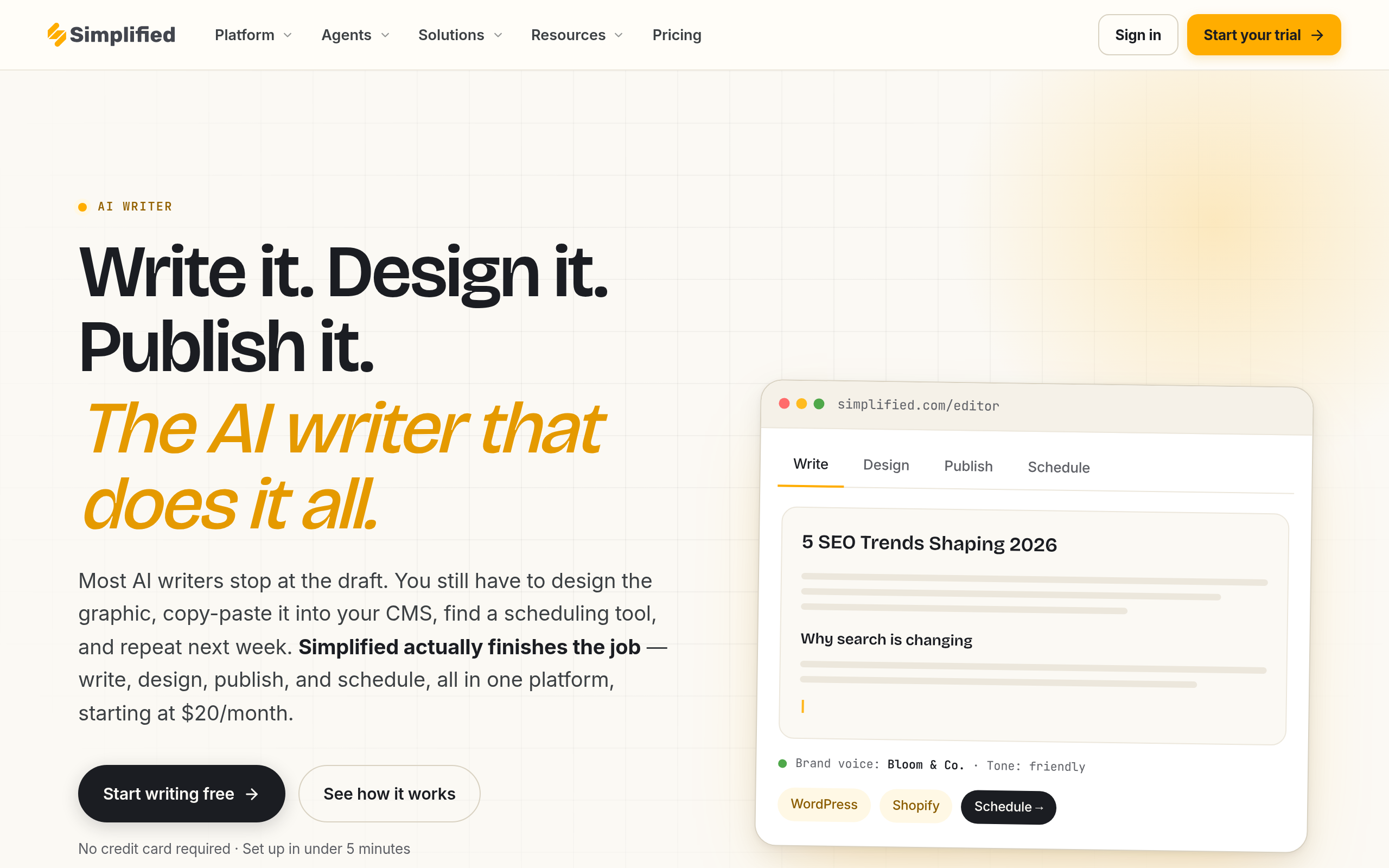
Copymatic and Simplified AI Writer are strong all-rounders for marketing — ads, landing copy, social posts and blog drafts across many templates. If your work includes publishing as well as writing, Ocoya combines content generation with social scheduling, which removes the copy-paste step between writing and posting. For email specifically, Hoppy Copy and Overloop AI focus on campaign and outreach text.
Best for e-commerce and SEO: CopyMonkey, NeuralText and ContentBot.ai
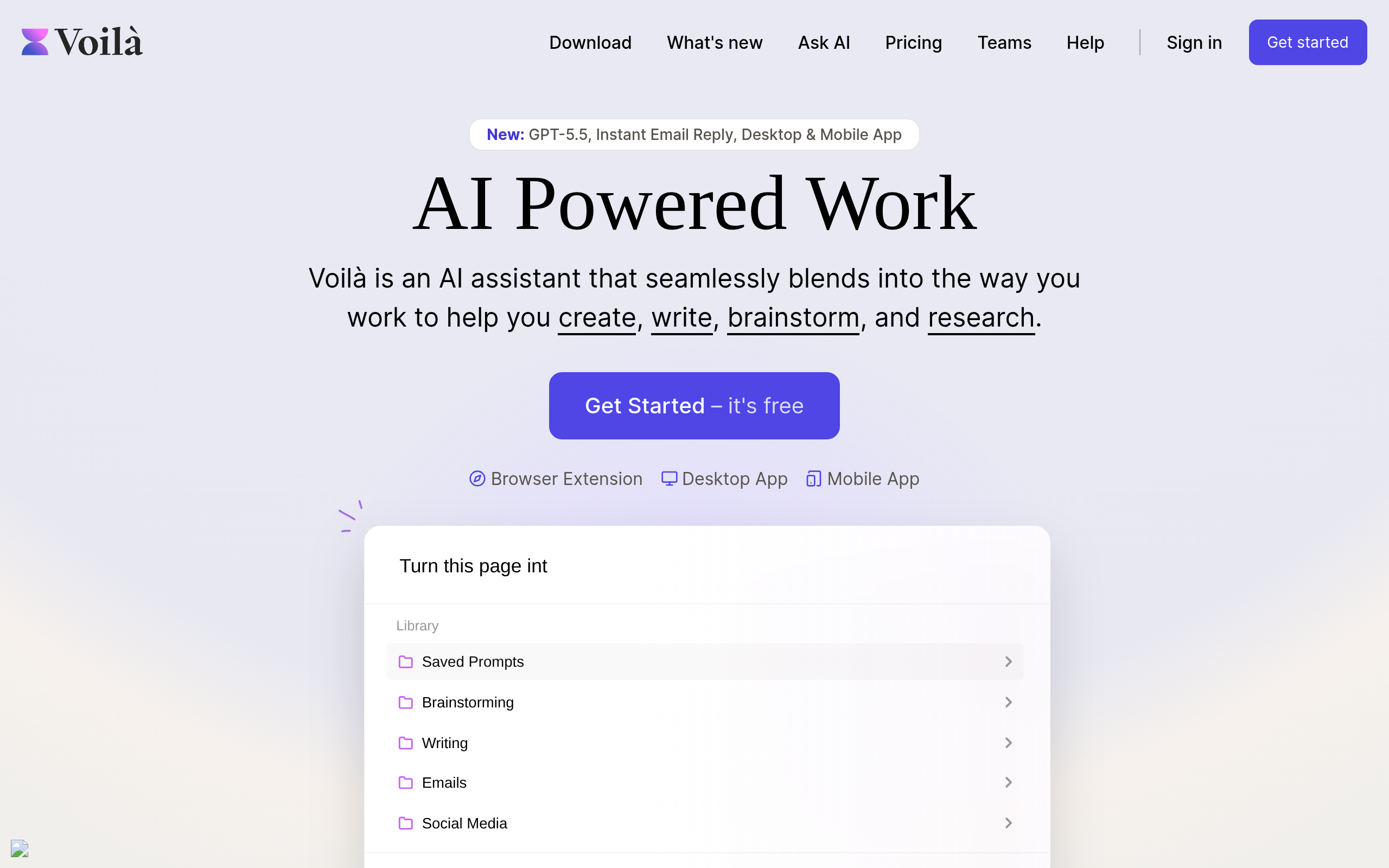
For online stores, CopyMonkey generates product descriptions in bulk and is built around listing copy rather than general writing. For content that needs to rank, NeuralText and ContentBot.ai are SEO-aware — they help structure content around search intent rather than just producing words. Voilà AI Assistant is handy as a browser-based assistant that works wherever you write.
Best for research and editing: Sourcely, AnswerThis and Quillbot
If your writing needs evidence, Sourcely and AnswerThis bring sources and research into the draft, which matters for anything factual or academic. For polishing rather than generating, Quillbot is the go-to for paraphrasing and editing — turning a rough draft into clean prose. These are the tools that keep AI writing accurate and readable rather than generic.
How to choose your AI writing tool
Start with the format you produce most. If it is short marketing copy, a versatile generator like Copymatic wins; if it is bulk product listings, a specialist like CopyMonkey saves hours; if it is SEO articles, an SEO-aware tool keeps you focused on intent. The second factor is the workflow around the writing — do you also schedule social, send email, or need citations? Tools that bundle the next step (Ocoya for social, Hoppy Copy for email, Sourcely for research) remove friction. The mistake to avoid is using one general writer for everything; the right specialist for your main format pays for itself quickly.
Comparee recommendation
- Marketing copy? → Copymatic or Simplified AI Writer.
- Content + social? → Ocoya.
- E-commerce? → CopyMonkey.
- SEO content? → NeuralText or ContentBot.ai.
- Research / editing? → Sourcely, AnswerThis or Quillbot.
Pick by your main format, not by a leaderboard. Compare the options in the top writing tools and the writing & content category on Comparee.
Common mistakes with AI writing tools
The mistake that ruins AI writing is publishing the raw output. Generic AI text reads like generic AI text — Google and readers both notice — so the value is in editing: cut the filler, add your specific angle, opinion and examples, and make it sound like you. Tools like Copymatic and Simplified AI Writer are excellent first-draft engines, but the draft is the start, not the finish. The second mistake is trusting facts and citations blindly; AI invents plausible-sounding details, which is exactly why research tools like Sourcely and AnswerThis matter for anything factual — verify every claim and source. The third is using one general writer for everything when a specialist would do the job far better: bulk product listings belong in CopyMonkey, SEO articles in NeuralText, not a one-size-fits-all generator.
Free vs paid: where the line is
Most AI writing tools have free tiers, and they are genuinely useful for low volume — enough to test quality and to cover occasional writing. Quillbot, for instance, is widely used on its free plan for paraphrasing and editing. The honest reason to upgrade is volume or a specific feature you now need weekly: more words, SEO optimisation, bulk generation, brand voice, or team seats. When you hit that, pay for the one tool you rely on most rather than spreading a budget across several. The writers who get the most value pick a specialist for their main format, learn it deeply, and let free tiers cover the occasional jobs — rather than paying for a stack of overlapping general writers they barely use. Match the tool to your format, edit everything it produces, and the output will read like a person wrote it, because in the part that matters, you did.
One habit separates writers who get real value from AI from those who get burned by it: they own the final draft. The tool supplies speed and a starting structure; you supply the angle, the judgement, the verified facts and the voice that makes it worth reading. Skip that and you publish the same generic text everyone else does, which neither ranks nor resonates. Keep it, and AI becomes the fastest editor and brainstorming partner you've ever had — without ever pretending to be the author. That's the line that keeps AI writing both efficient and trustworthy.
Whatever you choose, start with one real piece of writing and judge the tool by how little you have to fix, not by how impressive its demo looked.
The bottom line
There is no single best AI writing tool — there is a best one for your format. Copymatic and Simplified cover marketing, CopyMonkey owns e-commerce, NeuralText and ContentBot.ai focus on SEO, and Sourcely and Quillbot handle research and editing. Test your top pick on one real piece (most have free tiers) before committing.
Tools mentioned in this guide


Pricing, features and model availability can change over time. Always verify current details on each tool's official website before deciding.
Frequently Asked Questions
What is the best AI writing tool in 2026?
What is the best AI writing tool in 2026?
What is the best AI tool for SEO writing?
What is the best AI tool for SEO writing?
Can AI write product descriptions?
Can AI write product descriptions?
What is the best AI tool for research-backed writing?
What is the best AI tool for research-backed writing?
Are AI writing tools free?
Are AI writing tools free?
Don't just pick a tool — get the whole workflow
Tell Comparee your goal and get a complete step-by-step AI workflow with the right tool for every step.