AI Tools for Authors & Book Writing: The Complete Guide for 2026
AI tools for authors in 2026 — drafting, editing, blurbs, book descriptions and cover images, plus an originality and disclosure caveat and the best tools to us
Key takeaways
- AI tools for authors speed up the surrounding work of writing a book — overcoming blank-page paralysis, editing, and producing blurbs, descriptions and cover images.
- AI assists the author; it does not replace the author — the voice, story and judgement must stay yours.
- Best tools: Simplified AI Writer for drafting and editing, Copymatic and ContentBot.ai for blurbs and book descriptions, getimg.ai for cover and promotional images.
- Originality and honest disclosure matter — check that AI-assisted text is genuinely yours and follow your publisher or platform's AI disclosure rules.
- Use AI to write faster and market better, but keep authorship, originality and accountability human.
AI tools for authors use AI to accelerate the work around writing a book — beating blank-page paralysis, drafting and editing prose, and producing the blurbs, descriptions and cover images that sell it — so writers spend more energy on story, voice and craft and less on the slow, mechanical parts of publishing. Writing a book is hard, and a surprising amount of an author's time goes not into the story itself but into the surrounding tasks: pushing through a stuck first draft, polishing line by line, writing the back-cover blurb, drafting the retailer description, and commissioning artwork. AI now helps with all of it, but within firm limits — originality, voice and honest disclosure are non-negotiable. This guide covers what AI can do for authors, where it genuinely helps, the caveats you must respect, and the best tools in 2026.
What are AI tools for authors?
AI tools for authors are applications that use AI to assist with the many tasks involved in writing and publishing a book — without taking over the authorship itself. They cluster around a few jobs. Drafting tools help you get words on the page when you are stuck, generating starting passages or expanding an outline so you have something to react to. Editing tools tighten prose, catch repetition, and suggest cleaner phrasing. Marketing copy tools draft the blurbs, book descriptions and ad copy that sell the finished work. And image tools generate cover concepts and promotional artwork. The crucial point is that these tools are assistants, not authors. They handle the friction, the polish and the promotion, while the imagination, the story, the characters and the distinctive voice remain entirely yours. Used well, they remove the obstacles between you and a finished, well-presented book.
Where AI genuinely helps authors
The value shows up across the whole journey from idea to published book. Beating the blank page — when you are stuck, AI can produce a rough passage or expand your notes, giving you something to edit rather than nothing to stare at. Editing and tightening — AI catches clumsy sentences, repetition and pacing problems faster than a tired writer can. Blurbs and descriptions — writing compelling back-cover copy and retailer descriptions is a specific skill many authors dislike, and AI drafts strong starting versions in seconds. Cover and promo images — generating cover concepts and social-media artwork that previously required a designer. The common thread is that AI is strongest at the supporting work around the writing, freeing you to pour your effort into the part only you can do: telling the story in your own voice.
Best AI tools for authors in 2026
| Need | Best tool |
|---|---|
| Drafting & editing prose | Simplified AI Writer |
| Blurbs & book descriptions | Copymatic, ContentBot.ai |
| Cover & promotional images | getimg.ai |
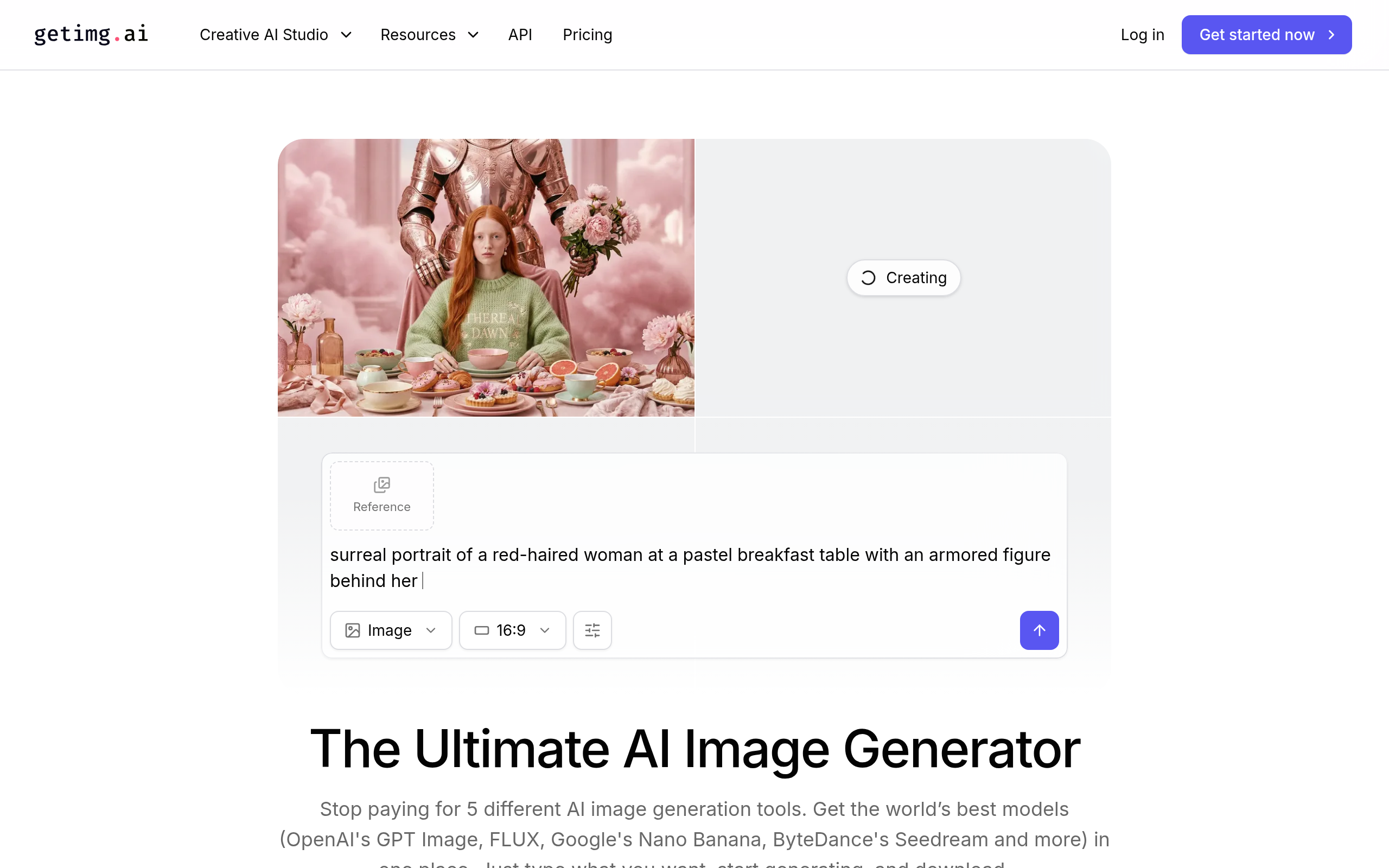
For drafting and editing prose, Simplified AI Writer helps you push past blank-page paralysis, expand outlines and tighten existing text. For blurbs and book descriptions — the marketing copy that sells the book — Copymatic and ContentBot.ai both draft compelling back-cover and retailer copy you can refine into your own voice. And for cover and promotional images, getimg.ai generates cover concepts and social artwork without commissioning a designer for every iteration. To go deeper on the writing-and-marketing-copy side, see our guide to AI copywriting.
How to use AI to write and publish a book (step by step)
- Outline yourself first — decide the story, structure and voice before any AI touches the draft, so the book stays genuinely yours.
- Use AI to beat the blank page — when stuck, draft a rough passage with Simplified AI Writer, then rewrite it in your voice.
- Edit and tighten — run prose through AI to catch repetition, pacing and clumsy lines, accepting only changes that fit your style.
- Draft your blurb and description with Copymatic or ContentBot.ai, then polish for accuracy and tone.
- Generate cover and promo images with getimg.ai, iterating until the artwork matches your book.
- Check originality and disclose — confirm the text is genuinely yours and follow your publisher or platform's AI disclosure rules.
The originality and disclosure caveat (read this)
This is the part that matters most for authors. AI can draft and polish, but a book is supposed to be yours — your story, your voice, your ideas — and that is both an ethical and increasingly a practical and legal expectation. So the rule is simple: keep authorship human. Use AI to overcome obstacles and accelerate the supporting work, but do not let it write the book for you and pass it off as your own creative achievement. Practically, that means rewriting AI-assisted passages in your own voice rather than pasting them verbatim, checking that generated text is genuinely original and not closely echoing existing work, and being honest about how AI was used. Many publishers, retailers and writing platforms now have explicit AI disclosure requirements, and some contests and markets restrict AI-generated work entirely — so know the rules that apply to you before you publish or submit. The goal is to use AI as a tool that serves your craft, while you retain the authorship, the originality and the accountability that make the book truly yours.
Marketing your book with AI
Writing the book is only half the battle; getting it discovered is the other half, and this is where AI helps authors who lack a marketing budget or background. The back-cover blurb and the retailer description are the most important sales tools an author has, and writing them well is a craft in itself — distilling a whole book into a few irresistible lines. AI drafts strong starting versions in seconds, which you then sharpen into something accurate and on-brand. Beyond the core copy, AI helps generate social-media posts, advertising variations and promotional artwork, letting a solo author run a marketing effort that once required a team. Cover and promotional images, in particular, used to mean hiring a designer for every concept; now you can iterate on artwork quickly and only commission professional work when you have settled on a direction. The caveat from the writing side still applies — the descriptions must be honest and the artwork must genuinely represent the book — but used responsibly, AI lets authors present and promote their work to a far higher standard than they could alone, which is often the difference between a book that sells and one that disappears.
Why AI is changing what it means to be an author
For most of publishing history, being an author meant doing everything around the writing yourself or paying others to do it — editing, cover design, blurb writing, marketing — which put a polished, professional book out of reach for many talented writers. AI is collapsing those barriers. A solo author can now draft faster, self-edit to a higher standard, generate professional-looking cover concepts, and write marketing copy that competes with traditionally published books, all without a publisher's budget behind them. This does not diminish authorship — it democratises it. The writers who benefit most are not the ones who let AI write for them, but the ones who use it to remove the obstacles that previously stood between a good story and a finished, well-presented book. The imagination, the voice and the storytelling remain irreplaceably human; what changes is that the supporting work no longer holds writers back. The result is that more authors can bring more books to readers at a higher level of polish, while the creative heart of the work stays exactly where it belongs — with the person whose name is on the cover.
The bottom line
AI tools for authors accelerate the work around writing a book — beating the blank page, editing prose, and producing the blurbs, descriptions and cover images that sell it — so you can focus on story and voice. Use Simplified AI Writer for drafting and editing, Copymatic and ContentBot.ai for blurbs and book descriptions, and getimg.ai for cover and promotional images. Just keep authorship human: outline and write in your own voice, check that AI-assisted text is genuinely original, and follow your publisher or platform's disclosure rules. Done that way, AI helps you write faster and market better without compromising the originality and accountability that make the book truly yours.
Disclaimer: AI writing and image tools assist authors but do not replace authorship. Keep the story, voice and judgement human, verify that AI-assisted text is original and not echoing existing work, and follow the AI disclosure rules of your publisher, retailer, contest or platform before publishing or submitting.
Tools mentioned in this guide
Pricing, features and model availability can change over time. Always verify current details on each tool's official website before deciding.
Frequently Asked Questions
What are AI tools for authors?
What are AI tools for authors?
What are the best AI tools for book writing?
What are the best AI tools for book writing?
Can AI write a whole book for me?
Can AI write a whole book for me?
How do I keep my book original when using AI?
How do I keep my book original when using AI?
Do I have to disclose that I used AI?
Do I have to disclose that I used AI?
Can AI help me write a book blurb and cover?
Can AI help me write a book blurb and cover?
Don't just pick a tool — get the whole workflow
Tell Comparee your goal and get a complete step-by-step AI workflow with the right tool for every step.