Best AI Tools for Small Business in 2026: Work Smarter
The best AI tools for small business in 2026 by job — content, customer support, email, sales and automation. Build a lean, affordable AI stack with Comparee.
Key takeaways
- Small businesses win with a lean AI stack — one tool per job, not a sprawling suite.
- For content + social, Ocoya; for customer support, Chatling; for email, Mailchimp.
- For sales outreach, Instantly and Outreach; for product/marketing copy, CopyMonkey and Jasper.
- Start with the one job that eats most of your time and automate that first.
For a small business, AI is leverage — it lets a small team do the work of a bigger one. But the trap is buying too many tools. The winning approach is a lean stack: one good tool per job, affordable, and actually used. This guide maps the best AI tools for small business in 2026 to the jobs that matter, using real tools from the Comparee catalog.
For a small business, the real constraint is not ambition but hours — there are only so many, and they're split across selling, delivering and running the operation. That's exactly why AI is such a fit here: it gives a two-person team the output of a five-person one, but only if it's pointed at the right job and kept lean. The failure mode is the opposite of enterprise: not too much process, but too many half-used tools draining a small budget. The guide below is built around that reality — a short, affordable stack matched to the jobs that quietly consume a small owner's week.
The short answer
For content and social, Ocoya writes and schedules in one place. For customer support, Chatling adds an AI chatbot to your site with no code. For email, Mailchimp. For sales outreach, Instantly and Outreach. And for product or marketing copy, CopyMonkey and Jasper.
The small-business AI stack by job
| Job | Best pick | Why |
|---|---|---|
| Content + social | Ocoya | Write and post in one tool |
| Customer support | Chatling | No-code website chatbot |
| Email marketing | Mailchimp | Send, automate, segment |
| Sales outreach | Instantly / Outreach | Cold email and sequences |
| Product / marketing copy | CopyMonkey / Jasper | Listings and campaigns |
Content and support: Ocoya and Chatling
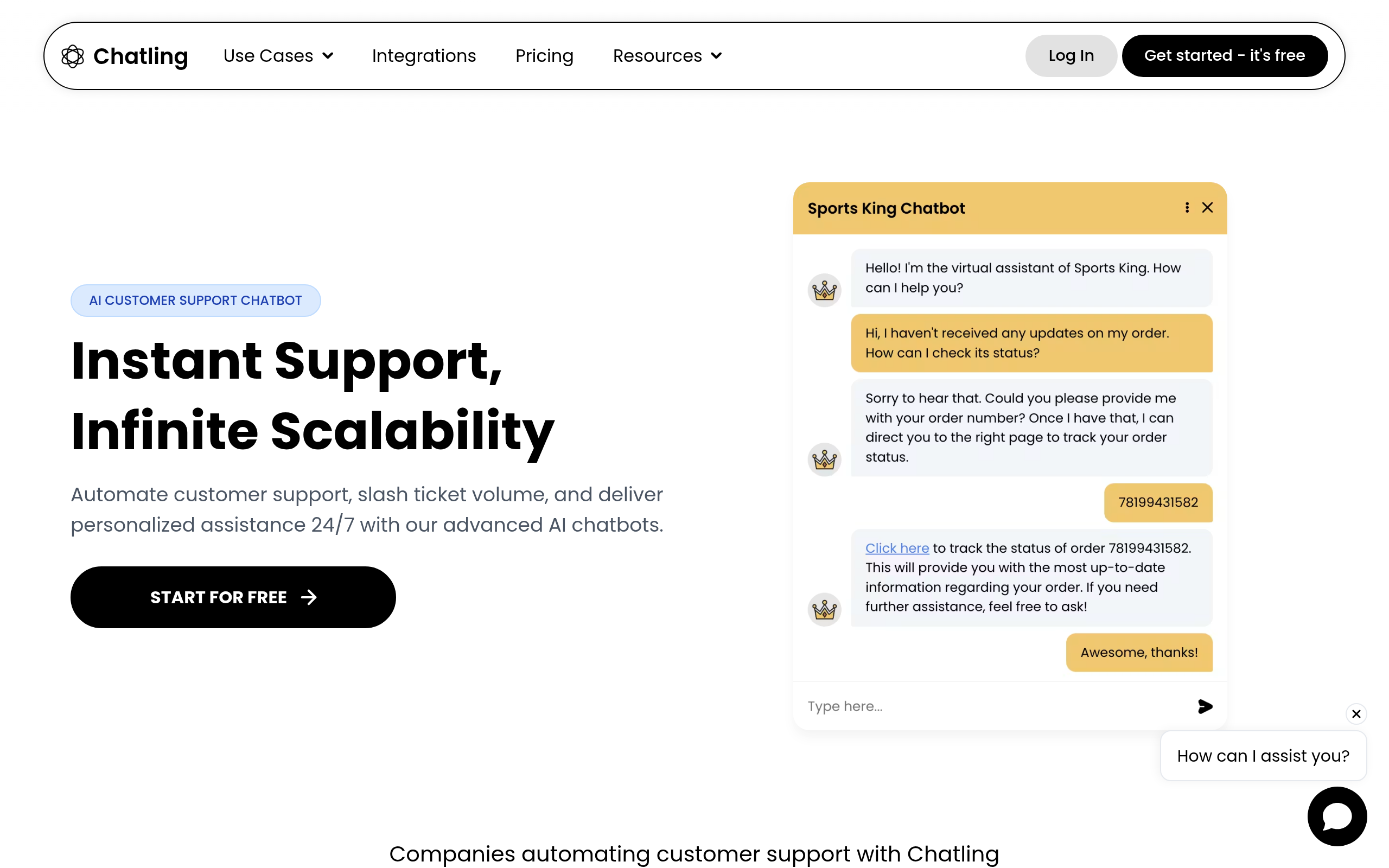
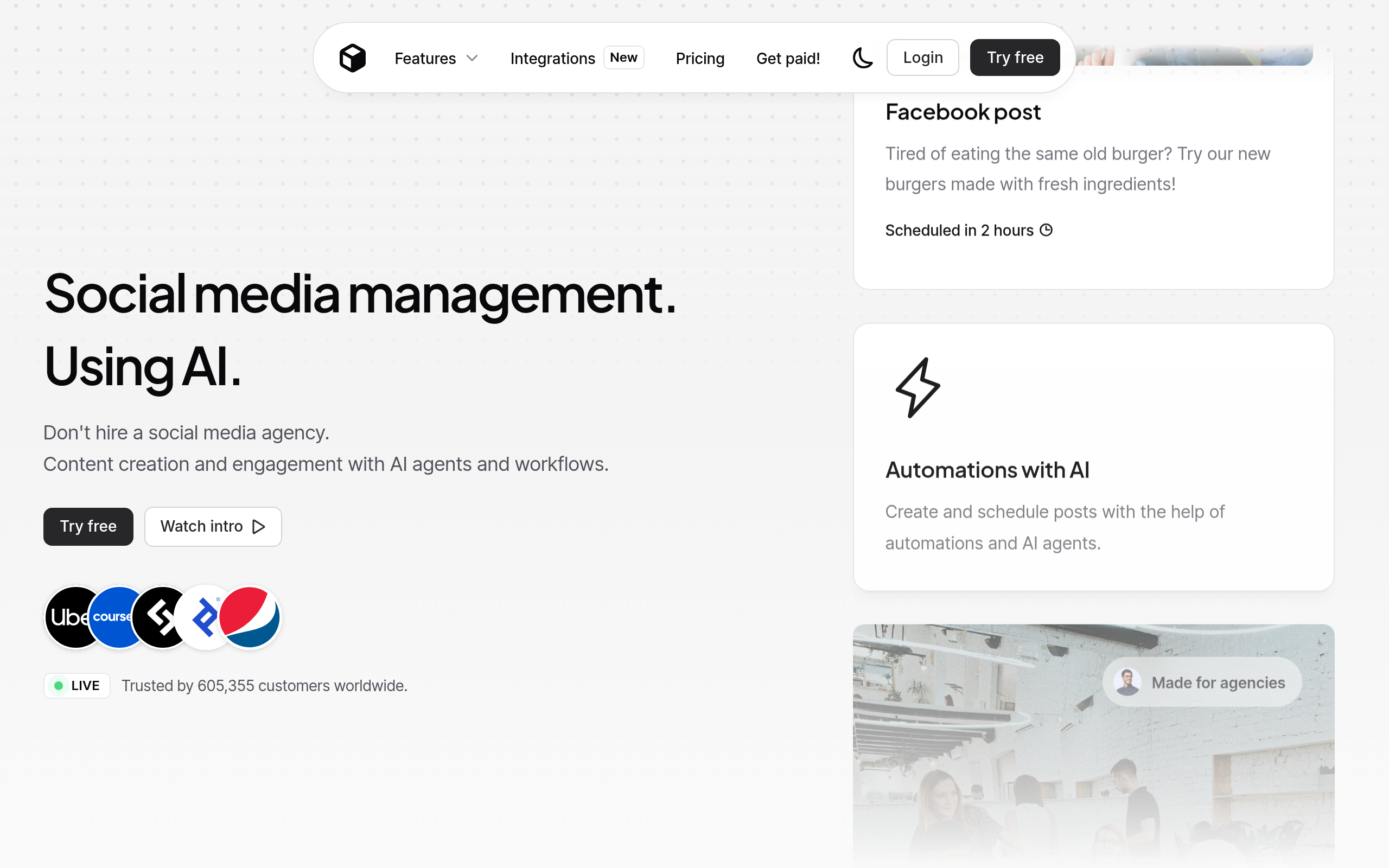
Small teams can't staff a content desk and a support line, so AI fills the gap. Ocoya handles content creation and social scheduling together, so one person can run your channels. Chatling adds a no-code AI chatbot to your website that answers common questions around the clock, deflecting routine support so you only handle the cases that need a human. These two cover the two jobs that quietly eat the most time.
Email and sales: Mailchimp, Instantly and Outreach
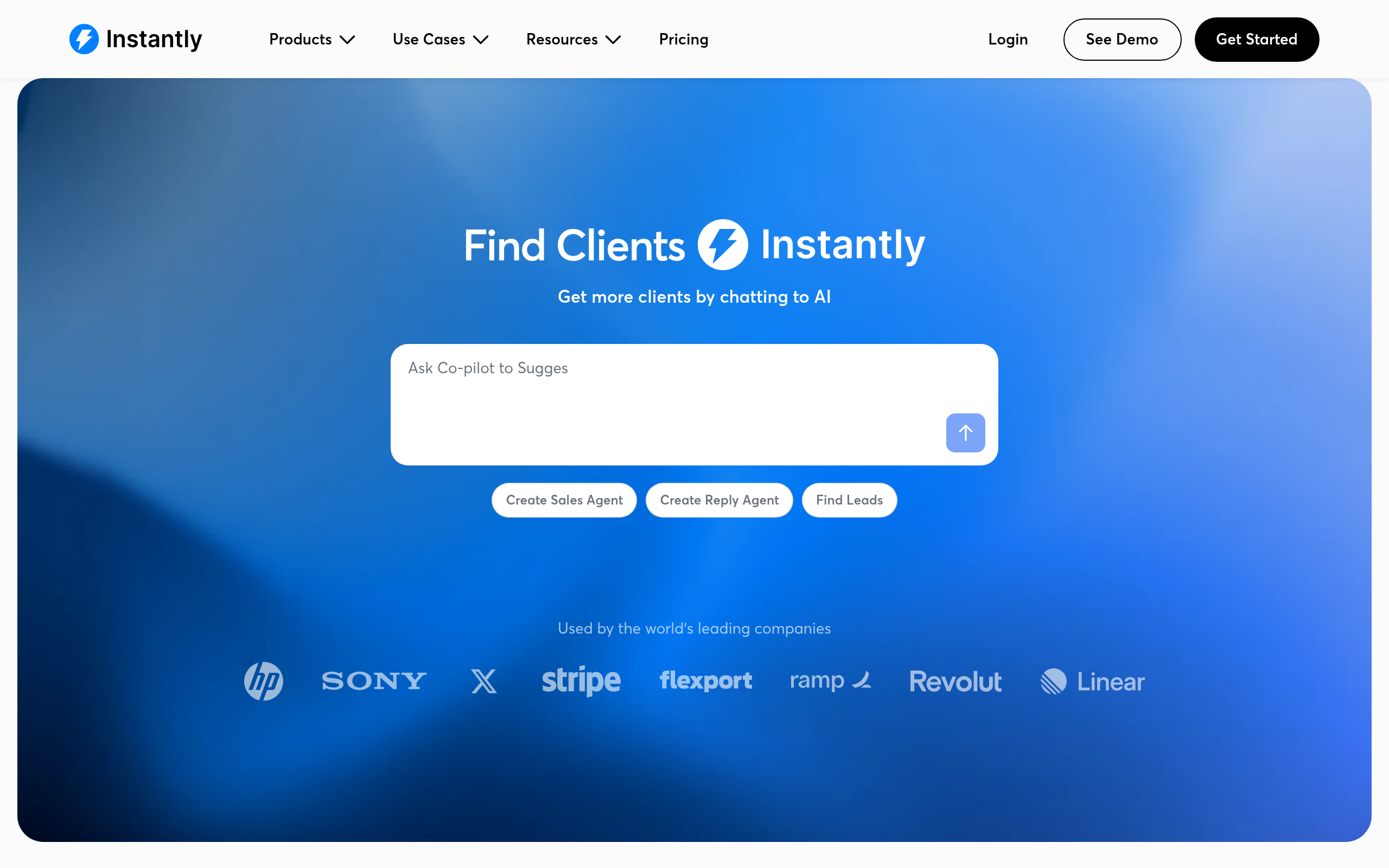
For staying in touch with customers, Mailchimp remains a dependable email platform with automation and segmentation. For winning new business, Instantly is strong for cold email campaigns and Outreach for structured sales engagement. If outbound is part of your growth, an outreach tool turns sporadic emails into a repeatable system — just keep it compliant and personalised.
Copy and content: CopyMonkey and Jasper
For the words that sell, CopyMonkey generates product descriptions and listing copy at scale, which is gold for small e-commerce shops, and Jasper handles broader marketing copy across formats. Pairing a content tool with your store or campaigns means you spend minutes, not hours, on copy — and consistency improves too.
How to build a lean stack
Start with the single job that eats the most of your week and automate that first — usually content, support or outreach. Get one tool working and embedded before adding another. Resist the urge to subscribe to everything: a small business's edge is focus, and a stack of three tools you use daily beats ten you forget about. Most of these tools have free or low-cost tiers, so you can build the stack affordably and upgrade only the one or two you rely on most.
Comparee recommendation
- Content + social? → Ocoya.
- Customer support? → Chatling.
- Email? → Mailchimp.
- Sales outreach? → Instantly or Outreach.
- Product / marketing copy? → CopyMonkey or Jasper.
Build the stack one job at a time, starting with your biggest time sink. Explore options across categories in AI Tools, Comparisons & Workflows and the writing and support categories on Comparee.
Common mistakes small businesses make with AI
The most common mistake is buying too much too soon. A small team's advantage is focus, and ten half-used subscriptions drain both money and attention. Pick one tool per job and resist the rest until a real bottleneck appears. The second mistake is automating customer-facing work without a human safety net — a support bot like Chatling should hand off cleanly to you when it's unsure, and cold outreach with Instantly must stay personalised and compliant, or it damages the brand it's meant to grow. The third is treating AI output as finished: product copy from CopyMonkey and marketing text from Jasper are fast drafts that still need your eye and your voice. AI gives a small business leverage, but only when it's pointed at the right job and checked by a human.
How to start without wasting money
Begin with the single task that eats the most of your week — usually content, support or outreach — and automate just that with one tool. Use free tiers to prove the value before paying: most of these tools, from Ocoya to Mailchimp, let you start at no cost and judge the fit. Once one job runs smoothly and saves real hours, add the next tool for the next bottleneck. This staged approach keeps spending tied to results and prevents the subscription pile-up that sinks so many small-business AI experiments. The owners who get the most from AI aren't the ones with the biggest stack — they're the ones who automated their biggest time sink first, kept the tools they actually use, and reinvested the saved hours into the work only they can do.
The owners who get the most from AI share one trait: discipline about what they don't adopt. It's tempting to chase every tool that promises to save time, but each one adds cost, a login and a learning curve, and a small team's real edge is focus. So treat new tools the way you'd treat a new hire — only when there's a clear job for them and you'll actually use them. A tight, well-used stack that automates your biggest time sinks will out-perform a sprawling collection of subscriptions every single month.
Automate the single task that eats the most of your week first, prove the value on a free tier, and only then add the next tool — discipline about what you don't adopt is as important as the tools you do.
Review your tools every few months and cut what you've stopped using — a subscription you forgot about is pure cost. The strongest small-business AI setups are the ones the owner can describe in a sentence, because they're focused enough to actually run every day.
Keep it small, keep it useful, and let every tool earn its place by saving you real hours every single week — that is what turns AI from another expense into genuine leverage for a small team.
The bottom line
The best AI stack for a small business is lean and job-matched: Ocoya for content, Chatling for support, Mailchimp for email, Instantly or Outreach for sales, and CopyMonkey or Jasper for copy. Automate your biggest time sink first, keep the stack small, and use free tiers to start.
Tools mentioned in this guide
Pricing, features and model availability can change over time. Always verify current details on each tool's official website before deciding.
Frequently Asked Questions
What are the best AI tools for small business in 2026?
What are the best AI tools for small business in 2026?
What is the best AI tool for small business customer support?
What is the best AI tool for small business customer support?
How many AI tools does a small business need?
How many AI tools does a small business need?
Are there affordable AI tools for small business?
Are there affordable AI tools for small business?
What is the best AI tool for small business sales?
What is the best AI tool for small business sales?
Don't just pick a tool — get the whole workflow
Tell Comparee your goal and get a complete step-by-step AI workflow with the right tool for every step.