AI Avatars & Virtual Humans: The Complete Guide (2026)
AI avatars and virtual humans in 2026 — what they are, use cases for video and engagement, the best tools (Colossyan, AKOOL, Synthesys), and ethics.
Key takeaways
- AI avatars are realistic digital presenters that deliver your script on camera; virtual humans extend this to interactive, conversational characters.
- Use cases: training, marketing, explainers, localization, and increasingly interactive customer-facing experiences.
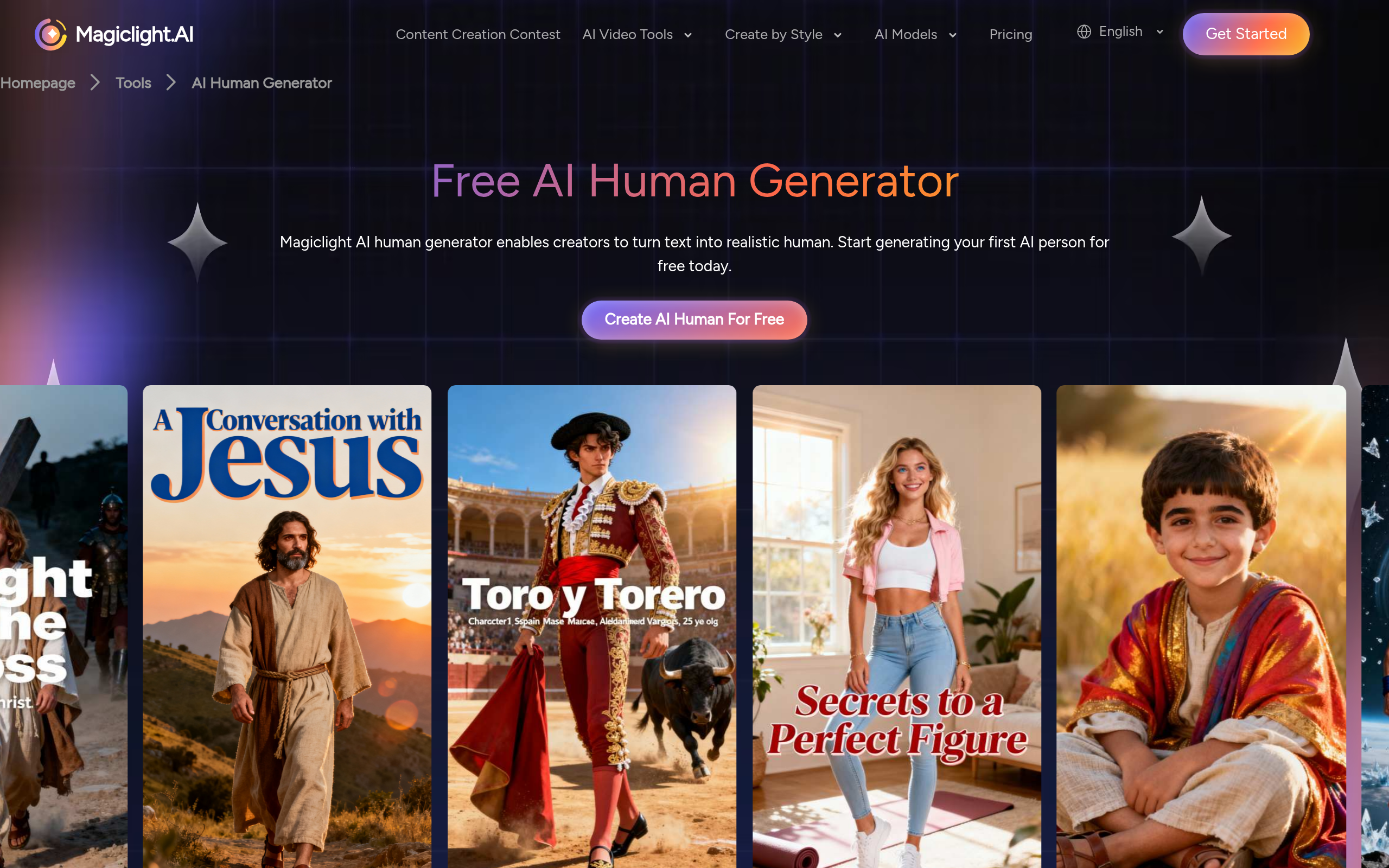
- Best tools: Colossyan Creator and AKOOL for video avatars, Magiclight AI Human Generator for realism, Synthesys AI Avatar Video Generator for voice + avatar, Born Digital for interactive.
- Match the tool to whether you need a video presenter or an interactive virtual human.
- Disclose synthetic presenters where it matters and obtain consent for any real-person likeness.
AI avatars are realistic digital presenters that deliver your script on camera without a real person or studio; virtual humans take this further into interactive, conversational characters that can engage in real time. Together they represent one of the most striking branches of AI media — letting you produce presenter-led video at scale, localize it into many languages, and even build digital characters that talk back. This guide explains what AI avatars and virtual humans are, where they genuinely help, the best tools in 2026, and the ethics you must respect when putting a synthetic face in front of people.
What are AI avatars and virtual humans?
An AI avatar is a digital presenter — a realistic, AI-generated person who reads a script you provide, producing a talking-head video without filming. You type the script, pick an avatar and voice, and get a finished presenter video. A virtual human extends the concept from one-way video to two-way interaction: a digital character that can hold a conversation, answer questions, and respond in real time, used for things like interactive assistants and engaging customer experiences. The distinction matters: a video avatar is for content you create and publish, while a virtual human is for live, interactive engagement.
Real use cases
The practical applications are broad. Training and onboarding — turn documents into avatar-led courses without filming. Marketing and explainers — produce a steady stream of presenter videos for products and campaigns. Localization — have the same avatar deliver content in many languages, reaching global audiences. Personalized video — generate tailored messages at scale. And increasingly, interactive experiences — virtual humans that greet, guide or assist customers. The common thread is removing the cost and friction of putting a person on camera, while keeping the engagement that a human face brings.
Best AI avatar and virtual human tools in 2026
| Need | Best tool |
|---|---|
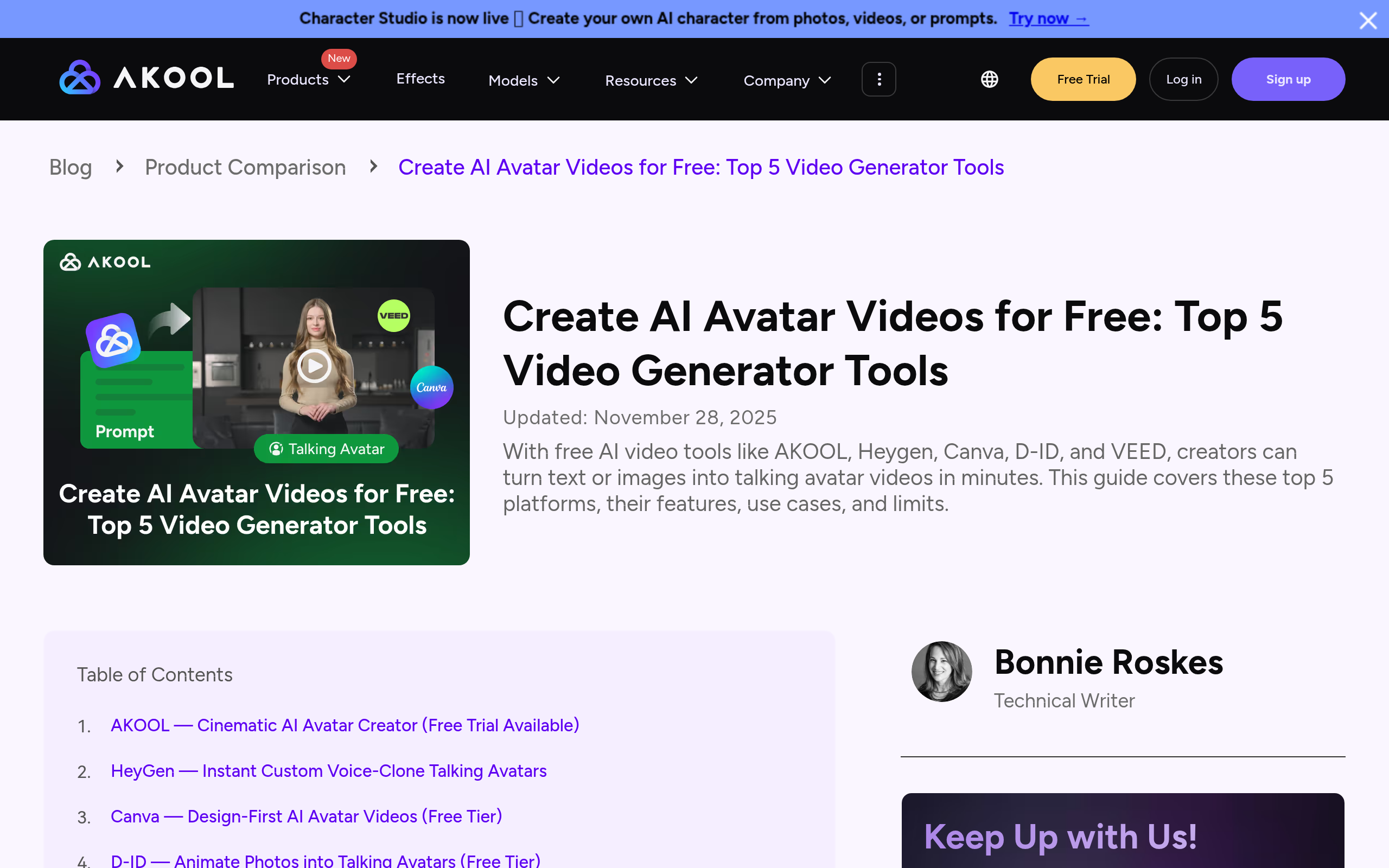
| Training & marketing avatars | Colossyan Creator, AKOOL |
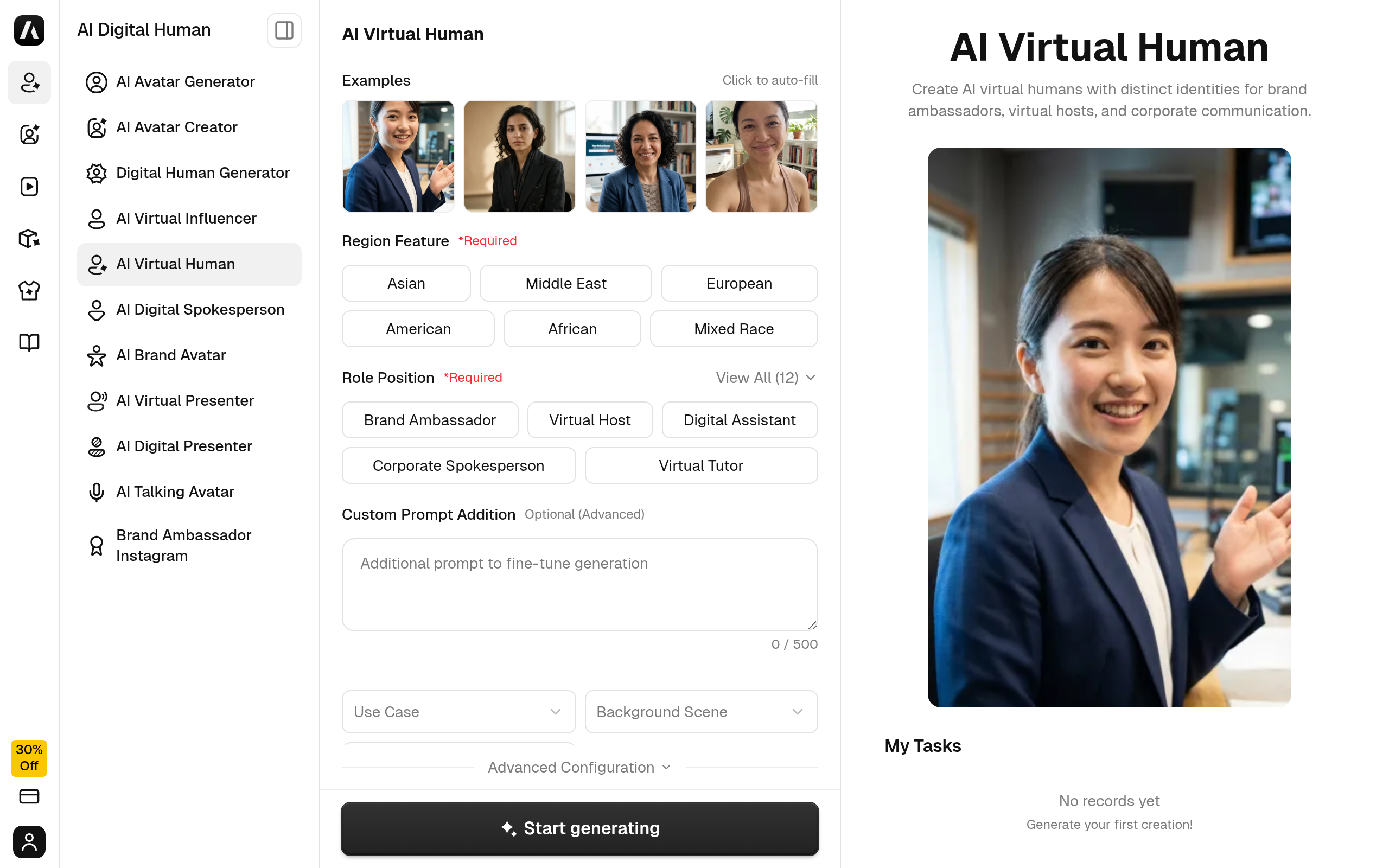
| Maximum realism | Magiclight AI Human Generator |
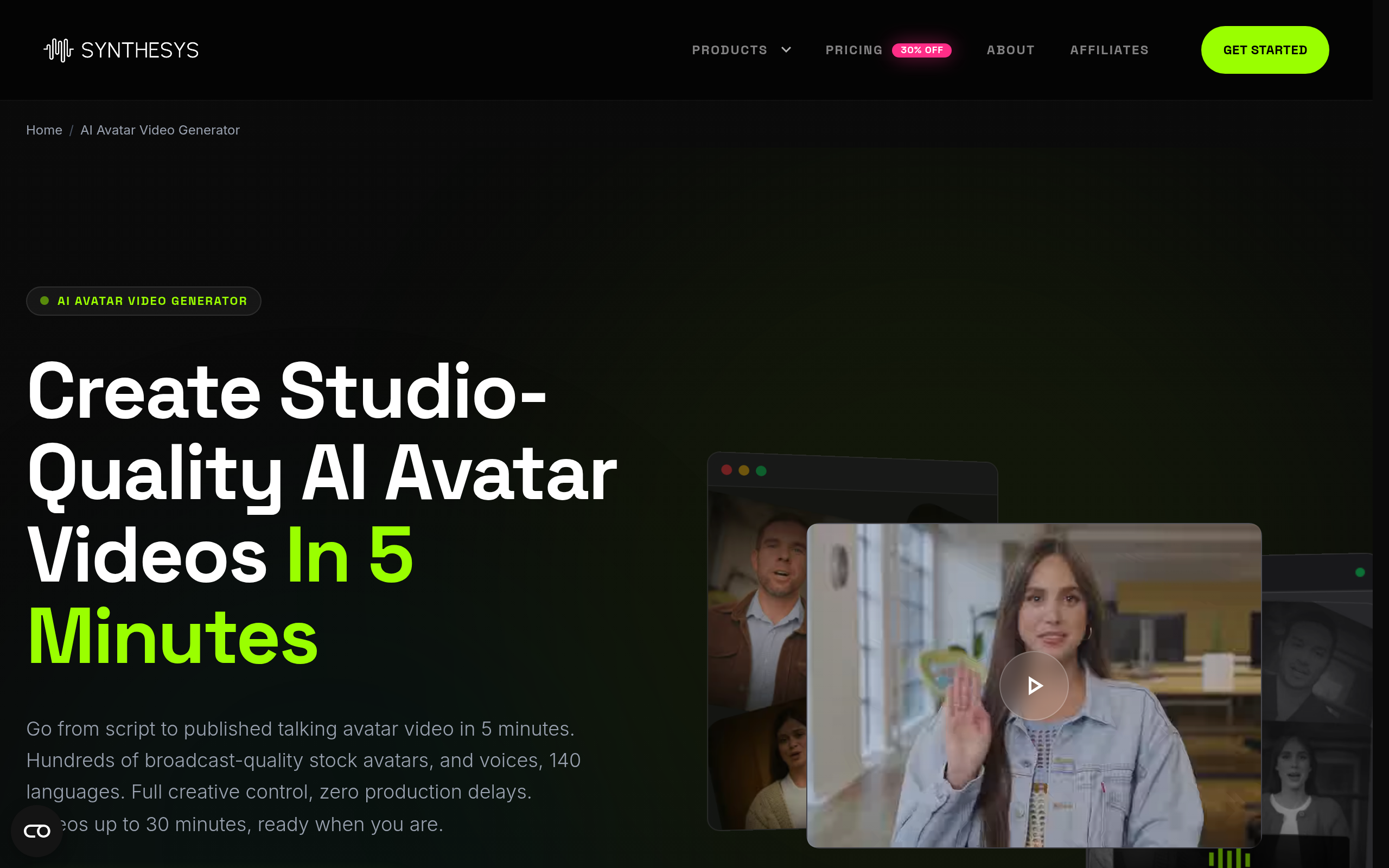
| Avatar + voice/localization | Synthesys AI Avatar Video Generator |
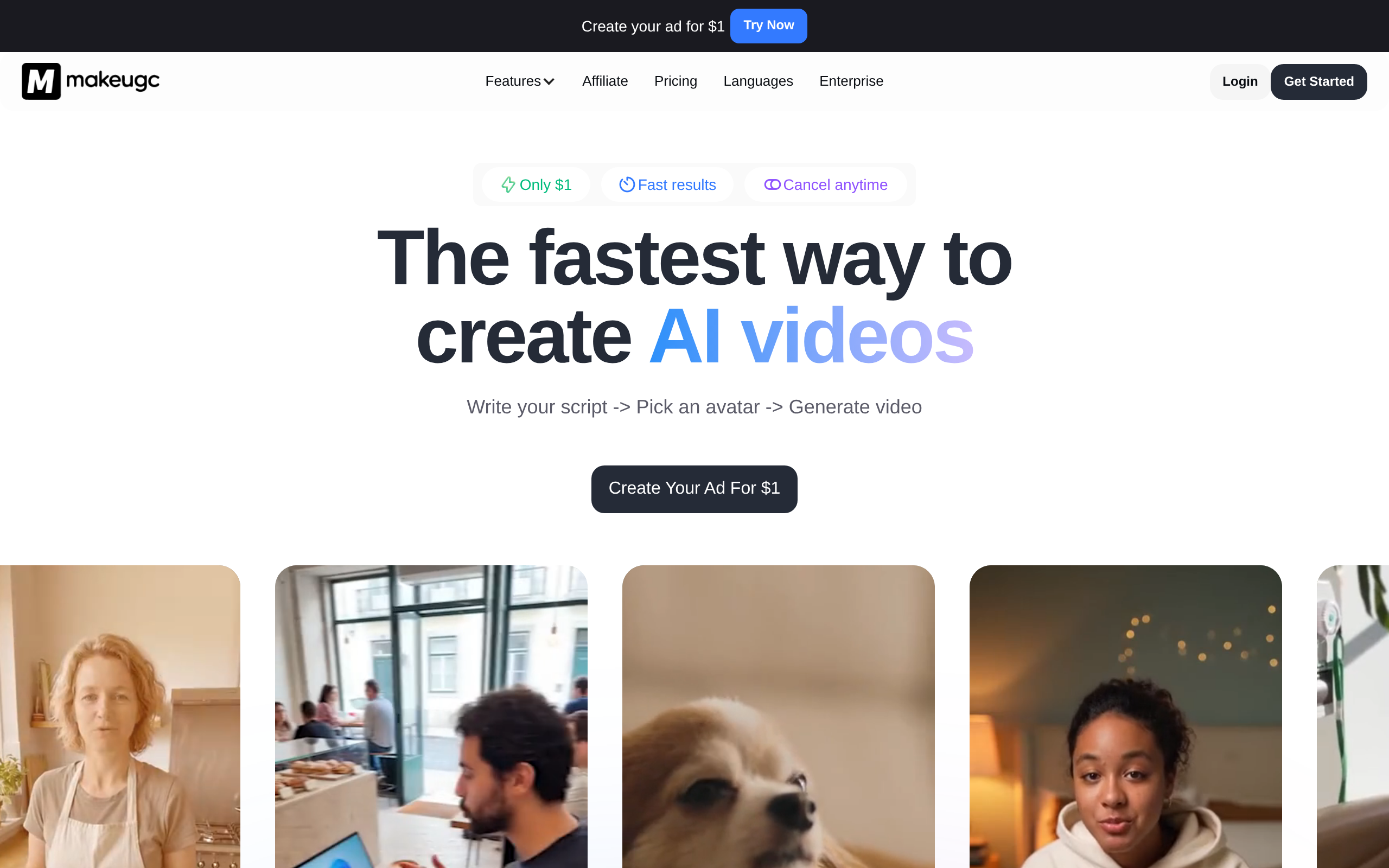
| UGC-style ad avatars | MakeUGC, Adsmaker AI |
| Interactive virtual humans | Born Digital |
For professional avatar video — training, explainers, marketing — Colossyan Creator and AKOOL are strong all-rounders. When realism is the priority, Magiclight AI Human Generator focuses on lifelike presenters. For avatar video paired with rich voice and localization, Synthesys AI Avatar Video Generator; for authentic UGC-style ad avatars, MakeUGC and Adsmaker AI; and for interactive, conversational virtual humans rather than static video, Born Digital. Compare more in our Synthesia alternatives and HeyGen alternatives guides and the video generation category.
How to use AI avatars well (step by step)
- Decide video or interactive — a presenter video (avatar) or a live conversational character (virtual human) are different tools.
- Write a natural, spoken script — avatars sound best with conversational, short sentences.
- Pick an avatar that fits your brand and audience — a corporate presenter and a UGC creator suit different contexts.
- Generate and refine — treat the first output as a draft; adjust pacing, tone and emphasis.
- Localize if needed — one avatar can deliver many languages.
- Review and disclose — check for errors and be transparent that the presenter is synthetic where it matters.
Ethics: disclosure and consent
Putting a synthetic person in front of an audience carries responsibility. Two principles matter most. Disclosure — where a viewer would reasonably want to know they are watching an AI presenter rather than a real person, be transparent; deception erodes trust fast. Consent — never recreate a real, identifiable person's likeness without their explicit permission, as cloning someone's face to make them appear to say things is both unethical and increasingly regulated. Used openly and with consent, AI avatars are a powerful, legitimate tool; used to deceive or impersonate, they cross a serious line. The technology is neutral — the responsibility lies in how you deploy it.
Why AI avatars went from gimmick to tool
A couple of years ago, AI avatars were an obvious novelty — stiff, slightly uncanny presenters that no serious brand would put in front of customers. That has changed quickly. The realism, natural delivery and range of modern avatars have crossed the threshold where, for many use cases, they are good enough to publish without apology. Combine that quality leap with the economics — a training video or localized explainer that once required a studio, talent and a week of editing can now be produced in an afternoon — and the value becomes obvious. Avatars are now a practical answer to a real problem: organisations need more presenter-led video than they can afford to film, in more languages than they can staff. That is why avatar video has moved from experiment to a standard tool in training, marketing and localization, with interactive virtual humans now opening a further frontier in real-time engagement.
Getting avatar video that does not feel synthetic
The gap between an avatar video that works and one that feels off is mostly in the inputs, not the tool. Scripts are the biggest factor: AI presenters sound natural when the writing is conversational and spoken-style, and stilted when it is dense or formal, so write the way people talk. Choosing an avatar that fits the context matters too — a polished corporate presenter suits training, while a more casual, authentic style performs better for social and UGC ads, and mismatching them is jarring. Finally, treat the first generation as a draft: adjust pacing, emphasis and tone, and review for the small errors AI still makes. Get the script, the fit and the refinement right, and modern avatars are convincing; skip them, and even the best tool produces something that feels generic.
The bottom line
AI avatars and virtual humans let you produce presenter-led video and interactive characters at a scale and cost that traditional production cannot match. Use Colossyan Creator or AKOOL for video avatars, Magiclight AI Human Generator for realism, Synthesys AI Avatar Video Generator for voice and localization, and Born Digital for interactive virtual humans. Match the tool to whether you need video or interaction, treat the first output as a draft, and stay transparent and consent-driven — and you can put a compelling digital presence to work without crossing any lines — turning what used to be an expensive, studio-bound production into something a small team can create, localize and scale entirely on its own, in a fraction of the time and at a fraction of the cost that filming a real presenter would once have demanded.
Disclaimer: AI avatars and virtual humans should be disclosed where viewers would expect a real person, and recreating a real person's likeness requires explicit consent. Review outputs and check commercial licensing.
Tools mentioned in this guide

Pricing, features and model availability can change over time. Always verify current details on each tool's official website before deciding.
Frequently Asked Questions
What is an AI avatar?
What is an AI avatar?
What is the best AI avatar tool?
What is the best AI avatar tool?
What are AI avatars used for?
What are AI avatars used for?
What is the difference between an AI avatar and a virtual human?
What is the difference between an AI avatar and a virtual human?
Are AI avatars ethical to use?
Are AI avatars ethical to use?
Can AI avatars speak multiple languages?
Can AI avatars speak multiple languages?
Don't just pick a tool — get the whole workflow
Tell Comparee your goal and get a complete step-by-step AI workflow with the right tool for every step.