Synthesia vs HeyGen vs D-ID: AI Avatar Platforms Compared
Synthesia vs HeyGen vs D-ID: AI avatar platforms compared for L&D and marketing teams — features, pricing, API, multilingual support, and top picks for 2026.
- For corporate L&D teams building SCORM-ready training libraries: Synthesia is the clear leader — 140+ languages, LMS export, and a purpose-built course workflow.
- For marketing and sales teams needing fast custom avatar creation and multilingual video dubbing: HeyGen wins on speed, translation quality, and creative flexibility.
- For developers embedding talking-head avatars into apps or building real-time AI agents: D-ID offers the most accessible API and real-time streaming capabilities.
- All three platforms support free tiers — enough to test a real workflow before committing to a paid plan.
- Budget-friendly alternatives worth evaluating: Vmaker AI, VidAU UGC Avatars, Born Digital, and Captions.
- The wrong choice costs months of re-tooling — pick based on your primary workflow, not feature count.
Which AI Avatar Platform Is Best for L&D and Marketing Teams in 2026?
Synthesia is the best AI avatar platform for L&D teams that need structured training libraries with LMS integration. HeyGen is the strongest pick for marketing and sales teams requiring fast custom avatars, personalized video at scale, and best-in-class multilingual dubbing. D-ID is the go-to for developers and product teams embedding interactive talking avatars into applications via API.
The AI avatar market has matured quickly. These three platforms have diverged significantly in their focus — Synthesia toward enterprise L&D, HeyGen toward marketing velocity, and D-ID toward developer-first integration. Choosing wrong means re-tooling six months later. This comparison gives your team a clear, honest breakdown to decide with confidence.
What Is Synthesia — and Who Is It Best For?
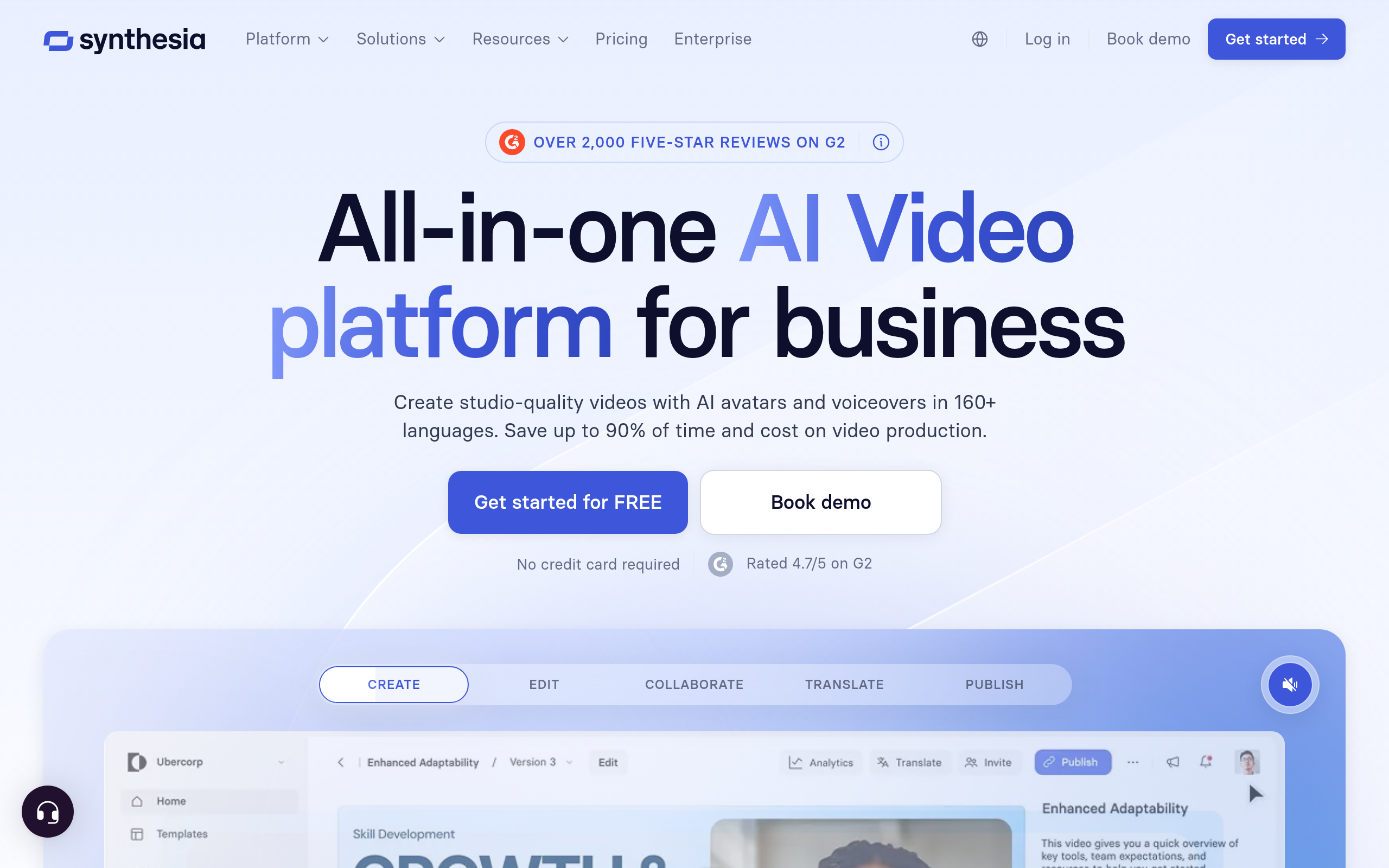
Synthesia is an enterprise-grade AI video creation platform built around a library of photorealistic AI presenters and a slide-deck-like production workflow. You write a script, choose an avatar, set the scene, and export a professional video — no camera, studio, or video editing skills required.
Where Synthesia genuinely stands out for L&D teams:
- SCORM and xAPI export — videos package directly for LMS platforms like Cornerstone, TalentLMS, or Moodle without conversion steps. This alone disqualifies every competitor for many corporate training teams.
- 140+ languages with lip-sync dubbing — write once in English, translate, and Synthesia regenerates the avatar speaking each target language with synchronized mouth movement. Indispensable for global compliance or onboarding programs.
- Custom AI avatars from a spokesperson recording — record a presenter once, create their avatar, and update any future video without re-shooting. Significantly reduces ongoing production costs for training teams.
- Branded templates and governance controls — enterprise plans lock down fonts, colors, avatar appearance, and approval workflows so every department produces consistent, on-brand content.
- Team collaboration — commenting, shared workspaces, and version history make multi-stakeholder content review practical at scale.
Synthesia offers a free tier for initial exploration and paid plans ranging from individual creator to enterprise contract. Its structured editor is intentionally rigid — which is an asset for L&D governance but a limitation for experimental or off-format marketing content.
What Is HeyGen — and How Does It Differ?
HeyGen started as a marketing video platform and that origin shapes everything: it's faster to produce content, easier to iterate, and provides the best AI video translation feature currently on the market.
HeyGen's genuine differentiators:
- Instant custom avatar creation — upload a short video clip of yourself and HeyGen generates a custom avatar in minutes. This is meaningfully faster than Synthesia's custom avatar process, and accessible to any paid plan.
- Video Translation with lip-sync — upload any existing video and HeyGen dubs it into 40+ languages with high-quality lip synchronization. This single feature makes HeyGen invaluable for marketing teams localizing webinars, product demos, or campaign videos for regional markets.
- Personalized video at scale — HeyGen's API and native integrations let teams generate thousands of individualized sales videos from one template, substituting names, companies, or specific call-to-action text per recipient.
- Streaming avatar API — HeyGen's Streaming API enables real-time interactive avatars suitable for live demos, virtual sales calls with AI presenters, or interactive onboarding experiences.
HeyGen has a free tier with limited credits, and paid plans that scale with usage volume. Its template-based editor is more flexible than Synthesia's slide-locked approach — which marketing teams appreciate — but it lacks SCORM export, LMS integration, and the course-chapter structure that L&D teams depend on.
What Is D-ID — and When Should You Choose It?
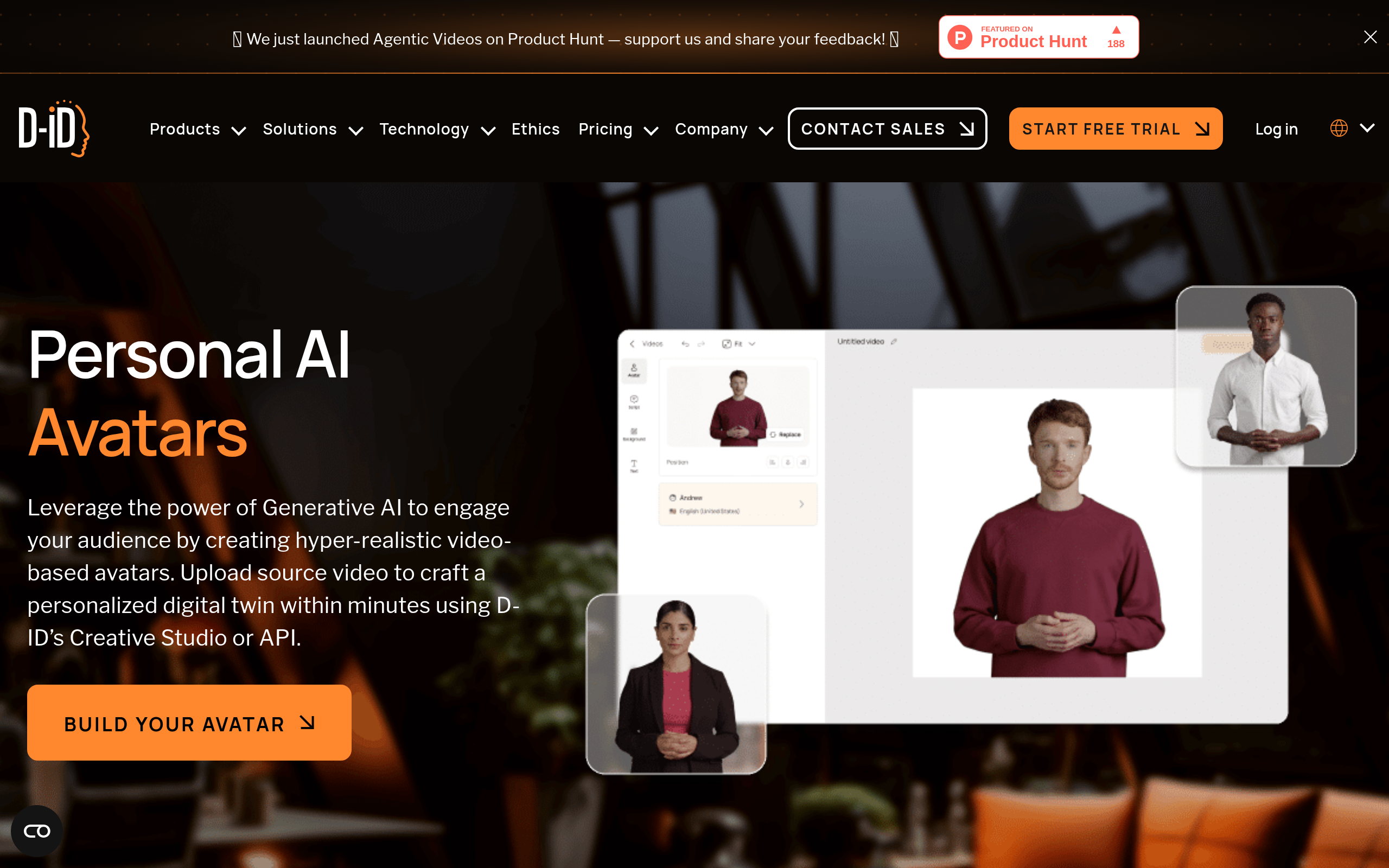
D-ID pioneered "photo-to-talking-head" video: upload a still image, add a script or audio, and D-ID animates the face to speak. The platform has evolved well beyond that original use case and is now the most developer-accessible of the three.
D-ID's current strengths:
- Developer-first REST API — clean endpoints, straightforward authentication, solid documentation, and no requirement to be on an enterprise plan to get API access. Startups can integrate talking-head video generation into their product with a free trial account.
- Real-time conversational avatars — D-ID's Agents SDK enables live, interactive avatar conversations: a user asks a question, the avatar responds in real time with synchronized speech and facial animation. Useful for HR onboarding bots, product tour guides, or customer service overlays.
- Usage-based pricing model — unlike Synthesia's seat-based model, D-ID charges based on actual video generation, which suits startups, agencies with variable volume, or teams running occasional automation pipelines.
- Creative Reality Studio — D-ID's web editor is functional for non-technical users who need an occasional talking-head video without enterprise tooling overhead.
D-ID is the weakest of the three as a standalone L&D or marketing production platform. Its editor lacks HeyGen's template polish and Synthesia's course-publishing features. Choose D-ID when the primary goal is embedding AI avatars programmatically into a product, or when real-time interactive avatars are the core use case.
How Do Synthesia, HeyGen, and D-ID Compare on Key Features?
| Feature | Synthesia | HeyGen | D-ID |
|---|---|---|---|
| Stock AI avatars | Large library (200+) | Large library (100+) | Moderate library |
| Custom avatar from video clip | Yes (enterprise plans) | Yes (all paid plans) | Yes (photo + short clip) |
| Language support | 140+ languages | 40+ (dubbing), more via TTS | 100+ via TTS |
| Video translation / dubbing | Script-based only | Best-in-class (existing video) | Moderate |
| SCORM / LMS export | Yes | No | No |
| API access tier | Enterprise plans | Paid plans | All plans (including free trial) |
| Real-time streaming avatar | No | Yes (Streaming API) | Yes (Agents SDK) |
| Free tier | Yes | Yes (limited credits) | Yes (trial credits) |
| Team collaboration tools | Strong | Moderate | Basic |
| Brand kit and locked templates | Yes (enterprise) | Yes | Limited |
Which Platform Has the Best Multilingual and Localization Support?
For organizations producing content in multiple languages, the differences here are substantial and often the deciding factor.
Synthesia leads on language breadth — 140+ languages — and its workflow is optimized for producing the same video in multiple languages from a single script. You write once, translate the script, and Synthesia regenerates the avatar speaking each target language with lip synchronization. For compliance or safety training that must be available in German, Polish, Dutch, and Spanish simultaneously, this is the most efficient pipeline available.
HeyGen's Video Translation is the stronger choice when you already have a finished recorded video and need to dub it. The platform analyzes the existing audio, translates it, re-generates speech in the target language, and re-syncs the lip movements. The quality of this output is widely regarded as the best in the category. A flagship product launch video recorded in English becomes distribution-ready in six regional languages without a re-shoot.
D-ID supports over 100 text-to-speech voices across languages but lacks a "localize this video" wizard. Its multilingual strength lives in the API: build a chatbot or onboarding flow that responds in the user's preferred language, with the avatar speaking that language in real time. Not a fit for marketing coordinators who need a one-click dubbing workflow.
| Localization use case | Best tool | Key reason |
|---|---|---|
| Training videos in 10+ languages from script | Synthesia | 140+ languages, batch script-to-video, lip-sync |
| Dub an existing recorded video into 6 languages | HeyGen | Best-in-class Video Translation quality |
| Multilingual AI chatbot or real-time agent | D-ID | Real-time streaming + 100+ TTS languages via API |
| Budget multilingual content for social media | Vmaker AI | Free-tier accessible, straightforward workflow |
How Do the APIs Compare for Developers and Automation Workflows?
If your team plans to generate videos programmatically — triggered by a CRM event, a product release, or a user action in your app — API quality is the deciding factor. The three platforms diverge significantly here.
D-ID's API is the most developer-friendly of the three. It is a REST API with clean authentication, well-documented video generation endpoints, and a separate Agents SDK for real-time conversational avatars. Critically, API access is available even on free trial accounts, meaning developers can prototype integrations before spending a cent. Usage-based pricing keeps costs proportional to actual consumption — favorable for low-volume startups and high-variability pipelines alike.
HeyGen's API is available on paid plans and covers video generation, custom avatar management, and the Streaming API for real-time interactive experiences. It is well-suited for marketing automation: connect HeyGen to a CRM, trigger personalized video generation on lead events, and send at scale. Production-ready and well-documented, but the credit-based model requires more upfront planning than D-ID's usage-based approach.
Synthesia's API sits behind enterprise plans. For organizations that need to auto-generate training content at scale — for example, a software company automatically publishing feature-update training videos on every release — the API is powerful. But the enterprise pricing threshold makes it inaccessible for smaller teams, individual developers, or anyone prototyping a new product idea.
| API dimension | Synthesia | HeyGen | D-ID |
|---|---|---|---|
| Access tier required | Enterprise plan | Paid plan | Free trial and above |
| Pricing model | Seat-based | Credit-based | Usage-based |
| Real-time streaming support | No | Yes | Yes |
| Documentation quality | Good | Good | Excellent |
| Best suited for | Enterprise L&D automation | Marketing automation at scale | Product integrations and prototyping |
Which AI Avatar Platform Is Right for Your Team?
Here is a plain-language decision matrix covering the most common team profiles:
| If you are… | Choose | Key reason |
|---|---|---|
| An L&D team building a SCORM training library | Synthesia | Only platform with LMS-ready export and structured course authoring |
| A marketing team producing spokesperson videos | HeyGen | Fastest custom avatar creation, strongest template library |
| A developer integrating avatars into a product | D-ID | Most accessible API, real-time streaming, usage-based pricing |
| A sales team sending personalized video outreach | HeyGen | Personalized video API at scale, CRM workflow integration |
| A global brand dubbing existing campaign videos | HeyGen | Best-in-class Video Translation with lip-sync |
| A startup prototyping an avatar product feature | D-ID | Free trial API access, usage-based pricing, real-time SDK |
| An enterprise with SSO and data governance needs | Synthesia | SSO, data processing agreements, EU hosting options |
| A small team on a tight budget | Vmaker AI or Captions | Free tiers with solid feature sets for lighter workloads |
What Are the Best Alternatives to Synthesia, HeyGen, and D-ID?
The big three are not the only options. If your needs are more niche, budget-constrained, or you want to compare the full landscape before deciding, these tools from the Comparee catalog are worth evaluating:
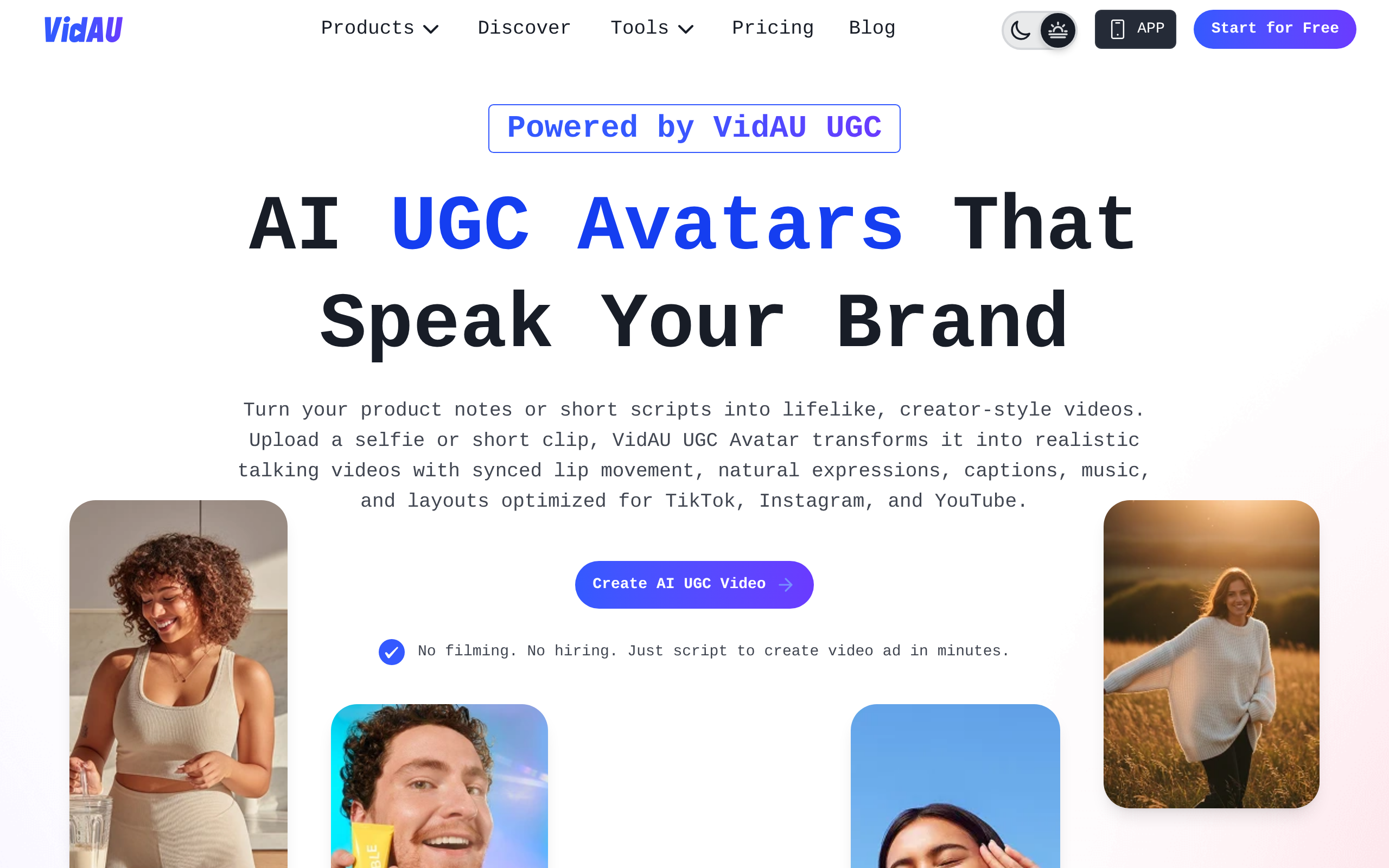
- VidAU UGC Avatars — specializes in user-generated-content-style avatar videos, useful for brands that want authentic-looking social content without sourcing influencers. Offers a free tier.
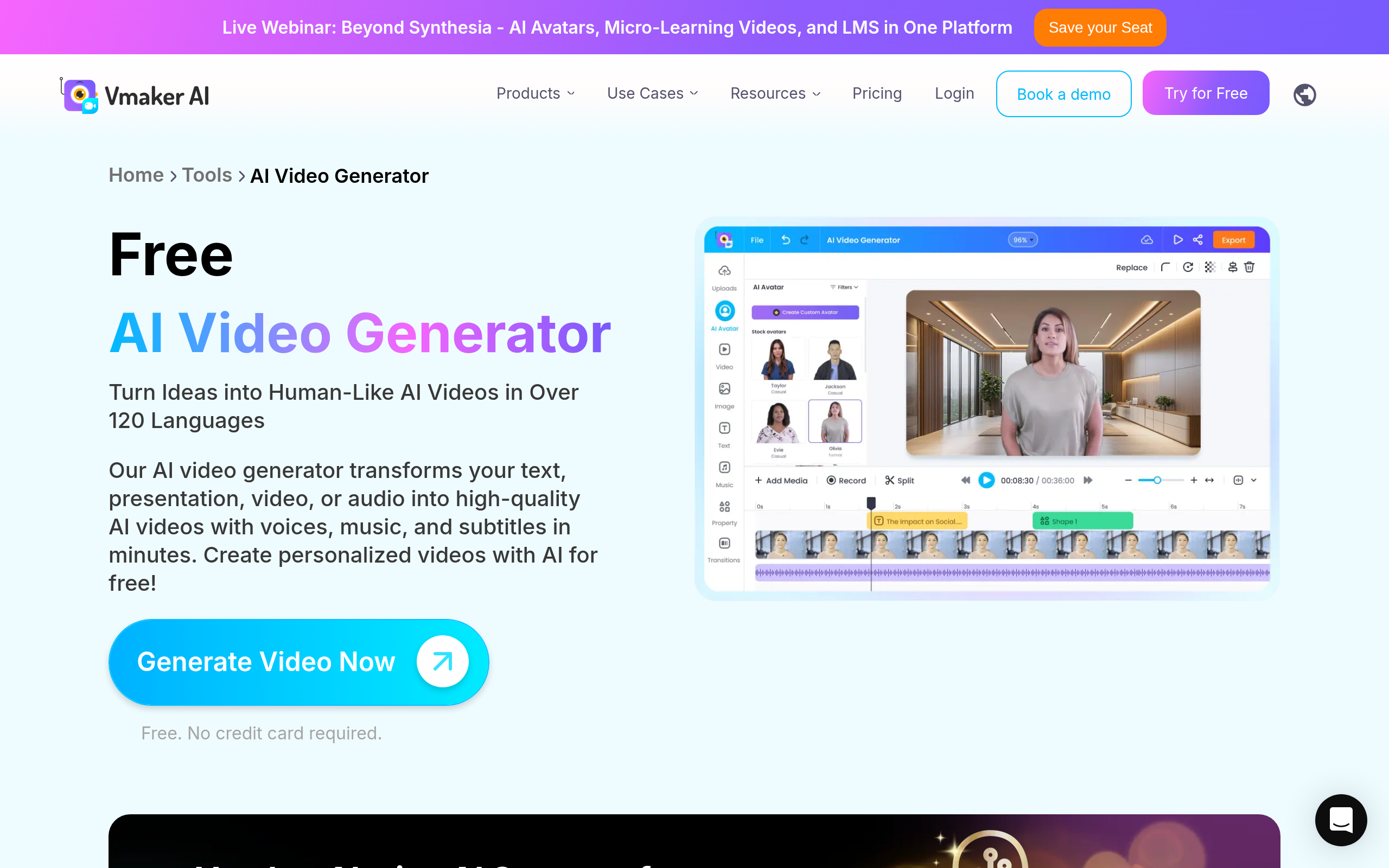
- Vmaker AI — a screen recording and AI video platform with built-in avatar capabilities. Strong entry point for teams already using screen-capture workflows who want to add a talking-head layer without switching platforms entirely.
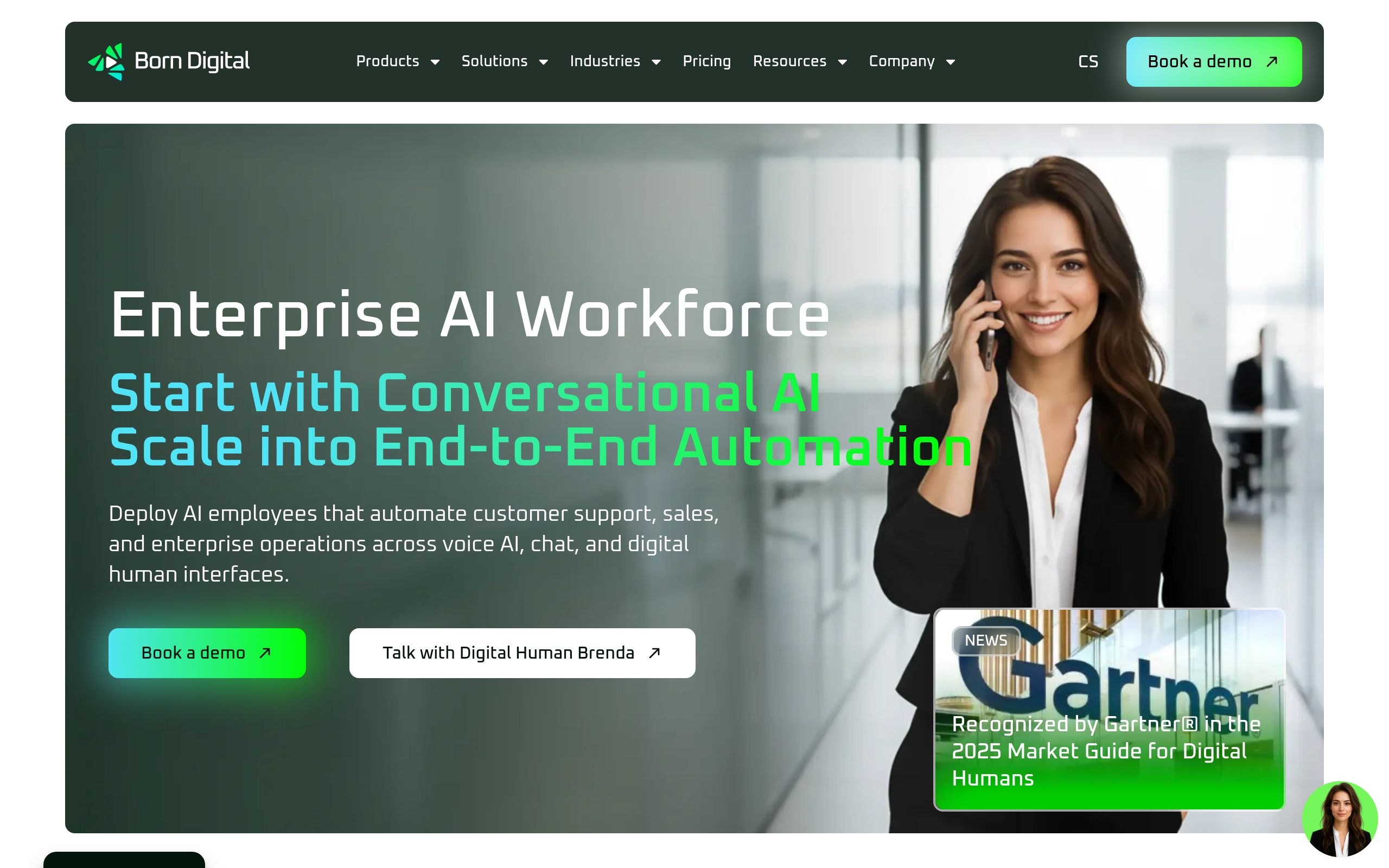
- Born Digital — focused on enterprise interactive video agents: think HR onboarding bots, bank advisor avatars, or interactive product tours. Stronger on conversational depth than on bulk video production.
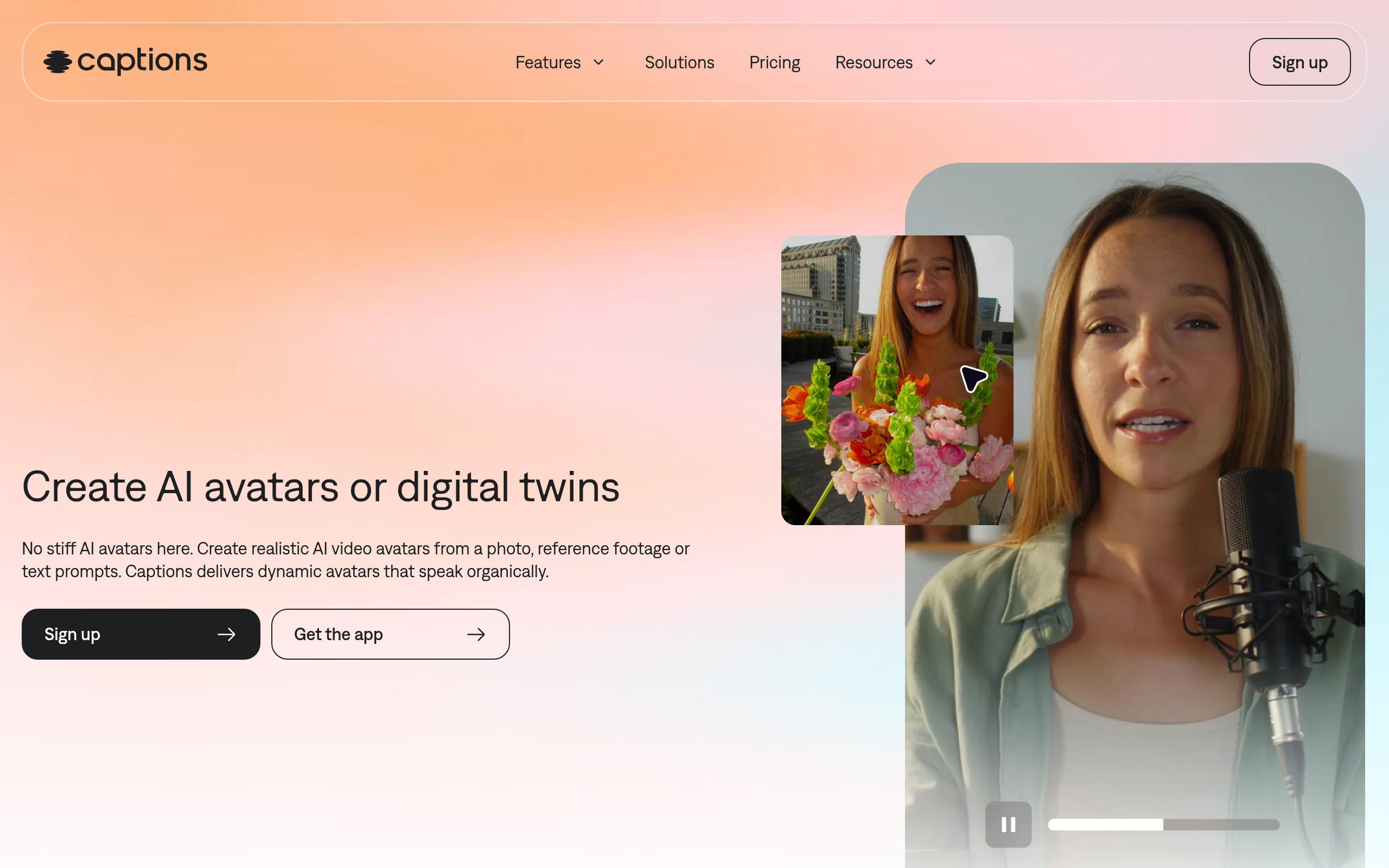
- Captions — mobile-first AI video creation with avatar features and auto-captioning. Popular with social media creators and small marketing teams who need quick, lightweight avatar content without enterprise tooling.
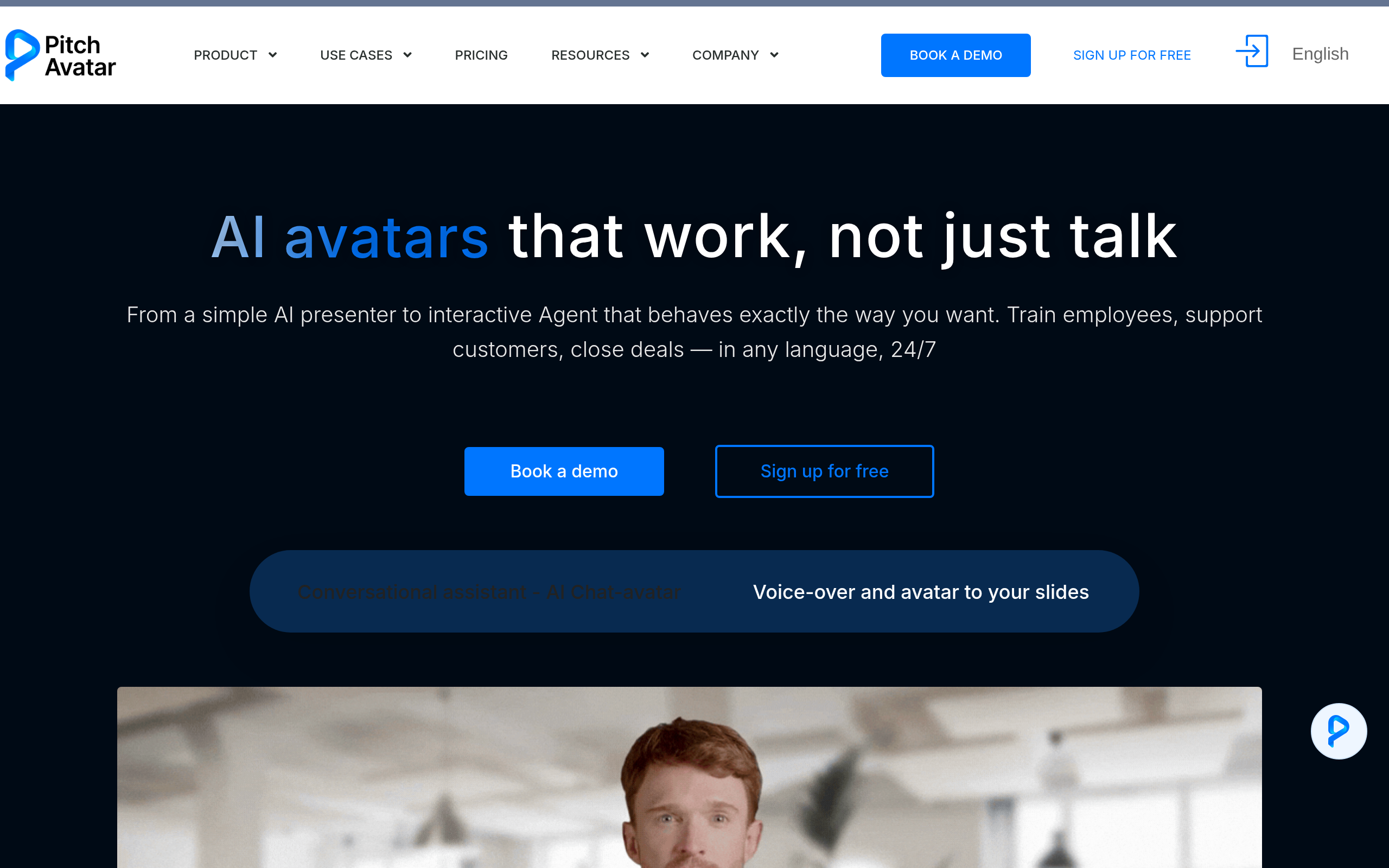
- Pitch Avatar — integrates AI avatars directly into sales pitch decks so the avatar presents the deck automatically. A niche but powerful tool for SDR teams that want personalized asynchronous demos at scale.
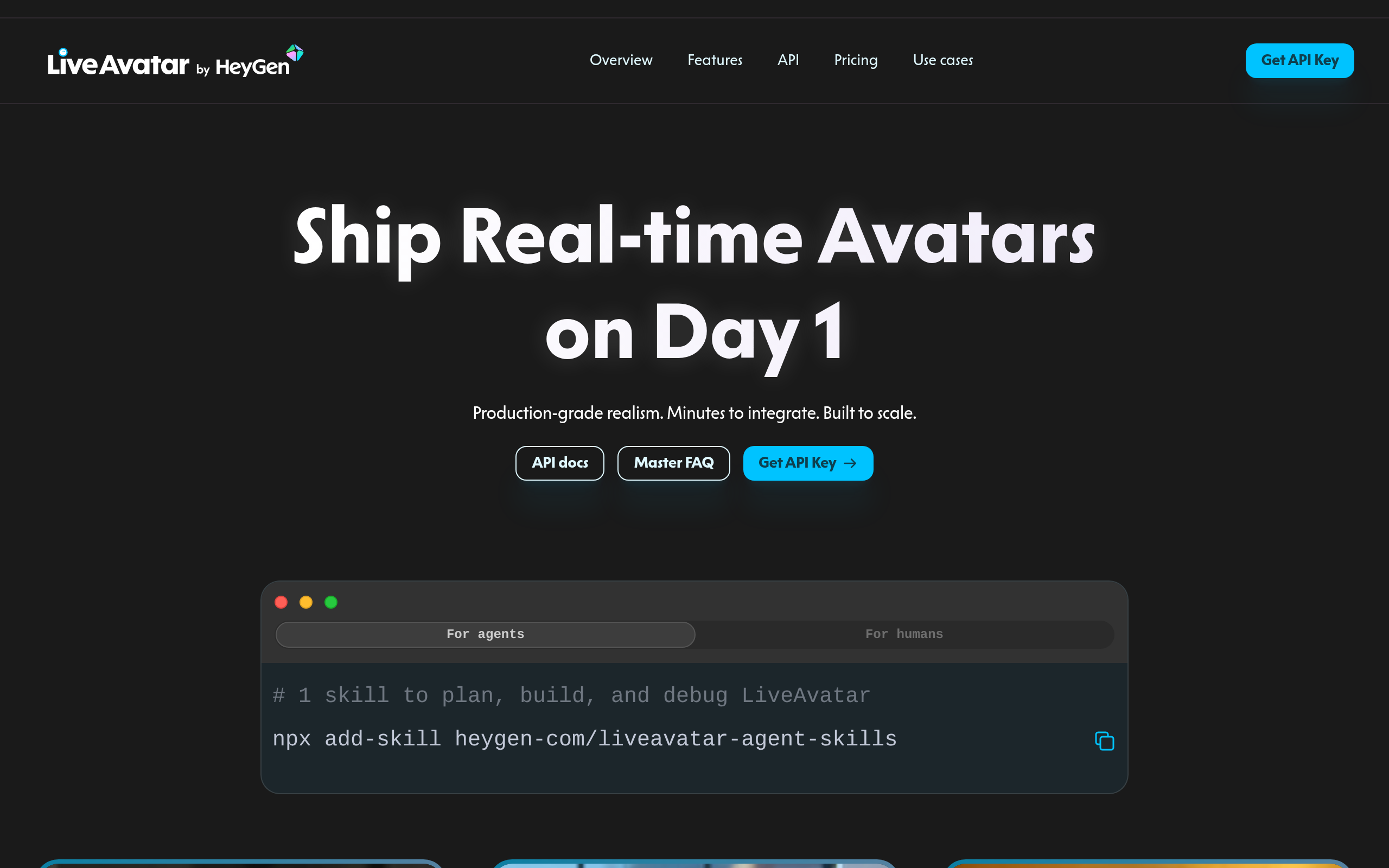
- LiveAvatar — built for live streaming and virtual events, enabling avatar-fronted webinars and broadcasts. Distinct from the video-production focus of the big three.
For the full directory of tools in this space, browse the AI Avatars & Virtual Humans category on Comparee. If video creation more broadly is your interest, you can also explore Video Generation & Editing tools for context.
Comparee's Verdict: Which Platform Should You Use?
Comparee's verdict: Synthesia is the best choice for L&D and training teams — SCORM export, 140+ language coverage, and structured course authoring put it in a category of its own for corporate learning programs. HeyGen is the best choice for marketing, sales, and localization teams — particularly any team that needs to dub or translate existing video content at scale, or generate personalized videos in volume. D-ID is the best choice for developers and product teams building avatar-powered features — the accessible API, real-time streaming SDK, and usage-based pricing make it the lowest-friction path from prototype to production.
If you are still evaluating and unsure which fits: start with each platform's free tier and run your actual use case through it. Produce a real training slide in Synthesia, try cloning your avatar in HeyGen, and call D-ID's API with a real script. The workflow differences are significant enough that hands-on testing will clarify your choice faster than any comparison table.
For teams with simpler needs or tighter budgets, Vmaker AI and VidAU UGC Avatars are credible starting points before committing to a premium plan on the major platforms.
Tools mentioned in this guide
Pricing, features and model availability can change over time. Always verify current details on each tool's official website before deciding.
Frequently Asked Questions
Is Synthesia better than HeyGen for corporate training videos?
Is Synthesia better than HeyGen for corporate training videos?
Can I create a custom AI avatar that looks like me on all three platforms?
Can I create a custom AI avatar that looks like me on all three platforms?
Does HeyGen support SCORM export for uploading to an LMS?
Does HeyGen support SCORM export for uploading to an LMS?
Which AI avatar platform has the best API for developers?
Which AI avatar platform has the best API for developers?
How does D-ID compare to Synthesia and HeyGen for production video quality?
How does D-ID compare to Synthesia and HeyGen for production video quality?
Can I use these tools to translate and dub my existing videos into other languages?
Can I use these tools to translate and dub my existing videos into other languages?
How much do Synthesia, HeyGen, and D-ID cost?
How much do Synthesia, HeyGen, and D-ID cost?
What is the best free AI avatar video tool?
What is the best free AI avatar video tool?
Don't just pick a tool — get the whole workflow
Tell Comparee your goal and get a complete step-by-step AI workflow with the right tool for every step.