Claude vs ChatGPT vs Gemini: Which AI Assistant Wins in 2026?
Claude vs ChatGPT vs Gemini in 2026: writing, coding, research, business, pricing — with Comparee's honest verdict on which AI assistant wins each use case.
- ChatGPT is the best all-rounder for most users — broadest feature set, strongest free tier in everyday practice.
- Claude leads on long-form writing, complex instruction-following, and nuanced analysis.
- Gemini is the clear winner if you live inside Google Workspace, Gmail, or Google Drive.
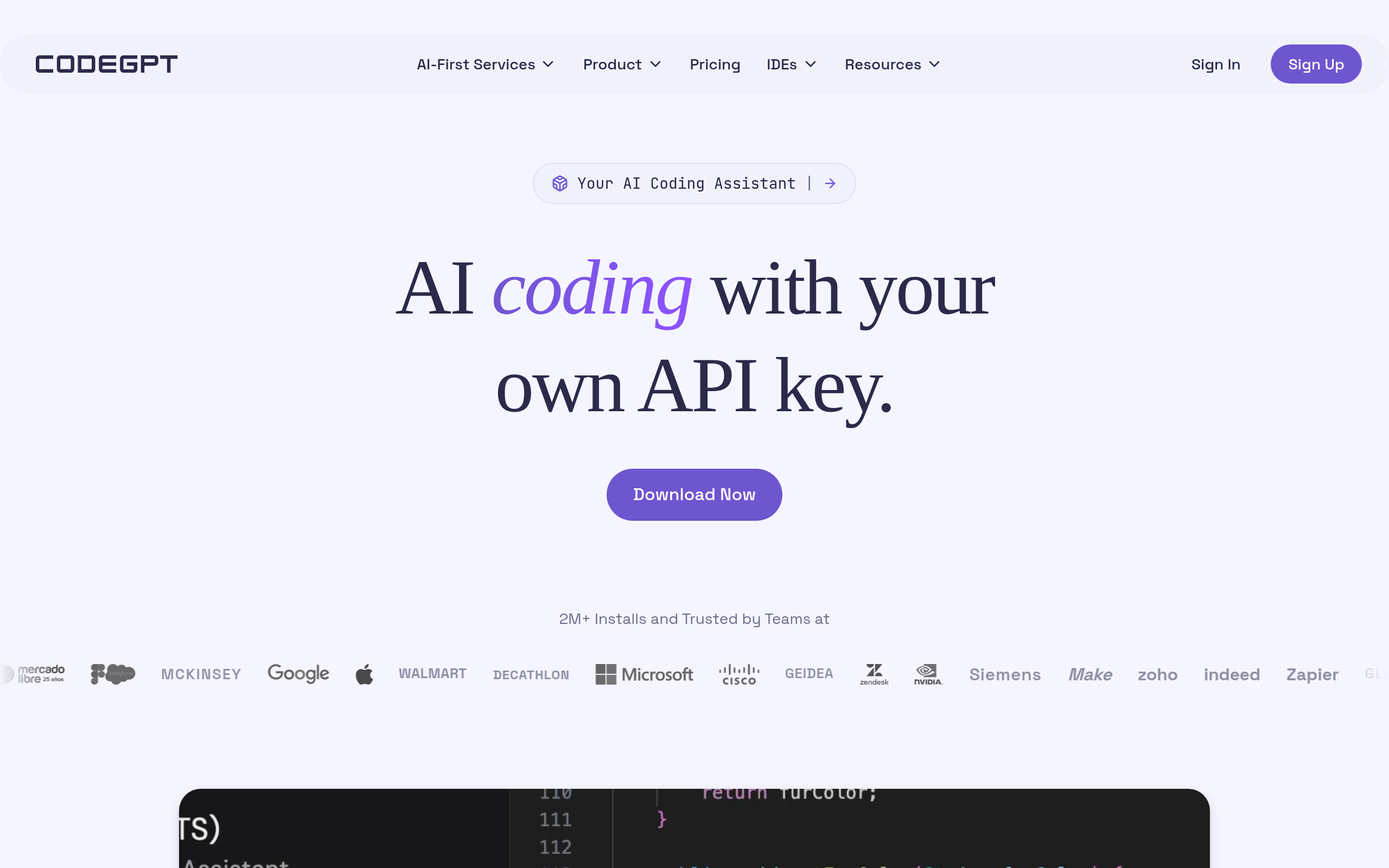
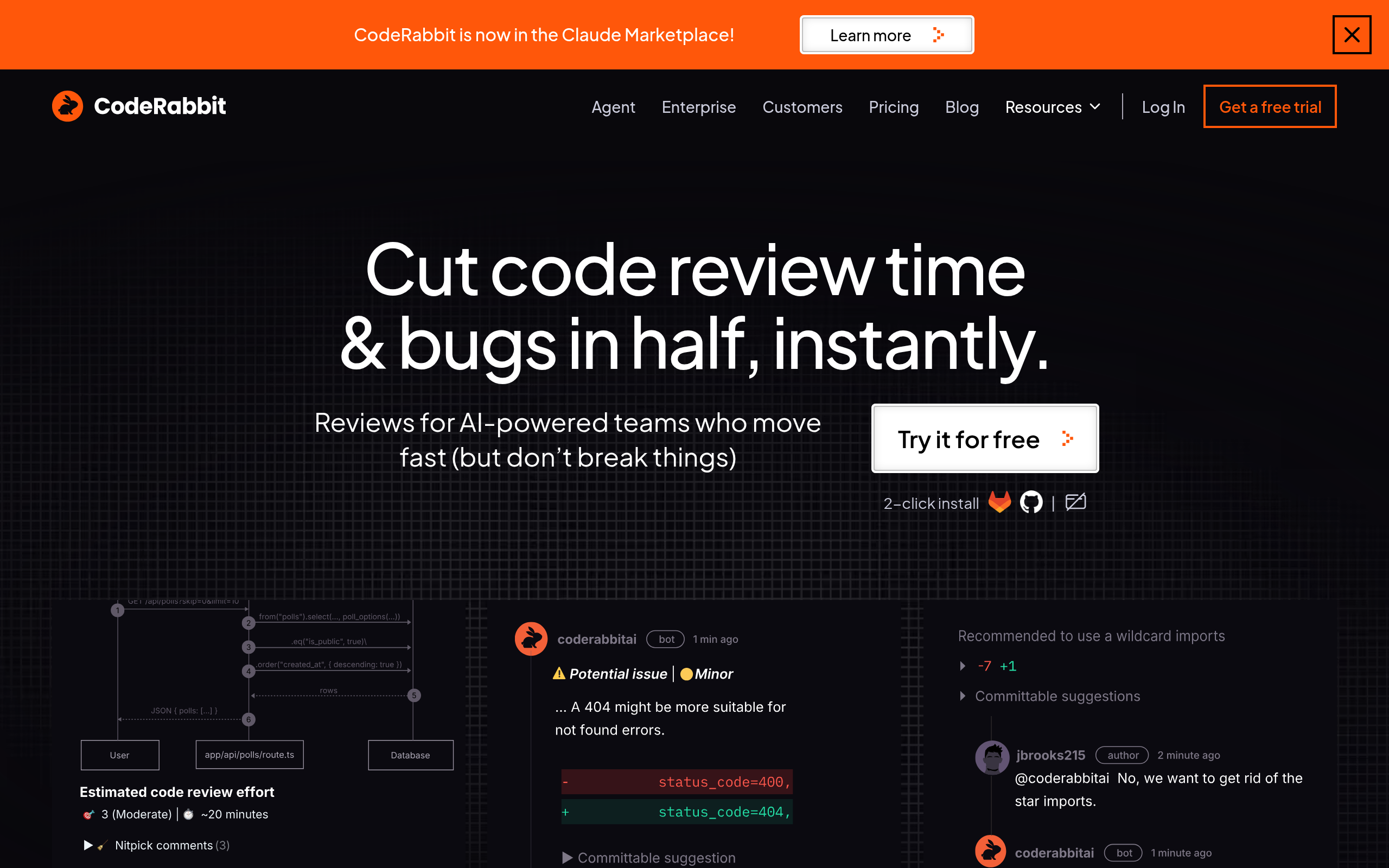
- For coding, both Claude and ChatGPT excel — IDE-native tools like CodeGPT and CodeRabbit add a layer general chatbots cannot match.
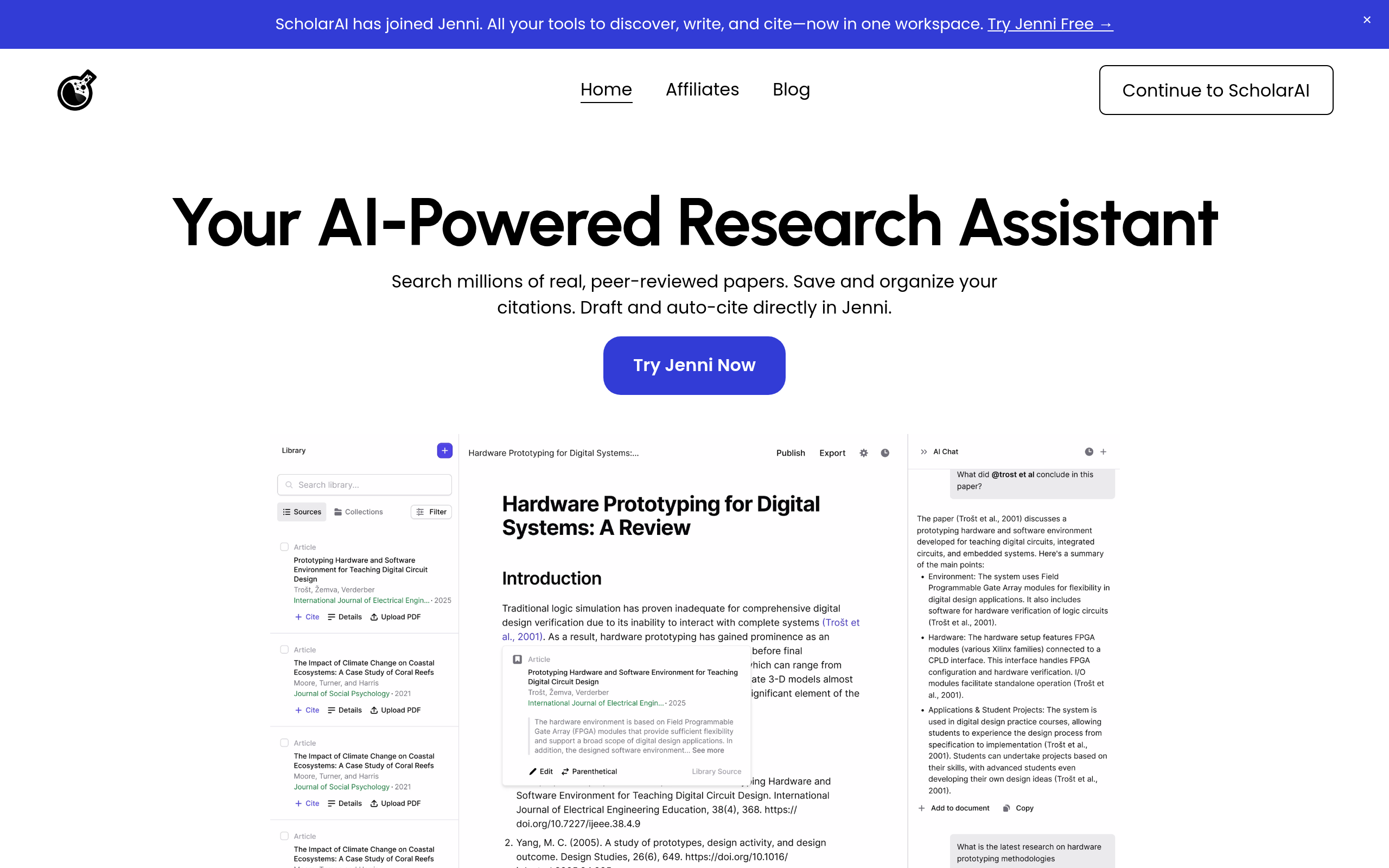
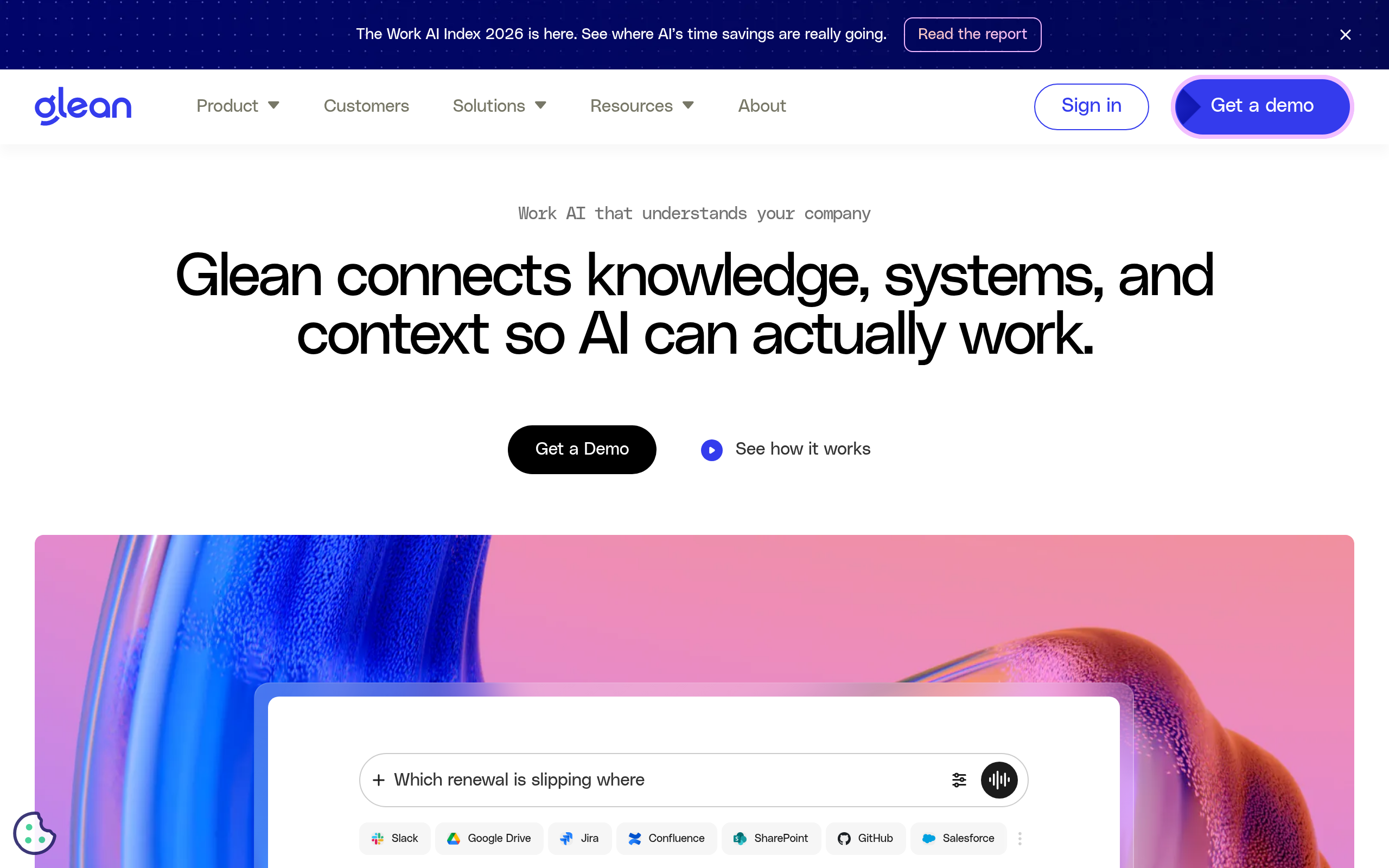
- For enterprise knowledge search, Glean outperforms all three in its niche; for academic research, ScholarAI and Elicit are purpose-built.
- No single winner exists — the right assistant depends on your workflow, not the hype cycle.
Claude, ChatGPT, and Gemini are all genuinely capable AI assistants in 2026. But capable is not the same as right for you. After testing all three across writing, coding, research, and business use cases, here is an honest breakdown of where each model wins, where it falls short, and who should actually use it.
How the Big Three Compare at a Glance
Before diving into the details, here is a fast orientation across the dimensions that matter most.
| Dimension | Claude | ChatGPT | Gemini |
|---|---|---|---|
| Best single use case | Long-form writing & analysis | General-purpose versatility | Google Workspace integration |
| Free tier quality | Good (Sonnet model) | Very good (GPT-4o) | Good (Flash model, unlimited) |
| Context window | 200K tokens | 128K tokens | Up to 1M tokens |
| Image generation | Limited | Built-in (DALL·E) | Built-in (Imagen) |
| Ecosystem depth | Standalone + API | Custom GPTs, plugins, memory | Google apps, Workspace, Search |
| Voice mode | Basic | Advanced real-time | Good |
Claude in 2026 — Writing and Analysis Champion
Anthropic's Claude has matured into arguably the strongest AI assistant for tasks requiring careful reasoning, long document processing, and nuanced writing. Its flagship models offer a 200,000-token context window — meaning you can submit an entire book manuscript, legal contract, or code repository and receive coherent, detailed analysis back.
Where Claude consistently wins in 2026:
- Long-form writing: Reports, essays, grant applications, legal drafts — Claude follows complex multi-part style and structure instructions better than either rival tested this year.
- Document analysis: Summarising and cross-referencing multi-document sets, identifying contradictions, answering precise questions over lengthy PDFs.
- Code quality: Claude produces clean, well-commented code and excels at explaining architectural decisions — useful when you need to understand the output, not just use it.
- Instruction-following: Fewer unprompted refusals or scope changes; Claude tends to do exactly what you ask without hedging.
Where Claude falls short: image generation is limited compared to ChatGPT, the tool and plugin ecosystem is smaller than OpenAI's, and real-time voice interaction is more basic. If you need image creation or a large app marketplace of third-party integrations, Claude is not the strongest bet in 2026.
ChatGPT in 2026 — The Most Versatile AI Assistant
OpenAI's ChatGPT pioneered the consumer AI assistant category and still holds a clear edge in breadth. The combination of GPT-4o for everyday tasks, o3-series models for deep reasoning, and a large ecosystem of custom GPTs makes ChatGPT the closest thing to a universal AI toolkit available to individuals in 2026.
What ChatGPT does well:
- Multi-modal tasks in one place: Text, images, voice, file analysis, and DALL·E image generation all within a single interface — no switching tools.
- Custom GPTs: A marketplace of community-built specialisations (customer service bots, legal assistants, cooking guides, fitness coaches) accessible without leaving the interface.
- Persistent memory: ChatGPT can learn and remember your preferences, communication style, and recurring context across conversations — a genuine productivity advantage for daily users.
- Code Interpreter: Unlike Claude, ChatGPT can execute code, run calculations, and produce data visualisations without external tools.
- Voice mode: The most natural real-time voice conversation of the three, useful for hands-free workflows.
Weaknesses: ChatGPT can sometimes follow complex multi-step instructions less precisely than Claude. The free tier throttles access to the most capable models under peak load, and the breadth of options can feel overwhelming for users who want a simpler experience.
Gemini in 2026 — Best If You Live in Google's World
Google's Gemini family has one decisive advantage that Claude and ChatGPT cannot match: it lives natively inside Google's ecosystem. If Gmail, Google Docs, Sheets, Slides, Drive, or YouTube are part of your daily workflow, Gemini integrates in ways the other two simply cannot replicate without custom configuration.
Gemini's genuine strengths:
- Google Workspace integration: Drafting emails in Gmail, building Slide decks, summarising Drive folders, analysing Sheets data — all available from within the apps you already use, without copy-pasting to an external chat interface.
- Largest context window: Gemini 2.0 and 2.5 support up to 1 million tokens — useful for processing entire codebases or very long document sets in a single prompt.
- Real-time Search grounding: Gemini can pull live Google Search results into its answers, giving it a real advantage for current events, product availability, and up-to-date research.
- Multimodal understanding: Strong at interpreting images, diagrams, charts, and video frames in context.
Weaknesses: Outside the Google ecosystem, Gemini's integration advantage disappears. Writing quality and instruction-following are generally rated below Claude by independent evaluators in 2026. The most capable models (Gemini 2.5 Pro) require the paid Gemini Advanced subscription.
Feature-by-Feature Breakdown
| Feature | Claude | ChatGPT | Gemini |
|---|---|---|---|
| Max context window | 200K tokens | 128K tokens | Up to 1M tokens |
| Real-time web search | Yes (tool use) | Yes | Yes (native Search) |
| Image generation | Limited | Yes (DALL·E) | Yes (Imagen) |
| File / PDF upload | Yes | Yes | Yes |
| Code execution | No (mid-2026) | Yes (Code Interpreter) | Yes |
| Persistent memory | Limited (Projects) | Yes | Limited |
| Voice mode | Basic | Advanced real-time | Good |
| Custom agents / GPTs | Projects | Custom GPTs marketplace | Gems |
| Mobile app | Yes | Yes | Yes |
| API access | Yes | Yes | Yes |
Pricing and Plans: What You Actually Pay
All three assistants offer a free tier that is sufficient for light use. Paid tiers unlock more powerful models, higher usage limits, and advanced features. Exact prices change frequently — always check the provider's pricing page for current figures.
| Plan tier | Claude | ChatGPT | Gemini |
|---|---|---|---|
| Free | Sonnet model, daily message cap | GPT-4o (throttled at peak) | Flash model, unlimited messages |
| Individual paid | Claude Pro — higher limits, latest models | ChatGPT Plus — GPT-4o + o3, DALL·E, memory | Gemini Advanced — Gemini 2.5 Pro, Workspace AI |
| Team / Business | Claude for Teams — admin controls, more context | ChatGPT Team / Enterprise — SSO, data privacy | Google Workspace AI — Gemini in all Google apps |
| Pricing model | Monthly subscription | Monthly subscription (+ API usage-based) | Monthly subscription (+ Google One bundle) |
Which AI Assistant Is Best for Your Use Case?
| Use Case | Best Choice | Runner-Up | Key Note |
|---|---|---|---|
| Long-form writing | Claude | ChatGPT | Claude follows complex style instructions most consistently |
| General everyday tasks | ChatGPT | Claude | Widest feature coverage; best free tier versatility |
| Coding / development | Claude or ChatGPT | — | Both excellent; add CodeGPT for IDE-native AI assistance |
| Academic research | Claude | Gemini | ScholarAI and Elicit add structured paper search neither can match |
| Google Workspace | Gemini | — | Native integration — no contest for Google-centric teams |
| Image creation | ChatGPT | Gemini | Claude offers limited image generation in mid-2026 |
| Enterprise knowledge search | — | — | Glean indexes your company tools; general chatbots cannot securely replace it |
| Code review automation | — | — | CodeRabbit integrates directly into git workflows for automated review |
When Should You Look Beyond the Big Three?
Claude, ChatGPT, and Gemini cover most individual user needs, but there are clear scenarios where a purpose-built tool outperforms any general assistant.
- Enterprise knowledge management: Glean is built to index and search your organisation's internal tools — Slack, Confluence, Google Drive, Jira — and surface answers from your own data with access controls. A general AI chatbot cannot replicate this securely without significant custom infrastructure.
- Academic and scientific research: ScholarAI connects directly to real academic databases, retrieving and correctly citing peer-reviewed papers. Elicit goes further — it runs structured literature reviews and extracts data across hundreds of papers in workflows no general chatbot replicates out of the box.
- Software development pipelines: CodeGPT lives inside your IDE and understands your actual codebase. CodeRabbit integrates with your pull request workflow for automated, context-aware code review. These add a layer of value that general assistants — however capable — cannot match without manual configuration.
Browse the full AI Chatbots & Assistants category on Comparee to compare these and other tools side by side with verified scores.
Comparee's Verdict: Which AI Assistant Wins Each Use Case
After evaluating all three assistants against real-world workflows through mid-2026, here is where we stand:
- Comparee's verdict: Claude is the best choice for writers, analysts, and professionals working with long or complex documents. Its instruction-following and text output quality are the highest of the three on structured, multi-part tasks.
- Comparee's verdict: ChatGPT is the best all-rounder for most individual users. If you want one assistant that handles writing, coding, image creation, and voice conversation without switching tools, ChatGPT's ecosystem and feature breadth is decisive in 2026.
- Comparee's verdict: Gemini is the best choice for teams already running on Google Workspace. The native integration into Gmail, Docs, Drive, and Sheets makes Gemini Advanced worth paying for any organisation where Google apps are the daily norm.
- Comparee's verdict: For coding teams, CodeGPT or CodeRabbit should sit alongside whichever general assistant you choose. IDE-native and git-integrated tools provide a materially better developer experience than any general chatbot.
- Comparee's verdict: For enterprise research, Glean and ScholarAI outperform all three in their specific niches — internal knowledge retrieval and academic literature review respectively.
Tools mentioned in this guide
Pricing, features and model availability can change over time. Always verify current details on each tool's official website before deciding.
Frequently Asked Questions
Is Claude better than ChatGPT in 2026?
Is Claude better than ChatGPT in 2026?
Which AI assistant has the best free tier in 2026?
Which AI assistant has the best free tier in 2026?
Is Gemini better than ChatGPT for everyday use?
Is Gemini better than ChatGPT for everyday use?
Which AI assistant is best for coding in 2026?
Which AI assistant is best for coding in 2026?
What is the best AI assistant for business teams?
What is the best AI assistant for business teams?
Which AI assistant is best for academic research?
Which AI assistant is best for academic research?
Does Claude have a free version in 2026?
Does Claude have a free version in 2026?
Which AI assistant has the largest context window?
Which AI assistant has the largest context window?
Don't just pick a tool — get the whole workflow
Tell Comparee your goal and get a complete step-by-step AI workflow with the right tool for every step.