How to Generate Leads with AI: A 2026 Guide
Generate leads with AI in 2026: find prospects, enrich data, run outreach, and capture leads with chatbots, with the compliance caveats that matter.
Key takeaways
- AI lead generation in 2026 spans four stages: find prospects, enrich them, reach out, and capture inbound.
- Tools like Seamless.AI, Reply.io, Smartlead and Chatling cover prospecting, outreach and capture.
- Volume without targeting and compliance will damage your domain reputation and your brand.
- Personalization at scale is where AI helps most, but it must be grounded in real data.
- Email and data-privacy laws still apply — automation does not exempt you from consent and opt-out rules.
AI can dramatically expand how many qualified leads your business generates in 2026, but only if you pair its speed with tight targeting and real respect for privacy law. Lead generation breaks into four stages — finding prospects, enriching what you know about them, reaching out, and capturing the people who come to you — and AI now has a credible tool for each. The temptation is to treat these tools as volume machines: blast more emails, scrape more contacts, automate everything. That approach backfires fast, burning your sender reputation and your brand. The winning move is to use AI for precision and personalization at scale, grounded in accurate data and lawful outreach. This guide covers the full pipeline and is honest about the compliance lines you must not cross.
What is AI lead generation?
AI lead generation is the use of machine learning across the pipeline that turns strangers into qualified prospects. On the outbound side, AI helps you identify companies and contacts that match your ideal customer profile, fill in missing details like job titles or email addresses, and draft personalized outreach at a speed no human team could match. On the inbound side, AI chatbots engage visitors on your website, answer questions and capture contact details around the clock. The common thread is leverage: a small team can run the prospecting, enrichment and follow-up workload that once required many people. But leverage cuts both ways — the same speed that lets you reach the right people faster also lets you spam the wrong ones at scale, which is why discipline matters more here than in almost any other use of AI.
Finding and enriching prospects
The first stage is building a list of the right people, not the most people. AI prospecting tools let you filter by industry, company size, role and other signals to assemble a targeted list, then enrich each contact with details that make outreach relevant. Enrichment is what turns a name into a person you can speak to meaningfully — their role, their company's recent activity, the problem they likely face. The quality of this data directly determines everything downstream: a perfectly written email sent to the wrong person is still spam. It is also where data-protection law bites, because how you source and store contact information is regulated in many regions. Use reputable data sources, keep your lists current, and be ready to remove anyone who asks. Garbage data does not just waste effort — it actively harms your reputation.
Outreach that earns a reply
Once you have a clean, enriched list, outreach is where AI personalization earns its keep. Generic mass emails are easy to ignore and easy to mark as spam; messages that reference something specific and relevant get replies. AI can draft a tailored opening line for each prospect based on enrichment data, sequence follow-ups, and adjust send timing — at a scale that would be impossible by hand. But personalization has to be genuine, not a mail-merge token dressed up as insight, because recipients can tell. Equally important is deliverability hygiene: warming up sending domains, keeping volumes sane, honoring unsubscribes instantly, and never using deception in subject lines. The goal is not to send the most emails; it is to start the most real conversations. Treat every send as something a human might reply to, and your numbers will be healthier for it.
Best AI lead generation tools
| What you need | Best tool |
|---|---|
| Find and enrich B2B contacts | Seamless.AI |
| Multichannel outreach sequences | Reply.io |
| Cold email at scale with deliverability focus | Smartlead |
| Inbox warming and sending infrastructure | Instantly |
| Scrape data from sites without an API | Browse AI |
| Capture inbound leads with a chatbot | Chatling |
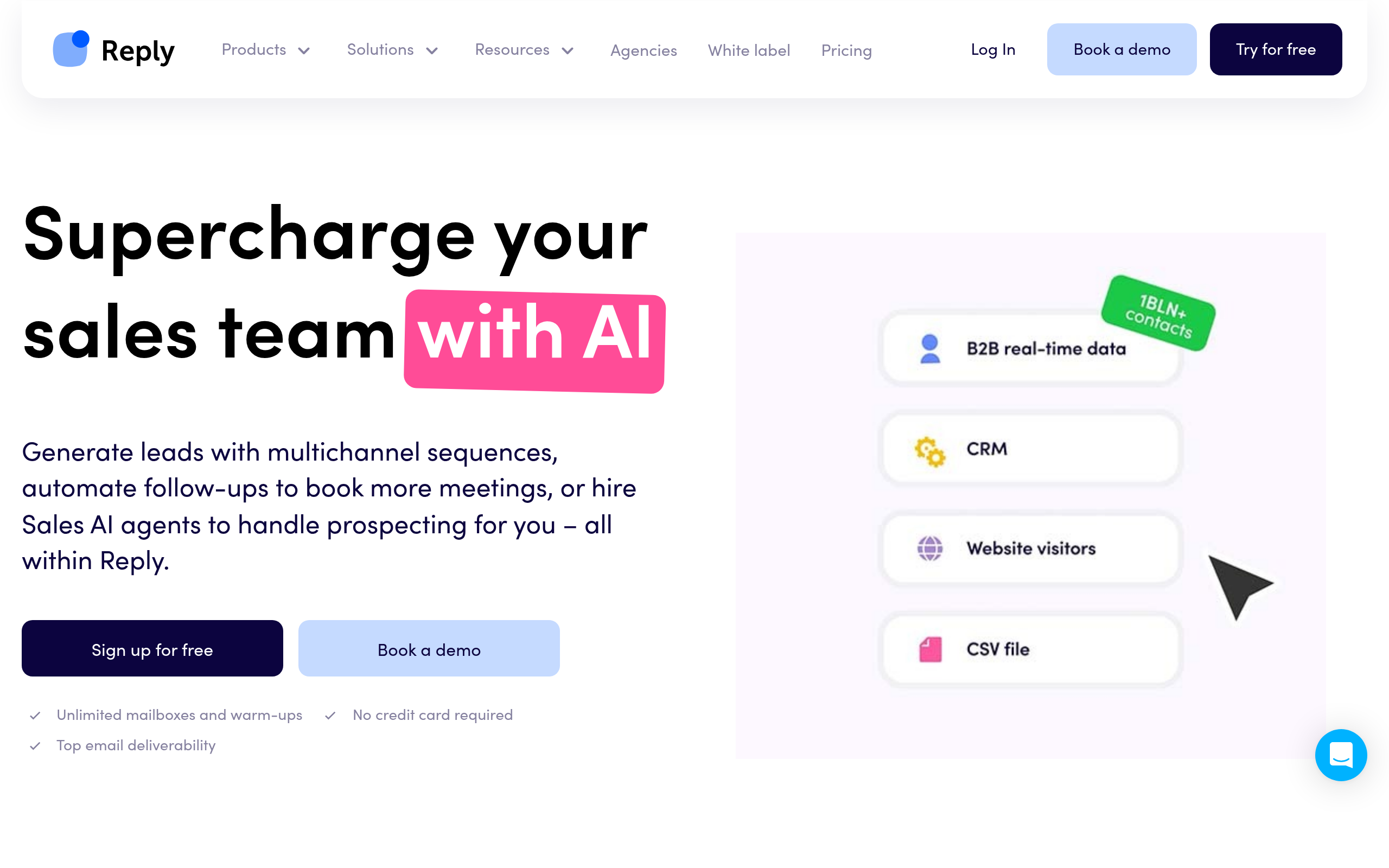
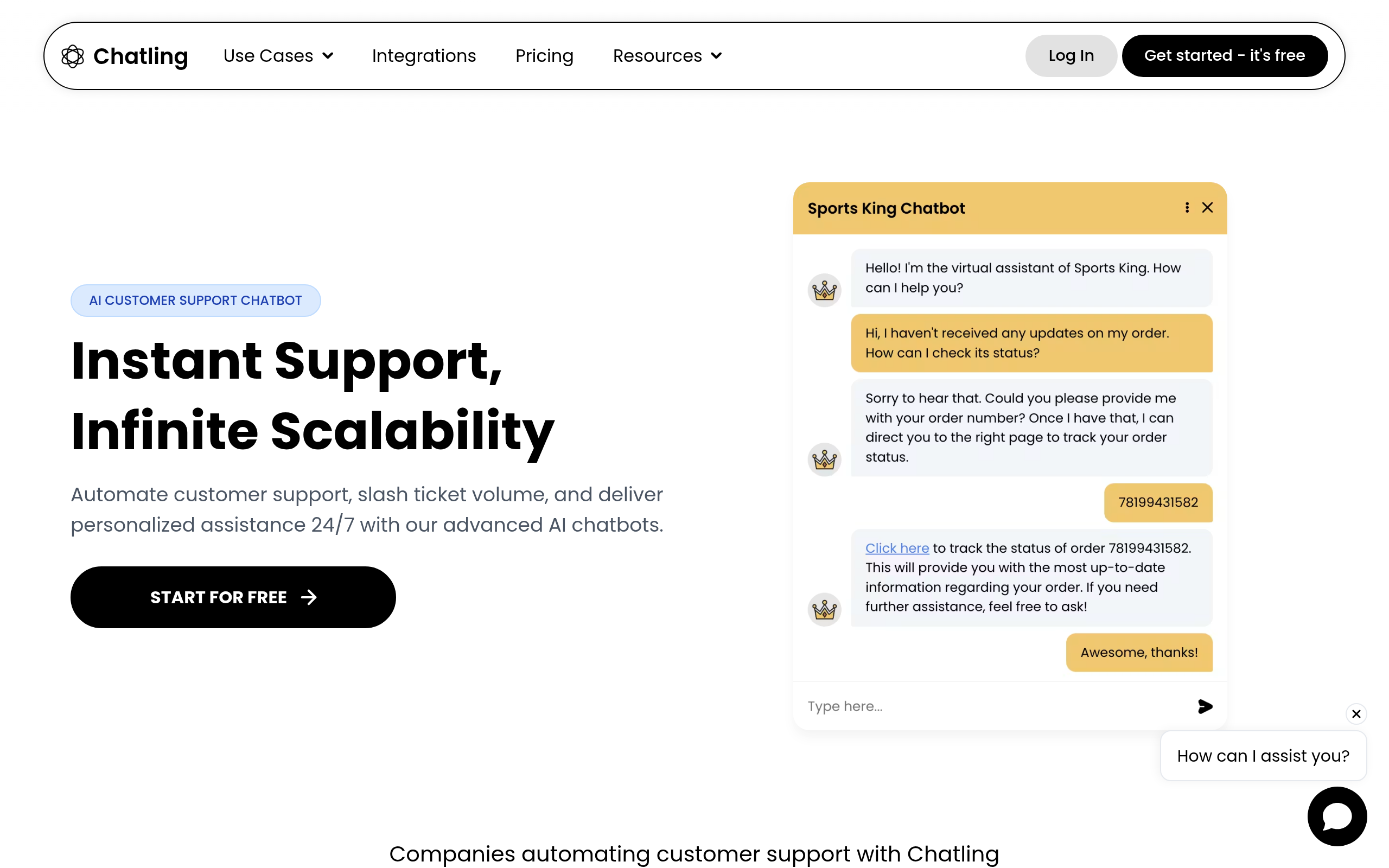
Seamless.AI focuses on finding and enriching B2B contact data so you can build targeted prospect lists. Reply.io runs multichannel outreach sequences, coordinating email and other touchpoints with personalization. Smartlead and Instantly both specialize in cold email at scale with a strong emphasis on deliverability, inbox warming and sender reputation — the unglamorous infrastructure that decides whether your emails land in the inbox or the spam folder. Browse AI lets you extract data from websites that lack a clean API, which can support prospecting research. Chatling handles the inbound side, deploying a chatbot that engages site visitors and captures leads at any hour. For deeper context, see our AI for sales guide and our AI for email marketing guide.
How to generate leads with AI (step by step)
- Define your ideal customer profile precisely so every later step targets the right people, not the most people.
- Build a list with an AI prospecting tool, filtering by industry, role and company signals.
- Enrich each contact with accurate, lawfully sourced data, and remove anyone who should not be contacted.
- Set up sending infrastructure properly — warm your domains and keep volumes sane to protect deliverability.
- Send genuinely personalized outreach, sequence respectful follow-ups, and honor unsubscribes instantly.
- Deploy a chatbot to capture and qualify inbound leads, then route hot prospects to a human quickly.
Capturing inbound leads with chatbots
While outbound gets the attention, inbound capture is often the higher-quality channel because the prospect came to you. An AI chatbot on your site can greet visitors, answer common questions, qualify interest and collect contact details at any hour, which means you never lose a lead just because it is the middle of the night. The art is in restraint: a chatbot that interrupts every visitor with a pop-up is annoying, while one that offers help at the right moment feels like good service. Always make it easy to reach a human, and never let the bot pretend to be one. The strongest setups use the chatbot to handle the routine and hand off promising conversations to a person fast, combining the always-on coverage of automation with the trust that only a real human exchange creates.
Compliance is not optional
This is the part too many guides skip, so be clear-eyed about it: automating lead generation does not exempt you from the law. Data-protection regulations govern how you collect, store and use personal data, and email rules require honest subject lines, valid sender identity, working unsubscribe links and respect for opt-outs. The penalties are real, and beyond fines, sloppy practice destroys sender reputation so thoroughly that even legitimate emails stop landing. The rules vary by region, so understand the laws that apply to your audience, not just where you are based. The safe and frankly more effective posture is to treat compliance as a feature, not a hurdle — contact people who plausibly want to hear from you, make leaving easy, and keep your data clean. Doing it right protects you legally and produces better results than spray-and-pray ever will.
The bottom line
Generating leads with AI in 2026 works when you use it for precision rather than raw volume. Build targeted lists and enrich them with Seamless.AI, run thoughtful outreach with Reply.io, Smartlead and Instantly while guarding deliverability, and capture inbound with Chatling. Throughout, keep your data clean and your outreach lawful. The businesses that win with AI lead generation are not the ones that send the most messages — they are the ones that start the most real conversations with the right people, within the rules. Treat compliance and personalization as the strategy, not the friction, and the pipeline takes care of itself.
Disclaimer: Lead generation is subject to data-protection and anti-spam laws that vary by region. This guide is not legal advice; consult the regulations applicable to your audience and verify each tool's features and compliance posture directly with the provider before use.
Tools mentioned in this guide
Pricing, features and model availability can change over time. Always verify current details on each tool's official website before deciding.
Frequently Asked Questions
What are the stages of AI lead generation?
What are the stages of AI lead generation?
Is automated cold email legal?
Is automated cold email legal?
Why does data quality matter so much?
Why does data quality matter so much?
What is the point of warming up a sending domain?
What is the point of warming up a sending domain?
Should an AI chatbot pretend to be a human?
Should an AI chatbot pretend to be a human?
Does using AI mean I can ignore compliance?
Does using AI mean I can ignore compliance?
Don't just pick a tool — get the whole workflow
Tell Comparee your goal and get a complete step-by-step AI workflow with the right tool for every step.