Best Generative Engine Optimization (GEO) Tools in 2026
The best generative engine optimization (GEO) tools and services in 2026 — audits, services, content visibility and learning GEO. A cautious, practical guide.
Key takeaways
- GEO (generative engine optimization) is about getting cited in AI answers — ChatGPT, Gemini, Perplexity, Google AI Overviews — not just ranking on Google.
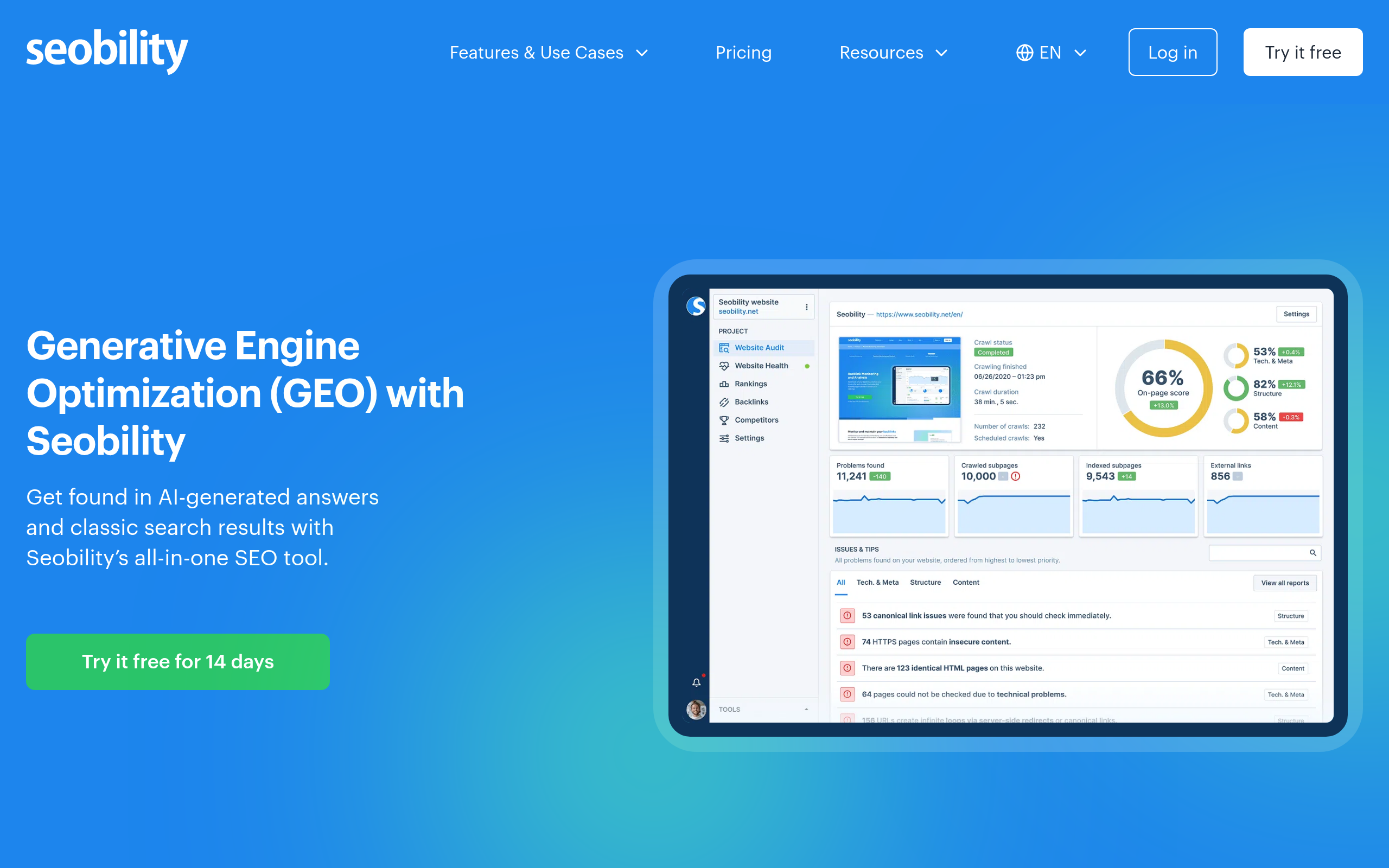
- For audits and visibility, Semrush and Seobility; for done-for-you services, Coalition Technologies.
- For GEO-focused visibility, Generative Engine Optimization (GEO), DeepSite AI and LightSite AI.
- GEO and SEO overlap heavily — strong, well-structured, citable content helps both. Be wary of anyone promising guaranteed AI citations.
People increasingly get answers from AI — ChatGPT, Gemini, Perplexity and Google's AI Overviews — not just from a list of blue links. Generative engine optimization (GEO) is the practice of making your content the source those AI answers cite. It overlaps heavily with SEO but adds a focus on being quotable and structured for machines. This guide explains GEO clearly and compares the best GEO tools and services in 2026, using real tools from the Comparee catalog, with deliberately cautious claims.
The way people find information is changing: instead of scanning a page of links, they increasingly read a single AI-generated answer. That's a real shift for anyone who depends on being found, because if your content isn't the source an AI cites, you're invisible in that answer — even if you rank well in classic search. GEO is the response to that shift. The reassuring part is that it isn't a separate dark art: most of what makes content citable by AI is the same thing that makes it good for search and good for readers — accuracy, clear structure, genuine authority. The comparison below covers tools and services across that spectrum, with deliberately cautious claims, because the field is young and anyone promising guaranteed AI citations is overselling.
The short answer
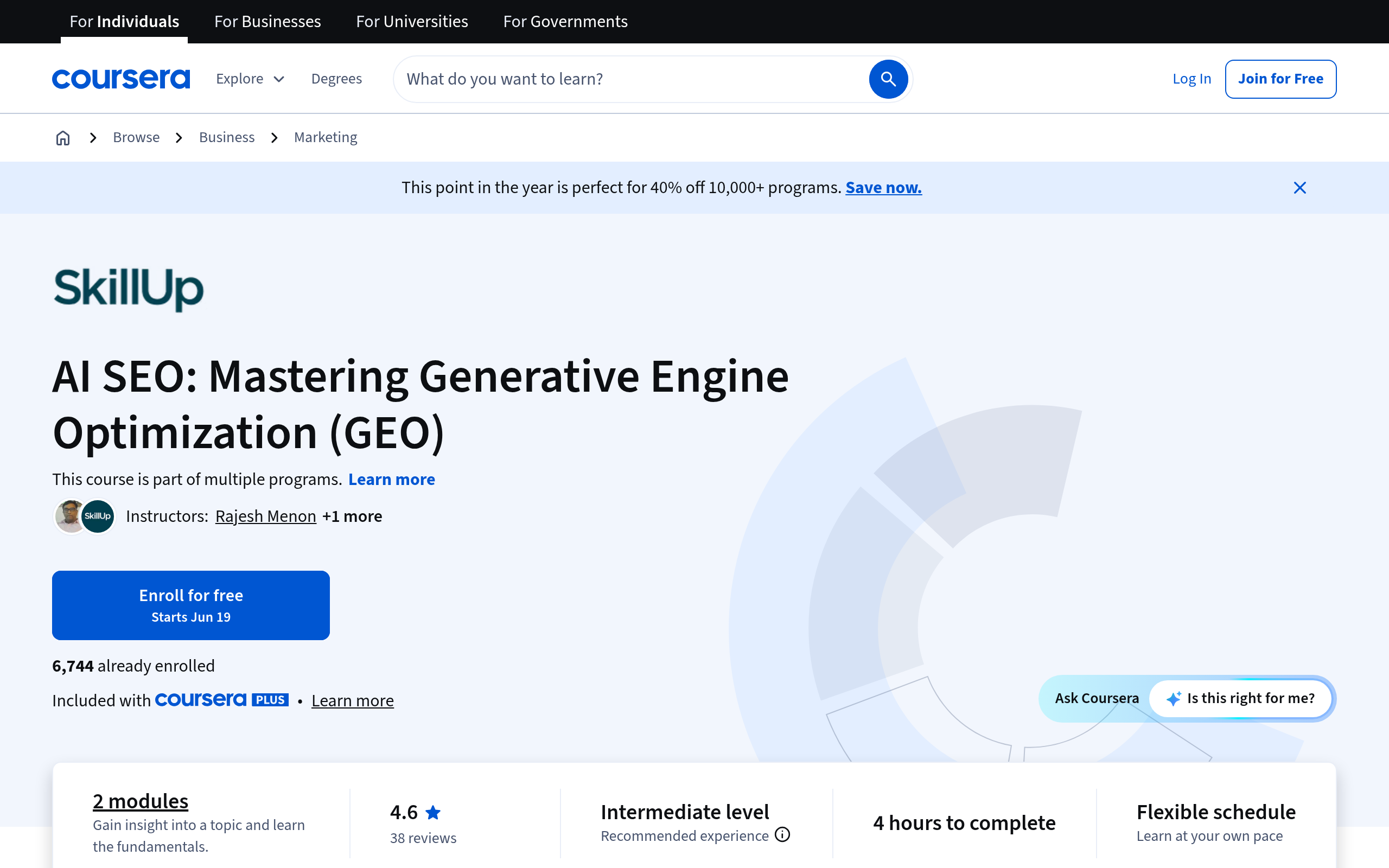
For audits and underlying SEO/visibility work, Semrush is the most capable, with Seobility a lighter option. For done-for-you GEO and SEO services, Coalition Technologies. For GEO-focused visibility tooling, Generative Engine Optimization (GEO), DeepSite AI and LightSite AI. And to learn the discipline, structured resources like AI SEO: Mastering Generative Engine Optimization (GEO) help.
What is GEO?
Generative engine optimization is optimising your content so generative AI systems surface and cite it when they answer a question. Where classic SEO aims to rank a page in search results, GEO aims to make your content the source an AI quotes in its answer. In practice that means clear, factual, well-structured content that's easy for a model to extract and attribute — direct answers, definitions, data, and structured markup. It's an emerging field, and best practices are still settling, so treat confident "rules" with healthy skepticism.
GEO vs SEO
| Dimension | SEO | GEO |
|---|---|---|
| Goal | Rank a page in search results | Be cited in AI answers |
| Audience | Search engines + clickers | Generative engines + their users |
| Wins with | Keywords, links, page experience | Citable facts, structure, authority |
| Overlap | High — strong, structured, trustworthy content helps both | |
The honest takeaway: GEO isn't a separate world from SEO. Most of what makes content citable by AI — accuracy, clear structure, genuine authority — is also good SEO. You don't abandon SEO for GEO; you extend it.
Best GEO tools and services by use case
For the audit and SEO foundation, Semrush is the strongest all-round platform for keyword, content and technical analysis, with Seobility a simpler, cheaper auditing option. For teams that want it done for them, Coalition Technologies offers GEO and SEO services. For GEO-specific visibility work, Generative Engine Optimization (GEO), DeepSite AI, LightSite AI and HikeMyTraffic focus on AI-search and traffic visibility — useful, though this is a young category, so test claims against your own results. To learn GEO, the course AI SEO: Mastering Generative Engine Optimization (GEO) is a structured starting point. Mailchimp sits on the edge as a distribution channel for the content you create, rather than a core GEO tool.
A practical GEO workflow
GEO is less about a single tool and more about a repeatable process. First, identify answer-intent queries — the questions your audience asks an AI, not just keywords they type. Then create citation-ready content: direct answers up top, clear definitions, real data, and a structure a model can extract. Add structured data so machines understand your content. Build topical authority by covering a subject thoroughly rather than publishing thin one-offs. Finally, monitor impressions and mentions — watch whether your content shows up in AI answers and search, and adjust. None of this guarantees a citation; it improves your odds.
Comparee recommendation
- Audit / SEO foundation? → Semrush, or Seobility for a lighter option.
- Done-for-you? → Coalition Technologies.
- GEO visibility tooling? → DeepSite AI, LightSite AI or Generative Engine Optimization (GEO).
- Learning GEO? → AI SEO: Mastering Generative Engine Optimization (GEO).
Start with strong, structured content and an audit foundation. Compare the options in the top SEO & visibility tools and the SEO & LLM visibility category on Comparee.
Common mistakes with GEO
The first mistake is treating GEO as separate from SEO and chasing tricks. Most of what gets you cited by AI — accurate, well-structured, genuinely authoritative content — is also good SEO, so a strong foundation with Semrush or Seobility still matters. The second mistake is believing anyone who promises guaranteed AI citations: no tool or service can guarantee placement in an AI answer, and claims otherwise are a red flag. The third is publishing thin, scattered content and expecting authority; AI systems favour sources that cover a topic thoroughly and reliably, which takes depth over volume.
How to actually improve your AI visibility
Work the process, not a gimmick. Identify the questions your audience asks an AI, then create content that answers them directly and is easy to extract — a clear answer up front, real data, definitions, and structured markup so machines understand it. Build topical authority by covering a subject properly rather than publishing one-offs, and use Semrush for the audit foundation, services like Coalition Technologies if you want help, and GEO-focused tools such as DeepSite AI or LightSite AI to track visibility. Then monitor whether you show up in AI answers and search, and refine. For current best practices, follow the official guidance from the search and AI providers themselves, since the field is moving fast. None of this guarantees a citation — it stacks the odds in your favour, which is all honest GEO can promise.
The bottom line
GEO is about earning citations in AI answers, and it's mostly an extension of good SEO: accurate, well-structured, authoritative content. Use Semrush or Seobility for the foundation, services like Coalition Technologies if you want help, and GEO-focused tools to track AI visibility — while staying skeptical of anyone promising guaranteed AI citations.
Sources and a note on claims
Generative engine optimization is an emerging practice and the major AI and search providers continue to update how their systems select and cite sources. The guidance here reflects widely-discussed practices (clear structure, citable facts, structured data, topical authority) rather than guaranteed outcomes. For authoritative, current guidance, consult the official documentation and announcements from the search and AI providers themselves (Google Search Central, and the publishers of the AI systems you want to appear in), as their recommendations evolve.
Disclaimer: No tool or service can guarantee that your content will be cited by AI systems. GEO improves your odds through better, more structured, more authoritative content — it is not a guaranteed-placement service.
Tools mentioned in this guide



Pricing, features and model availability can change over time. Always verify current details on each tool's official website before deciding.
Frequently Asked Questions
What are the best generative engine optimization (GEO) tools in 2026?
What are the best generative engine optimization (GEO) tools in 2026?
What is generative engine optimization (GEO)?
What is generative engine optimization (GEO)?
What is the difference between SEO and GEO?
What is the difference between SEO and GEO?
Can a tool guarantee my content gets cited by AI?
Can a tool guarantee my content gets cited by AI?
What is the best tool to audit my site for GEO?
What is the best tool to audit my site for GEO?
Don't just pick a tool — get the whole workflow
Tell Comparee your goal and get a complete step-by-step AI workflow with the right tool for every step.