Best AI Legal Tools in 2026: Contracts, Research and Compliance
The best AI legal tools in 2026 by use case — contract drafting, review, management, compliance and document review. With a clear legal disclaimer.
Key takeaways
- AI legal tools split by job — drafting, review, contract management, compliance and document review.
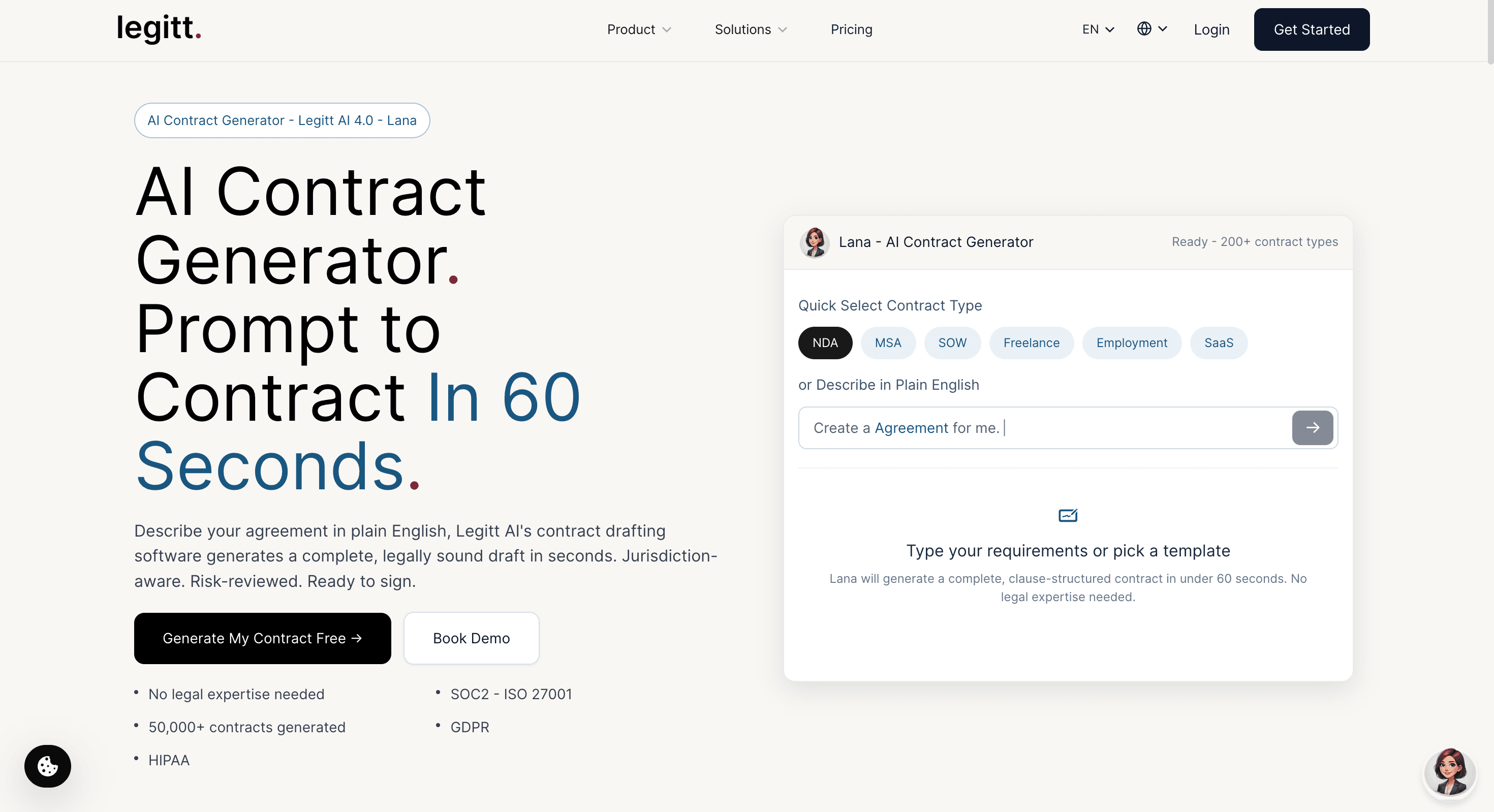
- For contract drafting and review, Spellbook; for contract management, Concord; for the full contract lifecycle, Legitt AI.
- For legal document automation, LEGALFLY; for compliance and risk, Centraleyes; for document review, Wisedocs.
- These tools support legal work — they do not replace qualified legal advice.
AI is changing how legal work gets done — drafting and reviewing contracts, managing the contract lifecycle, monitoring compliance, and sifting through documents. But "AI legal tools" is an umbrella over several distinct jobs, and the right tool depends on which you need. This guide compares the best AI legal tools in 2026 by use case, using real tools from the Comparee catalog, with an important caveat: these tools assist legal work, they don't replace a qualified lawyer.
Legal work is unusually well-suited to AI assistance because so much of it is pattern-heavy: contracts reuse clauses, compliance follows frameworks, and document review means finding the same kinds of information again and again. AI handles that repetition fast, which is why legal teams are among the most active adopters. But legal work is also unusually high-stakes — a wrong clause or a missed obligation has real consequences — so the tools below are best understood as accelerators for qualified professionals, not substitutes for them. The strongest fit is matching a specific tool to a specific job rather than expecting one product to cover drafting, management, compliance and review at once. Get that match right and the time savings are substantial.
The short answer
For drafting and reviewing contracts, Spellbook is the standout. For managing contracts after they're signed, Concord. For the end-to-end contract lifecycle, Legitt AI. For automating legal documents, LEGALFLY. For compliance and risk, Centraleyes. And for reviewing large volumes of documents, Wisedocs.
Best AI legal tools by use case
| Use case | Best pick | Why |
|---|---|---|
| Contract drafting & review | Spellbook | Drafts and reviews clauses |
| Contract management | Concord | Store, track, manage contracts |
| Contract lifecycle | Legitt AI | End-to-end CLM |
| Legal document automation | LEGALFLY | Automate legal docs |
| Compliance & risk | Centraleyes | Compliance monitoring |
| Document review | Wisedocs | Review at volume |
Best for contract drafting and review: Spellbook
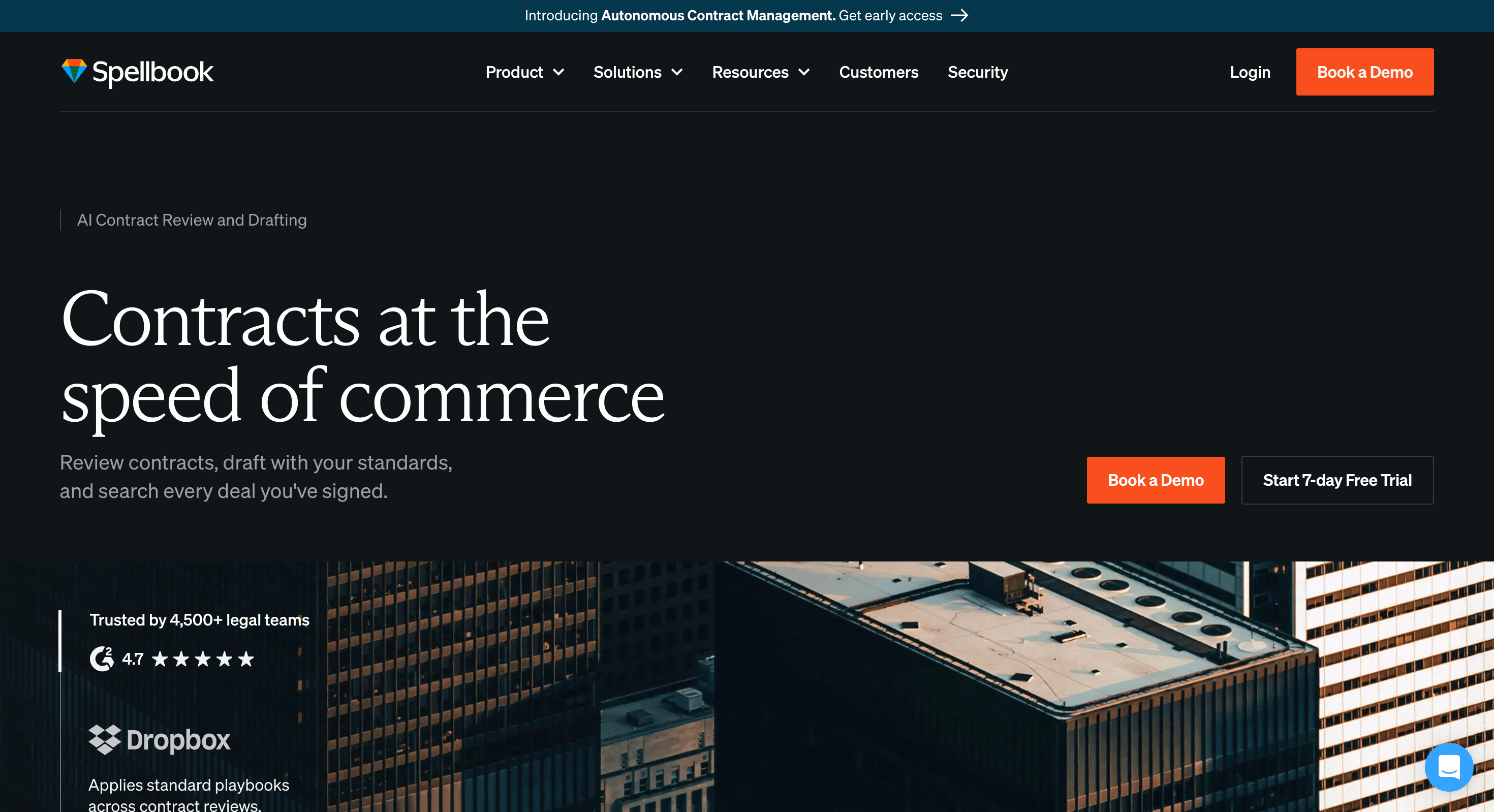
Drafting and reviewing contracts is where AI saves lawyers the most time, and Spellbook is built for exactly that — suggesting clauses, flagging risky language, and speeding up the back-and-forth that consumes legal hours. It works alongside a lawyer's judgement rather than replacing it, which is the right model for anything legally binding. If contract drafting and review is your bottleneck, Spellbook is the first tool to try.
Best for managing and automating contracts: Concord, Legitt AI and LEGALFLY
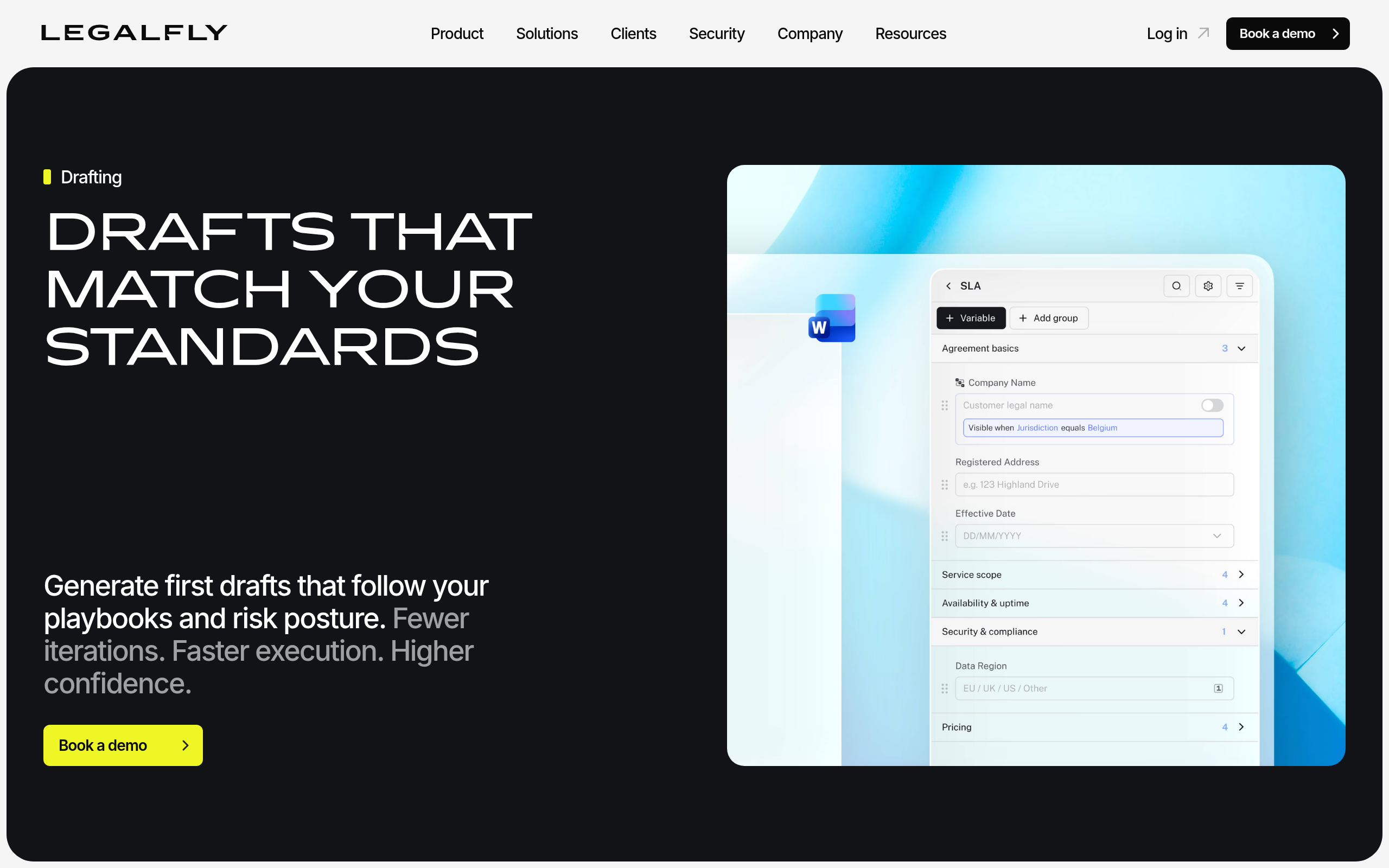
Once contracts exist, the work shifts to managing them. Concord handles contract management — storing, tracking and keeping contracts organised so nothing slips through renewal or obligation dates. Legitt AI covers the wider contract lifecycle, from creation through signature to ongoing management. And LEGALFLY automates the production of legal documents, cutting the repetitive drafting that doesn't need a human every time. For teams drowning in contract admin, these tools turn a manual process into a managed one.
Best for compliance and document review: Centraleyes and Wisedocs
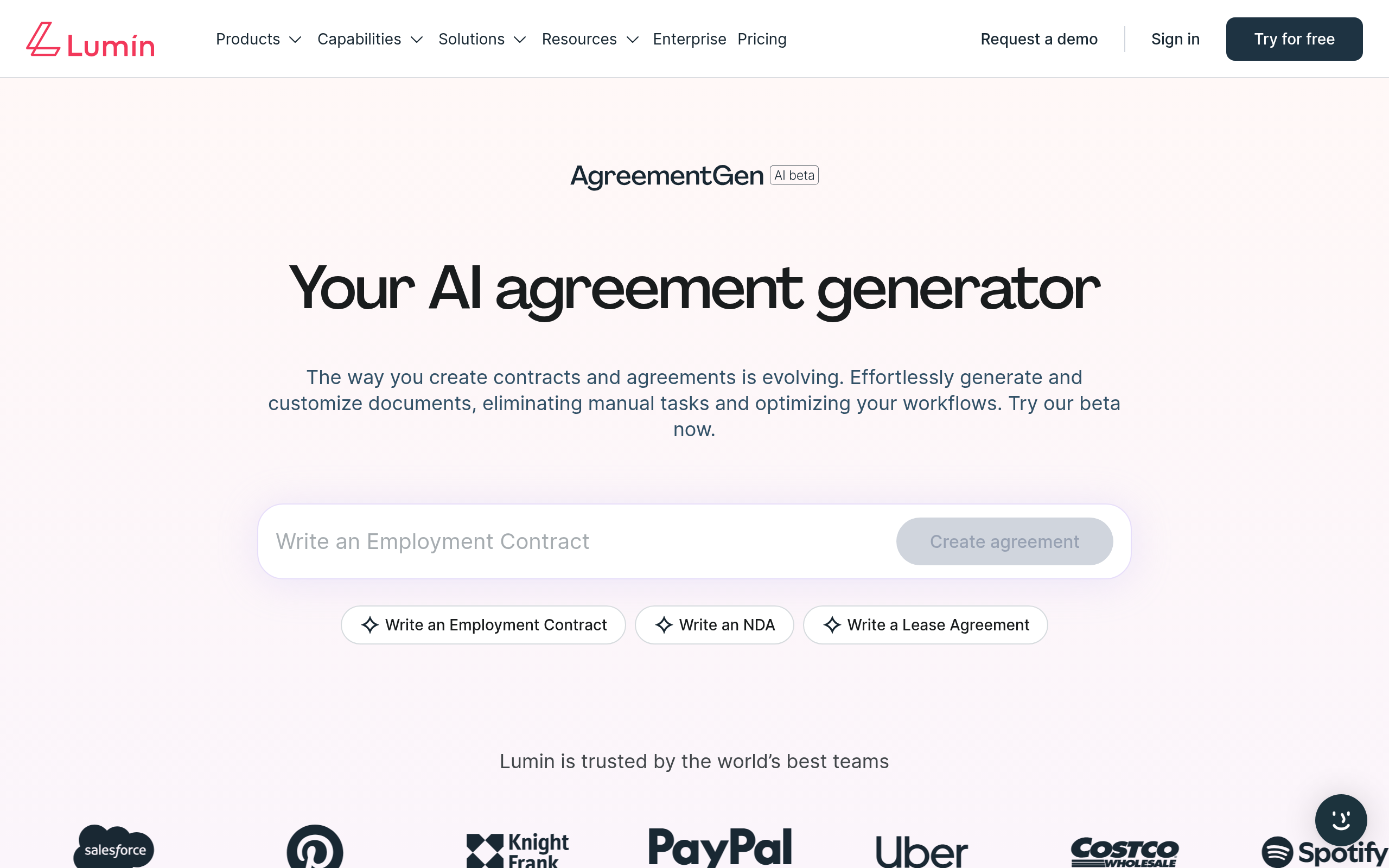
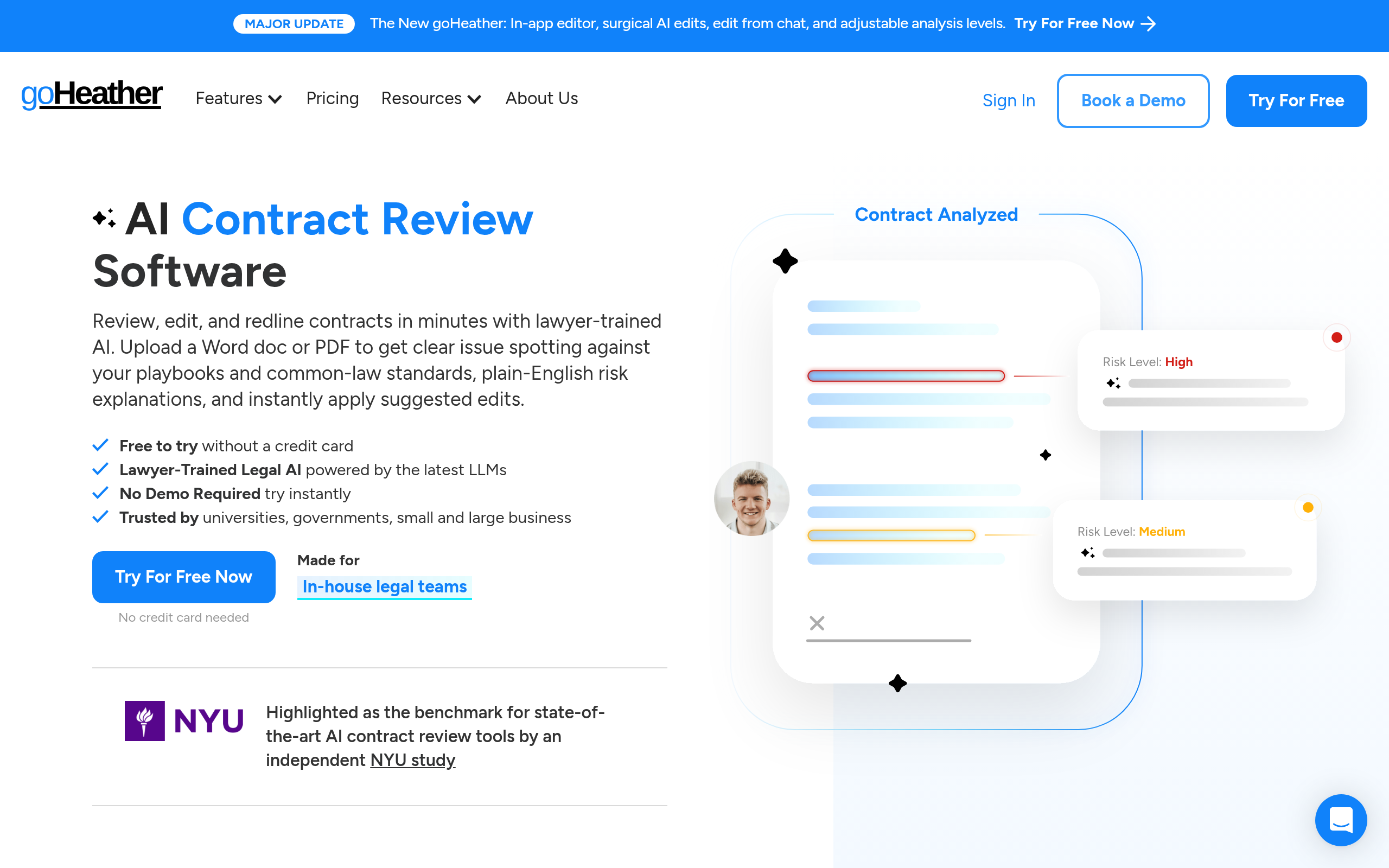
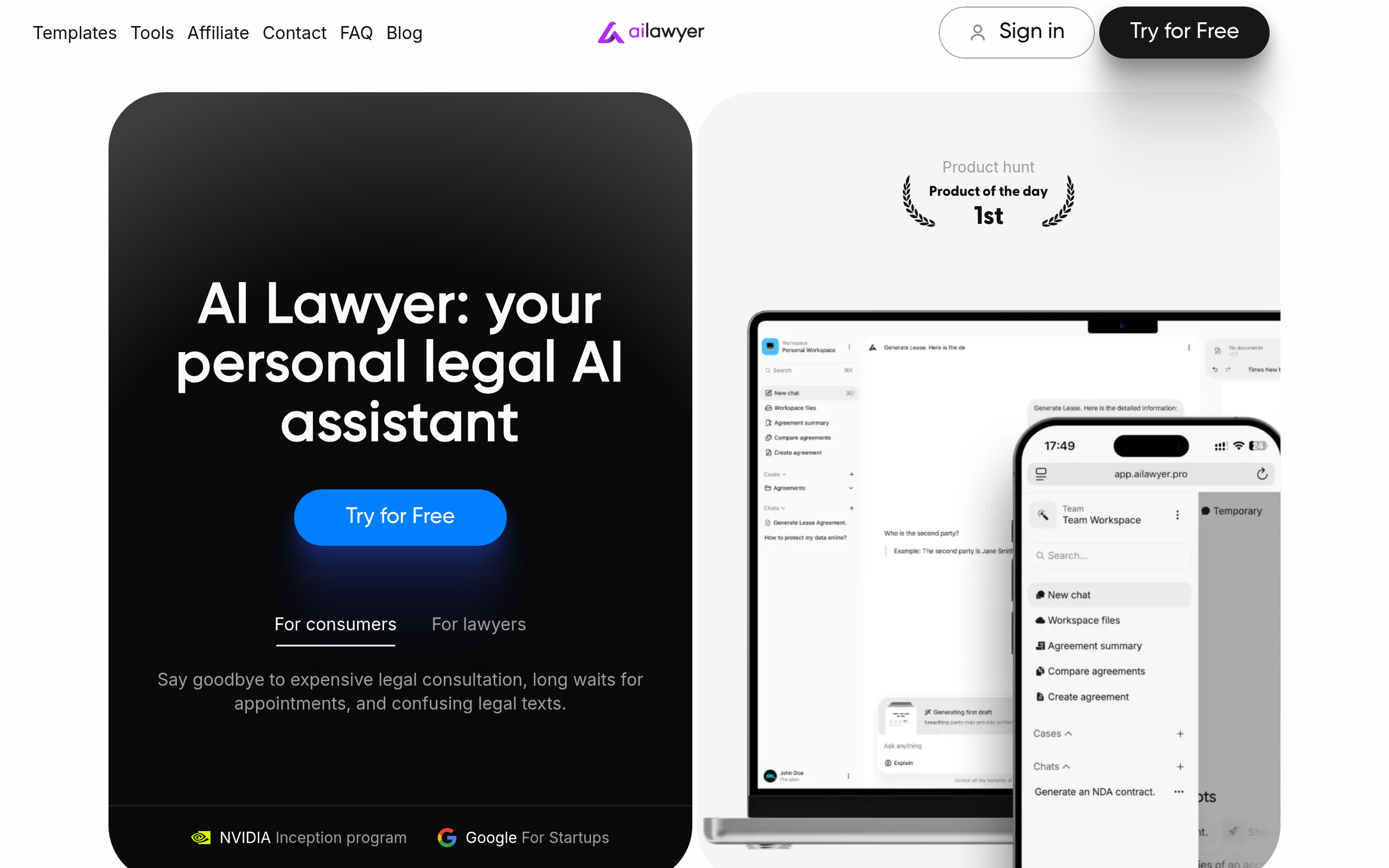
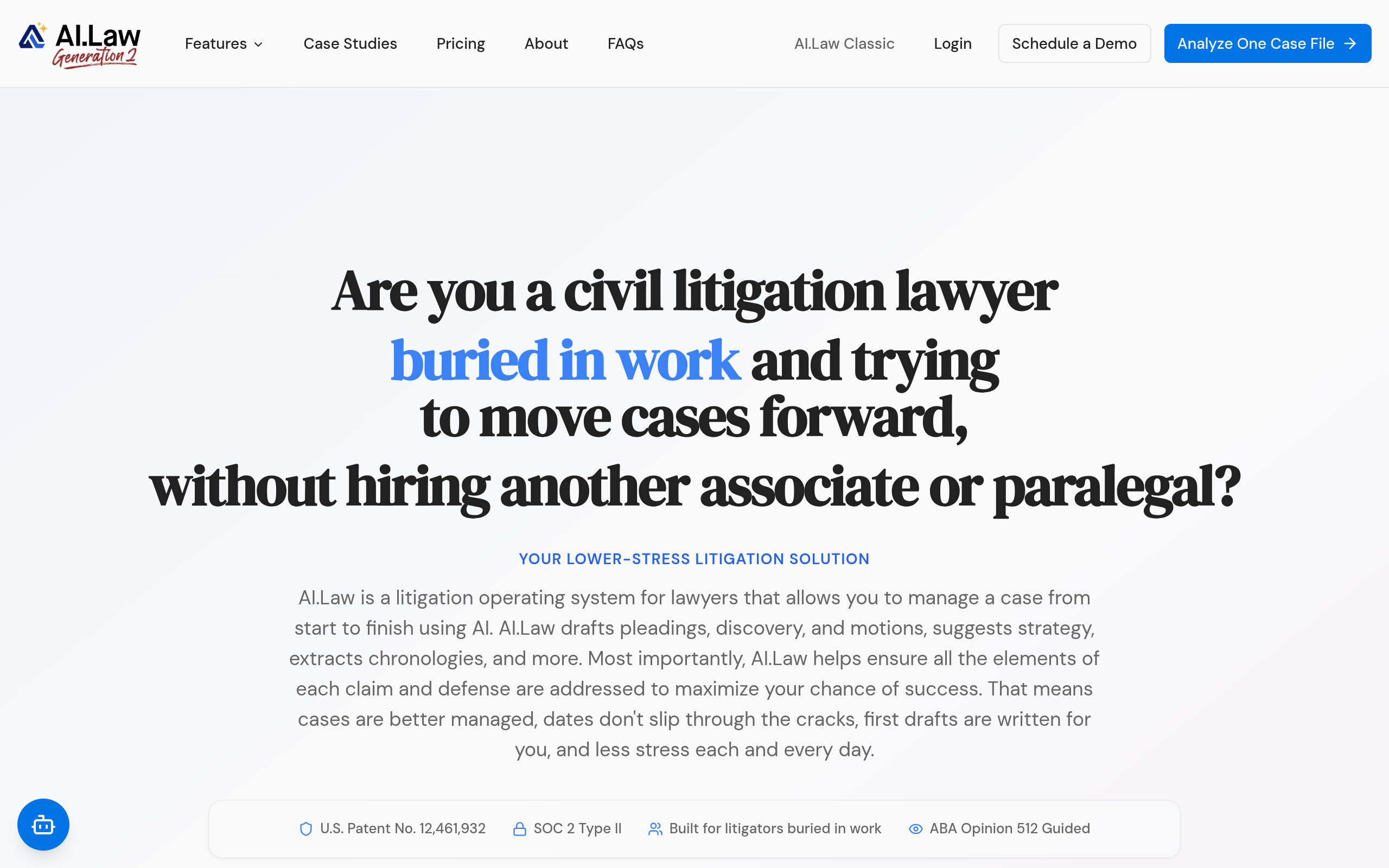
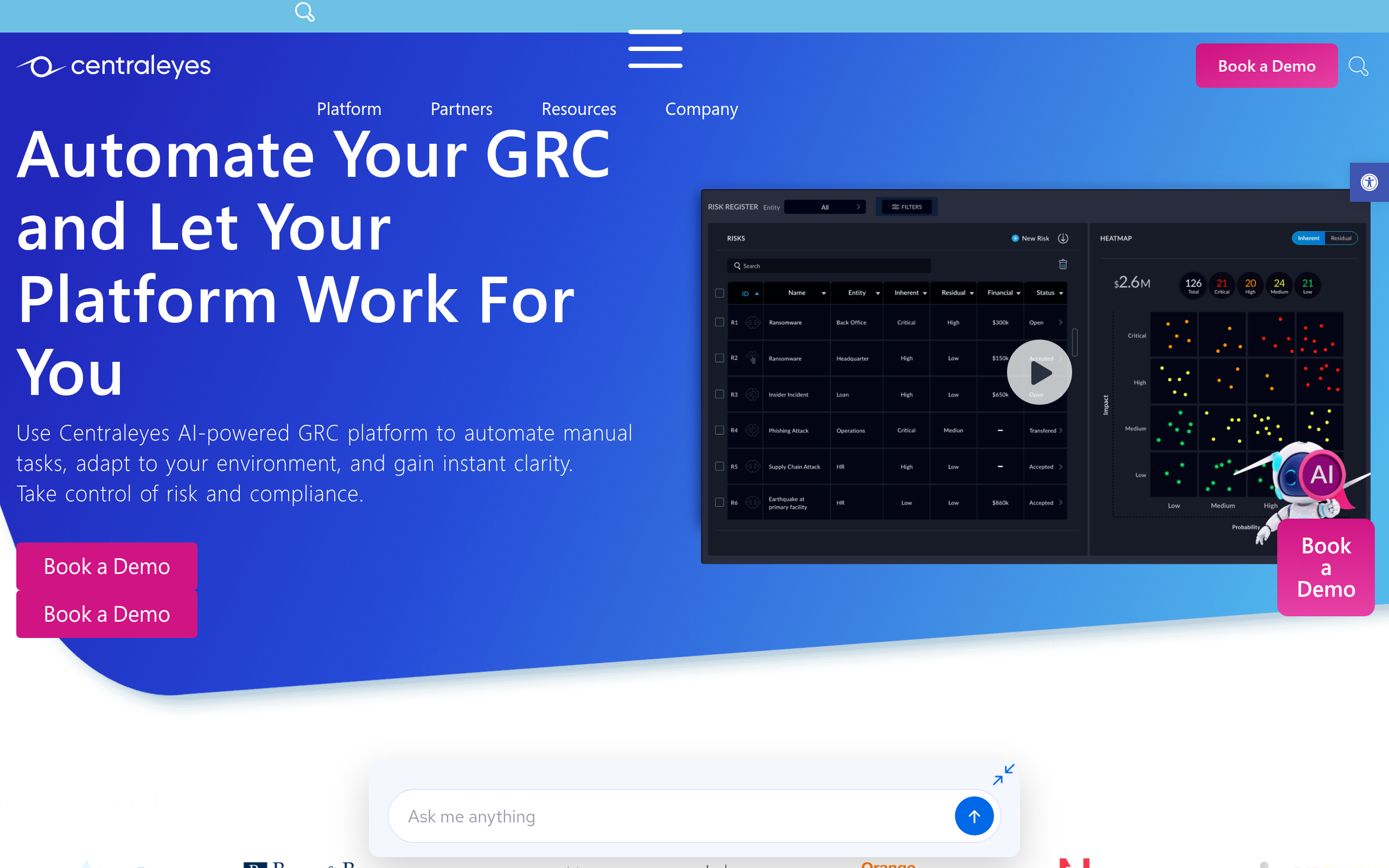
Compliance and large-scale review are their own challenges. Centraleyes focuses on compliance and risk management — tracking requirements and surfacing gaps before they become problems. Wisedocs speeds up document review, extracting and organising information from large document sets. For general legal questions, AI Lawyer and AI.Law offer assistant-style help, and LuminPDF and goHeather support document handling and legal operations — useful as supporting tools rather than the core of a serious legal workflow.
How to choose, and an important caveat
Name the job first: drafting and review (Spellbook), management (Concord), lifecycle (Legitt AI), automation (LEGALFLY), compliance (Centraleyes), or review at volume (Wisedocs). Matching the tool to the job avoids paying for a suite when you need one function. Whatever you choose, treat AI output as a starting point that a qualified professional checks — these tools accelerate legal work, they don't carry legal responsibility.
Comparee recommendation
- Drafting / review? → Spellbook.
- Contract management? → Concord, or Legitt AI for the full lifecycle.
- Document automation? → LEGALFLY.
- Compliance? → Centraleyes. Document review? → Wisedocs.
Choose by the legal job in front of you. Compare the options in the top legal tools and the legal & compliance category on Comparee.
Common mistakes with AI legal tools
The most serious mistake is treating AI output as final legal work. Spellbook and LEGALFLY draft and automate fast, but a clause that reads well can still be wrong for your jurisdiction or your situation — a qualified professional must review anything binding. The second mistake is using a general assistant like AI Lawyer or AI.Law for specialised work it isn't built for; match the tool to the job (drafting, management, compliance, review) instead of expecting one to do everything. The third is ignoring confidentiality — legal documents are sensitive, so check each tool's data handling before uploading client or contract data.
How to adopt AI legal tools safely
Start with one well-defined, lower-risk task — first-draft contract review with Spellbook, or organising contracts in Concord — rather than your most sensitive matter. Keep a professional in the loop on every output, and use the AI to remove the repetitive grind (first drafts, finding clauses, tracking renewals) so the lawyer spends time on judgement. For compliance, Centraleyes helps you track requirements continuously instead of scrambling at audit time, and Wisedocs speeds review of large document sets. Most offer trials, so test on non-critical work first. Used this way, AI legal tools are a genuine force multiplier — provided the responsibility stays with a human who can be accountable for the result.
The wider point is that AI is changing legal work from the inside, not by replacing lawyers but by removing the repetitive drafting, tracking and review that used to eat their hours. The firms and teams that benefit most aren't the ones that hand everything to AI — they're the ones that let AI handle the pattern-heavy grind while keeping qualified professionals firmly in charge of judgement and accountability. Used that way, tools like Spellbook, Concord and Centraleyes make legal work faster and more consistent without compromising the responsibility that legal work demands.
Start with one lower-risk task, keep a qualified professional reviewing every output, and expand only as each tool earns your trust on real work — that staged approach is how legal teams adopt AI without ever putting accuracy or accountability at risk.
The technology will keep improving, but the principle won't change: AI supports the work, a qualified professional owns the outcome, and the value comes from pairing the two rather than choosing between them.
The bottom line
The best AI legal tool depends on the job: Spellbook for drafting and review, Concord and Legitt AI for management and lifecycle, LEGALFLY for automation, Centraleyes for compliance, and Wisedocs for document review. Used well, they save real hours — but they support legal professionals, they don't replace them.
Legal disclaimer: AI legal tools can support and speed up legal workflows, but they do not constitute legal advice and do not replace a qualified lawyer. Always have important legal documents and decisions reviewed by a licensed professional.
Tools mentioned in this guide

Pricing, features and model availability can change over time. Always verify current details on each tool's official website before deciding.
Frequently Asked Questions
What is the best AI legal tool in 2026?
What is the best AI legal tool in 2026?
What is the best AI tool for contract review?
What is the best AI tool for contract review?
Can AI replace a lawyer?
Can AI replace a lawyer?
What is the best AI tool for compliance?
What is the best AI tool for compliance?
Are AI legal tools safe to use?
Are AI legal tools safe to use?
Don't just pick a tool — get the whole workflow
Tell Comparee your goal and get a complete step-by-step AI workflow with the right tool for every step.