AI for Legal: Contracts, Compliance & Workflows (2026 Guide)
AI for legal in 2026 — how AI helps with contracts, review and compliance, where human lawyers remain essential, and the best tools (Concord, Legitt AI).
Key takeaways
- AI helps legal work by drafting, reviewing, managing and analysing contracts and documents — faster and more consistently than by hand.
- The biggest wins are contract lifecycle management and first-pass review of large document volumes.
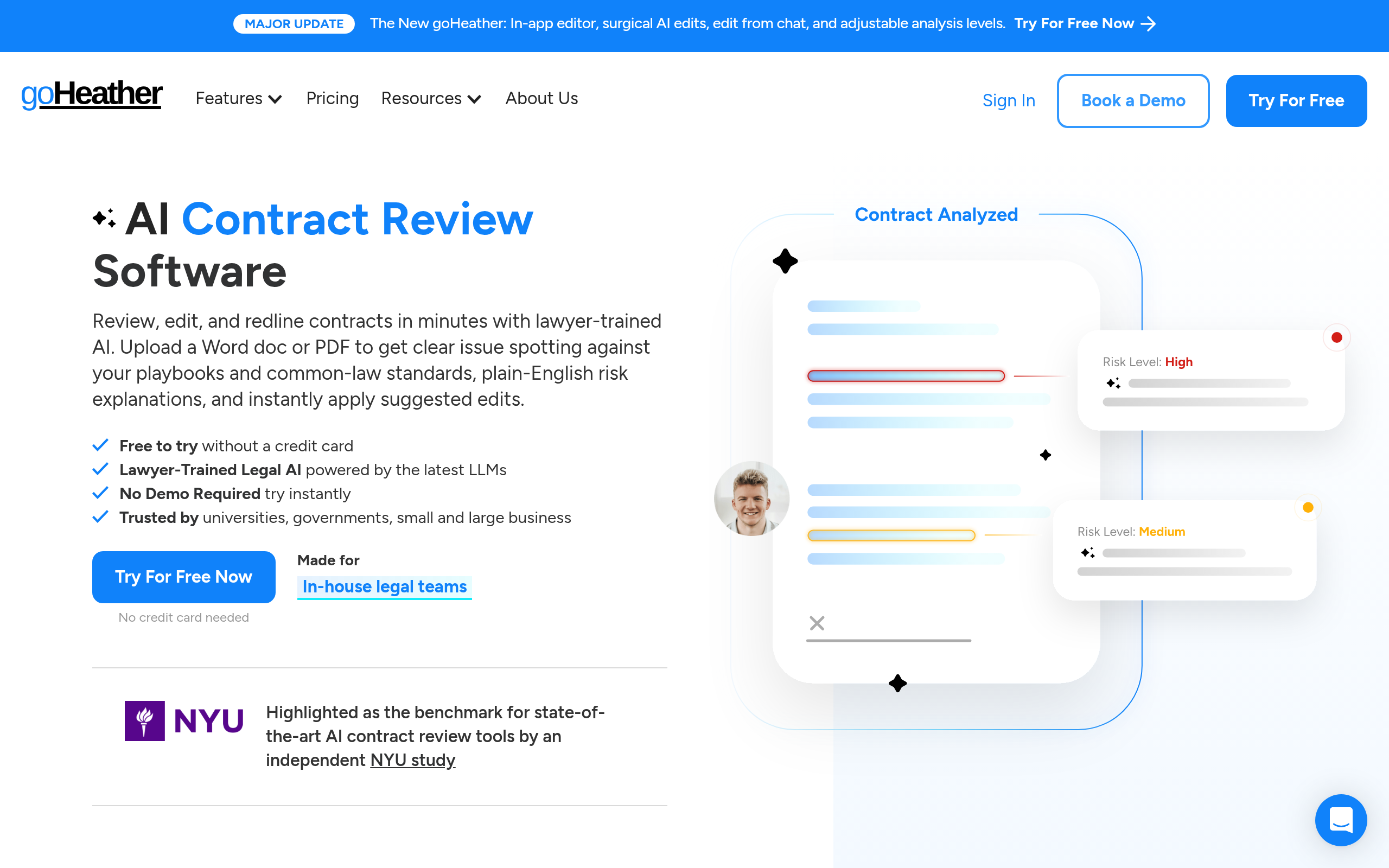
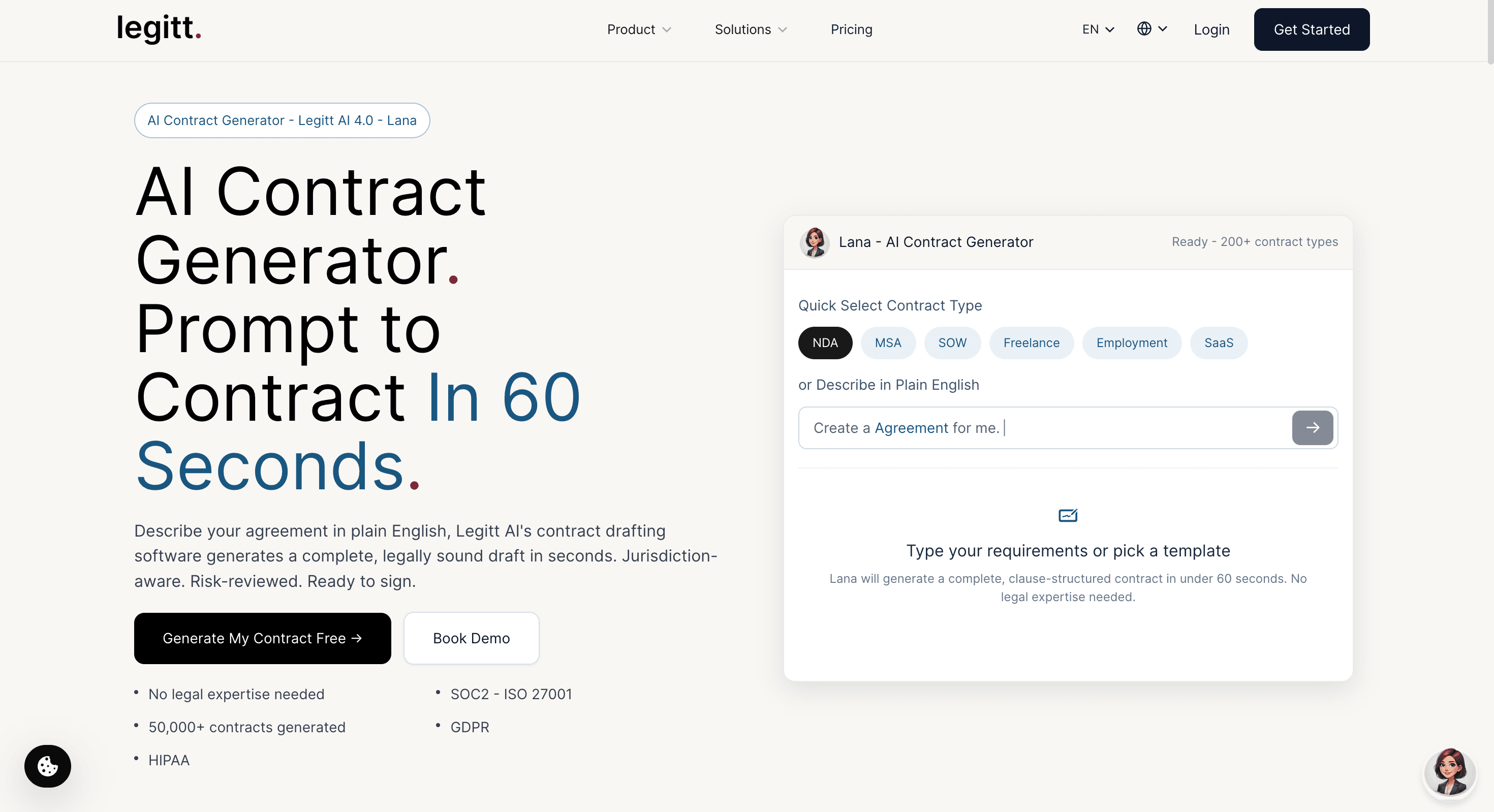
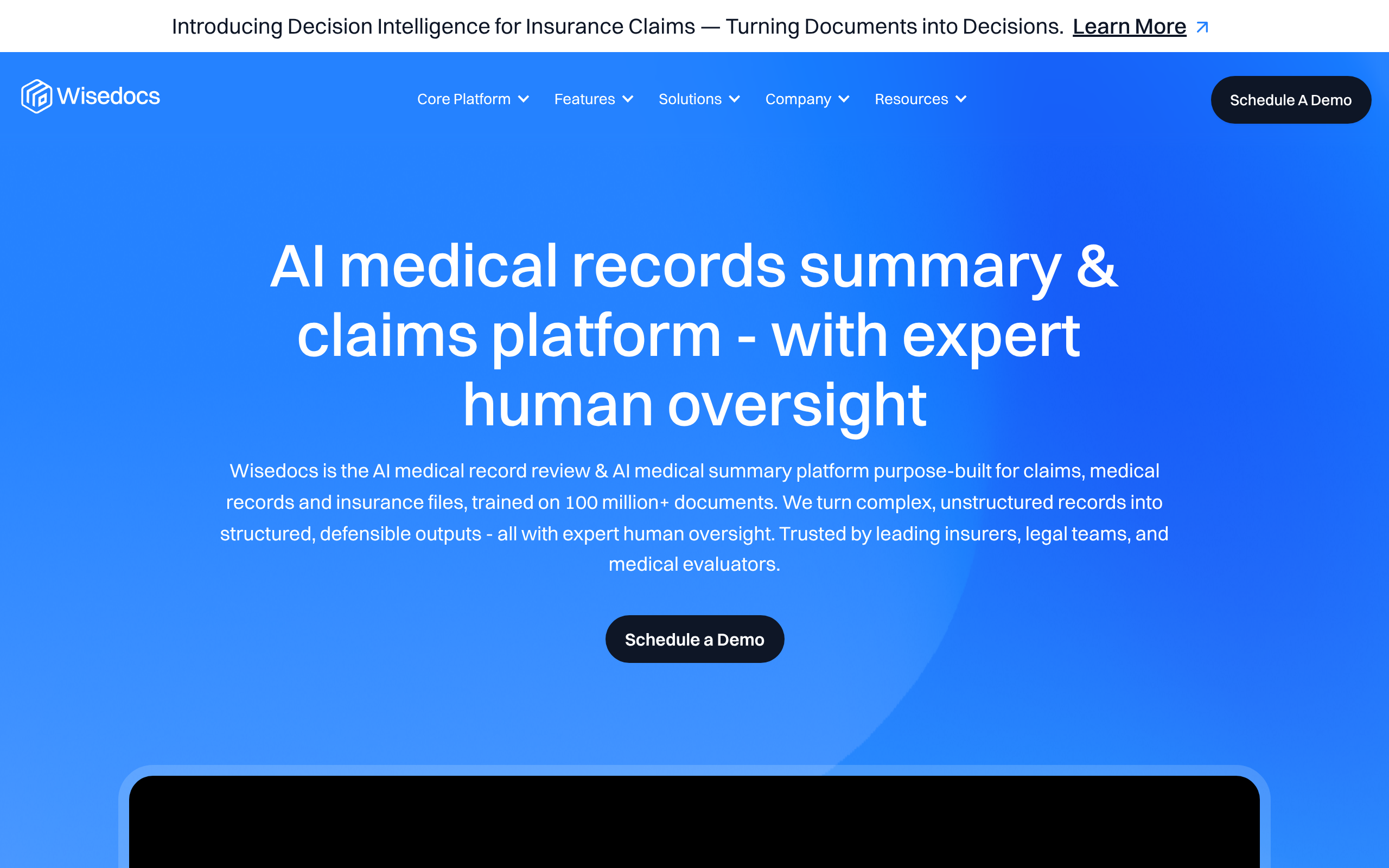
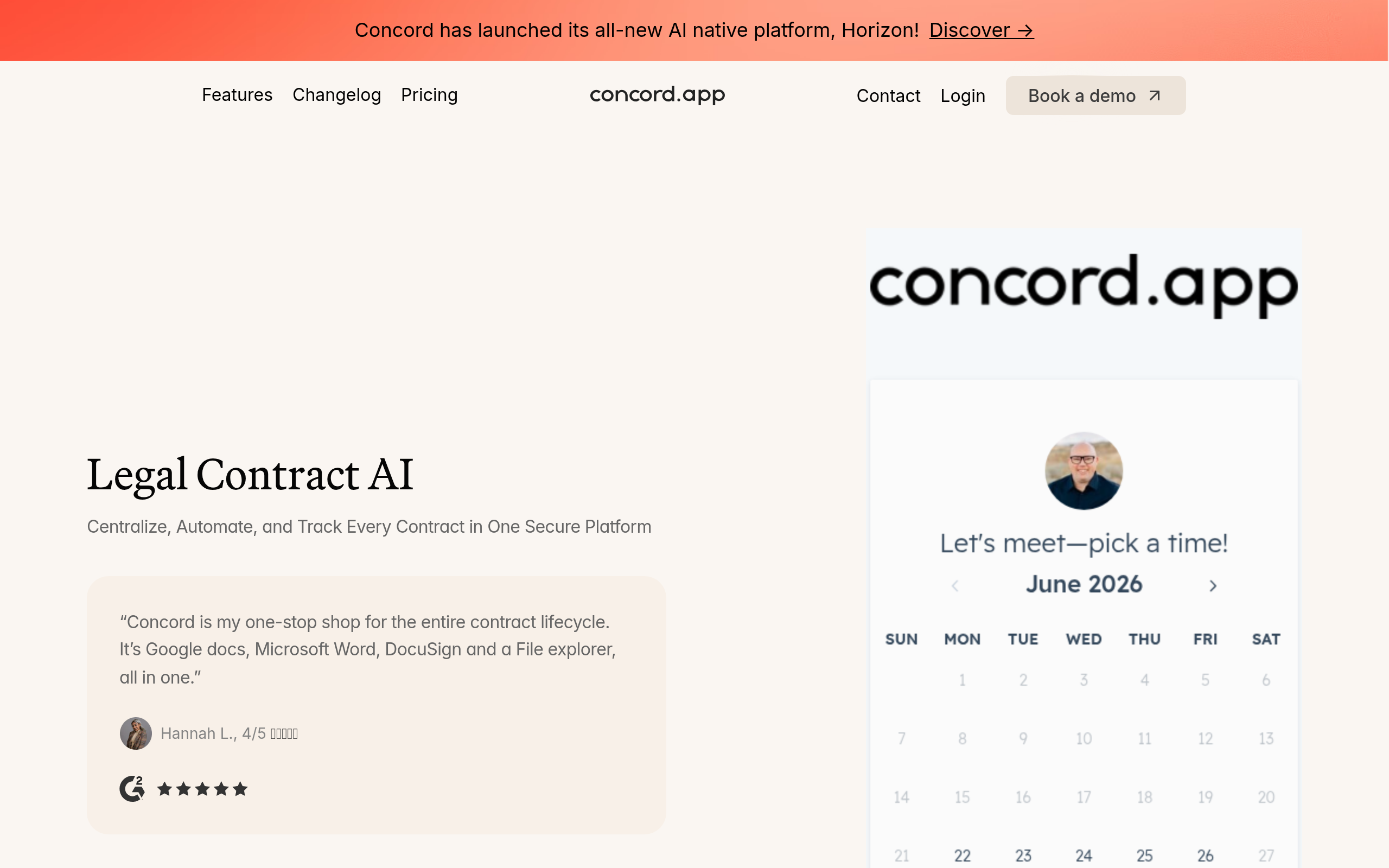
- Best tools: Concord for full contract lifecycle, Legitt AI for AI-assisted contracts, goHeather for accessible business contracts, Wisedocs for document review.
- AI assists legal work; it does not replace a qualified lawyer's judgement or accountability.
- For anything high-stakes, a human lawyer must review — AI can be confidently wrong.
AI helps legal work by drafting, reviewing, managing and analysing contracts and documents far faster and more consistently than manual work — but it assists qualified professionals rather than replacing the legal judgement and accountability a lawyer provides. Legal teams and businesses handle enormous volumes of documents, much of it repetitive, and AI is genuinely transforming the speed at which that work can be done. The crucial caveat: law carries real consequences, AI can be confidently wrong, and a qualified human must review anything high-stakes. This guide covers where AI helps in legal, the cautions, and the best tools in 2026.
Where AI helps in legal work
AI is most valuable across a few well-defined legal tasks. Contract lifecycle management — drafting, negotiating, signing, storing and tracking contracts in one place, with AI speeding each step. Contract review — first-pass analysis that flags risky clauses, missing terms, and deviations from standards across large volumes far faster than manual review. Drafting — generating first drafts of standard agreements and clauses. Document analysis — extracting and summarising information from large document sets, useful in due diligence and discovery. And compliance — helping monitor and manage obligations. The pattern is consistent: AI handles the high-volume, repetitive analysis, freeing legal professionals for the judgement, negotiation and advice that require expertise.
Best AI legal tools in 2026
| Need | Best tool |
|---|---|
| Full contract lifecycle management | Concord |
| AI-assisted contracts | Legitt AI |
| Accessible business contracts | goHeather |
| Document review & analysis | Wisedocs |
For managing the whole contract lifecycle — drafting, negotiation, signing, storage and tracking — Concord is a comprehensive platform. For AI woven into contract creation, management and signing, Legitt AI takes an AI-forward approach. For straightforward, accessible business contracts without enterprise complexity, goHeather. And for AI-assisted document review and analysis, Wisedocs. Compare more in our DocuSign alternatives, PandaDoc alternatives and Ironclad alternatives guides and the legal & compliance category.
How to use AI in legal work (step by step)
- Identify the repetitive, high-volume tasks — contract review, standard drafting, document analysis — these are your AI targets.
- Choose the right tool for the job (lifecycle management, review, or drafting) using the table above.
- Use AI for the first pass — let it draft, flag and summarise to save hours.
- Always have a qualified human review — AI output is a starting point, not legal advice.
- Verify the legal validity of e-signatures and processes for your jurisdiction.
- Mind confidentiality — legal documents are sensitive; check how each tool handles data.
The cautions you cannot ignore
Law is exactly the domain where AI's confident errors are most dangerous. AI can misread a clause, miss a critical term, or state an incorrect legal position — all while sounding authoritative. So three rules are non-negotiable. First, a qualified human must review anything that matters; AI assists, it does not provide legal advice or bear accountability. Second, confidentiality — legal documents are highly sensitive, so understand how each tool stores and processes data. Third, jurisdiction — legal validity, including for e-signatures, varies by region, so confirm any tool meets your requirements. Used as an assistant under professional oversight, AI is a powerful legal productivity tool; used as a substitute for a lawyer, it is a liability.
Why legal is a high-value, high-caution AI use case
Legal work has an unusual profile for AI: enormous volumes of dense, repetitive document analysis, paired with consequences for error that are among the highest of any field. That combination is exactly why AI is both so valuable and so risky here. On the value side, first-pass contract review, document analysis and standard drafting are precisely the high-volume, pattern-heavy tasks AI accelerates dramatically — work that used to consume billable hours can be compressed substantially. On the caution side, a missed clause or a misstated legal position is not a minor inconvenience; it can carry real financial and legal consequences. This is why the responsible framing is non-negotiable: AI is a powerful assistant that does the heavy lifting of volume, under the oversight of a qualified professional who provides the judgement and bears the accountability. The teams getting it right are not replacing lawyers with AI; they are making their lawyers dramatically more efficient.
Building an AI-assisted legal workflow safely
A safe AI legal workflow keeps the human firmly in the loop at every consequential point. Use AI for the first pass — drafting standard agreements, flagging risky or missing clauses, summarising large document sets — to save hours of manual effort. But treat its output as a starting point that a qualified professional reviews before anything is relied upon, signed, or sent. Pay particular attention to confidentiality, because legal documents are among the most sensitive data an organisation handles, so understand exactly how each tool stores and processes information. And verify jurisdiction-specific requirements, including the legal validity of any e-signatures, since these vary by region. Structured this way, the workflow captures most of AI's speed benefits while protecting against its failure modes — the human catches the confident errors, maintains confidentiality, and ensures the work meets the legal standards that matter. That balance is what makes AI in legal a genuine asset rather than a hidden liability.
Where AI legal tools deliver the most value
The clearest returns from AI in legal come from the high-volume, repetitive tasks that consume disproportionate time: first-pass contract review across many agreements, extracting and summarising information from large document sets during due diligence, and drafting standard clauses and agreements from templates. These are exactly the tasks where speed and consistency matter and where a well-supervised AI can compress hours of work into minutes. The value is not in replacing legal judgement but in clearing the repetitive volume so that judgement can be applied where it counts — on the genuinely novel, high-stakes, or contentious matters that require a human expert. For legal teams and businesses alike, that reallocation of effort, from grinding through documents to focusing on what actually requires a lawyer, is where AI pays off most.
The bottom line
AI is transforming the speed of legal work — drafting, reviewing, managing and analysing contracts and documents at a pace manual work cannot match. Use Concord for full contract lifecycle management, Legitt AI for AI-assisted contracts, goHeather for accessible business contracts, and Wisedocs for document review. But keep the fundamentals: AI is an assistant, not a lawyer — have a qualified human review anything high-stakes, protect confidentiality, and verify jurisdiction. Used that way, AI gives legal teams real leverage without compromising the judgement that the work demands.
Disclaimer: This is general information, not legal advice. AI legal tools assist qualified professionals but can be confidently wrong; always have a human lawyer review high-stakes work, protect confidentiality, and confirm legal validity for your jurisdiction.
Tools mentioned in this guide
Pricing, features and model availability can change over time. Always verify current details on each tool's official website before deciding.
Frequently Asked Questions
How is AI used in legal work?
How is AI used in legal work?
What are the best AI legal tools?
What are the best AI legal tools?
Can AI replace a lawyer?
Can AI replace a lawyer?
Is it safe to use AI for contracts?
Is it safe to use AI for contracts?
What is contract lifecycle management?
What is contract lifecycle management?
Does AI legal software handle e-signatures legally?
Does AI legal software handle e-signatures legally?
Don't just pick a tool — get the whole workflow
Tell Comparee your goal and get a complete step-by-step AI workflow with the right tool for every step.