AI Tools for Students: The Complete Guide for 2026
AI tools for students in 2026 — studying, note-taking, lecture transcription and writing help, plus a strong academic-integrity caveat and the best tools to use
Key takeaways
- AI tools for students help you study smarter — capturing lecture notes, transcribing classes, organising material, and getting writing help to learn faster.
- AI is a study aid, not a substitute for learning — used right, it helps you understand more, not avoid the work.
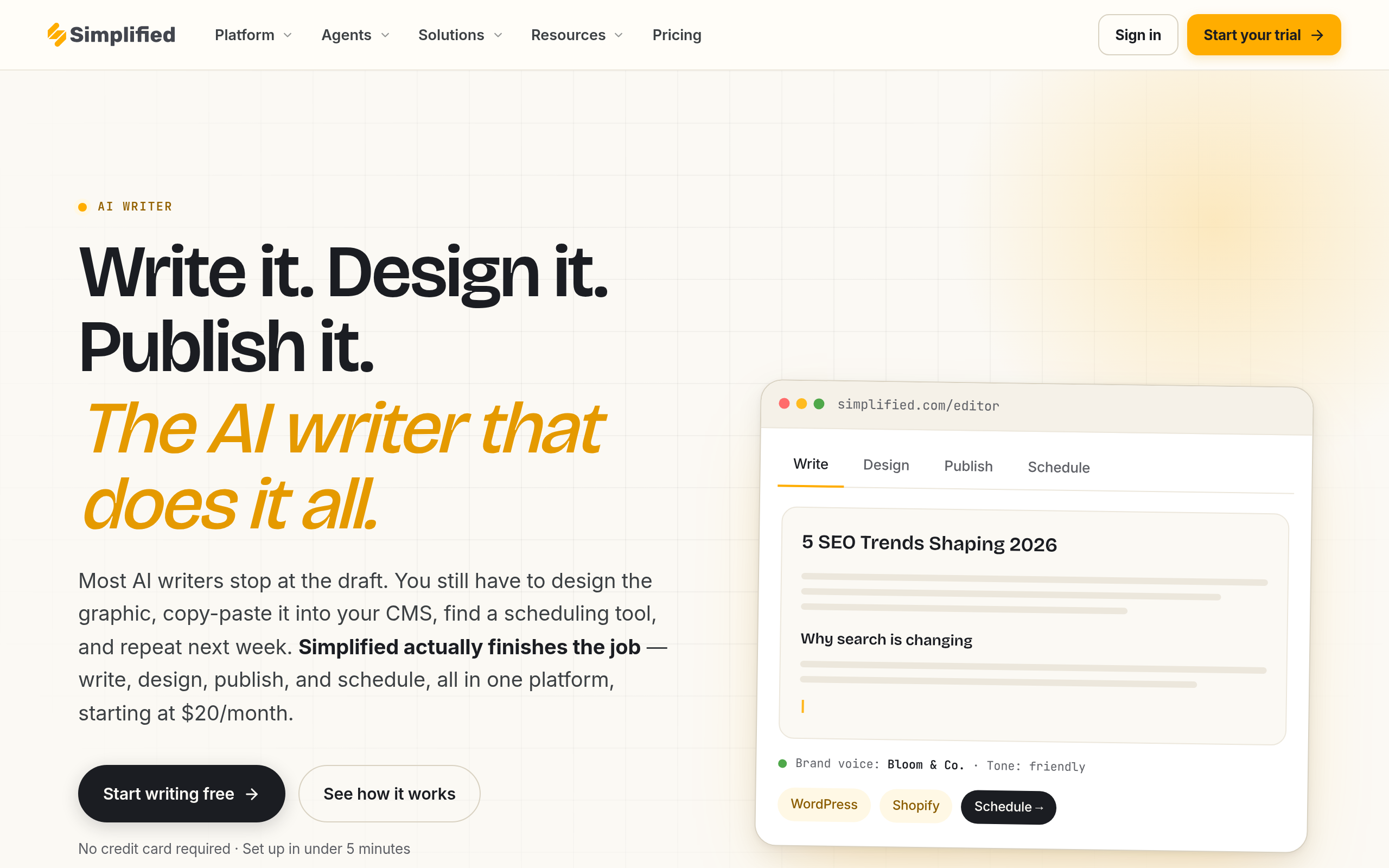
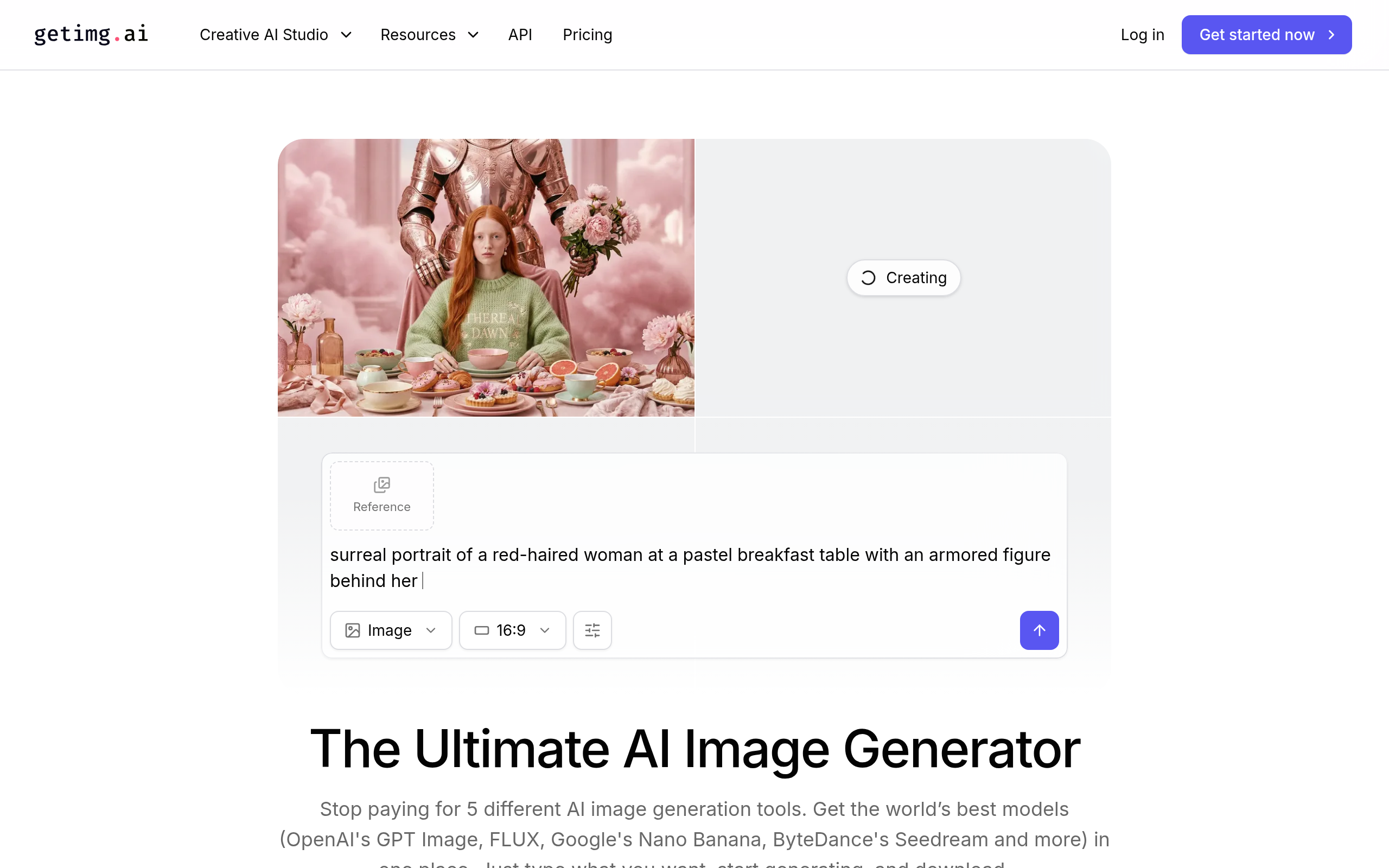
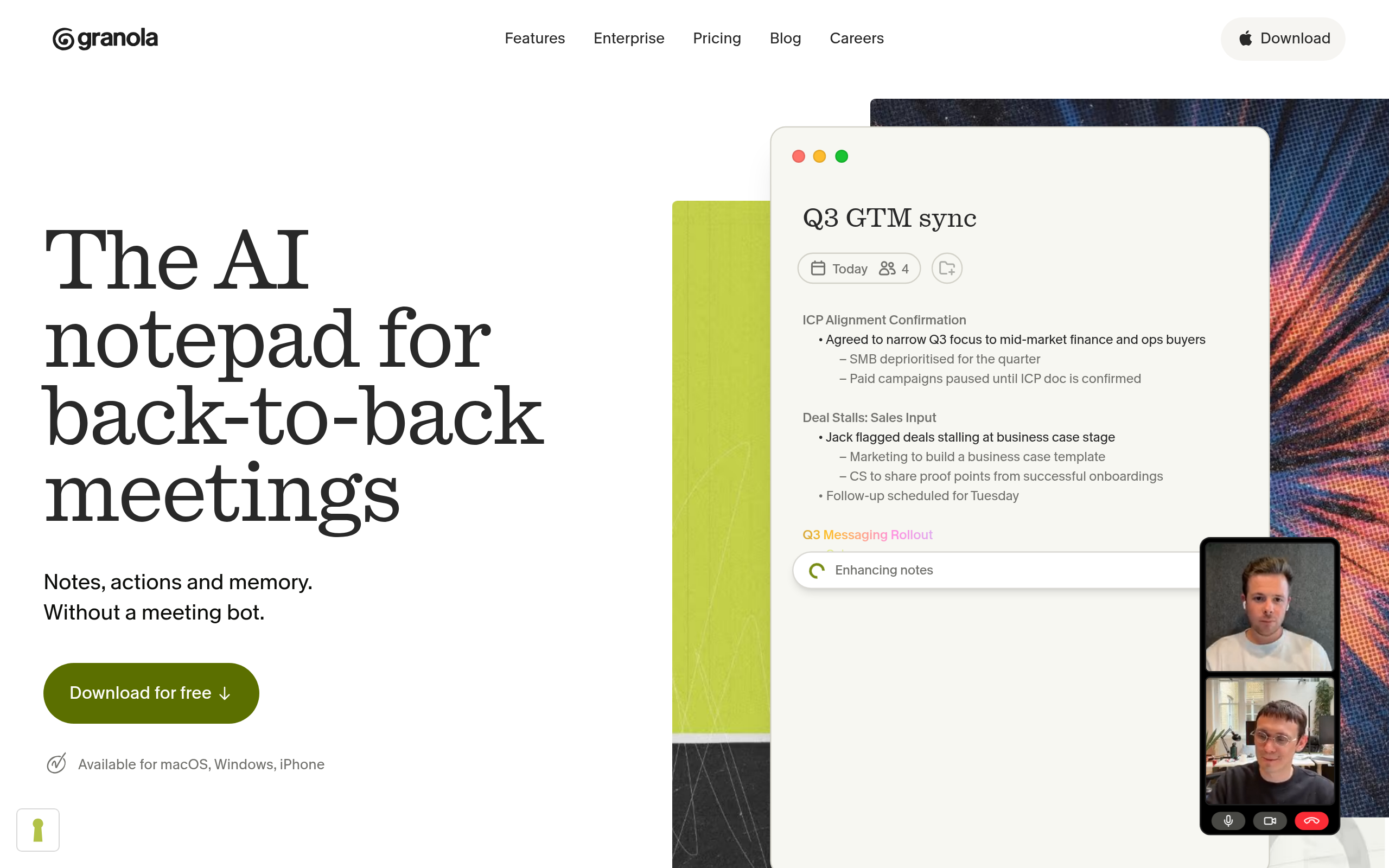
- Best tools: Simplified AI Writer for writing help, MeetGeek for transcribing lectures, Granola for class notes, getimg.ai for study visuals and project images.
- Academic integrity is the line you must not cross — use AI to learn and draft, never to submit AI work as your own or cheat.
- Use AI to learn more deeply and work more efficiently, but keep your own understanding and your own work genuinely yours.
AI tools for students help you study more effectively — capturing and organising lecture notes, transcribing classes so nothing is missed, summarising dense material, and helping you draft and improve your writing — so you spend less time on mechanical busywork and more on actually understanding what you are learning. Studying is full of friction: missing things in fast lectures, drowning in disorganised notes, struggling to start an essay, and spending hours on tasks that do not actually deepen understanding. AI now helps with all of it. But there is one line that must never be crossed — academic integrity — and the whole point of using these tools well is to learn more, not to avoid learning. This guide covers what AI can do for students, where it genuinely helps, the integrity rules you must respect, and the best tools in 2026.
What are AI tools for students?
AI tools for students are applications that use AI to support studying and learning — without doing the learning for you. They cluster around a few jobs. Note-taking tools capture and organise class notes so your material is structured and findable instead of scattered. Transcription tools turn lectures into accurate text you can search, review and study from, so you never lose a key point because you were busy writing. Writing help tools assist with drafting, structuring and improving essays and assignments — as a coach and editor, not a ghostwriter. And image tools generate diagrams, study visuals and graphics for projects and presentations. The defining principle is that these tools are aids to your learning, not replacements for it. They remove the mechanical friction — the frantic note-scribbling, the disorganisation, the blank-page paralysis — so your effort goes into genuinely understanding the material, which is the entire point of studying.
Where AI genuinely helps students
The value shows up across the whole study cycle. Capturing lectures — transcribing a class so you can focus on listening and understanding rather than frantically copying down every word, then review the full text later. Organising notes — keeping your material structured and searchable instead of buried in messy notebooks and files. Understanding material — using AI to summarise dense readings or explain a concept in different words when a textbook is unclear, which can be a genuine learning aid. Writing better — getting help structuring an essay, catching weak arguments, and improving your own drafts. And creating visuals — generating diagrams and graphics for projects. The common thread is that AI handles the friction and the mechanics, so your time and mental energy go toward the part that actually matters: building real understanding of your subject.
Best AI tools for students in 2026
| Need | Best tool |
|---|---|
| Writing & essay help | Simplified AI Writer |
| Transcribing lectures | MeetGeek |
| Class notes | Granola |
| Study visuals & project images | getimg.ai |
For writing and essay help — structuring your argument, improving your own drafts, catching weak points — Simplified AI Writer acts as a coach and editor, not a ghostwriter. For transcribing lectures so you can listen instead of scribble, MeetGeek turns classes into searchable text and summaries. For class notes that blend your own input with AI structure, Granola keeps your material organised and findable. And for study visuals and project images — diagrams, graphics for presentations — getimg.ai generates them quickly. To go deeper, see our guides to AI note-taking and knowledge management and AI transcription.
How to use AI to study smarter (step by step)
- Transcribe your lectures with MeetGeek so you can focus on understanding in class and review the full text later.
- Organise your notes in Granola so your material is structured and searchable, not scattered.
- Use AI to understand, not skip — have it summarise readings or re-explain hard concepts, then make sure you genuinely get it.
- Get writing help honestly — use Simplified AI Writer to structure and improve your own drafts, not to write essays for you.
- Create study visuals with getimg.ai for diagrams and project graphics.
- Stay within the rules — know and follow your school's academic-integrity policy on AI before you submit anything.
The academic-integrity caveat (read this carefully)
This is the most important section in this guide, and it is non-negotiable: use AI to learn, never to cheat. The line is simple to state. Using AI to transcribe a lecture, organise your notes, explain a confusing concept, or help you improve your own essay draft is a legitimate study aid — it helps you learn more. Using AI to write an essay you then submit as your own work, to generate answers you do not understand, or to complete an assignment in a way your institution forbids is academic dishonesty, and it carries serious consequences: failing grades, disciplinary action, even expulsion. Beyond the rules, it defeats the entire purpose — you go to school to learn, and outsourcing the thinking to AI means you do not. Most schools and universities now have explicit policies on AI use, and many use detection tools, so the practical risk is real as well as the principled one. The honest, effective approach is to treat AI as a tutor and an editor: let it help you understand and improve your own work, but make sure the understanding and the work are genuinely yours. That is how AI makes you a better student rather than a dishonest one.
Building real understanding, not dependence
There is a subtler risk beyond outright cheating, and every student should be aware of it: over-reliance. It is easy to let AI summarise everything, explain everything and draft everything to the point where you stop doing the cognitive work that actually builds knowledge and skill. Reading a summary is not the same as reading and grappling with the source; accepting an AI explanation is not the same as working a problem through yourself; editing an AI draft is not the same as constructing an argument from scratch. The mechanical struggle that AI removes — the note-taking, the disorganisation, the blank page — is genuinely worth removing. But the intellectual struggle of understanding a hard concept or building an argument is the struggle that creates learning, and outsourcing it leaves you with less knowledge and weaker skills, even if your grades hold up for a while. The students who benefit most use AI to clear away the friction and then deliberately do the thinking themselves: read the summary, then engage the source; get the explanation, then test whether you can reproduce it; use AI to improve a draft you actually wrote. Used this way, AI accelerates real learning; used as a crutch, it quietly erodes it. The difference is entirely in how you choose to use it.
Why AI is changing how students learn
For generations, a large share of student effort went into mechanical tasks that did not directly build understanding — frantically copying lectures, organising and re-copying notes, fighting the blank page before an essay. AI is stripping that friction away, and that is genuinely good: it lets students put their limited time and energy into the part that matters, which is understanding the material. A student can now capture a lecture perfectly while actually listening, keep notes organised effortlessly, get a hard concept re-explained on demand, and receive coaching on their writing — all of which can deepen learning when used honestly. The promise of AI for students is not easier cheating; it is more effective studying. The students who thrive are the ones who use these tools to learn more deeply and work more efficiently while keeping their understanding and their submitted work genuinely their own. The technology removes the busywork and supports the learning, but the learning itself — and the integrity of doing your own work — remains, and must remain, the student's own.
The bottom line
AI tools for students help you study smarter — transcribing lectures, organising notes, explaining hard material and coaching your writing — so your effort goes into real understanding instead of mechanical busywork. Use Simplified AI Writer for writing help, MeetGeek for transcribing lectures, Granola for class notes, and getimg.ai for study visuals. But the line is non-negotiable: use AI to learn, never to cheat. Get help understanding and improving your own work, follow your school's academic-integrity policy, and do the real thinking yourself — and AI makes you a better, more efficient student without compromising your learning or your integrity.
Disclaimer: AI study tools are aids to learning, not substitutes for it. Submitting AI-generated work as your own is academic dishonesty with serious consequences. Always follow your school or university's academic-integrity policy on AI, use AI to understand and improve your own work, and keep your learning and submissions genuinely yours.
Tools mentioned in this guide
Pricing, features and model availability can change over time. Always verify current details on each tool's official website before deciding.
Frequently Asked Questions
What are AI tools for students?
What are AI tools for students?
What are the best AI tools for students?
What are the best AI tools for students?
Is it cheating to use AI for schoolwork?
Is it cheating to use AI for schoolwork?
How can students use AI without cheating?
How can students use AI without cheating?
Can AI help me study for exams?
Can AI help me study for exams?
Will I become too dependent on AI for studying?
Will I become too dependent on AI for studying?
Don't just pick a tool — get the whole workflow
Tell Comparee your goal and get a complete step-by-step AI workflow with the right tool for every step.