AI Note-Taking & Knowledge Management: The Complete Guide for 2026
AI note-taking and knowledge management in 2026 — capture notes from meetings and ideas, build a searchable second brain, and the best tools (Granola, Fathom).
Key takeaways
- AI note-taking captures and organises notes automatically — from meetings, calls and ideas — so nothing important gets lost.
- Beyond capture, AI turns scattered notes into a searchable second brain you can actually retrieve and use.
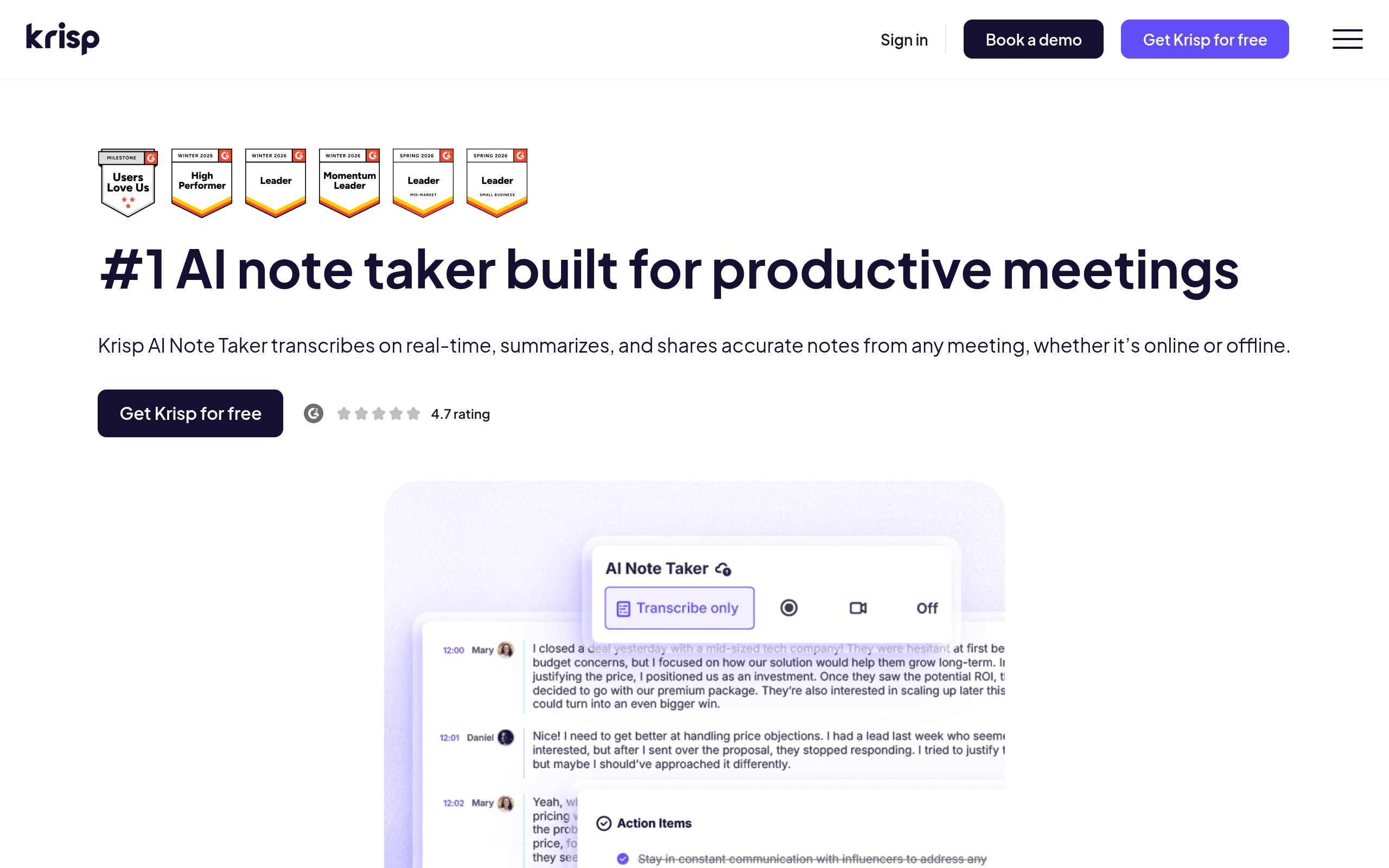
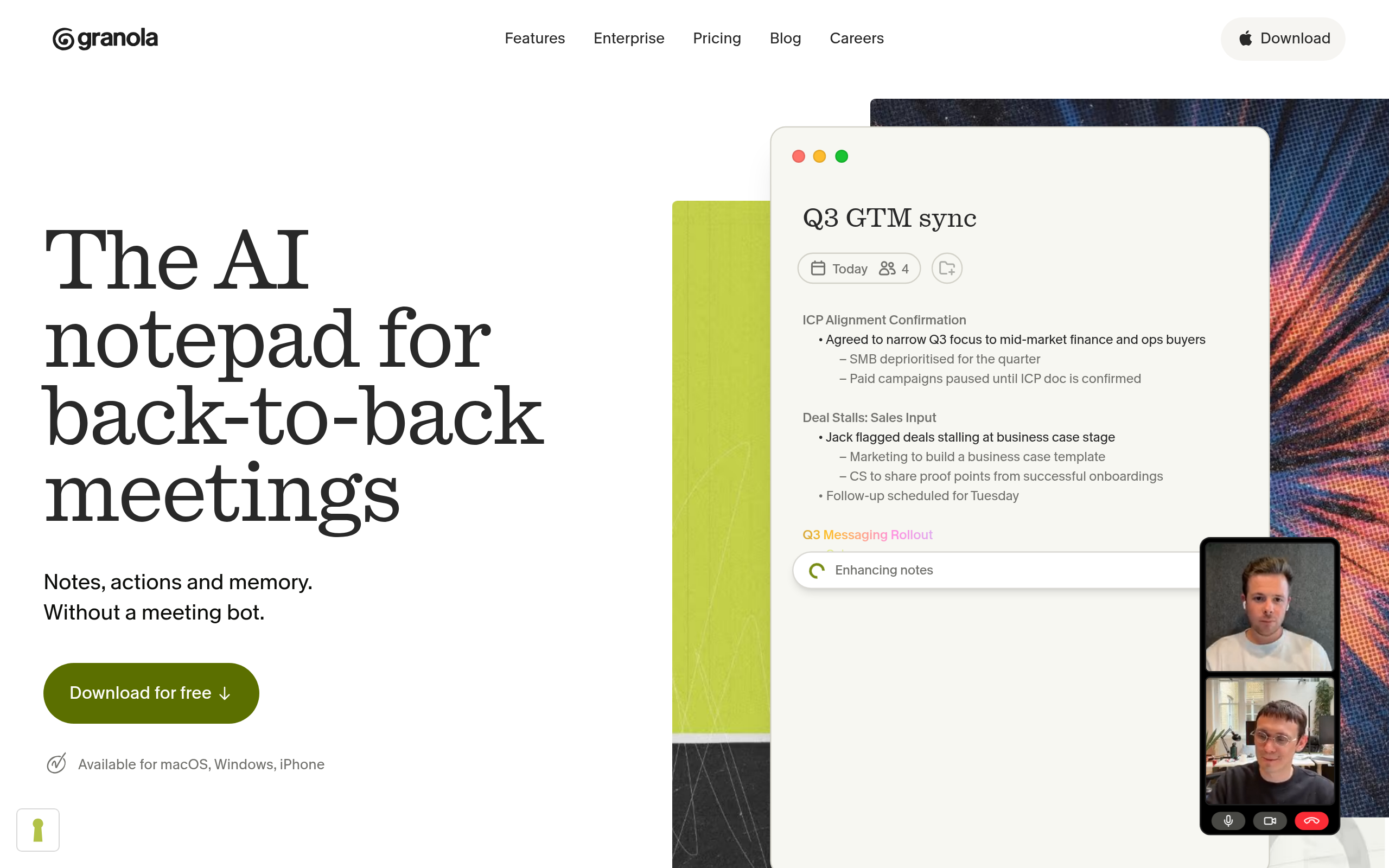
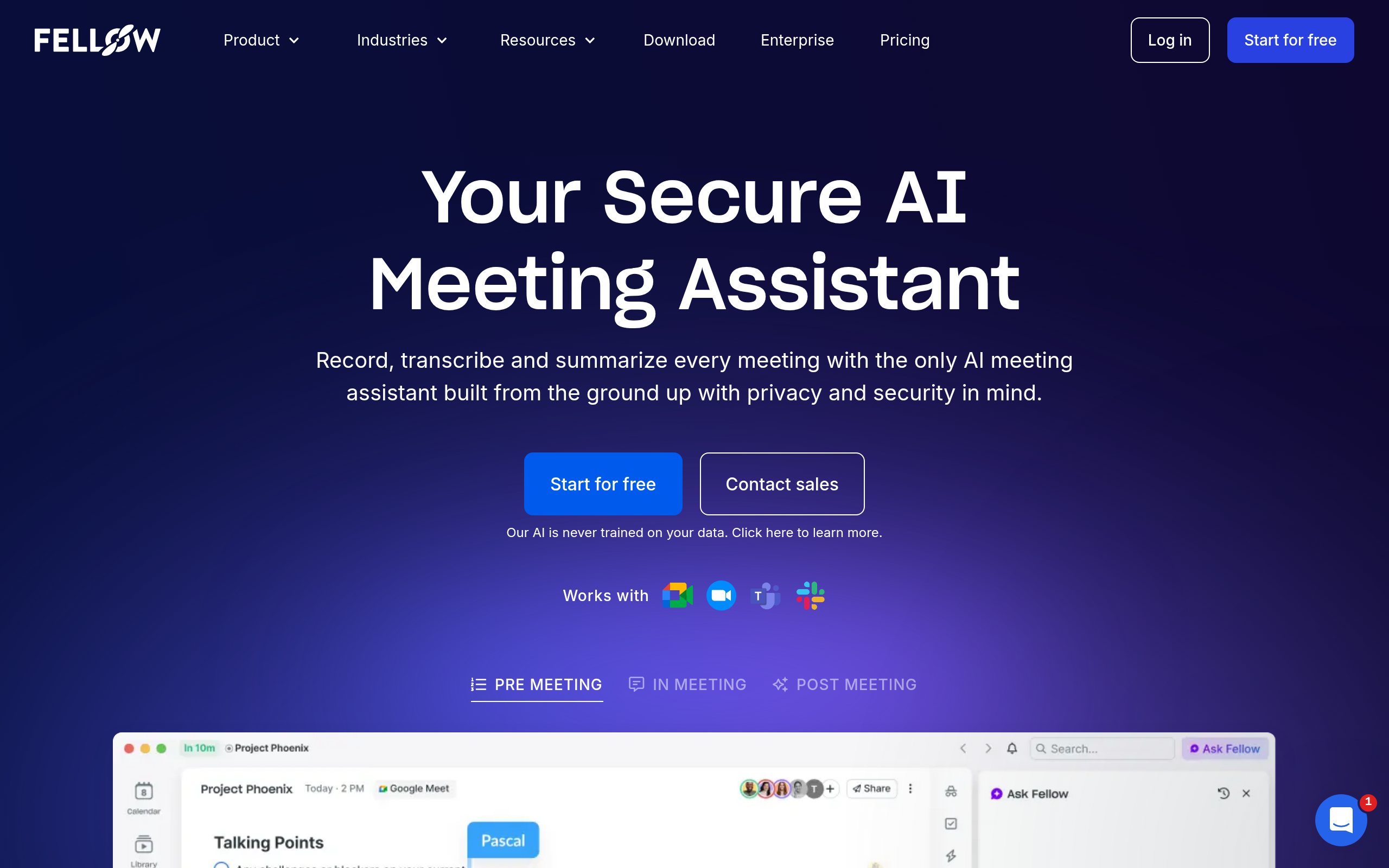
- Best tools: Fellow.ai for a searchable team meeting archive with access controls, Granola for AI-enhanced meeting notes, Fathom AI Notetaker and MeetGeek for recording and summarising calls, Krisp AI Note Taker for notes plus noise-free audio.
- The real win is not just taking notes — it is making your accumulated knowledge findable and reusable later.
- Capture is automated; review and organisation still benefit from a light human touch.
AI note-taking and knowledge management uses AI to capture notes automatically — from meetings, calls and your own ideas — and then organise them into a searchable, reusable knowledge base, so the information you gather is never lost and is easy to find when you need it. Most people are decent at producing notes and terrible at retrieving them: notes pile up in scattered apps, meetings happen with no record, and hard-won knowledge evaporates. AI fixes both ends of that problem — it removes the friction of capturing, and it makes what you capture findable. This guide covers what AI note-taking does, how to build a second brain, the best tools in 2026, and how to actually get value from your accumulated knowledge.
What is AI note-taking and knowledge management?
AI note-taking is the automatic capture and structuring of notes — most powerfully from meetings and calls, where AI joins, transcribes, and produces clean summaries and action items, but also from your own typed or spoken ideas. Knowledge management is the layer on top: organising all those notes, transcripts and ideas into a coherent, searchable system — often called a second brain — so the knowledge accumulates rather than scatters. The two together solve the full problem. Capture without organisation gives you a graveyard of notes you never revisit; organisation without easy capture is too much work to maintain. AI's contribution is to automate the capture so it happens effortlessly, and to make the resulting body of knowledge searchable so you can pull the right information back out exactly when you need it.
Building a searchable second brain
The phrase second brain captures the real goal: a personal or team knowledge base that holds everything you have learned, decided and discussed, and lets you retrieve it instantly. The barrier to this has always been effort — manually writing, tagging and organising notes is work most people abandon. AI removes that barrier. Meeting notes are captured and summarised automatically; transcripts are searchable by content, not just titles; and AI can answer questions across your accumulated notes rather than forcing you to remember where something was. The result is that your knowledge compounds: a decision made three months ago, a detail from a call last week, an idea you jotted down — all findable in seconds. That retrievability is what turns a pile of notes into a genuine asset, and it is the single biggest reason AI has transformed knowledge management from an aspiration into something that actually sticks.
Best AI note-taking and knowledge tools in 2026
| Need | Best tool |
|---|---|
| Searchable team meeting archive with AI chat | Fellow.ai |
| AI-enhanced meeting notes | Granola |
| Recording & summarising calls | Fathom AI Notetaker, MeetGeek |
| Notes plus noise-free audio | Krisp AI Note Taker |
For teams building a shared knowledge base out of meetings, Fellow.ai keeps recordings, transcripts and summaries in one secure library and lets you ask questions across past meetings with Ask Fellow, or from Claude through its MCP server, while retention policies and access controls decide who can see what. For AI-enhanced meeting notes that blend your own typing with AI structure, Granola is excellent — it augments the notes you take rather than replacing your input. For recording, transcribing and summarising calls with action items, Fathom AI Notetaker and MeetGeek both join your meetings and produce clean, searchable summaries. And Krisp AI Note Taker pairs note-taking with noise cancellation, so you get both clear audio and a usable record. Because so much of this knowledge originates in meetings, it pairs naturally with our guide to AI meeting assistants.
How to build your AI knowledge system (step by step)
- Automate meeting capture — add an AI notetaker like Fathom AI Notetaker or MeetGeek so every call is recorded and summarised.
- Capture your own notes in a tool like Granola that adds AI structure to what you write.
- Centralise everything so meeting notes, transcripts and ideas live in one searchable place.
- Make it searchable — rely on AI search across content, not manual folders, to retrieve later.
- Review and tidy lightly — a quick pass to correct summaries and tag key items keeps quality high.
- Use it actively — query your knowledge base before meetings and decisions so the system pays off.
Capture is automated, but a light human touch still helps
AI handles the heavy lifting of capture, but the systems that stay valuable get a small amount of human attention. AI summaries are strong but not perfect — they occasionally misattribute a point, miss nuance, or mistranscribe a name — so a quick review after important meetings keeps the record accurate. A little organisation also goes a long way: flagging the genuinely important notes, correcting a summary that matters, and confirming action items ensures the most valuable information is reliably findable later. This is far lighter than the old manual approach, where you wrote and organised everything yourself; here AI does ninety percent and you simply supervise the last ten. The payoff is a knowledge base you can actually trust, where a summary you pull up six months later is accurate and the key decisions are clearly marked. The discipline is minimal, but it is the difference between a knowledge system that genuinely serves you and one that quietly fills with unreliable noise.
Why knowledge management finally works with AI
Knowledge management has been a corporate aspiration for decades, and it almost always failed for the same reason: the effort required to capture and organise knowledge exceeded what busy people would sustain. Wikis went stale, shared drives became dumping grounds, and the knowledge that mattered lived only in people's heads — and walked out the door when they left. AI breaks this failure pattern at both ends. On capture, it removes the friction entirely: meetings are recorded and summarised automatically, with no one needing to remember to write things down. On retrieval, it replaces brittle folders and tagging with search that understands content, so you can ask a question and get an answer drawn from everything you have accumulated. This combination is why knowledge management has, for the first time, become something that works in practice rather than theory. The knowledge compounds because capturing it costs nothing, and it stays useful because finding it is effortless — solving the exact problem that doomed every previous attempt, and turning institutional and personal memory into a reliable, growing asset.
The bottom line
AI note-taking and knowledge management solves the two failures of every previous attempt: it makes capture effortless and retrieval instant, turning scattered notes into a searchable second brain that compounds over time. Use Granola for AI-enhanced meeting notes, Fathom AI Notetaker and MeetGeek for recording and summarising calls, and Krisp AI Note Taker for notes with noise-free audio. Automate the capture, centralise everything in one searchable place, give it a light human review, and actually query it before meetings and decisions — and you get a knowledge system that finally works the way knowledge management always promised to.
Disclaimer: AI note and meeting summaries are strong but not flawless — they can misattribute points, miss nuance or mistranscribe names. Review important summaries and confirm action items, and follow your organisation's consent and privacy rules when recording meetings.
Fellow.ai is a Comparee partner.
Disclosure: Fellow.ai is a paid placement on this page. Paid placements never change our verdicts or rankings.
Tools mentioned in this guide
Pricing, features and model availability can change over time. Always verify current details on each tool's official website before deciding.
Frequently Asked Questions
What is AI note-taking?
What is AI note-taking?
What is the best AI note-taking tool?
What is the best AI note-taking tool?
What is a second brain?
What is a second brain?
How is knowledge management different from note-taking?
How is knowledge management different from note-taking?
Why do AI knowledge systems still need a human touch?
Why do AI knowledge systems still need a human touch?
How do I build an AI knowledge system?
How do I build an AI knowledge system?
Don't just pick a tool — get the whole workflow
Tell Comparee your goal and get a complete step-by-step AI workflow with the right tool for every step.