AI Knowledge Base & Help Center: The Complete Guide for 2026
AI knowledge base and help center in 2026 — AI self-serve help, smart search and ticket deflection, plus the best tools and the accurate-content caveat.
Key takeaways
- An AI knowledge base and help center lets customers find their own answers instantly through smart search and AI chat — deflecting tickets and freeing your team for the hard cases.
- Self-serve is what most customers actually prefer: a fast, accurate answer beats waiting for an agent.
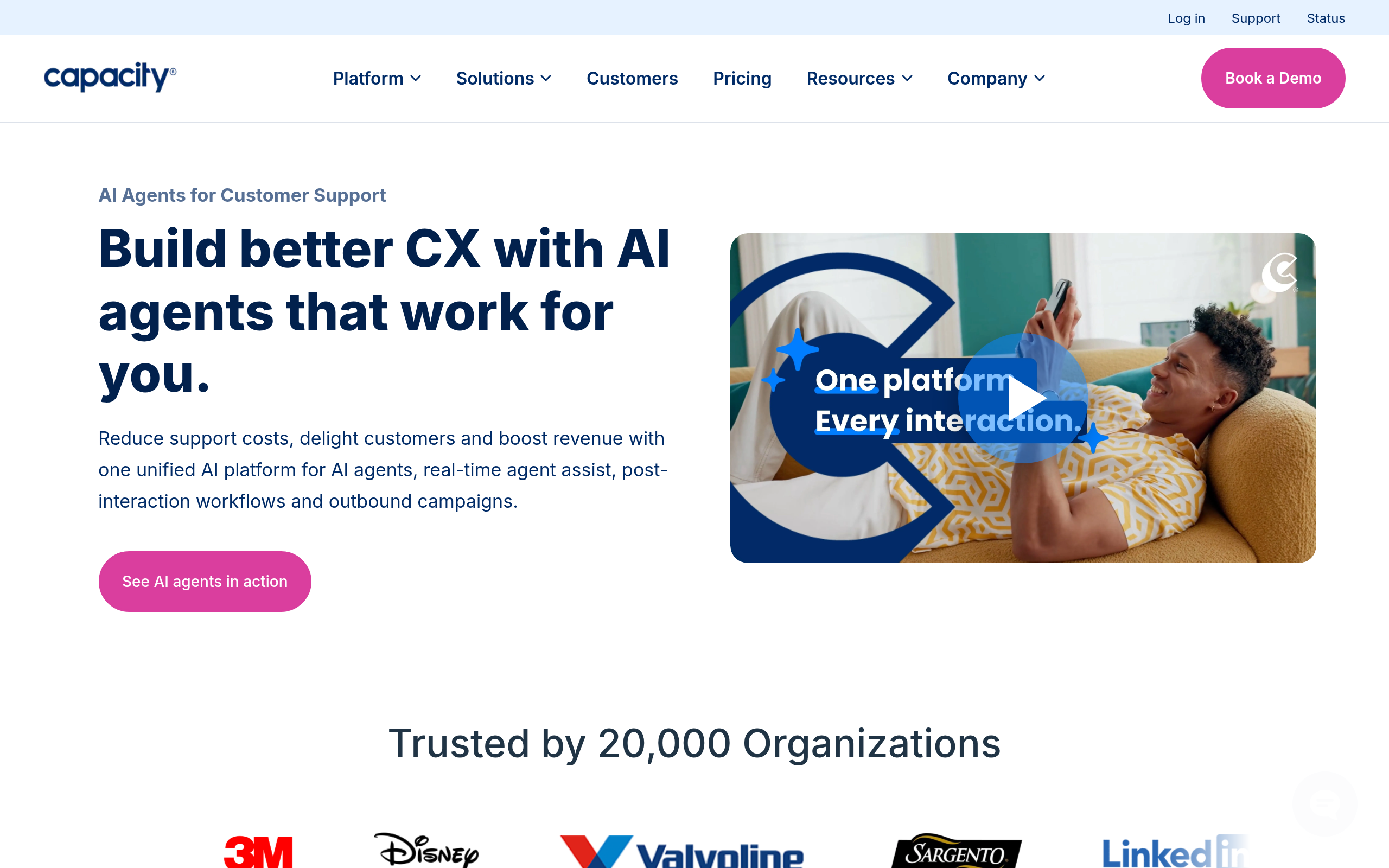
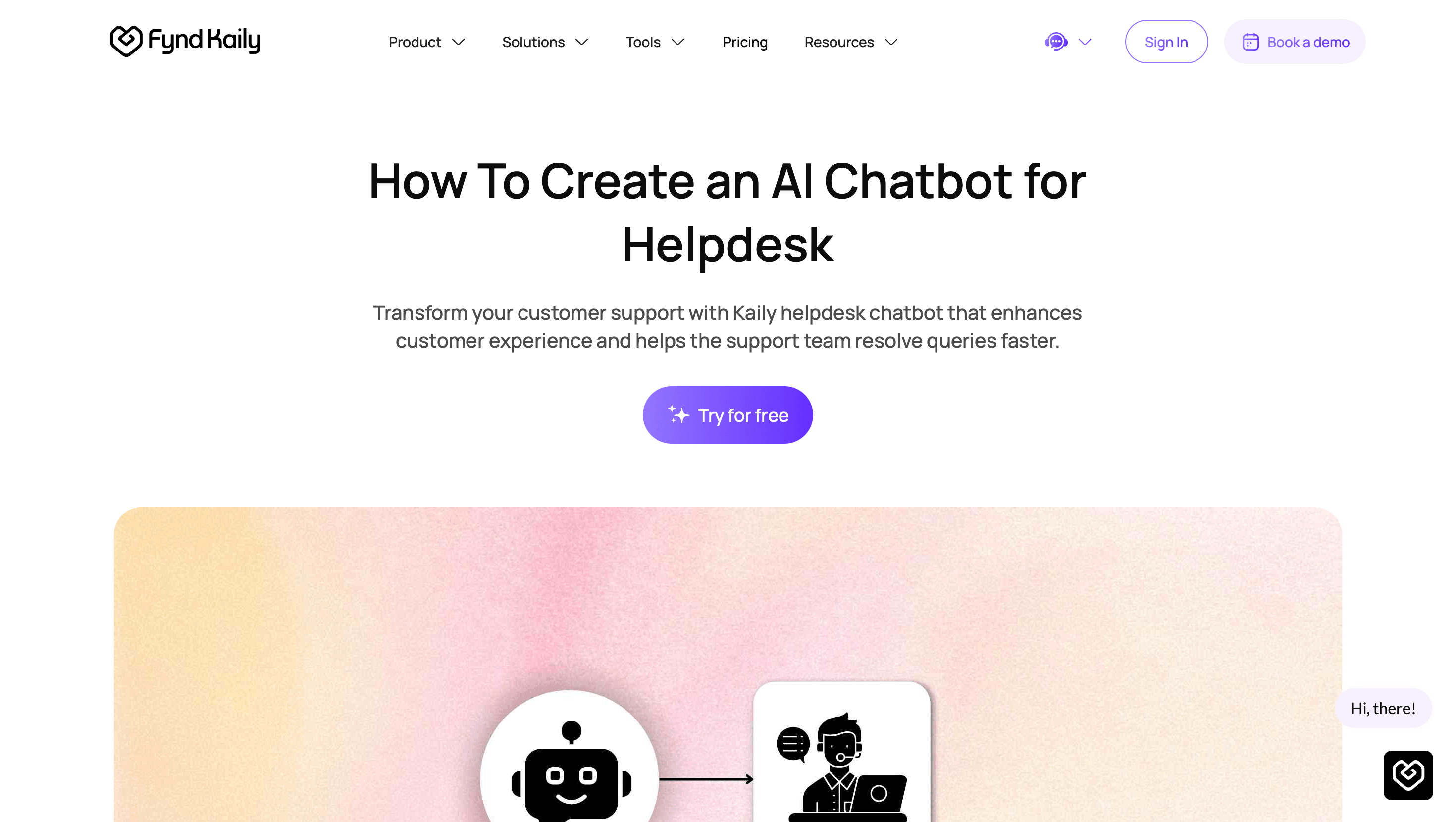
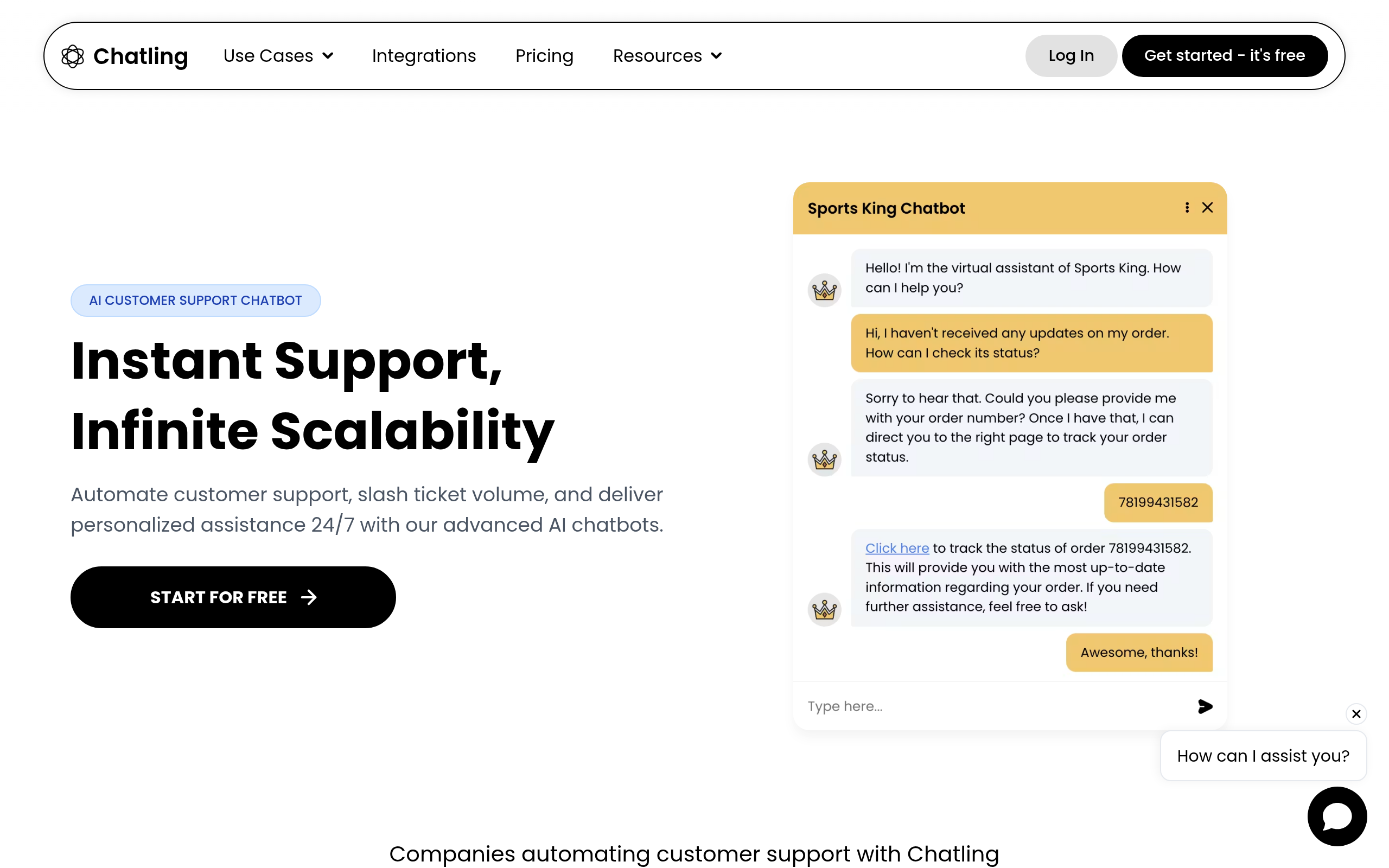
- Best tools: Chatling for an AI help chatbot, Capacity for knowledge automation, Kaily AI Chatbot For Helpdesk for helpdesk answers, and Newo for AI support agents.
- AI ticket deflection cuts volume and cost while giving customers faster answers around the clock.
- Ground every AI answer in accurate, current content — an authoritative wrong answer is worse than none.
An AI knowledge base and help center uses AI-powered smart search and chat to let customers find accurate answers to their own questions instantly — deflecting routine tickets before they ever reach your team, so support volume falls, customers get faster help around the clock, and your agents are freed to focus on the complex cases that genuinely need a human. Most support tickets are repeat questions with known answers, and most customers would rather solve their problem in thirty seconds than wait for an agent. A traditional help center promises self-service but rarely delivers it well — search is weak, articles are hard to find, and people give up and open a ticket anyway. AI fixes the self-serve experience, making answers genuinely easy to find. This guide covers what an AI knowledge base does, how it deflects tickets, the best tools in 2026, and the one caveat that makes or breaks the whole thing.
What is an AI knowledge base and help center?
An AI knowledge base and help center is a self-serve support hub supercharged with AI, so customers can find answers themselves quickly and accurately instead of waiting for an agent. It works through a few capabilities. Smart search understands what a customer actually means — not just keyword matching — and returns the right answer even when they phrase it differently from your article. AI chat sits on top of your help content and answers questions conversationally, pulling from your articles to give a direct response rather than a list of links. Ticket deflection is the outcome: questions get answered in self-service before they ever become a support ticket. And knowledge automation keeps the underlying content useful and surfaces it where customers and agents need it. The point is to make self-service actually work — to turn a help center from a graveyard of articles nobody can find into a fast, reliable first line of support that resolves most questions instantly.
Smart search and AI chat that actually find answers
The reason traditional help centers fail at self-service is almost always findability. The answer usually exists in an article somewhere, but the customer cannot locate it: keyword search misses because they used different words, the navigation is confusing, and after a minute of frustration they open a ticket. AI smart search and chat solve this directly. Smart search understands intent and meaning, so a customer who types their problem in their own words still gets the right article. AI chat goes further, reading your help content and answering the question conversationally — giving the actual answer, in context, rather than a list of links the customer still has to dig through. This transforms the self-serve experience from “hunt through articles and hope” into “ask and get answered.” Because the experience is genuinely good, customers use it, and the questions that used to become tickets get resolved instantly instead. For building the chat layer specifically, see our guide on how to build an AI chatbot for your website.
Ticket deflection that frees your team
The headline business benefit of an AI knowledge base is ticket deflection — resolving questions in self-service so they never become support tickets. The economics are compelling: a large share of support volume is the same routine questions asked over and over, and each one that a customer resolves themselves is a ticket your team does not have to handle. That cuts support costs, shortens queues, and crucially gives customers a faster answer than they would have got by waiting. But deflection is not about hiding from customers or making it hard to reach you — it is about giving them what they actually prefer, which is a fast, accurate answer on their own time. The deeper payoff is what it does for your team: when AI handles the repetitive questions, human agents stop spending their days copy-pasting the same replies and can focus their attention and expertise on the genuinely difficult, sensitive or high-value cases where a person makes a real difference. For the full operational picture, see our guide to automating customer support with AI.
Best AI knowledge base and help center tools in 2026
| Need | Best tool |
|---|---|
| AI help chatbot on your content | Chatling |
| Knowledge automation & support | Capacity |
| Helpdesk answers | Kaily AI Chatbot For Helpdesk |
| AI support agents | Newo |
For an AI help chatbot trained on your own content, Chatling lets you build a bot on top of your help articles that answers customers conversationally. For knowledge automation and support — surfacing the right answer to customers and agents and keeping knowledge usable — Capacity is built for exactly that. For helpdesk answers, Kaily AI Chatbot For Helpdesk handles incoming questions and resolves common issues. And for AI support agents that go beyond simple Q&A into guided, conversational resolution, Newo builds capable AI agents. Most effective help centers combine smart search, an AI chat layer and knowledge automation rather than relying on a single piece.
How to build an AI knowledge base (step by step)
- Audit and improve your content — make sure your help articles are accurate, current and cover your common questions, because AI answers from this.
- Add an AI chat layer with Chatling or Kaily AI Chatbot For Helpdesk so customers can ask questions conversationally.
- Enable smart search so customers find answers even when they phrase things differently from your articles.
- Automate your knowledge with Capacity so the right answer surfaces for customers and agents alike.
- Set up clean escalation — when AI cannot answer or the case is complex, route the customer smoothly to a human.
- Measure deflection and gaps — track what gets resolved and what does not, then fill the content gaps the data reveals.
The accuracy caveat — ground every answer in real content
This is the single most important rule, and it makes or breaks an AI knowledge base. An AI help system speaks with authority — customers trust the answer it gives — which means an authoritative wrong answer is worse than no answer at all. If a customer gets a confident, incorrect response about billing, returns, security or how a feature works, they may act on it, and the damage ranges from frustration to real harm and lost trust. So the non-negotiable discipline is to ground every AI answer in accurate, up-to-date content. The AI should answer from your real help articles and approved knowledge, not improvise; your content must be kept current as the product and policies change; and you should review what the AI tends to say to catch and correct anything wrong. Equally important is humility in the system: when the AI does not have a reliable answer, it should say so and hand off to a human rather than guessing. Done right, this is entirely achievable — the tools answer from your verified content and escalate when unsure, so customers get fast answers they can trust. Done carelessly — an AI improvising on stale or incomplete content — it produces confident misinformation at scale, which erodes the very trust that self-service depends on. The accuracy of the underlying content is therefore not a detail; it is the foundation the whole system stands on.
Why self-serve is the future of support
For years, “self-service” was something companies offered grudgingly and customers used reluctantly, because help centers were genuinely bad — disorganised, hard to search, full of articles that did not quite answer the question. The result was a self-fulfilling failure: people did not trust self-service, so they opened tickets, which kept support costs high and queues long. AI breaks this cycle by finally making self-service good. When smart search understands intent and AI chat gives direct, accurate answers from your real content, customers actually get their problem solved faster than a human could have replied — and that changes their behaviour. They reach for self-service first because it works, not because they are forced to. This benefits everyone simultaneously: customers get instant, around-the-clock answers; the business cuts the cost and volume of routine tickets; and support teams are freed from repetitive Q&A to do the high-value, complex, human work that actually justifies their expertise. That alignment of interests is why AI-powered self-serve help is becoming the default first line of support. The companies investing in it are not trying to avoid their customers — they are giving customers the fast, reliable answers they prefer while reserving human attention for the moments that truly need it.
The bottom line
An AI knowledge base and help center turns self-service from a frustrating dead-end into a fast, reliable first line of support — smart search and AI chat give customers accurate answers instantly, deflecting routine tickets and freeing your team for the hard cases. Use Chatling for an AI help chatbot on your content, Capacity for knowledge automation, Kaily AI Chatbot For Helpdesk for helpdesk answers, and Newo for AI support agents. The one rule that matters most: ground every AI answer in accurate, up-to-date content and escalate to a human when the AI is unsure — because a confident wrong answer is worse than none. Get that right and self-serve help becomes a win for customers, your team and your bottom line.
Disclaimer: An AI knowledge base speaks with authority, so a confident wrong answer is worse than none. Ground every AI answer in accurate, up-to-date content, review outputs, keep content current, and ensure the system escalates to a human when it lacks a reliable answer.
Tools mentioned in this guide
Pricing, features and model availability can change over time. Always verify current details on each tool's official website before deciding.
Frequently Asked Questions
What is an AI knowledge base and help center?
What is an AI knowledge base and help center?
What are the best AI knowledge base tools?
What are the best AI knowledge base tools?
What is ticket deflection?
What is ticket deflection?
How does AI smart search improve a help center?
How does AI smart search improve a help center?
Is AI self-service accurate enough for customers?
Is AI self-service accurate enough for customers?
Does AI self-service replace human support?
Does AI self-service replace human support?
Don't just pick a tool — get the whole workflow
Tell Comparee your goal and get a complete step-by-step AI workflow with the right tool for every step.