AI for Property Valuation & Market Analysis (2026)
Best AI tools for property valuation and market analysis in 2026. Compare Mashvisor, PropStream, IntellCRE, RealReports, REsimpli, and LocalizeOS.
- AI valuation tools (AVMs) analyze comps, market trends, and yield estimates in minutes — but they are not licensed appraisals and should be treated as data-driven starting points only.
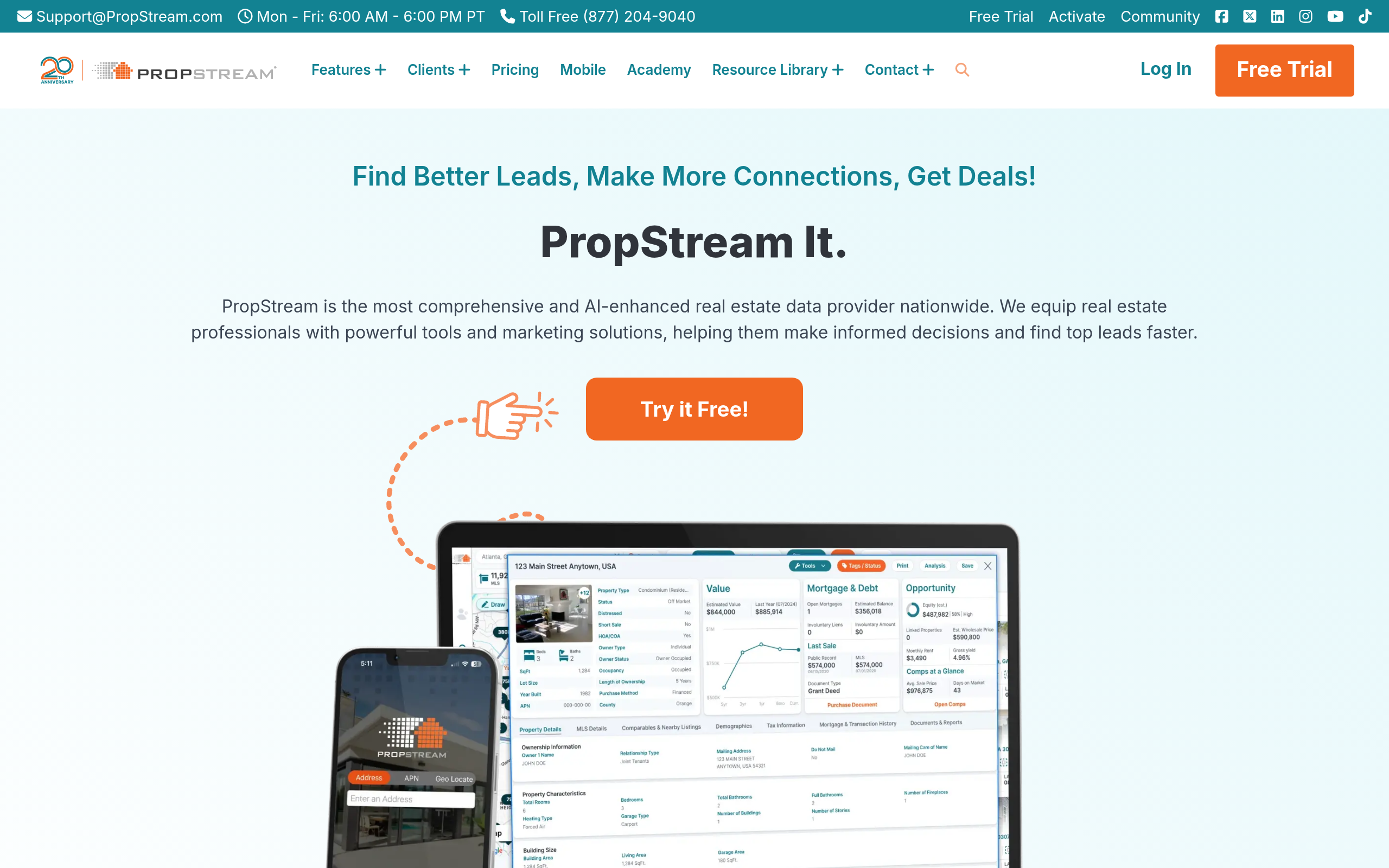
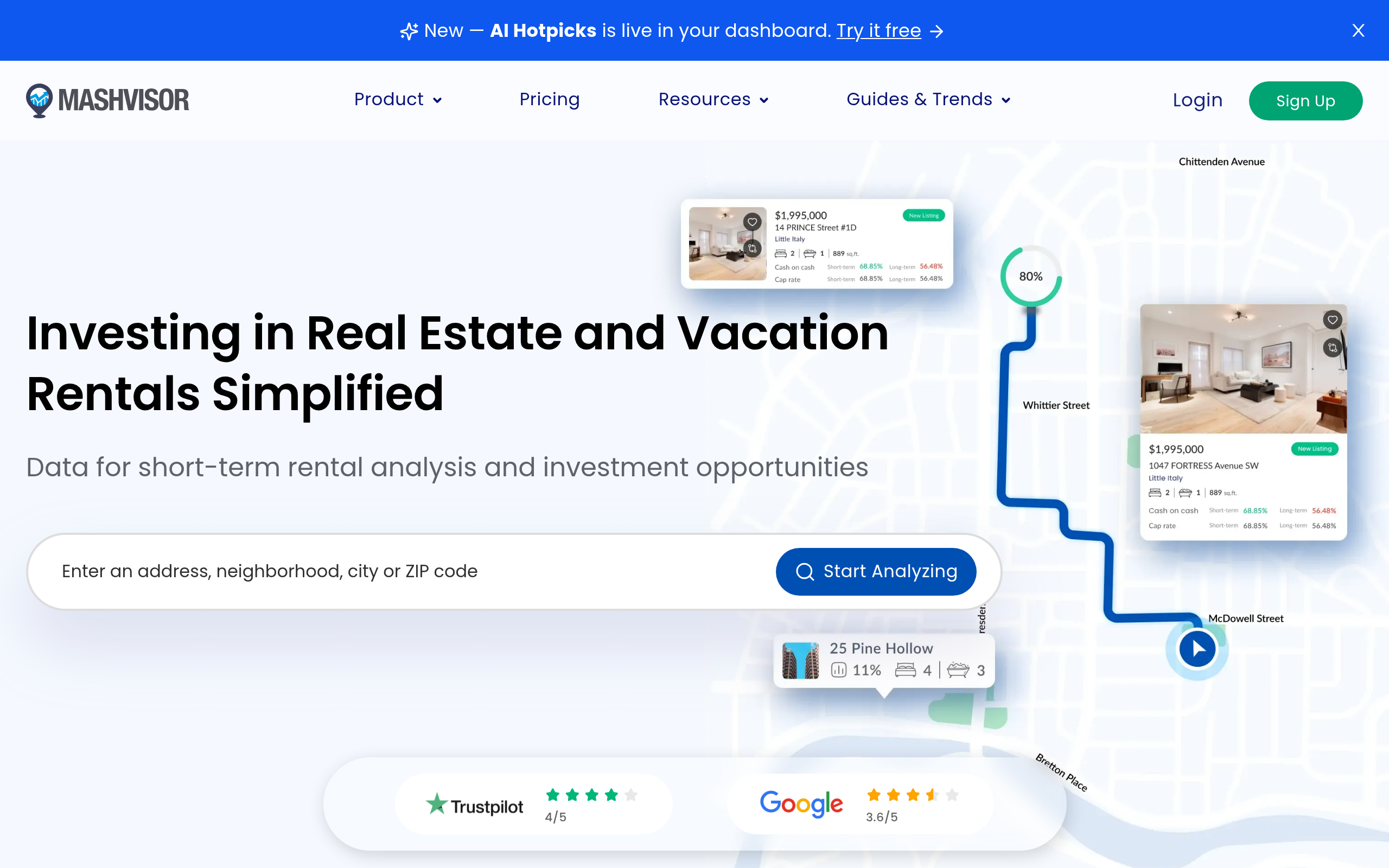
- For residential buy-and-hold or short-term rental analysis, Mashvisor and PropStream Real Estate Investment Software offer the deepest property-level data.
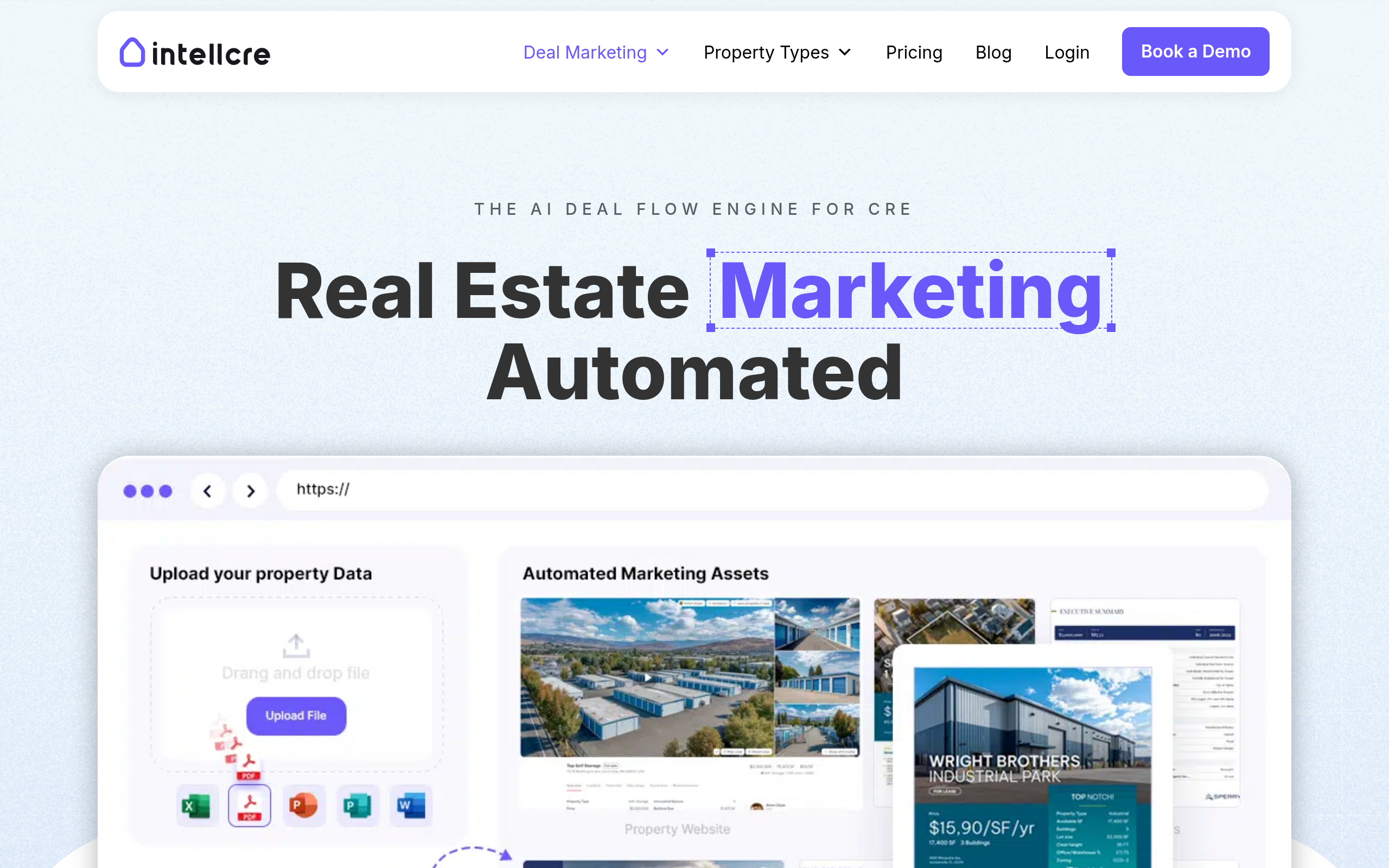
- Commercial real estate investors need a specialist: IntellCRE is purpose-built for CRE deal underwriting and comps.
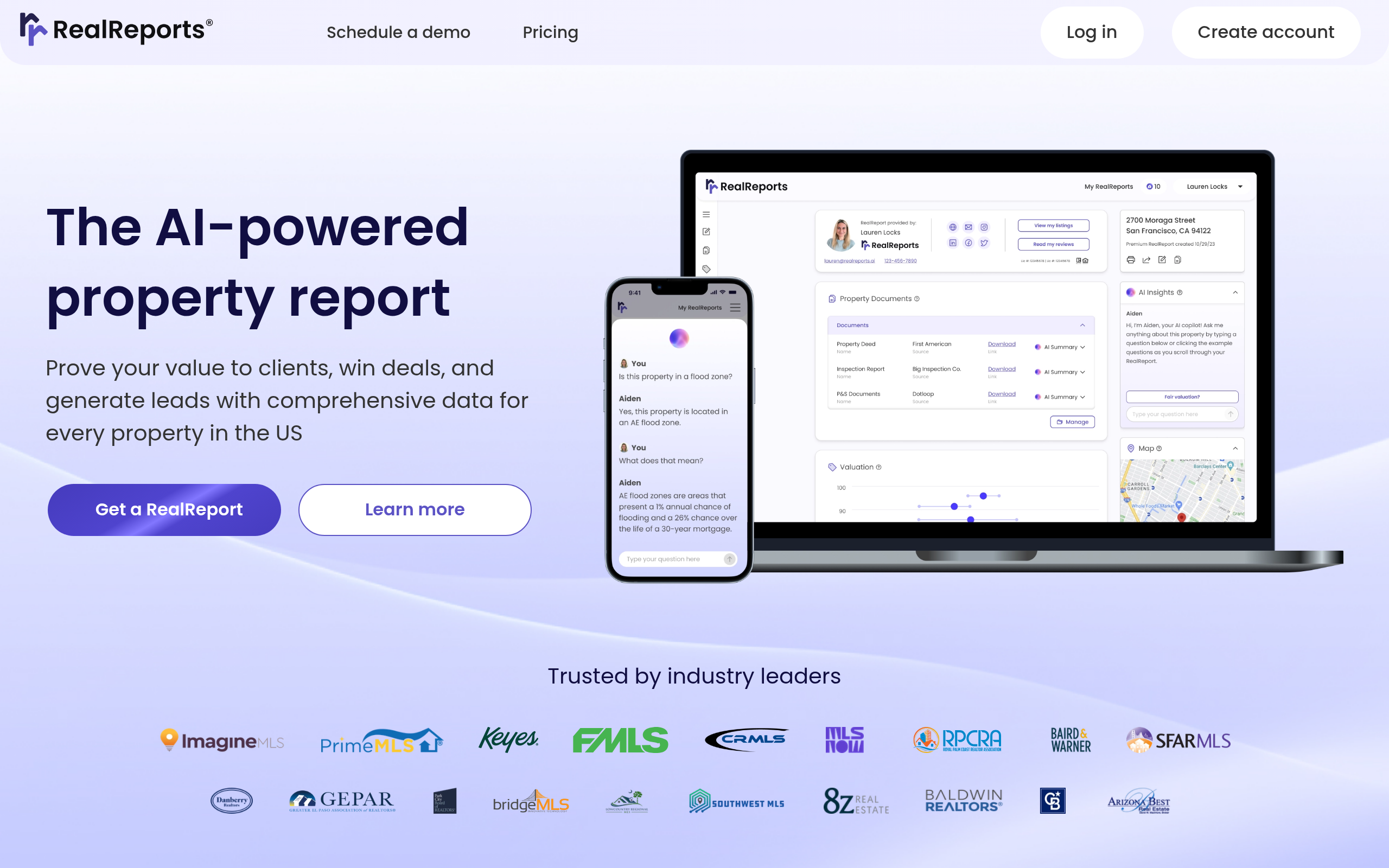
- RealReports is the fastest way to generate client-ready AI property narrative reports from public data.
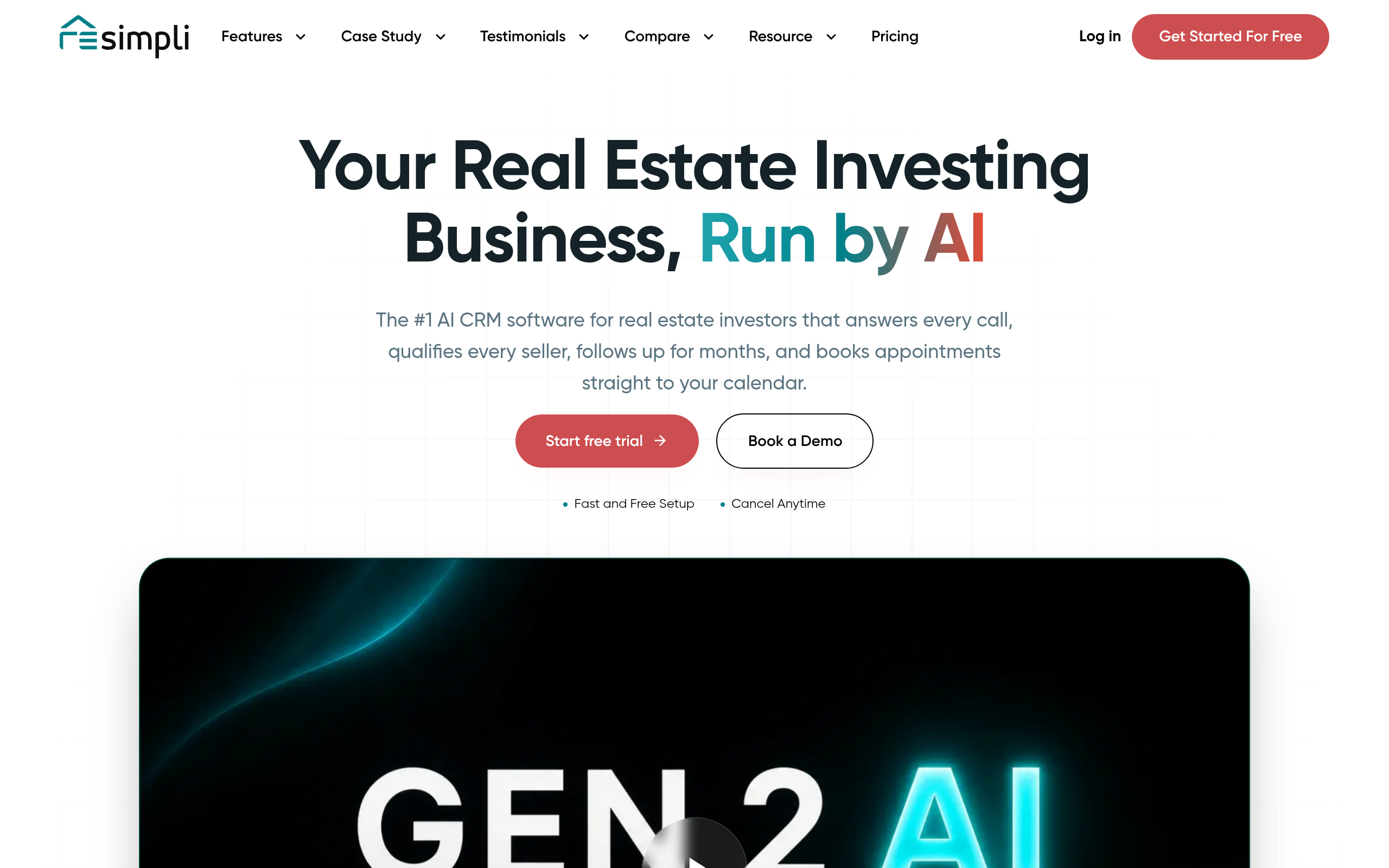
- REsimpli combines investor CRM with deal analysis — one platform instead of five for active investors.
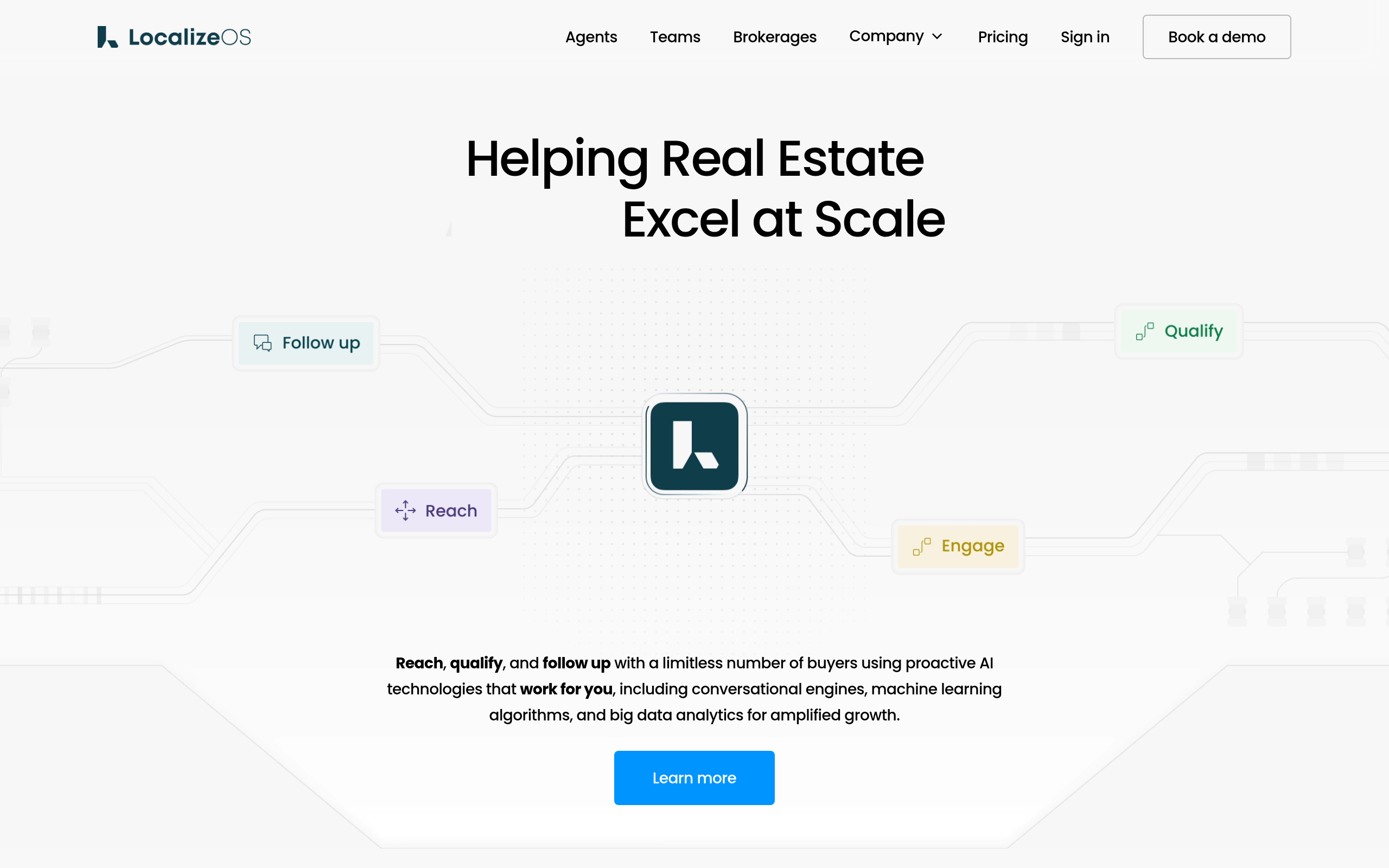
- LocalizeOS is best for agents and brokerages needing live neighborhood-level market intelligence baked into their workflow.
The short answer: the best AI property valuation tool in 2026 depends on your role. For residential investors, Mashvisor or PropStream Real Estate Investment Software will cover most needs. For commercial real estate, IntellCRE is the clear specialist pick. For fast client-facing reports, RealReports wins on speed. Read on for the complete breakdown — including a feature table, pricing comparison, use-case guide, and an honest note on AVM limitations.
What Is AI Property Valuation — and How Is It Different from a Traditional Appraisal?
An Automated Valuation Model (AVM) is a statistical or machine-learning algorithm that estimates a property's market value by analyzing comparable sales (comps), public records, listing data, tax assessments, and — in newer systems — satellite imagery, neighborhood amenity scores, and macro market signals. AI adds another layer: natural-language interpretation, scenario modeling, and automated narrative generation that turns raw numbers into readable insights.
A traditional appraisal is performed by a licensed human appraiser who physically inspects the property, adjusts for condition, and produces a legally defensible opinion of value. For mortgage underwriting, estate proceedings, or legal disputes, a licensed appraisal is required by law in most jurisdictions. AVMs — no matter how sophisticated — are estimates, not appraisals. Use them to shortlist deals, sanity-check asking prices, model rental yields, and screen markets fast. Do not use them as a substitute for due diligence on high-stakes transactions.
With that caveat clear, let's look at what the best tools can actually do.
Which AI Tools Are Best for Property Valuation in 2026?
The six tools below are real, verifiable platforms with genuine real estate data and AI capabilities. We have not invented tools or specific statistics. The quick-verdict table gives you the one-line summary for each.
| Tool | Best For | Key Strength | Not Ideal For |
|---|---|---|---|
| Mashvisor | Residential investors, short-term rental analysis | Airbnb + long-term rental data side by side; neighborhood heat maps | Commercial CRE deals |
| PropStream Real Estate Investment Software | Wholesalers, flippers, BRRRR investors | Deep property data, owner skip-tracing, motivated-seller filters | Ongoing property management |
| IntellCRE | Commercial real estate brokers and investors | CRE-specific underwriting, deal analysis, and comps for commercial assets | Residential single-family |
| RealReports | Agents and investors needing fast AI reports | Instant AI-generated property narrative reports from public data | Deep off-market data prospecting |
| REsimpli | Active investors wanting all-in-one CRM + analysis | Integrated CRM, deal tracking, and market analytics in one platform | Pure valuation-only use cases |
| LocalizeOS | Agents and brokerages needing hyper-local market intelligence | Neighborhood-level live data layered into agent workflow | Property-level investment underwriting |
How Do AI Property Valuation Tools Actually Work?
Modern AI real estate platforms combine several data pipelines to produce valuations and market insights:
- Public records and MLS data: Sold prices, listing history, tax assessments, and permit records form the baseline comp set. The quality of an AVM is directly tied to the depth and recency of its underlying data.
- Machine learning on comps: Statistical or ML models interpolate value from comparable properties, adjusting for square footage, lot size, age, condition signals derived from listing photos, and proximity to amenities.
- Rental market data: Tools like Mashvisor layer in short-term rental occupancy rates (sourced from platforms including Airbnb) and long-term rental estimates to calculate potential gross yields and cash-on-cash returns.
- Commercial-specific modeling: IntellCRE goes beyond residential AVM logic, incorporating net operating income (NOI), cap rate benchmarks, tenant lease structures, and CRE-specific comp databases — metrics that generic AVMs handle poorly.
- Natural-language generation: Newer platforms like RealReports use large language models to convert raw property data into readable narrative reports — saving agents and investors significant time in client-facing preparation.
- CRM and workflow integration: REsimpli and LocalizeOS embed data insights directly into deal pipelines and client communications, so analysis is actionable rather than sitting in a separate research tab.
One important accuracy note: AVM precision degrades in thin markets — rural areas, unusual property types (log cabins, geodesic domes, industrial conversions), or low-transaction neighborhoods where comp data is sparse. Always weigh AI outputs against local knowledge, and for significant purchases, verify with a licensed professional.
Feature-by-Feature Comparison: What Do These Tools Actually Offer?
| Feature | Mashvisor | PropStream | IntellCRE | RealReports | REsimpli | LocalizeOS |
|---|---|---|---|---|---|---|
| AVM / valuation estimate | Yes | Yes | Yes (CRE) | Yes | Yes | Yes (neighborhood level) |
| Comparable sales analysis | Yes | Yes | Yes | Yes | Yes | Partial |
| Rental yield / cash-on-cash modeling | Yes (STR + LTR) | Partial | Yes (NOI / cap rate) | No | Yes | No |
| Off-market / motivated seller data | No | Yes | No | No | Yes | No |
| AI narrative report generation | No | No | Partial | Yes | No | No |
| CRM / deal pipeline management | No | No | No | No | Yes | Yes (agent focus) |
| Commercial CRE underwriting | No | Partial | Yes | No | No | No |
| Market trend maps / heat maps | Yes | Yes | Yes | No | Partial | Yes |
| Skip-tracing / owner contact data | No | Yes | No | No | Yes | No |
What Is the Pricing Model for Each Tool?
Exact prices change frequently — always verify current pricing on each vendor's website before committing. The table below reflects general pricing structures and availability as of mid-2026.
| Tool | Pricing Model | Free Tier / Trial | Typical Budget Fit |
|---|---|---|---|
| Mashvisor | Monthly or annual subscription tiers | Limited free trial available | Part-time to full-time investors |
| PropStream Real Estate Investment Software | Monthly subscription (add-ons for skip-tracing, list exports) | 7-day free trial | Wholesalers and flippers with deal volume |
| IntellCRE | Subscription (tiered by seats and usage) | Demo available on request | Professional CRE brokers and investment teams |
| RealReports | Per-report credits or subscription | Starter credits available | Agents who need occasional client-ready reports |
| REsimpli | Monthly subscription tiers | Free trial available | Active investors running consistent deal volume |
| LocalizeOS | Subscription (agent and team plans) | Demo and trial on request | Agents and brokerages investing in market positioning |
How Do You Choose the Right AI Real Estate Tool for Your Situation?
The right tool follows your investor profile, not a generic ranking. Here is a practical use-case guide:
- Buy-and-hold residential investor: Start with Mashvisor. Its side-by-side short-term and long-term rental yield comparison is genuinely useful for deciding whether a property works better as an Airbnb or a traditional rental, and its neighborhood heat maps help you identify markets before drilling into individual properties.
- Wholesaler or house flipper: PropStream Real Estate Investment Software is the strongest choice. Its off-market lead lists, skip-tracing, and distressed-property filters are purpose-built for high-volume deal sourcing — capabilities that rental-focused platforms don't prioritize.
- Commercial real estate investor or broker: IntellCRE understands cap rates, NOI modeling, and CRE comp sets natively. It is not a residential tool with CRE bolted on — it was designed for this asset class, and that shows in the underwriting workflow.
- Real estate agent needing client-ready reports fast: RealReports lets you generate an AI-powered property narrative in minutes from public data. For buyer or seller consultations where you want to show analytical depth quickly, nothing else is as fast.
- Active investor wanting one dashboard: REsimpli consolidates CRM, deal analysis, direct mail, and follow-up workflows. For investors juggling 20+ leads at a time, eliminating tool sprawl has a real operational ROI.
- Agent or brokerage wanting hyper-local market intelligence: LocalizeOS embeds live neighborhood data into your daily agent workflow. Instead of querying a separate research tool when a client asks about a specific block or ZIP code, the data is already in your operating system.
What Are the Limits of AI Property Valuation — and When Do You Still Need a Human Appraiser?
AI valuation tools are powerful screening layers, not replacements for professional judgment. Here is when you should not rely solely on an AVM:
- Mortgage origination: Lenders require a licensed appraisal. An AVM output will not satisfy underwriting requirements at any major lender.
- Legal proceedings: Estate settlements, divorce asset division, tax appeals, and eminent domain all require a certified appraisal report, not an AI estimate.
- Unique or low-comp properties: Waterfront estates, historic buildings, mixed-use conversions, and properties in rural markets with few recent sales will show high AVM variance. The model simply does not have enough data to interpolate accurately.
- Rapidly shifting markets: AVMs lag when markets move fast. In a hot seller's market or a sudden correction, recent sold data may not yet be reflected in the model's training set.
- Pre-offer due diligence on large transactions: For any acquisition above your personal risk threshold, commission a professional inspection and appraisal regardless of what the AI tool shows.
The best workflow is to use AI tools for rapid screening and hypothesis generation, then apply human expertise for validation on anything you actually intend to buy or list.
Beyond These Six: Well-Known AVM Benchmarks Worth Cross-Checking
For residential properties, it is worth sanity-checking your primary tool's estimate against widely available public AVMs:
- Zillow Zestimate — the most widely recognized consumer AVM; useful for understanding what a seller or buyer will have seen before talking to you
- Redfin Estimate — often updated more frequently than Zestimate in active markets; useful as a second reference point
- HouseCanary — institutional-grade AVM used by lenders and iBuyers; accessible via API for teams that want a more sophisticated external benchmark
- CoreLogic — the data analytics backbone behind many MLS systems; enterprise-tier, but its data underlies much of what the residential market relies on
If your primary tool's estimate diverges significantly from these benchmarks, investigate why before making an offer. Divergence usually signals either a data lag, an unusual property feature, or a rapidly shifting micro-market — all of which deserve scrutiny before you commit capital.
You can explore the full range of verified AI tools for real estate on the Real Estate & Property category on Comparee.
Comparee's Verdict: Which Tool Should You Actually Use?
We will be direct rather than vague:
- Best overall for residential investors: Mashvisor — the combination of AVM, dual rental-strategy modeling (short-term and long-term), and neighborhood heat maps makes it the most complete package for investors buying 1–4 unit residential properties.
- Best for deal sourcing and wholesaling: PropStream Real Estate Investment Software — nothing in this guide matches its off-market data depth, motivated-seller filters, and skip-tracing for high-volume deal flow.
- Best for commercial real estate: IntellCRE — purpose-built for CRE, not bolted on. The only clear choice for office, retail, multifamily, or industrial deal underwriting among the tools in this guide.
- Best for fast client-facing reports: RealReports — if you need a polished AI property report in minutes for a buyer or seller consultation, this is the tool.
- Best all-in-one for active investors: REsimpli — for investors running consistent deal volume, the CRM plus deal analysis integration eliminates the operational overhead of managing multiple separate tools.
- Best for agents and brokerages: LocalizeOS — agents who need live neighborhood intelligence embedded in their daily workflow, not a spreadsheet they have to open separately and manually update.
Final caveat: No AI valuation tool replaces a licensed appraisal for mortgage origination, legal proceedings, or estate purposes. Use these tools to work smarter, screen faster, and present more confidently — then verify any high-stakes decision with a qualified human professional.
Tools mentioned in this guide
Pricing, features and model availability can change over time. Always verify current details on each tool's official website before deciding.
Frequently Asked Questions
What is the most accurate AI tool for property valuation in 2026?
What is the most accurate AI tool for property valuation in 2026?
Can AI tools replace a licensed real estate appraisal?
Can AI tools replace a licensed real estate appraisal?
What is an AVM and how reliable is it?
What is an AVM and how reliable is it?
Which AI tool is best for short-term rental (Airbnb) investment analysis?
Which AI tool is best for short-term rental (Airbnb) investment analysis?
Is PropStream good for finding off-market properties?
Is PropStream good for finding off-market properties?
What makes IntellCRE different from residential valuation tools?
What makes IntellCRE different from residential valuation tools?
How does RealReports generate AI property reports?
How does RealReports generate AI property reports?
Is REsimpli only for investors, or can agents use it too?
Is REsimpli only for investors, or can agents use it too?
Don't just pick a tool — get the whole workflow
Tell Comparee your goal and get a complete step-by-step AI workflow with the right tool for every step.