Prompt Engineering: The Complete Guide for 2026
Prompt engineering in 2026 — the core techniques (role, context, examples, constraints, iteration) that get better results from AI text and image tools.
Key takeaways
- Prompt engineering is the skill of writing clear, specific instructions that get dramatically better results from AI — for text and images alike.
- The core techniques are role, context, examples, constraints and iteration — and stacking them is what separates great output from generic output.
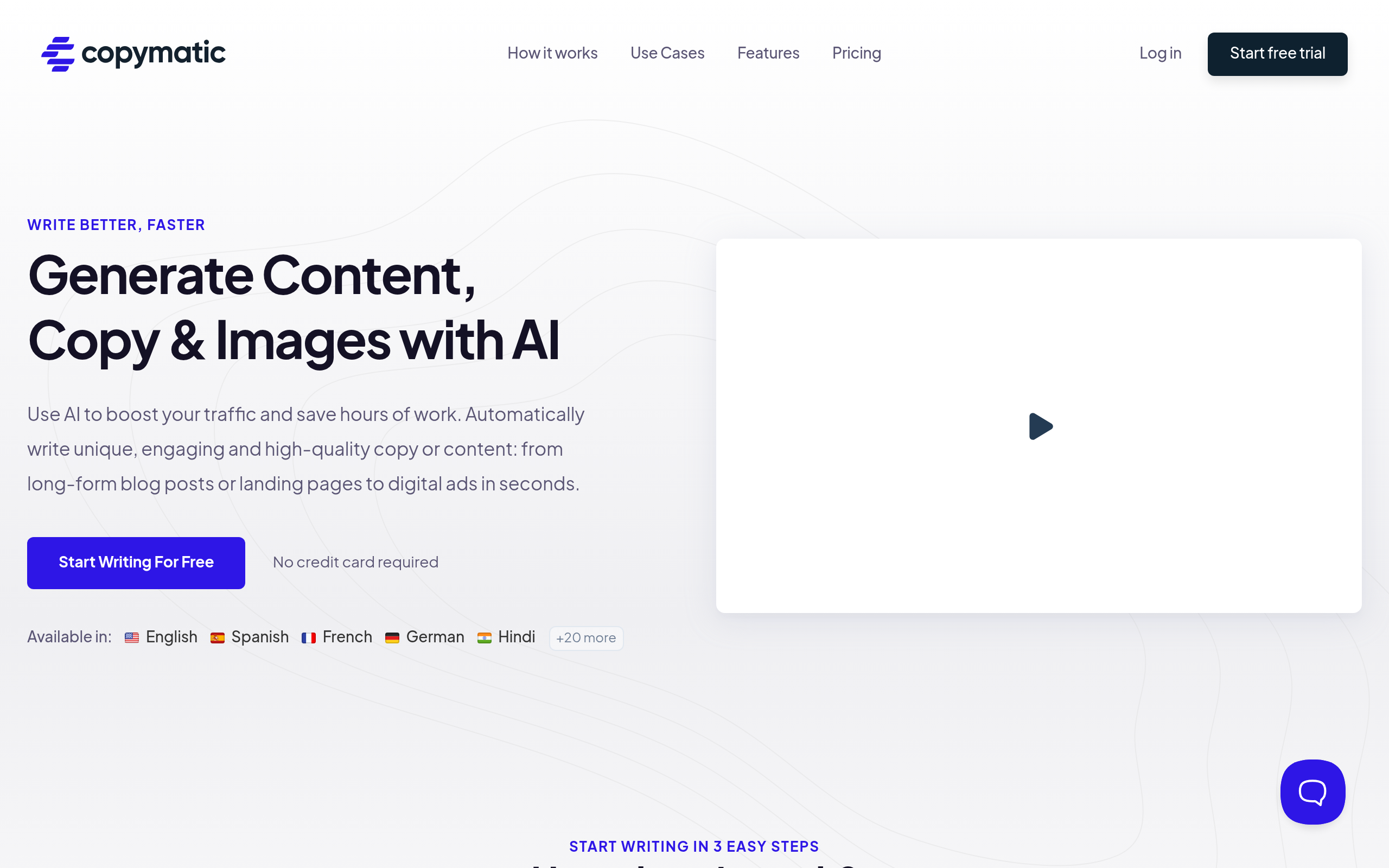
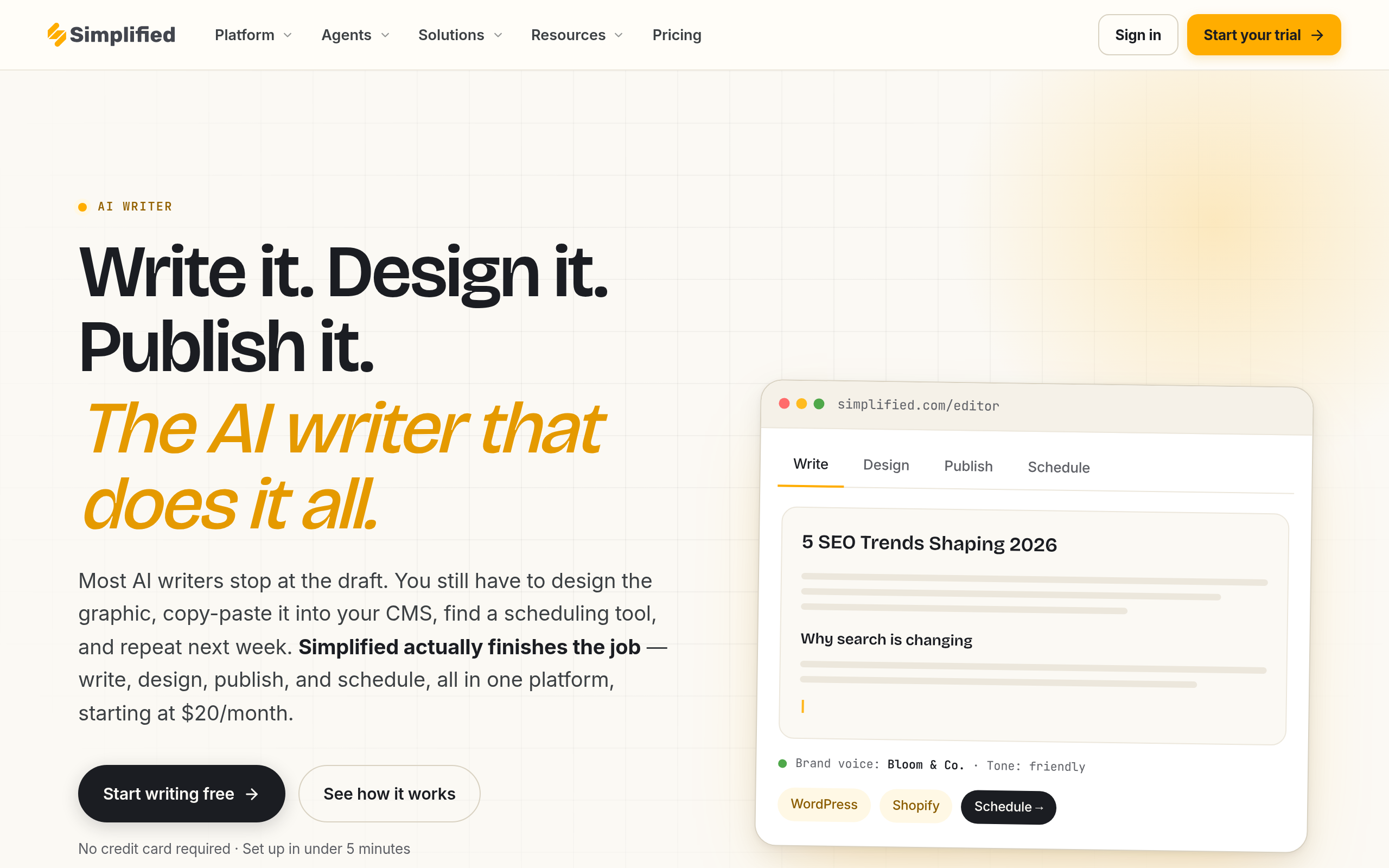
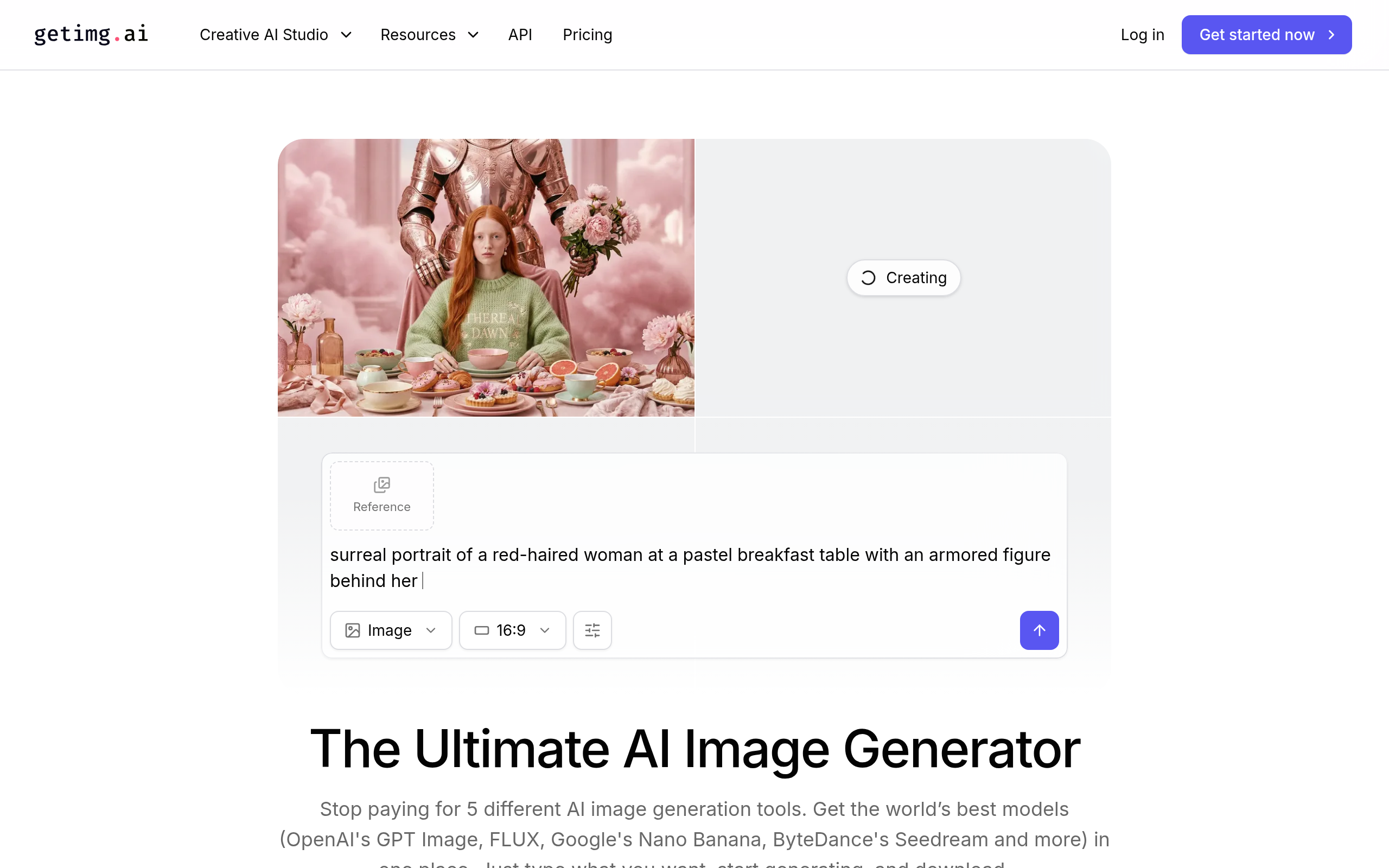
- It applies across tools: text writing with Simplified AI Writer and Copymatic, and image generation with getimg.ai.
- Be specific, give context, show examples, set constraints, then iterate — the second or third prompt is usually far better than the first.
- Prompting is a learnable skill, and it is fast becoming one of the highest-leverage abilities for working with AI.
Prompt engineering is the practical skill of writing clear, specific, well-structured instructions that get dramatically better results from AI — and it is the single biggest lever between mediocre output and genuinely useful output. The same AI model can produce something generic and forgettable or something sharp and exactly on target, and the difference is almost entirely in how you ask. Most people write a vague one-line prompt, get a bland result, and conclude the tool is overrated; the people getting remarkable results are simply prompting better. The good news is that prompting is not mysterious or technical — it is a learnable set of techniques. This guide covers what prompt engineering is, the core techniques that work for both text and images, and how to put them together.
What is prompt engineering?
Prompt engineering is the practice of crafting the input you give an AI model to steer it toward the output you want. Because generative AI responds to instructions in natural language, the quality, specificity and structure of those instructions largely determine the quality of what comes back. A prompt is not just a question; it is a brief. Think of it the way you would think of briefing a talented freelancer who is fast and capable but knows nothing about your specific situation unless you tell them. The more clearly you describe what you want, who it is for, in what style, with what constraints, the better the result — and the same is true whether you are generating an article, an email or an image. Prompt engineering is simply the discipline of writing good briefs for AI.
Why your first prompt usually disappoints
It helps to understand why a quick, casual prompt tends to underwhelm. AI models are trained to produce the most statistically plausible response to your input, which means a vague prompt invites a vague, average answer — the safest, most generic version of what you might have meant. "Write a blog post about coffee" could mean a thousand different things, so the model picks the blandest middle. The model also has no access to your context unless you supply it: it does not know your audience, your goals, your brand voice or the examples you have in mind. And it tends to take the path of least resistance, giving you something serviceable but uninspired. Recognising this reframes prompting entirely: your job is to remove ambiguity and supply context, so the model has enough to give you something specific and good rather than safe and dull.
The core prompting techniques (for text and images)
| Technique | What it does |
|---|---|
| Role | Tells the AI who to be ("act as a senior copywriter"), setting expertise and tone |
| Context | Supplies the background — audience, goal, brand, situation — the AI needs |
| Examples | Shows the AI the style or format you want by giving samples to imitate |
| Constraints | Sets the rules — length, format, what to include or avoid |
| Iteration | Refines the result through follow-up prompts rather than expecting one perfect output |
These five techniques are the backbone of good prompting, and they work across modalities. For text, a strong prompt assigns a role, supplies context about audience and goal, gives an example of the style, and sets constraints on length and format — tools like Simplified AI Writer and Copymatic reward this kind of detailed brief with far better copy. For images, the same logic applies in visual terms: you describe the subject, style, lighting, composition, colour and mood in specific detail, which is exactly how you get strong results from getimg.ai rather than a generic picture. For more on applying this to marketing copy specifically, see our AI copywriting guide.
How to write a great prompt (step by step)
- Assign a role — tell the AI who to be, e.g. "Act as an experienced email marketer."
- Give context — explain the audience, the goal, the product and the situation.
- Show an example — paste a sample of the tone, style or format you want it to match.
- Set constraints — specify length, structure, what to include and what to avoid.
- Generate and read critically — see what it got right and where it missed.
- Iterate — follow up with precise corrections ("make it shorter and more direct") until it is right.
Prompting for images vs text
While the principles are shared, image and text prompting differ in their details, and knowing the difference sharpens both. For text, the most valuable inputs are role, context and constraints — the model needs to know who it is writing as, for whom, toward what goal, and within what rules. Iteration is conversational: you refine through back-and-forth, asking for a different tone or a tighter version. For images, the most valuable inputs are richly descriptive: subject, style (photographic, illustrated, 3D), lighting, composition, camera angle, colour palette and mood, often layered into a single dense description. Iteration there usually means adjusting the description and regenerating, or tweaking specific elements. The unifying idea is the same — specificity beats vagueness every time — but text prompting leans on context and rules, while image prompting leans on vivid, concrete visual description. Master both and you can direct AI confidently across the content you most often need to produce.
Why prompt engineering is a high-leverage skill
It is easy to dismiss prompting as a passing quirk that better models will eventually make unnecessary, but that misreads where the value lies. Even as models get smarter, they still cannot read your mind, know your context, or decide what "good" means for your specific situation — and those are exactly the things a good prompt supplies. The person who can clearly articulate what they want, frame it with the right context and constraints, and iterate efficiently will always get more out of an AI than the person who types a vague line and hopes. In that sense prompt engineering is less a technical trick than a thinking skill: it forces you to clarify your own intent, which is half the battle in any creative or knowledge work. As AI becomes embedded in more tools and workflows, the ability to direct it well compounds across everything you do, which is why prompting has quietly become one of the highest-leverage abilities for modern work — and why it is well worth deliberately practising rather than picking up by accident.
Common prompting mistakes to avoid
A few recurring mistakes account for most disappointing AI results, and avoiding them is half of getting good at prompting. The first is being too vague — asking for "a marketing email" instead of specifying the product, audience, goal, tone and length, which forces the model to guess and default to bland. The second is withholding context the model needs; it cannot know your brand voice or your situation unless you tell it, so leaving that out guarantees generic output. The third is expecting perfection on the first try and giving up when it misses, rather than iterating with precise follow-up corrections, which is where the real quality emerges. The fourth is failing to set constraints, so you get something the wrong length or format. And the fifth is not showing examples when you have a specific style in mind — a single sample often communicates more than a paragraph of description. Fix these five habits and your results improve immediately, because you are giving the model what it needs to do its job well.
The bottom line
Prompt engineering is the learnable skill of writing clear, specific, well-structured instructions that turn average AI output into genuinely useful output. The core techniques — assigning a role, supplying context, showing examples, setting constraints, and iterating — work across both text and images, and stacking them is what separates great results from generic ones. Apply them with tools like Simplified AI Writer and Copymatic for text, and getimg.ai for images. Be specific, give context, and iterate rather than expecting perfection first time — and you will get far more out of every AI tool you touch, because the quality of the output almost always traces back to the quality of the prompt.
Disclaimer: Even with excellent prompts, AI output should be reviewed and verified before use — good prompting improves results but does not eliminate errors, bias or the need for human judgement.
Tools mentioned in this guide
Pricing, features and model availability can change over time. Always verify current details on each tool's official website before deciding.
Frequently Asked Questions
What is prompt engineering?
What is prompt engineering?
What are the main prompt engineering techniques?
What are the main prompt engineering techniques?
Why does my first AI prompt give bad results?
Why does my first AI prompt give bad results?
How is prompting images different from prompting text?
How is prompting images different from prompting text?
Is prompt engineering still useful as AI improves?
Is prompt engineering still useful as AI improves?
What is the most common prompting mistake?
What is the most common prompting mistake?
Don't just pick a tool — get the whole workflow
Tell Comparee your goal and get a complete step-by-step AI workflow with the right tool for every step.