AI Translation & Localization: The Complete Guide (2026)
AI translation and localization in 2026 — how to localize text, audio and video, where human review still matters, and the best tools (Rask AI, Murf).
Key takeaways
- AI translation and localization adapt your content — text, audio and video — into other languages fast and affordably.
- The frontier in 2026 is media: AI dubbing keeps a recognisable voice across languages and even matches lip movement.
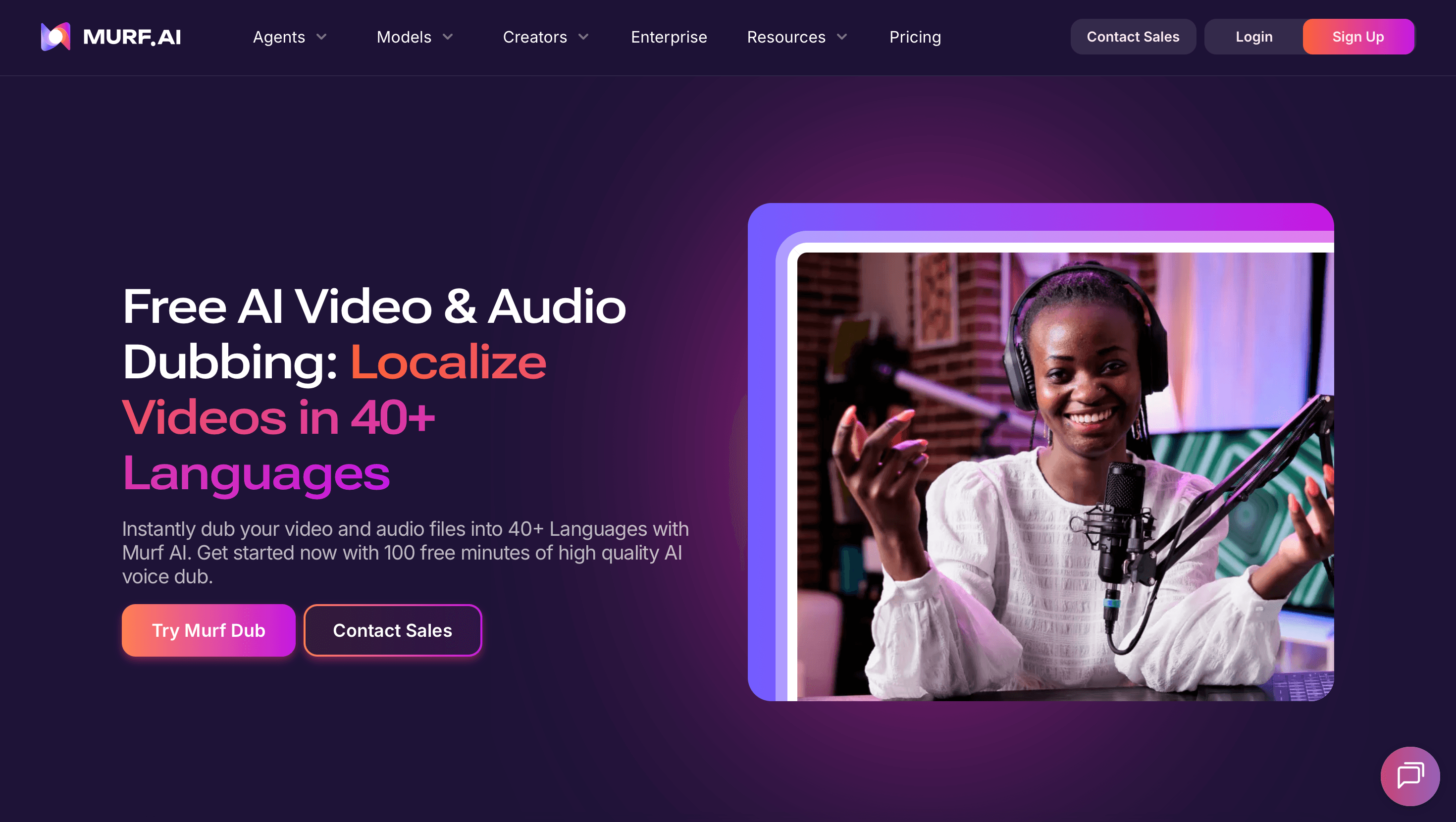
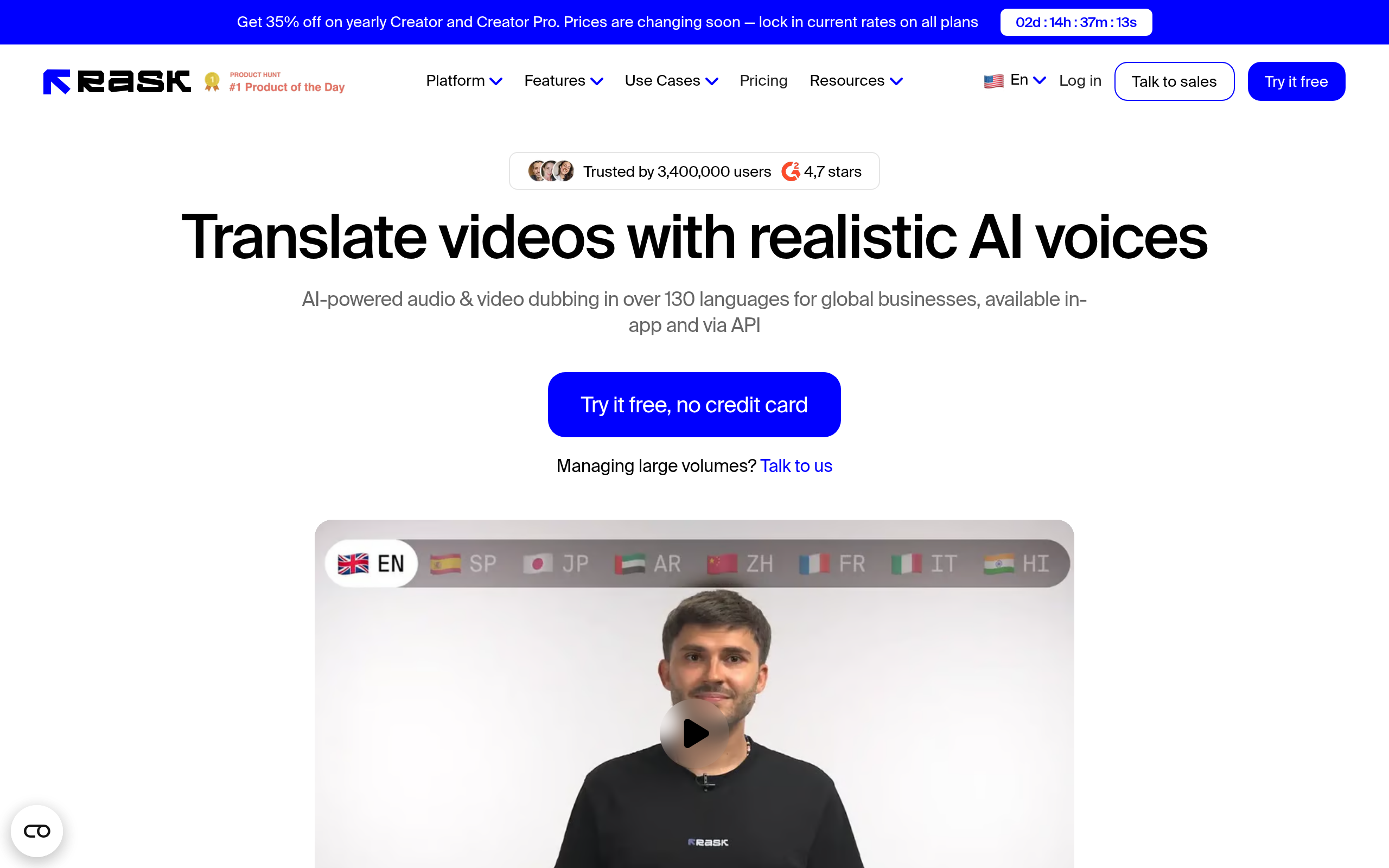
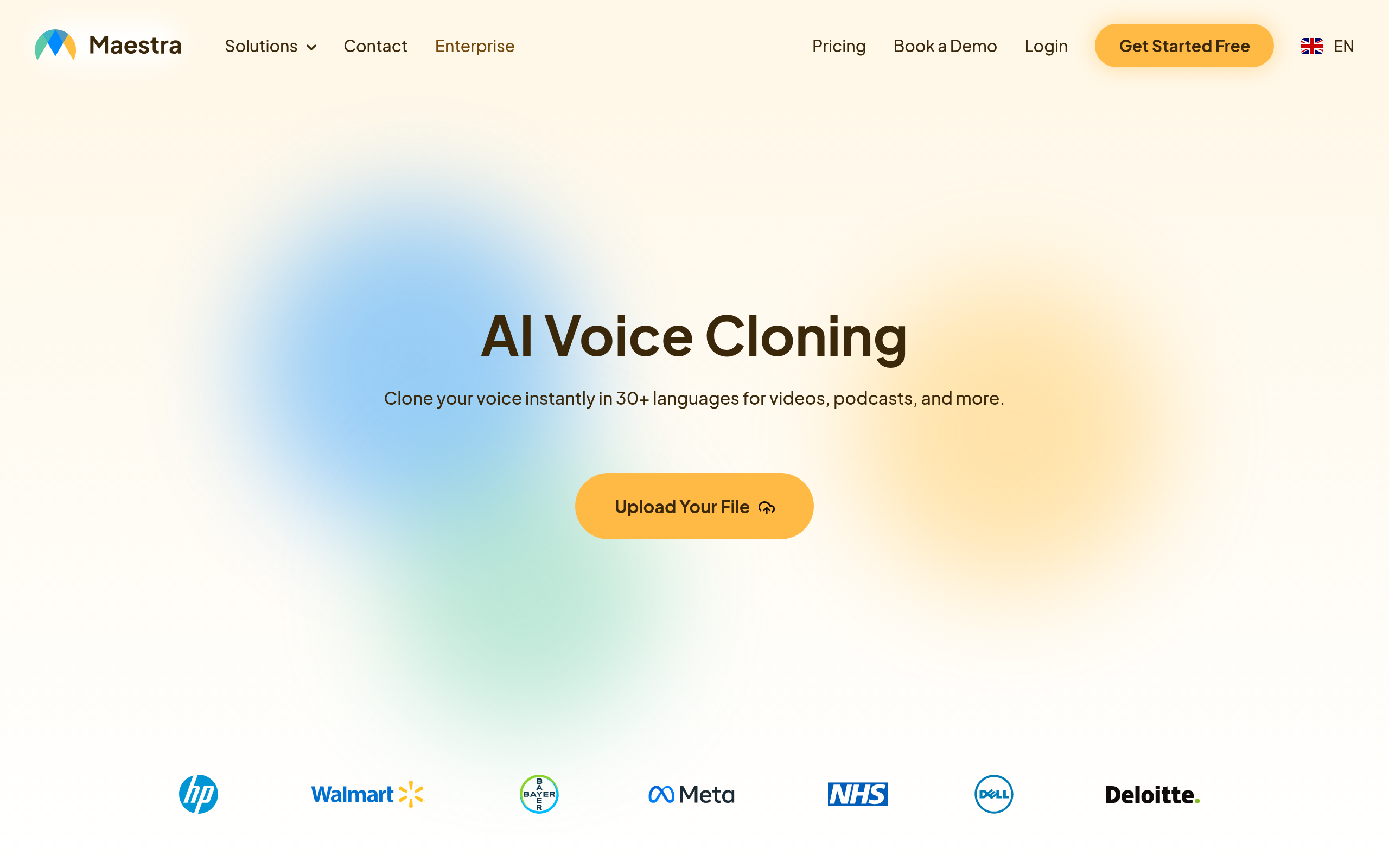
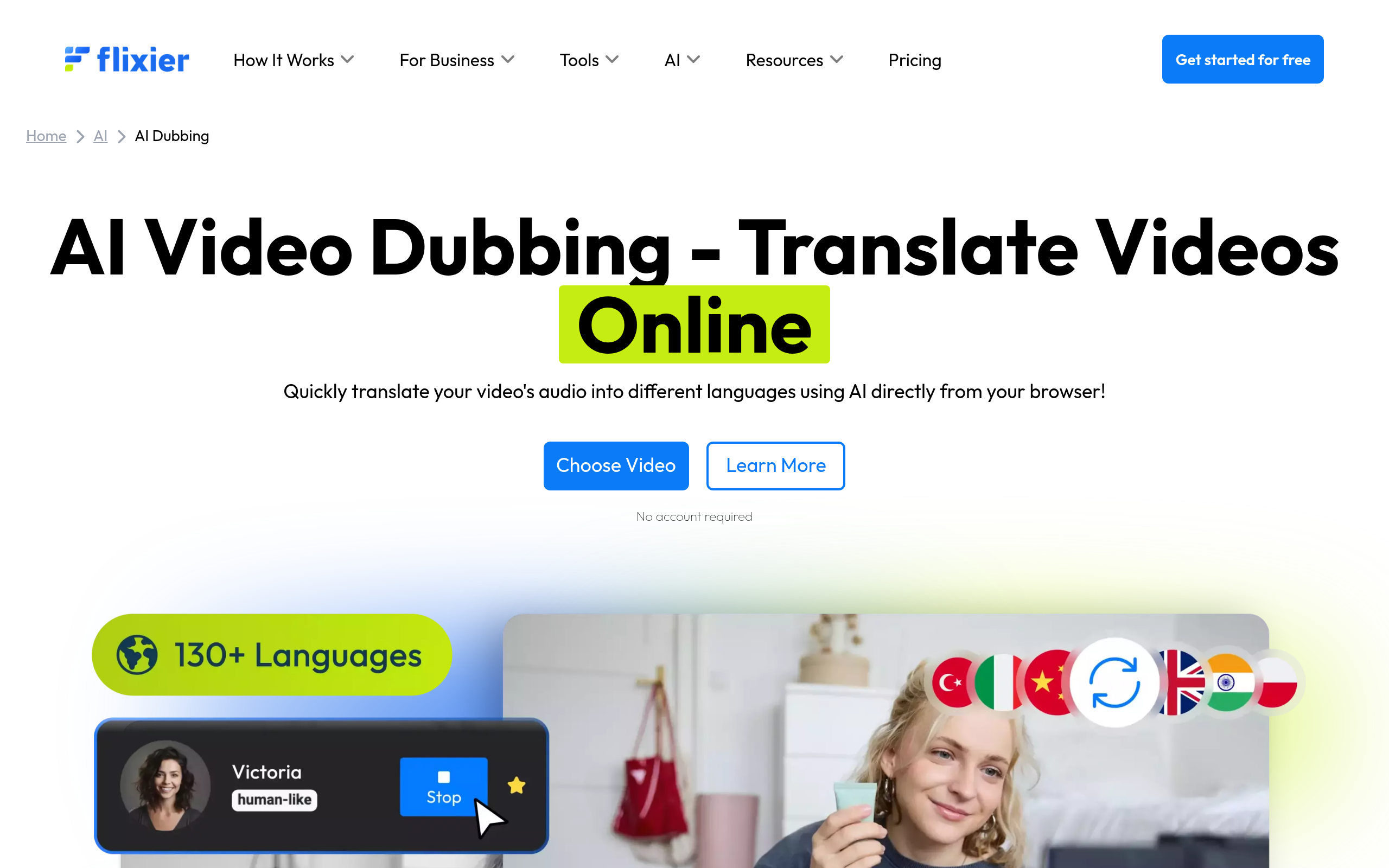
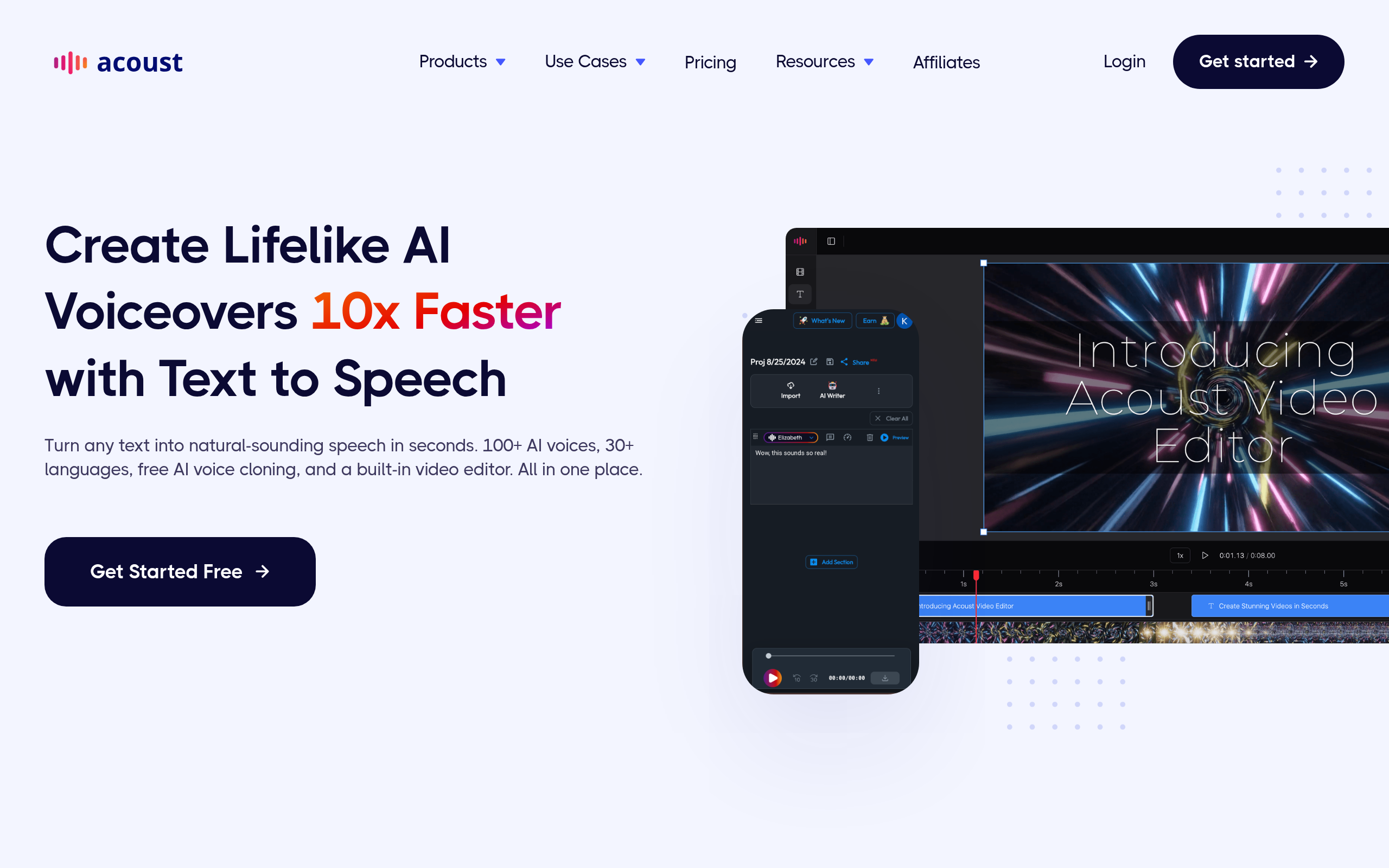
- Best tools: Rask AI for video translation/dubbing, Murf AI Dubbing for voice, Flixier AI Dubbing for browser editing + dubbing, Acoust AI and Maestra AI Voice Cloning for audio.
- AI gets you 90% there fast; human review still matters for nuance, tone and high-stakes content.
- Localization is more than translation — adapt for culture, context and format, not just words.
AI translation and localization use AI to adapt content — text, audio and video — into other languages quickly and affordably, with the 2026 frontier being media: AI dubbing that keeps a recognisable voice across languages and even matches lip movement. Reaching global audiences used to be slow and expensive, requiring translators, voice actors and re-editing for every language. AI collapses that cost, letting a small team localize content at a scale that was previously impractical. But there is an important nuance: AI gets you most of the way fast, while human review still matters for tone, culture and anything high-stakes. This guide covers how AI translation works, where it shines, and the best tools for text, audio and video.
Translation vs localization: the key difference
People use the terms interchangeably, but they are not the same. Translation converts words from one language to another. Localization adapts content so it feels native to the target audience — accounting for culture, idiom, context, formats (dates, currencies, units), and tone. A literal translation can be technically correct yet feel wrong, because it ignores how people in the target market actually communicate. AI is excellent at fast, high-quality translation and increasingly good at localization, but the cultural nuance is where human review adds the most value. The best results treat AI as the engine that does 90% of the work instantly, with a human polishing the final 10% that makes content feel genuinely native.
The big shift: AI video dubbing
Text translation has been good for a while; the dramatic 2026 advance is in audio and video. AI dubbing can now take a video, translate the speech, and generate a dubbed version — often keeping a voice that sounds like the original speaker, and in some cases matching lip movement to the new language. This is transformative for creators and businesses: one video can reach audiences in many languages without re-filming or hiring voice actors per language, while keeping a consistent, recognisable sound. It turns localization from a major per-language project into a near-automated step, which is why video dubbing tools have become a category of their own.
Best AI translation and localization tools in 2026
| Job | Best tool |
|---|---|
| Video translation & dubbing | Rask AI |
| Voiceover & dubbing | Murf AI Dubbing |
| Browser editing + dubbing | Flixier AI Dubbing |
| Audio localization & cloning | Acoust AI, Maestra AI Voice Cloning |
For translating and dubbing video into many languages, Rask AI is a leading specialist. For polished voiceover and dubbing, Murf AI Dubbing; for browser-based editing combined with AI dubbing, Flixier AI Dubbing; and for audio localization and voice work, Acoust AI and Maestra AI Voice Cloning. Compare more in our ElevenLabs alternatives guide, the AI voice cloning guide, and the voice & audio and video categories.
How to localize content with AI (step by step)
- Decide your target markets and what content to localize first — start with your highest-impact pieces.
- Translate with AI for speed, choosing a tool that fits your format (text, audio or video).
- Localize, not just translate — adapt idiom, tone, formats and cultural references for the market.
- Have a native speaker review high-stakes content — AI gets you most of the way, humans catch nuance.
- For video, use dubbing tools like Rask AI to keep a consistent voice across languages.
- Test with the target audience and refine — localization improves with real feedback.
Where human review still matters
AI translation is remarkably good, but it is not infallible, and the gap shows up exactly where it matters most. Nuance and tone — humour, idiom, formality and brand voice can be lost or mangled in a literal translation. Cultural context — references that work in one market can confuse or offend in another. High-stakes content — legal, medical, safety or contractual text where an error has real consequences must be human-verified. And brand-critical messaging deserves a native eye. The smart approach is not to choose between AI and humans but to combine them: AI for speed and scale, human review for the nuance that protects quality and trust.
Why localization just got affordable
Going global has always been one of the surest ways to grow — more markets, more customers, more reach — yet for most businesses it stayed out of reach because localization was expensive and slow. Translating a website, dubbing a video library, or adapting marketing for a dozen markets meant hiring translators and voice actors and re-editing everything per language, a cost that only large companies could justify. AI has fundamentally changed that economics. What used to be a major, per-language project is now a fast, largely automated step, which means a small business or solo creator can now reach audiences they could never have afforded to serve before. The strategic implication is significant: language is no longer the barrier to global reach it once was, and the businesses that move first to localize with AI can open markets while competitors are still treating translation as a luxury.
The AI localization mistake to avoid
The most common error is treating AI translation as a finished product rather than a powerful first draft. Because the output is fast and usually fluent, it is tempting to publish it as-is — and for low-stakes content that is often fine. But the gap between "technically correct" and "feels native" is exactly where brands embarrass themselves: a literal translation that ignores idiom, tone or cultural context can read as awkward, impersonal, or in the worst cases unintentionally offensive. The fix is not to abandon AI but to combine it with a light human touch where it counts — a native speaker reviewing high-visibility, brand-critical or sensitive content. This hybrid approach captures almost all of AI's speed and cost savings while protecting the quality and cultural fit that make localization actually work. Use AI for the 90%, humans for the nuance, and you get global reach without the cringe.
The bottom line
AI translation and localization let you reach global audiences at a scale and cost that used to be out of reach — and AI video dubbing now keeps a recognisable voice across languages, turning localization from a project into a near-automated step. Use Rask AI for video dubbing, Murf AI Dubbing for voice, Flixier AI Dubbing for browser editing, and Acoust AI or Maestra AI Voice Cloning for audio. Let AI do the 90%, have a native speaker polish the rest, and remember that localization adapts for culture and context, not just words — and you can take your content global without the cost that once made it impossible.
Disclaimer: AI translation can miss nuance, tone and cultural context. Have native speakers review high-stakes content, and obtain consent before cloning any real person's voice for dubbing.
Tools mentioned in this guide
Pricing, features and model availability can change over time. Always verify current details on each tool's official website before deciding.
Frequently Asked Questions
What is the difference between AI translation and localization?
What is the difference between AI translation and localization?
What is the best AI tool for video translation?
What is the best AI tool for video translation?
How does AI video dubbing work?
How does AI video dubbing work?
Is AI translation accurate enough to use?
Is AI translation accurate enough to use?
Can AI keep my voice when dubbing into other languages?
Can AI keep my voice when dubbing into other languages?
What does localization include beyond translation?
What does localization include beyond translation?
Don't just pick a tool — get the whole workflow
Tell Comparee your goal and get a complete step-by-step AI workflow with the right tool for every step.