AI for Customer Onboarding: The Complete Guide for 2026
AI for customer onboarding in 2026 — onboarding chatbots, explainer videos, knowledge automation and in-app guidance that boost activation, plus the best tools.
Key takeaways
- AI for customer onboarding guides new users to their first success automatically — with chatbots that answer questions, videos that teach, and knowledge that surfaces at the right moment.
- Better onboarding lifts activation and retention: users who reach value quickly stay; users who get stuck churn.
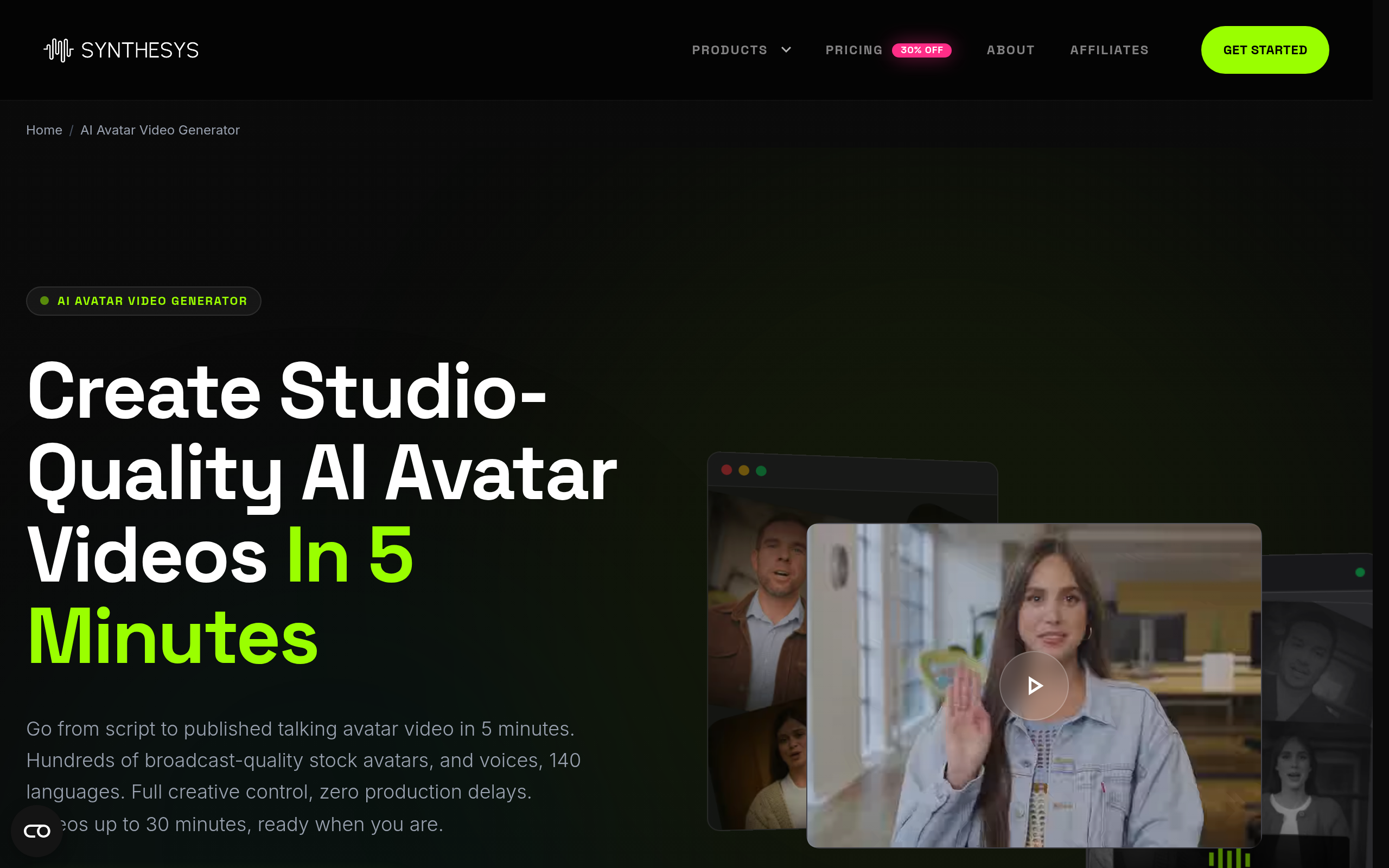
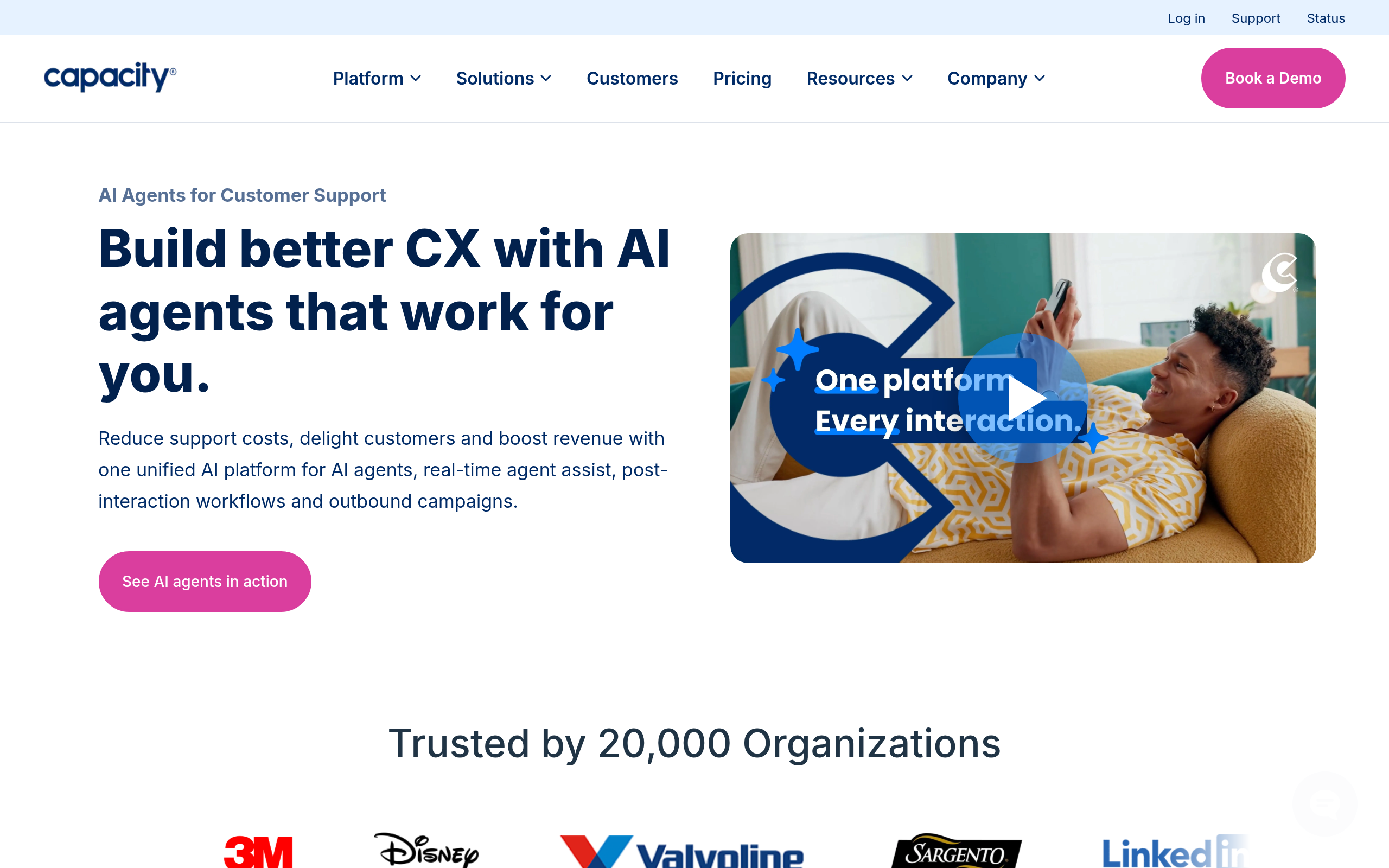
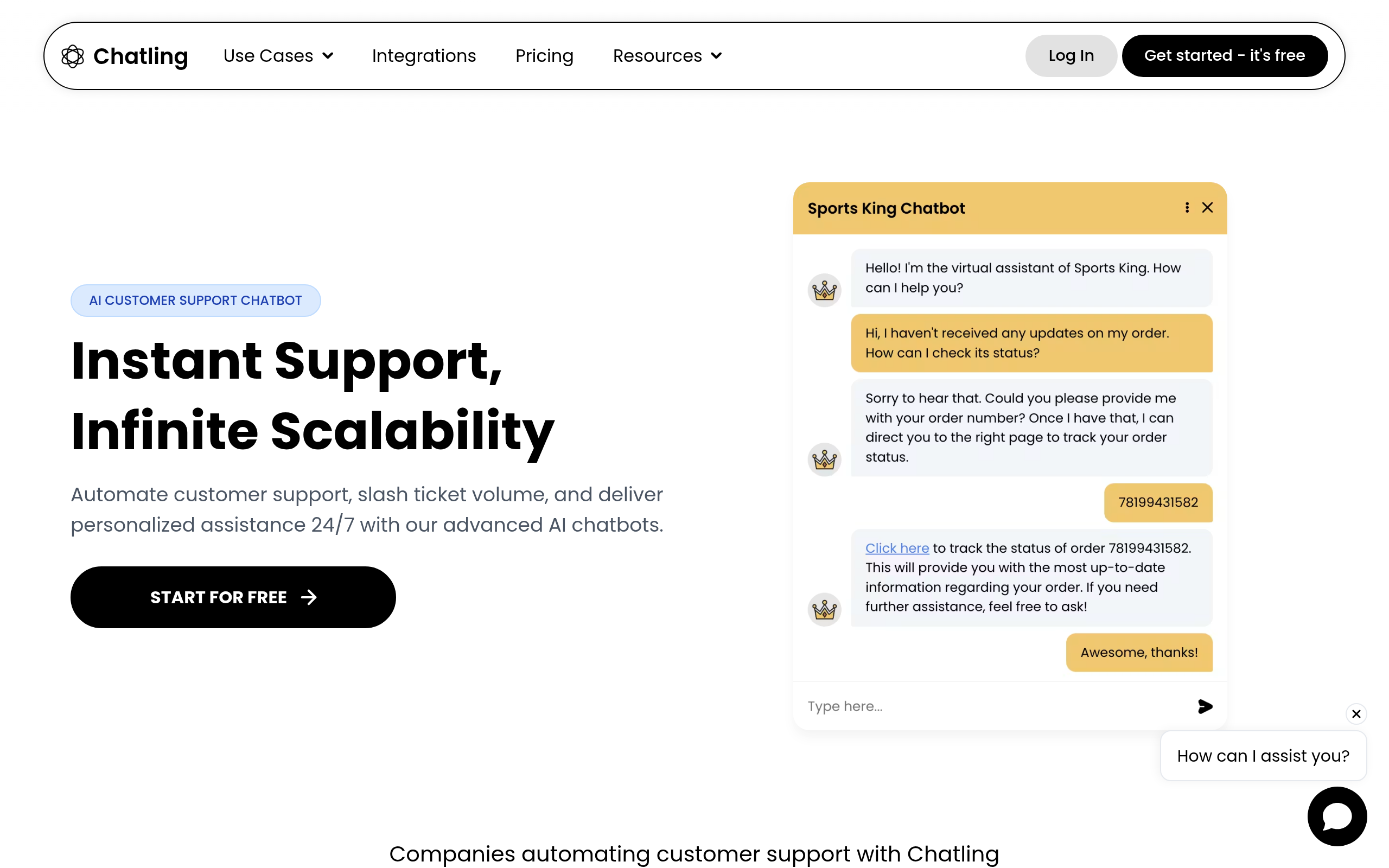
- Best tools: Chatling for onboarding chatbots, Colossyan Creator and Synthesys AI Avatar Video Generator for tutorial and explainer videos, Capacity for knowledge automation, and Newo for AI onboarding agents.
- AI scales personalised onboarding to every user without scaling headcount — answering questions and guiding at any hour.
- Ground onboarding content in accurate, up-to-date information and keep a human path for complex cases.
AI for customer onboarding uses chatbots, AI-generated tutorial videos, automated knowledge and in-app guidance to walk every new user to their first real success automatically — answering their questions, teaching them how things work, and surfacing the right help at the right moment, so more users activate and stay instead of getting stuck and churning. Onboarding is where customers are won or lost: the first hours decide whether someone reaches the value they signed up for or quietly gives up. Doing onboarding well at scale has always been hard — you cannot hand-hold every user personally. AI makes personalised, responsive onboarding possible for everyone at once, at any hour, without scaling your team in proportion. This guide covers what AI onboarding does, how the pieces fit together, the best tools in 2026, and how to keep it accurate and human where it needs to be.
What is AI for customer onboarding?
AI for customer onboarding is the use of AI to guide new customers from sign-up to their first meaningful success — what teams call activation — with far less manual effort. It brings together several capabilities. Onboarding chatbots answer new users’ questions instantly and walk them through setup, so no one is left staring at a confusing screen. Tutorial and explainer videos, generated with AI rather than filmed, teach features and workflows in a format people actually watch. Knowledge automation surfaces the right answer or article exactly when a user needs it. And in-app and agent-led guidance proactively nudges users toward the actions that lead to success. The unifying goal is to remove the friction and confusion that cause new users to abandon a product before they experience its value — and to do it for every user, personally, without needing a human to sit alongside each one.
Onboarding chatbots and in-app guidance
The most direct application is the onboarding chatbot — an always-available assistant that answers a new user’s questions the instant they arise. The danger moment in onboarding is when a user hits confusion: they do not know what to click, why something is not working, or how to do the thing they came to do. If the only options are emailing support and waiting, or hunting through docs, many simply give up. A chatbot collapses that gap to zero, answering in the moment and keeping the user moving. The best onboarding goes further with proactive in-app guidance — instead of waiting to be asked, it nudges users toward the next valuable step, points out features they have not tried, and gently steers them toward the actions that correlate with long-term success. This combination of reactive help and proactive guidance is what turns a confusing first session into a smooth path to value, and it scales to every single user without adding headcount. For the broader support picture, see our guide to automating customer support with AI.
Tutorial and explainer videos at scale
Some things are far easier to show than to tell, which is why tutorial and explainer videos are such an effective onboarding tool — and why AI video generation has made them dramatically more practical. Traditionally, producing onboarding videos meant scripts, recording, editing and a real cost per video, so most teams made a handful and let them go stale as the product changed. AI video tools change the economics completely: you can generate clear, professional tutorial and explainer videos — often with realistic AI presenters — from a script alone, and update them easily when features change. That means you can cover far more of your product with video, keep the content current, and even localise it, all without a studio or a film crew. Video onboarding lifts comprehension and engagement for the many users who will watch a two-minute walkthrough but never read a documentation page, making it one of the highest-impact additions to a modern onboarding flow.
Best AI customer onboarding tools in 2026
| Need | Best tool |
|---|---|
| Onboarding chatbots | Chatling |
| Tutorial & explainer videos | Colossyan Creator, Synthesys AI Avatar Video Generator |
| Knowledge automation | Capacity |
| AI onboarding agents | Newo |
For onboarding chatbots that answer new users’ questions and guide them through setup, Chatling lets you build a chatbot trained on your own content quickly. For tutorial and explainer videos, Colossyan Creator and Synthesys AI Avatar Video Generator both generate professional videos with AI presenters from a script, so you can teach features without filming. For knowledge automation — surfacing the right answer at the right moment across your help content — Capacity automates support and knowledge so users and agents find answers fast. And Newo builds AI agents that can handle conversational, guided onboarding. Most strong onboarding flows combine a chatbot, video and automated knowledge rather than relying on any one of them alone.
How to build AI customer onboarding (step by step)
- Define activation — decide what “first success” means for your product, so onboarding has a clear target to drive toward.
- Add an onboarding chatbot with Chatling to answer questions and guide setup the moment users get stuck.
- Create tutorial videos with Colossyan Creator or Synthesys AI Avatar Video Generator for the key features and workflows.
- Automate your knowledge with Capacity so the right answer surfaces in context, for users and your team.
- Add proactive guidance with an agent like Newo to nudge users toward the next valuable step.
- Measure and refine — track activation and where users drop off, then improve the weakest steps.
Ground it in accurate content and keep a human path
This is the caveat that keeps AI onboarding trustworthy. AI chatbots, knowledge tools and videos are only as good as the content behind them, so everything must be grounded in accurate, up-to-date information. A chatbot that confidently gives wrong setup instructions, or a tutorial video that shows an outdated interface, does more harm than no onboarding at all — it frustrates exactly the new users you are trying to win, and it teaches them to distrust your guidance from day one. So the discipline is to feed your AI tools accurate source content, review what they produce, and update everything when the product changes. The second non-negotiable is keeping a human path for complex cases. AI handles the common questions and the standard happy path beautifully, but some new users have genuinely complicated situations, edge cases, or high-stakes setups where a wrong automated answer is costly. Those users need a clear, easy route to a person — an obvious escalation, not a dead-end bot. The best AI onboarding is therefore a layered system: AI handles volume, speed and the routine for everyone, while accurate content keeps it honest and a human path catches the cases that need real judgement. Get that balance right and AI onboarding lifts activation without sacrificing the trust that early-stage customers are still deciding whether to give you.
Why onboarding is where AI pays off most
Of all the places to apply AI in the customer lifecycle, onboarding may offer the highest return, because the stakes and the leverage are both enormous. Activation is the hinge of the whole business: a user who reaches value in their first session is likely to stay, expand and recommend, while one who gets confused and stalls is likely to churn before you ever earn revenue from them. Yet personalised onboarding has always been the hardest thing to scale — you simply cannot put a human alongside every new user to answer their questions and guide their first steps. AI removes that constraint. It delivers responsive, personalised, around-the-clock guidance to every user simultaneously, teaching through video, answering through chat, and nudging through in-app prompts, all at a marginal cost that does not rise with each new sign-up. The result is that the experience once reserved for high-touch enterprise customers becomes available to everyone, which directly lifts activation and retention across the entire base. The companies winning here treat onboarding not as a one-time setup wizard but as an AI-powered system that actively gets every new customer to success — and they reap the compounding benefits of higher activation feeding higher retention and growth.
The bottom line
AI for customer onboarding gets every new user to their first success automatically — with chatbots that answer in the moment, AI-generated videos that teach, knowledge that surfaces in context, and guidance that nudges users forward — lifting activation and retention without scaling headcount. Use Chatling for onboarding chatbots, Colossyan Creator and Synthesys AI Avatar Video Generator for tutorial and explainer videos, Capacity for knowledge automation, and Newo for AI onboarding agents. Just ground everything in accurate, up-to-date content and keep an easy human path for complex cases — and AI onboarding becomes one of the highest-return investments you can make.
Disclaimer: AI onboarding tools are only as good as the content behind them. Ground chatbots, knowledge and videos in accurate, current information, review outputs, and always provide a clear human escalation path for complex or high-stakes cases. Inaccurate automated guidance can frustrate and lose the new users you are trying to win.
Tools mentioned in this guide
Pricing, features and model availability can change over time. Always verify current details on each tool's official website before deciding.
Frequently Asked Questions
What is AI for customer onboarding?
What is AI for customer onboarding?
What are the best AI customer onboarding tools?
What are the best AI customer onboarding tools?
How does an onboarding chatbot help?
How does an onboarding chatbot help?
Can AI create onboarding tutorial videos?
Can AI create onboarding tutorial videos?
How do I keep AI onboarding accurate?
How do I keep AI onboarding accurate?
Should AI handle all onboarding?
Should AI handle all onboarding?
Don't just pick a tool — get the whole workflow
Tell Comparee your goal and get a complete step-by-step AI workflow with the right tool for every step.