Best AI Tools for Marketing in 2026: The Complete Stack
The best AI tools for marketing in 2026, by job — content, social media, email, SEO and design. Build a practical AI marketing stack with Comparee.
Key takeaways
- Marketing is many jobs — content, social, email, SEO, design — so the "best AI tool" is really a stack, one per job.
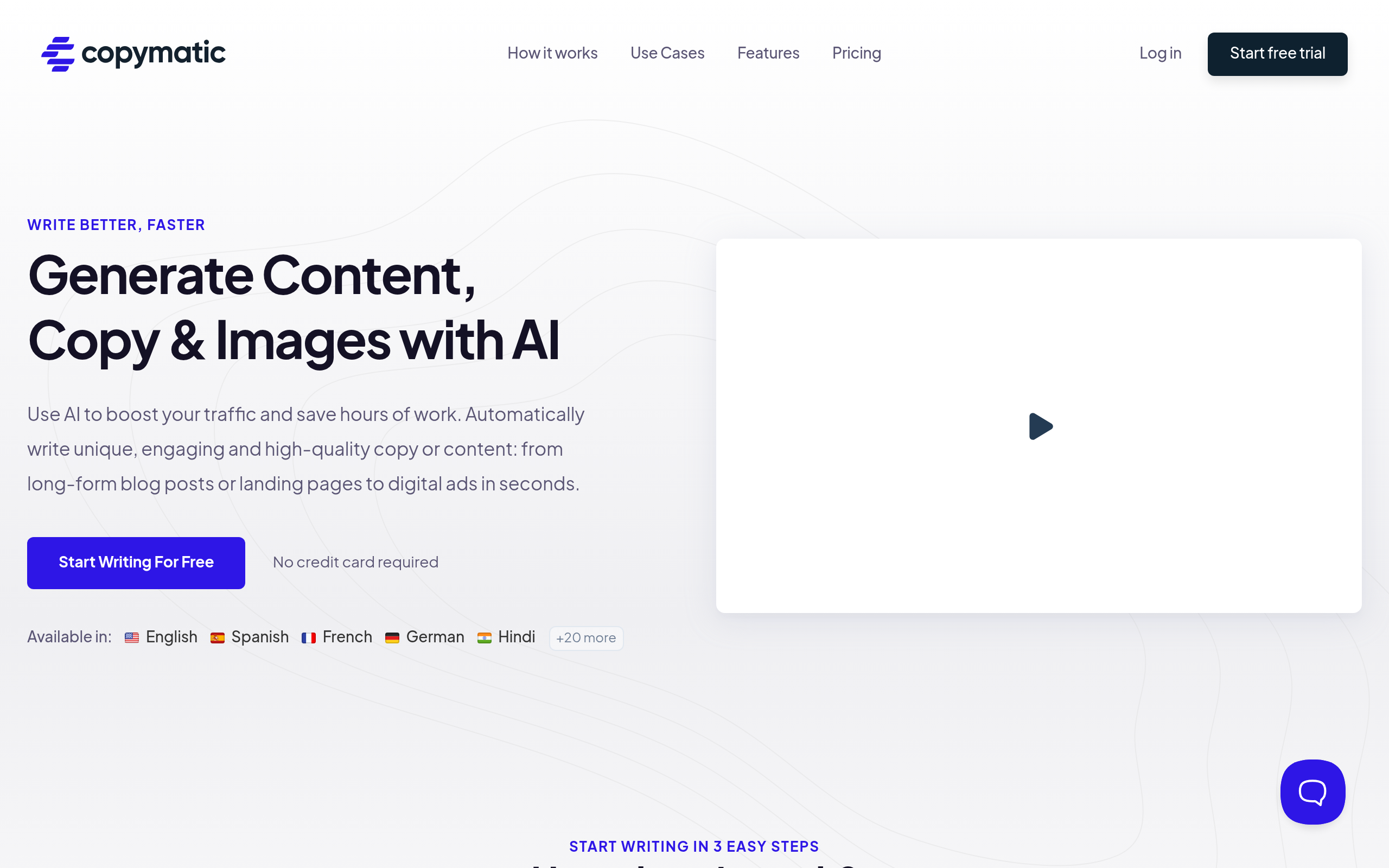
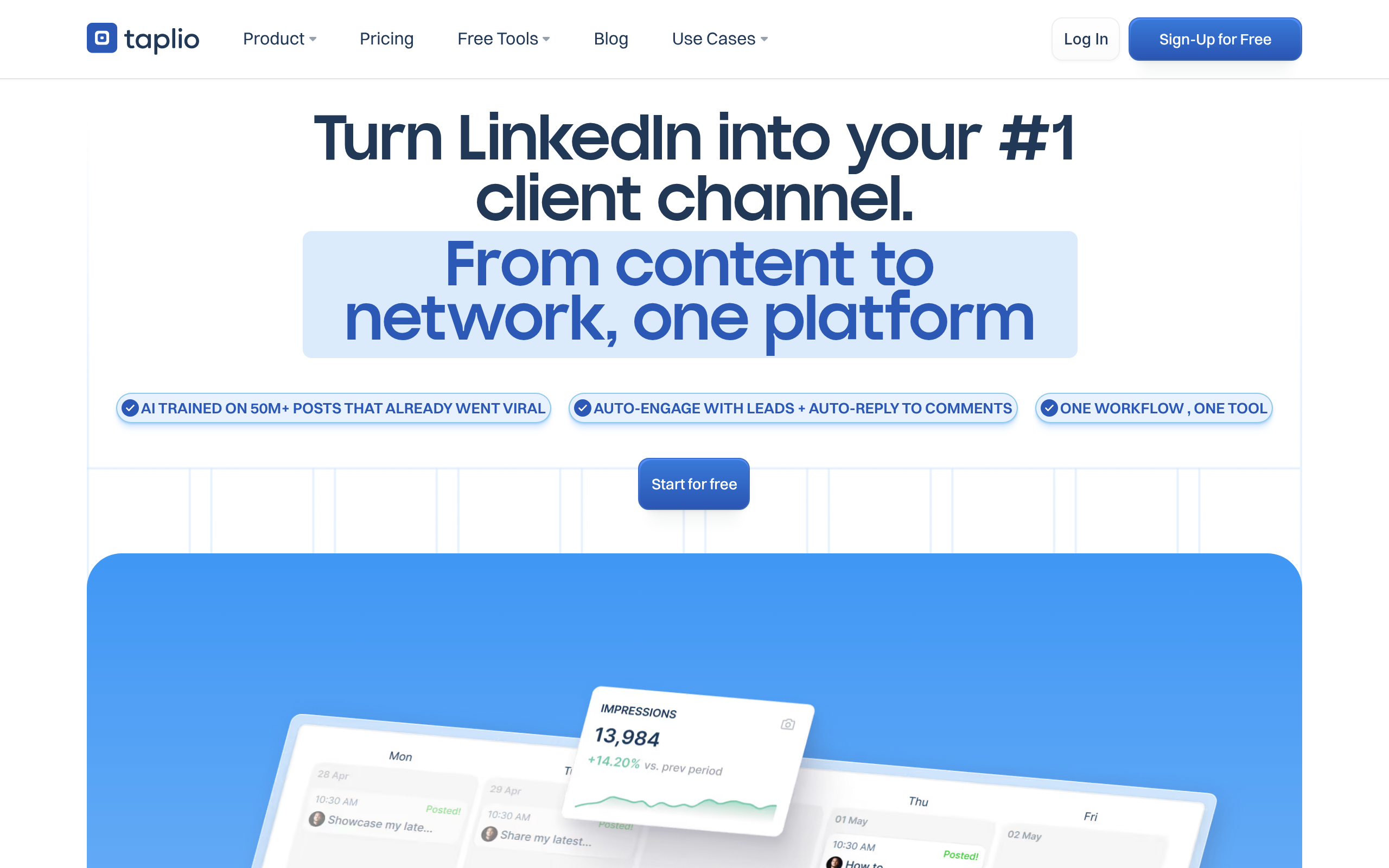
- For content + social, Ocoya; for LinkedIn growth, Taplio; for marketing copy, Copymatic and Jasper.
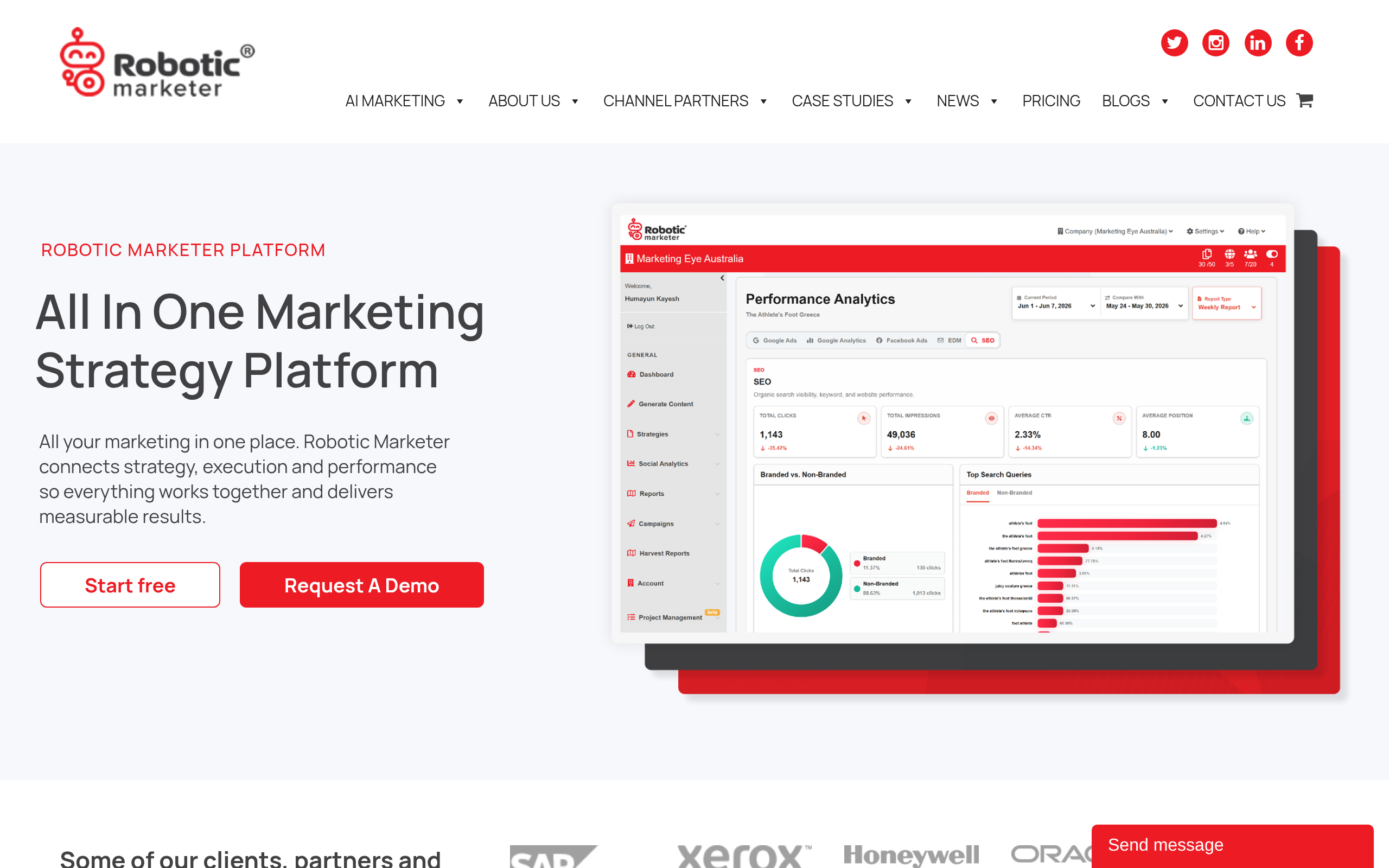
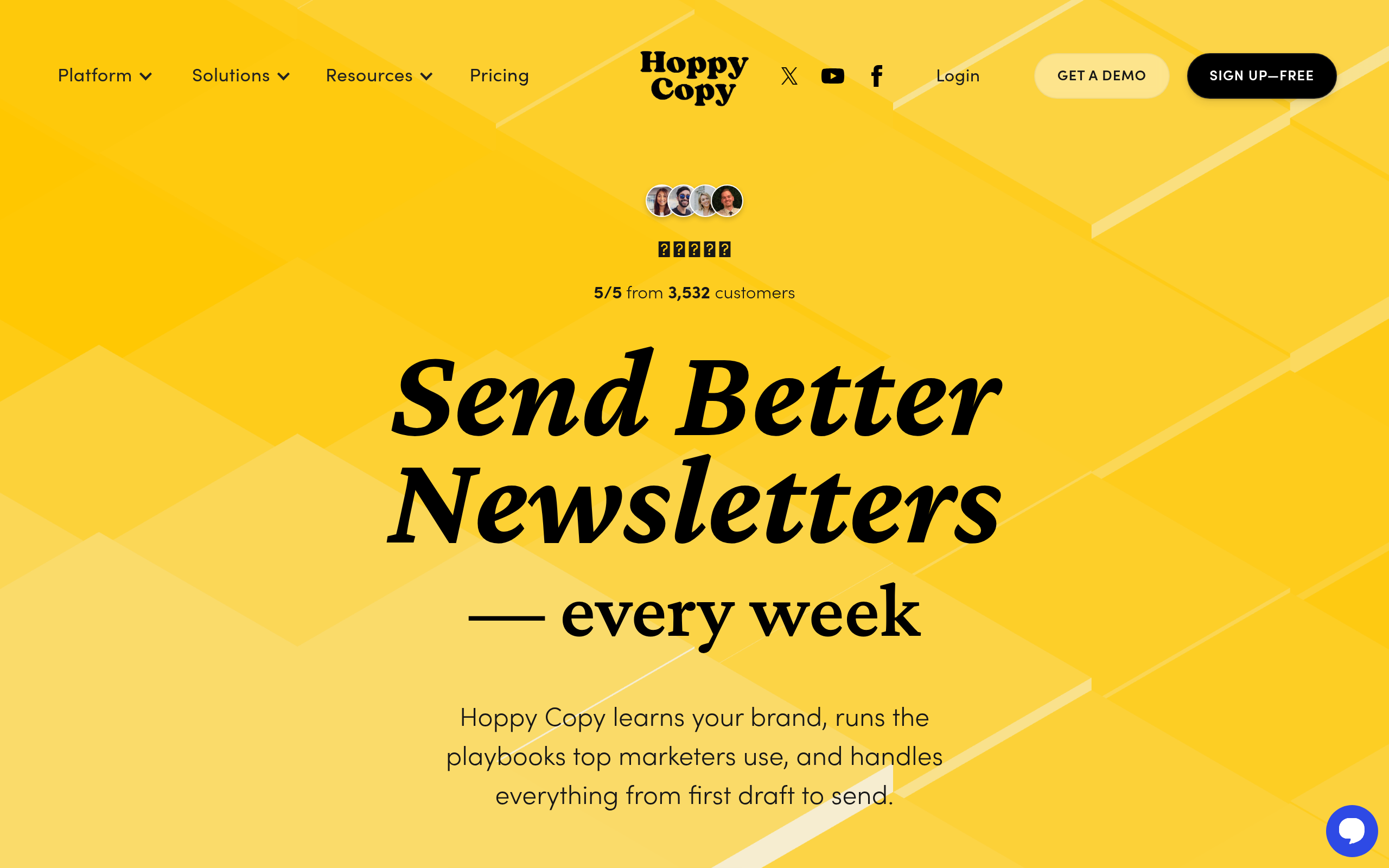
- For email, Mailchimp and Hoppy Copy; for marketing planning, Robotic Marketer.
- Build the stack one job at a time — don't expect one tool to do everything.
Marketing isn't one job — it's content, social media, email, SEO and design, each with its own best AI tool. So "the best AI tool for marketing" is really a question about building a stack: the right tool per job, working together. This guide maps the best AI marketing tools in 2026 to the jobs you actually do, using real tools from the Comparee catalog.
The mental model that makes AI marketing click is to stop looking for one tool and start thinking in jobs. Marketing is content, social, email, SEO, design and analysis, and no single product is genuinely best at all of them — the suites that claim to be are usually mediocre across the board. A lean stack of specialists that each do one job well, connected by your workflow, beats an all-in-one almost every time. So the guide below is organised as a stack: the best tool per job, which you assemble based on the channels that actually drive your results rather than the features that look impressive in a demo.
The short answer
For content plus social posting, Ocoya writes and schedules in one place. For LinkedIn growth specifically, Taplio. For marketing copy and campaigns, Copymatic and Jasper. For email marketing, Mailchimp with AI-written copy from Hoppy Copy. And for strategy and planning, Robotic Marketer.
The AI marketing stack by job
| Marketing job | Best pick | Why |
|---|---|---|
| Content + social scheduling | Ocoya | Write and post in one tool |
| LinkedIn growth | Taplio | LinkedIn content and engagement |
| Marketing copy | Copymatic / Jasper | Ads, landing pages, campaigns |
| Email marketing | Mailchimp | Send, automate, segment |
| Email copy | Hoppy Copy | AI email and newsletter text |
| Strategy / planning | Robotic Marketer | AI marketing plans |
Content and social: Ocoya and Taplio
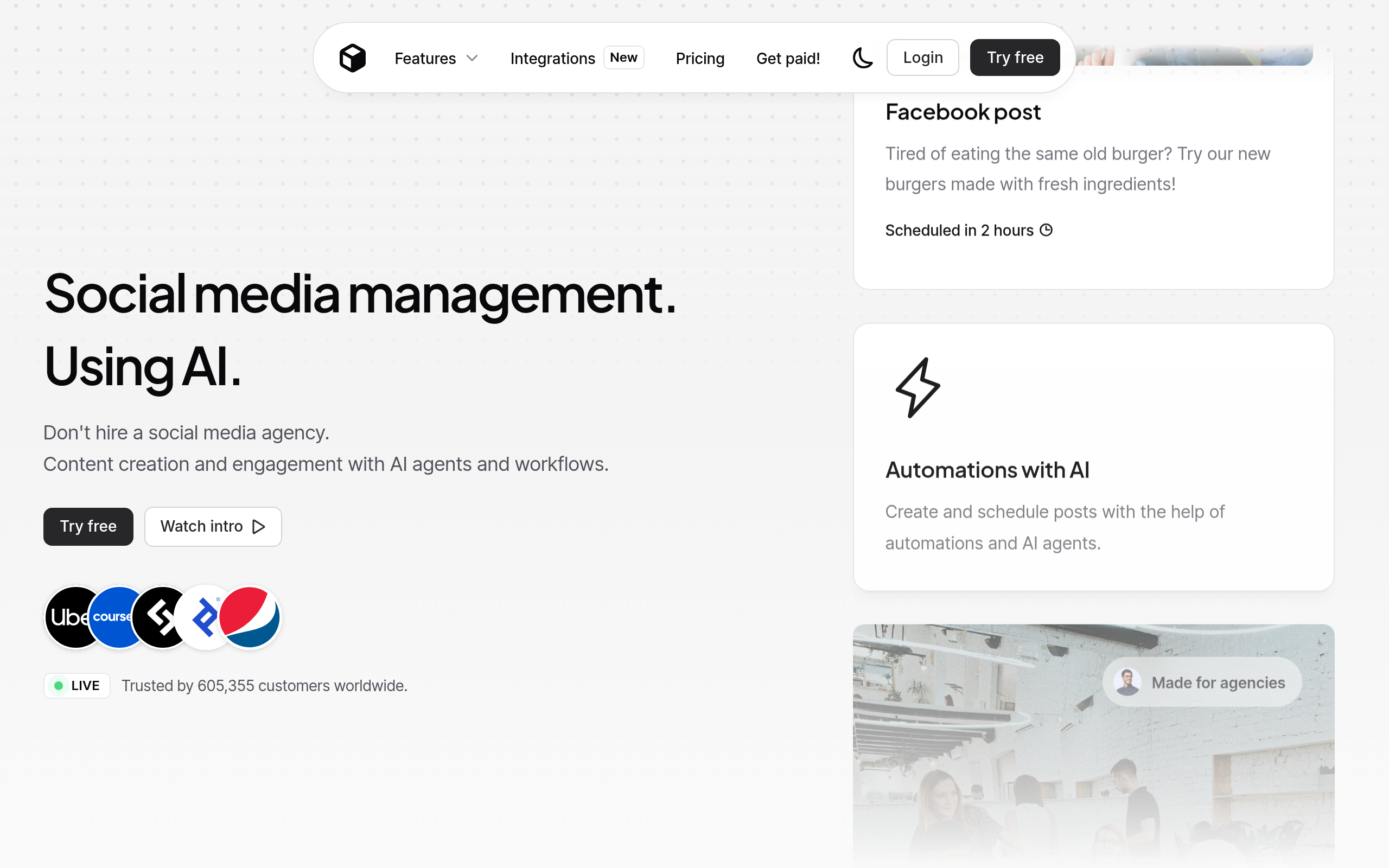
Ocoya combines AI content generation with social scheduling, so you write a post and publish it without switching tools — a real time-saver for teams running multiple channels. For LinkedIn specifically, Taplio focuses on content and engagement on the platform, which is where a lot of B2B marketing now happens. Together they cover the create-and-distribute half of marketing.
Copy and email: Copymatic, Jasper, Mailchimp and Hoppy Copy
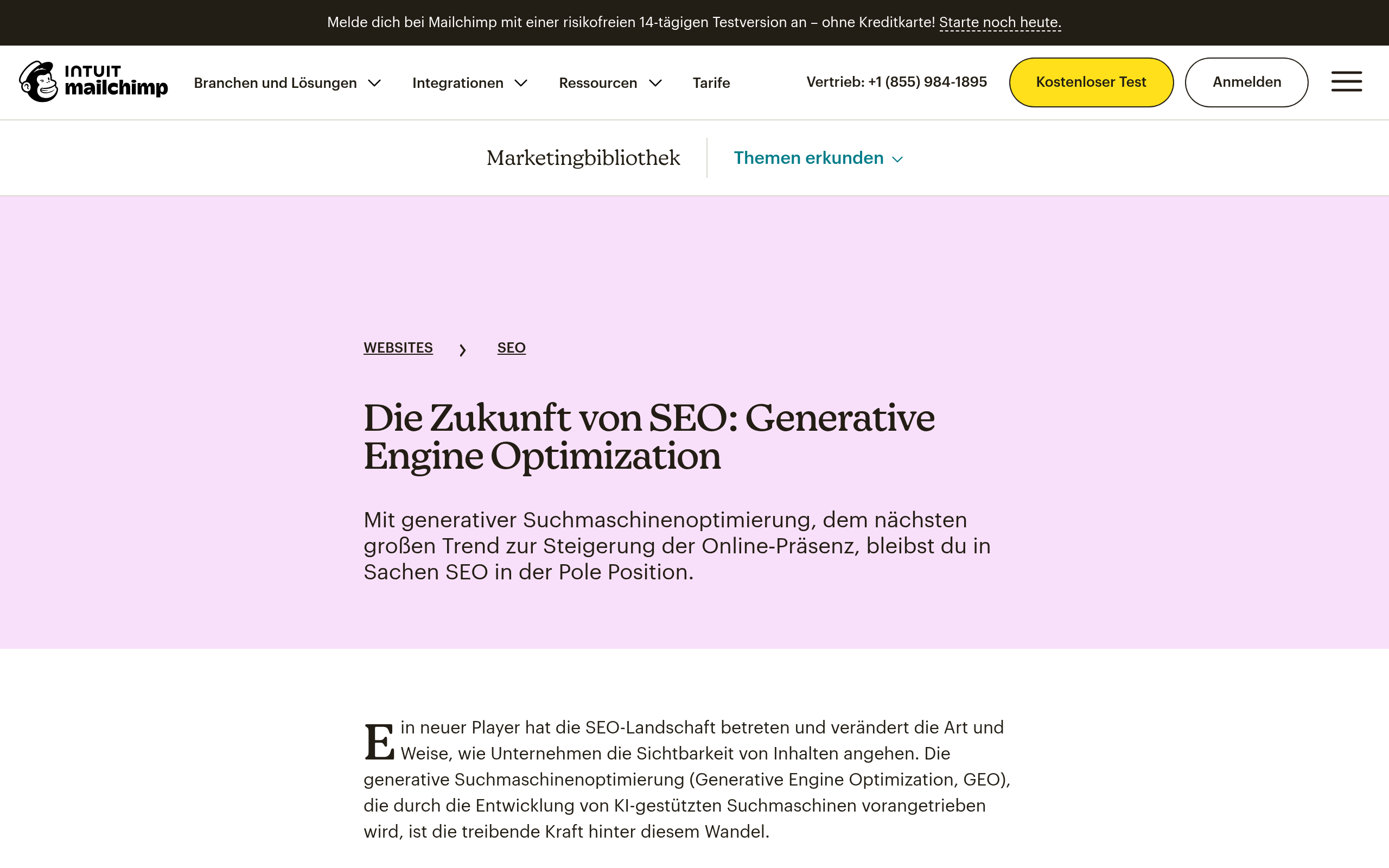
For campaign and ad copy, Copymatic and Jasper generate marketing text across formats. For email, Mailchimp remains a core platform for sending, automation and segmentation, and Hoppy Copy writes the email and newsletter copy that goes inside it. Pairing a writing tool with a sending platform is the standard email stack.
Planning and growth: Robotic Marketer and more
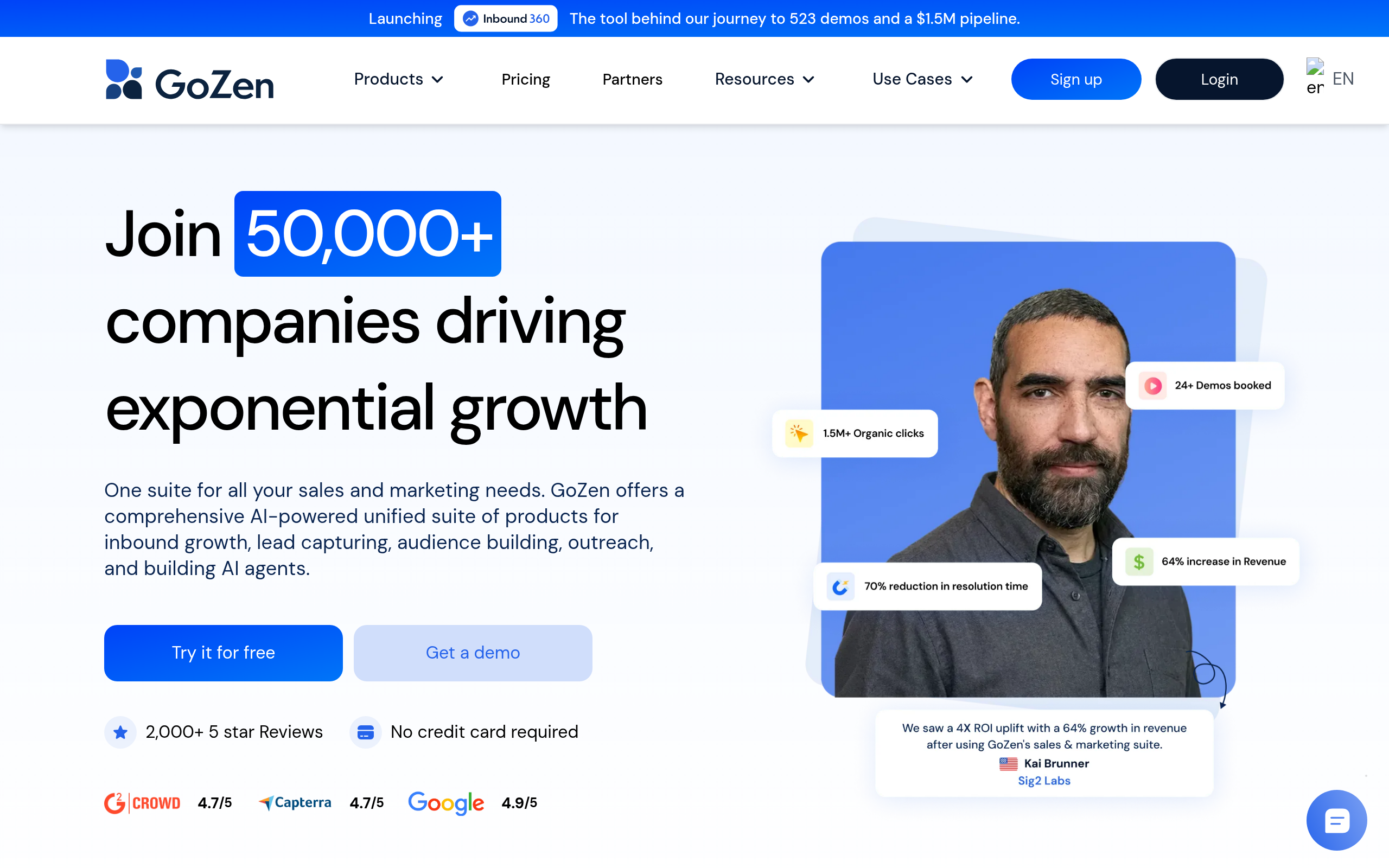
For the strategy layer, Robotic Marketer generates AI marketing plans, useful when you need structure rather than just assets. Blaze and GoZen add growth and content automation options depending on your focus. The point of the stack is that each tool does one job well — you assemble the few that match your channels rather than chasing a single do-everything platform.
How to build your stack
Start with your highest-leverage channel. If most of your results come from content, anchor on Ocoya; if it's LinkedIn, start with Taplio; if it's email, Mailchimp plus an AI copy tool. Add a second tool only when a specific job is clearly slowing you down — a stack of three tools you use daily beats ten you barely touch. The common marketing mistake is buying a sprawling suite for features you'll never open; pick per job, integrate as you go, and keep the stack lean.
Comparee recommendation
- Content + social? → Ocoya.
- LinkedIn? → Taplio.
- Copy / campaigns? → Copymatic or Jasper.
- Email? → Mailchimp + Hoppy Copy.
- Strategy? → Robotic Marketer.
Build the stack one job at a time. Compare the options in the top marketing tools and the marketing category on Comparee.
Common mistakes building an AI marketing stack
The classic mistake is tool sprawl — subscribing to a dozen AI marketing tools because each looked clever, then using three. Every tool you add is another login, another integration and another monthly charge, so a lean stack of tools you use daily beats a sprawling one you forget. The second mistake is automating distribution before the content is good; scheduling mediocre posts across every channel with Ocoya just spreads mediocre content faster. Get the message right, then scale it. The third is treating AI output as final — ad and email copy from Copymatic or Jasper is a strong draft, but the version that converts is the one you edit with your offer, your voice and a clear call to action. AI removes the blank page; it doesn't replace marketing judgement.
How to start, and what it costs
Anchor on your single highest-leverage channel and get one tool working there before adding anything. If content drives your results, start with Ocoya; if it's LinkedIn, Taplio; if it's email, Mailchimp plus AI copy. Prove the workflow, embed it in your week, and only then add a second tool for the next bottleneck. Most of these tools have free or low-cost tiers, so you can assemble a useful stack affordably and upgrade only the one or two you depend on. The marketers who get the most from AI aren't the ones with the most tools — they're the ones who matched a few good tools to their real channels and actually use them every day. Keep the stack lean, keep the human judgement, and AI becomes leverage instead of overhead.
The marketers who pull ahead with AI aren't the ones experimenting with every new tool — they're the ones who used AI to remove the repetitive production work and reinvested that time into strategy, positioning and creative that actually differentiates. AI commoditises the easy parts of marketing, which means the hard, human parts — knowing your customer, crafting an offer, telling a story — matter more, not less. Build a lean stack that handles the grind, and spend the hours it frees on the thinking that no competitor can copy from a tool.
Start with the one channel that drives most of your results, get a single tool working there, and add to the stack only when a specific job clearly slows you down — lean and used beats broad and ignored.
Revisit the stack each quarter as your channels and goals shift, dropping tools you've stopped using and adding only where a real bottleneck has appeared. A marketing stack should evolve with the business, not calcify around tools you adopted once and forgot.
The goal is leverage, not tool collection: a few well-chosen tools, used consistently and connected to your workflow, will always out-perform a drawer full of subscriptions you opened once and never returned to.
The bottom line
There is no single best AI marketing tool — there is a best stack for your channels. Ocoya and Taplio cover content and social, Copymatic and Jasper handle copy, Mailchimp and Hoppy Copy run email, and Robotic Marketer plans strategy. Start with your top channel and add tools only as you need them.
Tools mentioned in this guide

Pricing, features and model availability can change over time. Always verify current details on each tool's official website before deciding.
Frequently Asked Questions
What are the best AI tools for marketing in 2026?
What are the best AI tools for marketing in 2026?
What is the best AI tool for social media marketing?
What is the best AI tool for social media marketing?
Can AI write email marketing campaigns?
Can AI write email marketing campaigns?
Do I need many AI marketing tools?
Do I need many AI marketing tools?
Are AI marketing tools free?
Are AI marketing tools free?
Don't just pick a tool — get the whole workflow
Tell Comparee your goal and get a complete step-by-step AI workflow with the right tool for every step.