AI Tools for Recruiters & HR: The Complete Guide for 2026
AI tools for recruiters and HR in 2026 — job descriptions, candidate screening, Q&A chatbots and automation, plus a bias, fairness and compliance caveat and the
Key takeaways
- AI tools for recruiters and HR speed up the heavy, repetitive parts of hiring — writing job descriptions, screening candidates, answering candidate questions and automating workflows.
- AI assists the recruiter; it does not make hiring decisions — human judgement, fairness and accountability stay central.
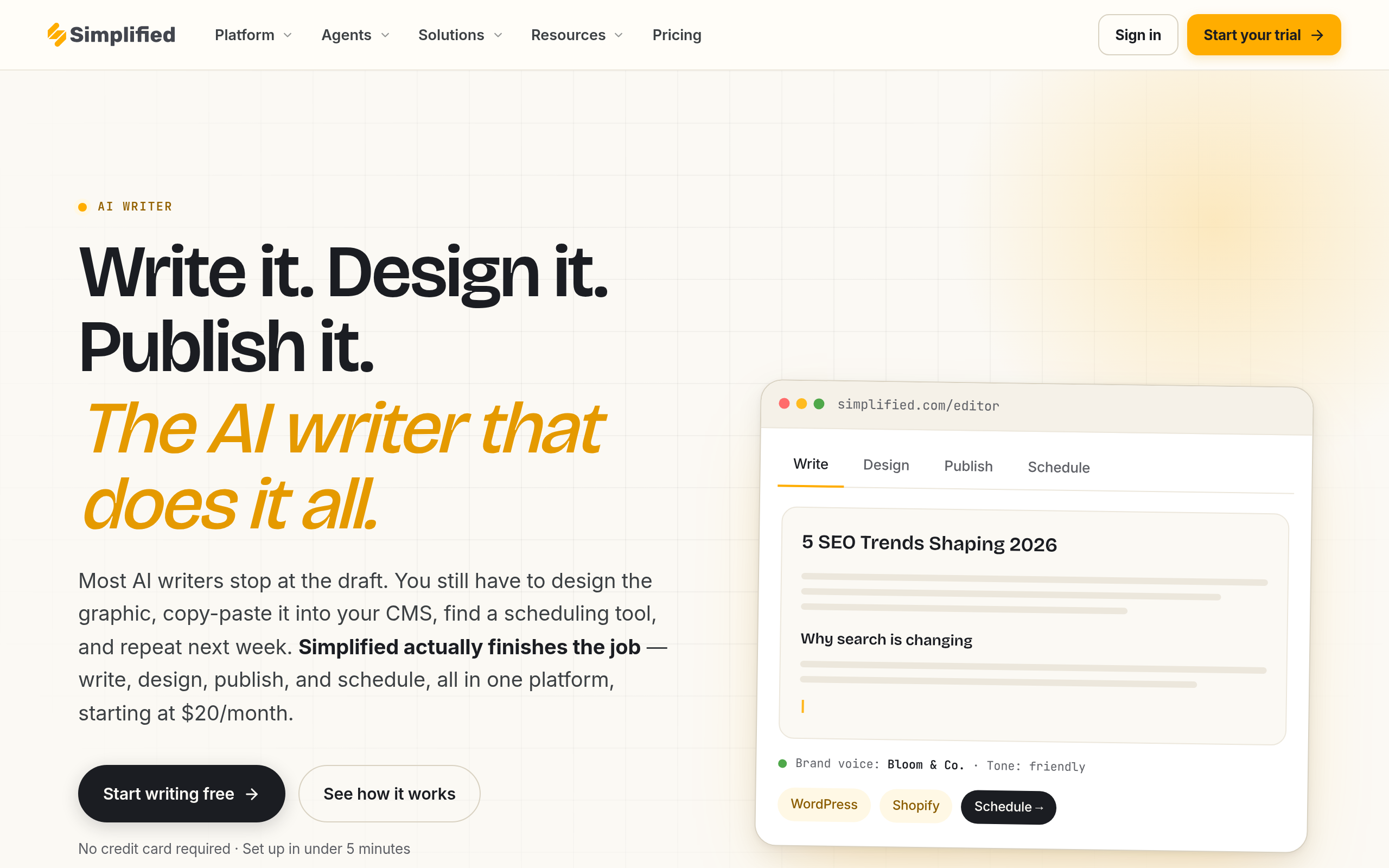
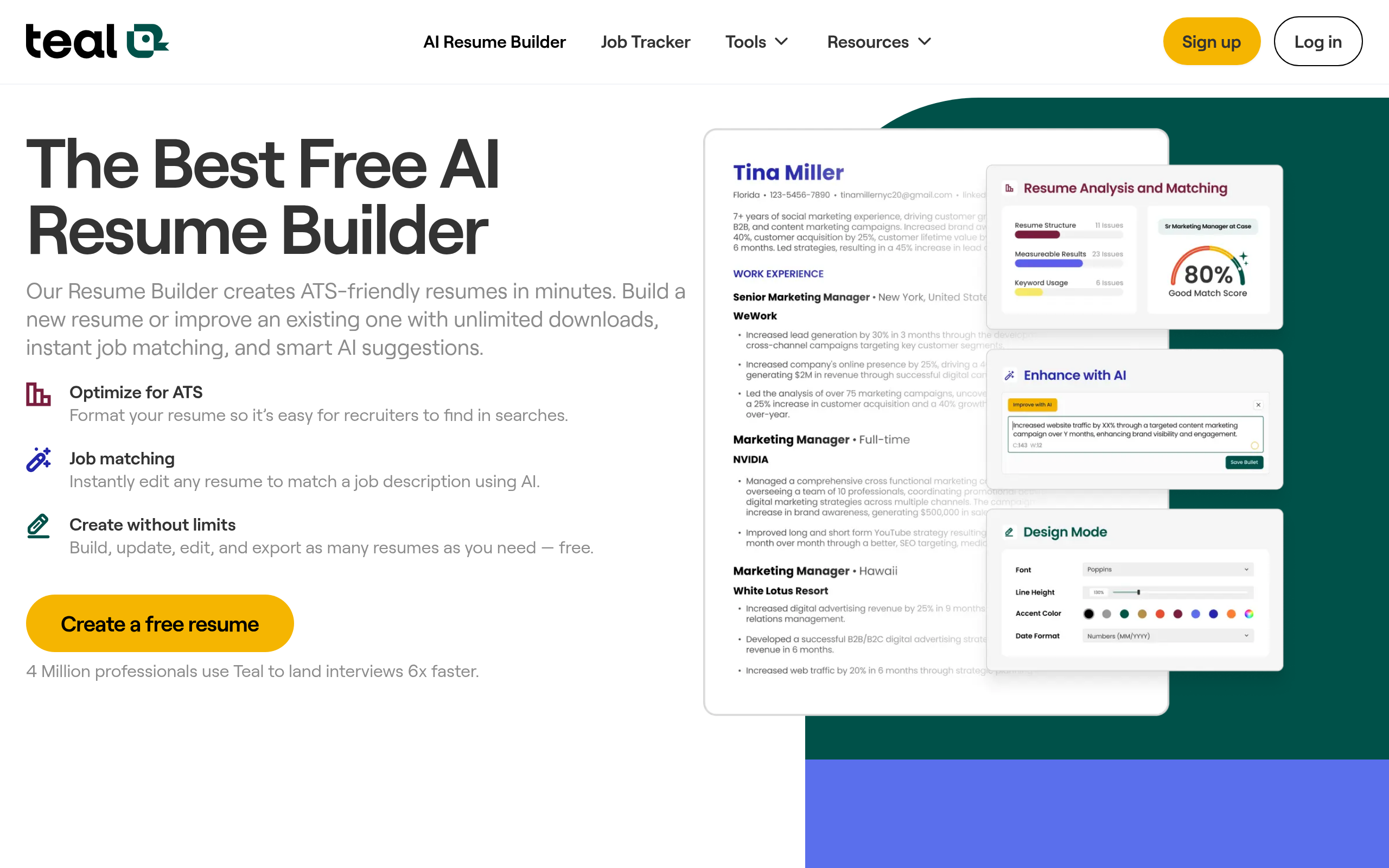
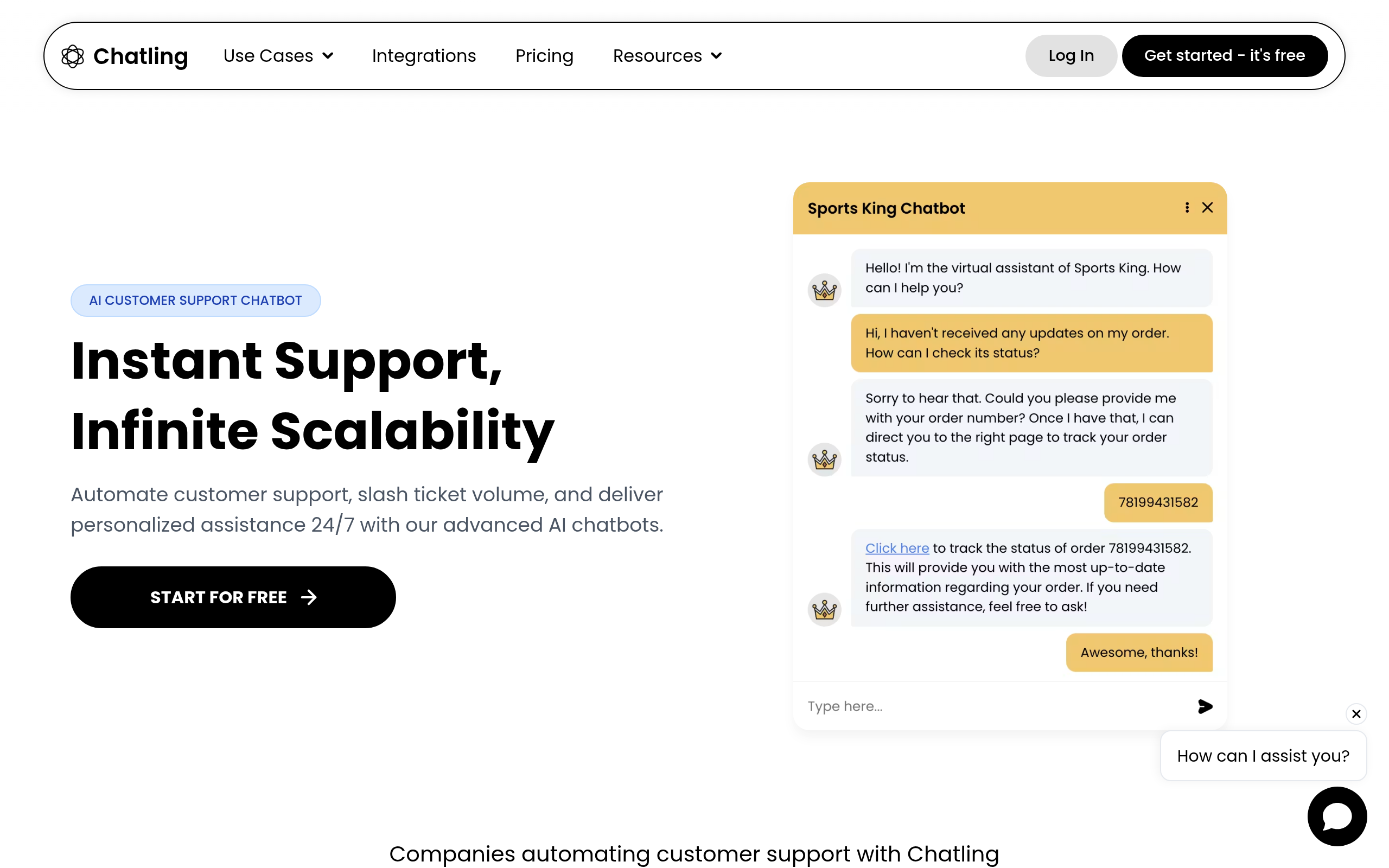
- Best tools: Simplified AI Writer for job descriptions and outreach, Teal AI Resume Builder to understand candidate-side resumes, Chatling for a candidate-Q&A chatbot, n8n for recruitment workflow automation.
- Bias, fairness and compliance are non-negotiable — keep humans deciding, audit for fairness, and follow employment law.
- Use AI for speed and consistency, but keep hiring decisions, fairness and legal compliance firmly human.
AI tools for recruiters and HR use AI to accelerate the slow, repetitive parts of hiring — drafting job descriptions, sorting and screening applications, answering routine candidate questions, and automating the workflow between systems — so recruiters spend more time on the human side of hiring and less on administration. Recruiting is buried in manual work: writing and rewriting job posts, wading through hundreds of applications, answering the same candidate questions over and over, and moving people through a pipeline by hand. AI compresses much of that work, but it does so within strict limits — bias, fairness and legal compliance are non-negotiable in a domain where decisions affect people's livelihoods. This guide covers what AI can do in recruiting and HR, where it genuinely helps, the caveats you must respect, and the best tools in 2026.
What are AI tools for recruiters and HR?
AI tools for recruiters and HR are applications that use AI to take over or accelerate the repetitive work of the hiring and people function — without taking over the decisions. They span several jobs. Job description and outreach tools draft clear, compelling job posts and candidate messages far faster than writing from scratch. Screening tools help sort and surface applications so recruiters spend their time on the most relevant candidates rather than reading everything blind. Candidate-facing chatbots answer the routine questions applicants ask — about the role, the process, timelines — around the clock. And workflow automation connects the systems involved so candidates move through the pipeline without manual data shuffling. The point is to remove the administrative drag from hiring, freeing recruiters to do the parts that genuinely need a person: building relationships, assessing fit, and making fair, accountable decisions about who to hire.
Where AI genuinely helps in hiring
The value clusters around a few concrete areas. Job descriptions — drafting consistent, well-written job posts and outreach messages in seconds instead of hours, then refining them. Screening and sorting — helping recruiters work through large volumes of applications and surface the most relevant ones, so the first pass is faster. Candidate communication — a chatbot that answers common questions about the role and process keeps candidates informed without tying up the recruiter, improving the candidate experience. And workflow automation — connecting your applicant tracking, calendars and communication tools so the pipeline runs with far less manual data entry. The common thread is speed and consistency on the repetitive work that surrounds hiring, which reclaims the recruiter's time for the high-judgement, human parts of the job — while, crucially, leaving the actual hiring decision to people.
Best AI recruiting and HR tools in 2026
| Need | Best tool |
|---|---|
| Job descriptions & outreach | Simplified AI Writer |
| Understanding candidate-side resumes | Teal AI Resume Builder |
| Candidate-Q&A chatbot | Chatling |
| Recruitment workflow automation | n8n |
For job descriptions and candidate outreach, Simplified AI Writer drafts clear, consistent job posts and messages you can refine quickly. To understand the candidate side of the table — how applicants build and tailor their resumes — Teal AI Resume Builder is the tool job seekers use, and knowing it helps recruiters read modern, AI-assisted applications. For a candidate-Q&A chatbot that answers routine questions about the role and process around the clock, Chatling builds the bot without code. And to automate the recruitment workflow between your ATS, calendars and comms, n8n connects the systems so the pipeline runs with less manual work. For the candidate's perspective, see our guide to AI resume builders and job search.
How to adopt AI in your hiring process (step by step)
- Start with job descriptions — draft posts and outreach with Simplified AI Writer, then refine for accuracy and tone.
- Understand the candidate side — know how applicants use tools like Teal AI Resume Builder so you read modern resumes well.
- Add a candidate chatbot with Chatling to answer routine questions and keep applicants informed.
- Automate the workflow with n8n so candidates move through the pipeline without manual data entry.
- Keep humans deciding — use AI to surface and sort, but make screening and hiring decisions with human judgement.
- Audit for fairness and compliance — review AI-assisted steps for bias and ensure they meet employment law.
The bias, fairness and compliance caveat (read this)
This is the part that matters most in hiring. AI is fast, but hiring decisions affect people's livelihoods, and that makes bias, fairness and legal compliance non-negotiable. AI systems learn from data, and if that data reflects past bias, the system can reproduce or amplify it — quietly disadvantaging candidates based on factors that should be irrelevant. So the rule is firm: keep humans making the decisions. Use AI to draft, sort and surface, but never let it autonomously reject or rank candidates in a way that drives outcomes without human review. Audit AI-assisted screening for fairness, watch for patterns that disadvantage protected groups, and be able to explain how candidates are evaluated. Compliance is equally serious: employment law, anti-discrimination rules, data protection and, increasingly, specific regulations on automated hiring decisions all apply, and they vary by jurisdiction. None of this is a reason to avoid AI — it is a reason to adopt it deliberately, with human judgement, fairness audits and legal review built in. The goal is to use AI for speed and consistency while keeping the decisions, the fairness and the accountability firmly human.
Improving the candidate experience with AI
Beyond efficiency, one of the most underrated benefits of AI in recruiting is a better experience for candidates — when it is used thoughtfully. Applicants frequently complain about silence: applications that vanish into a void, no updates, no answers to simple questions about the role or timeline. A candidate-facing chatbot like the kind built with Chatling can answer those routine questions instantly and around the clock, so applicants feel informed rather than ignored, even outside business hours. Faster, more consistent communication — enabled by automating the workflow so updates actually get sent — also keeps candidates engaged rather than drifting to other offers. The caveat from the fairness section still applies: the human, high-stakes moments of hiring, like interviews, feedback and the final decision, should stay personal, and candidates should always be able to reach a real person. But for the routine, repetitive communication that recruiters rarely have time to keep up with, AI genuinely improves how candidates are treated. A hiring process that responds promptly and keeps people informed reflects well on the employer and widens the pool of talent willing to engage, which is a real competitive advantage in a tight market.
Why AI is reshaping recruiting and HR
Recruiting has long been a function where skilled professionals spend a disproportionate share of their time on low-value administration — rewriting job posts, manually screening floods of applications, chasing scheduling, and answering the same questions repeatedly. AI is shifting that balance. By taking over the drafting, the first-pass sorting, the routine candidate communication and the data shuffling between systems, it gives recruiters back the time to do what only people can: build relationships with candidates, assess genuine fit, and make fair, well-judged hiring decisions. This does not displace recruiters — it elevates their work from administration to judgement and human connection. The teams that benefit most are not the ones that try to automate hiring decisions themselves, which is both risky and often unlawful, but the ones that automate the surrounding work while keeping the decisions human. Done that way, AI makes hiring faster, more consistent and more responsive to candidates, while the responsibility for fair, accountable, legally compliant decisions stays exactly where it must — with the people running the process.
The bottom line
AI tools for recruiters and HR accelerate the repetitive work of hiring — job descriptions, screening, candidate communication and workflow automation — so recruiters spend their time on judgement and relationships. Use Simplified AI Writer for job descriptions and outreach, understand candidate-side tools like Teal AI Resume Builder, deploy Chatling for a candidate-Q&A chatbot, and use n8n to automate the recruitment workflow. Just keep the decisions human: audit AI-assisted steps for bias and fairness, follow employment law, and never let AI autonomously decide who is hired. Done that way, AI makes hiring faster and more consistent without compromising fairness, compliance or accountability.
Disclaimer: AI recruiting tools accelerate work but must not make hiring decisions autonomously. They can reproduce bias from training data, so keep humans deciding, audit AI-assisted screening for fairness, and comply with employment law, anti-discrimination rules, data protection and any regulations on automated hiring in your jurisdiction.
Tools mentioned in this guide
Pricing, features and model availability can change over time. Always verify current details on each tool's official website before deciding.
Frequently Asked Questions
What are AI tools for recruiters and HR?
What are AI tools for recruiters and HR?
What are the best AI tools for recruiting?
What are the best AI tools for recruiting?
Can AI screen candidates fairly?
Can AI screen candidates fairly?
Is it legal to use AI in hiring?
Is it legal to use AI in hiring?
Can AI improve the candidate experience?
Can AI improve the candidate experience?
How do I start using AI in hiring?
How do I start using AI in hiring?
Don't just pick a tool — get the whole workflow
Tell Comparee your goal and get a complete step-by-step AI workflow with the right tool for every step.